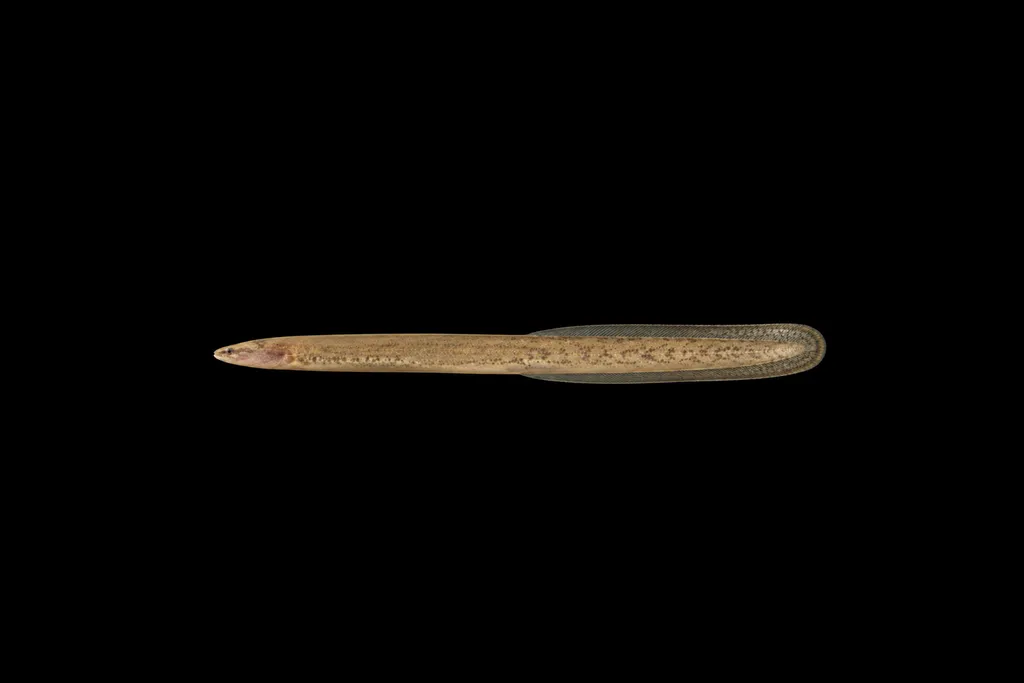
Dwarf spineless eel
Garo khajuriai
Also known as Khajuria's earthworm eel
FreshwaterFish
Care at a glance
- Temperature
- 68–79°F
- 20–26°C
- pH
- 6.0–7.2
- Adult size
- 2.8 in
- 7 cm
- Minimum tank
- 14 gal
- 54 L
- Temperament
- Peaceful
- Social behavior
- Solitary
- Swim level
- Bottom
- Diet
- Carnivore
- Difficulty
- Medium
- Breeding
- No record
- Rarity
- Rare
- Family
- Chaudhuriidae
- Origin
- Northeast India, Brahmaputra lowlands
Overview
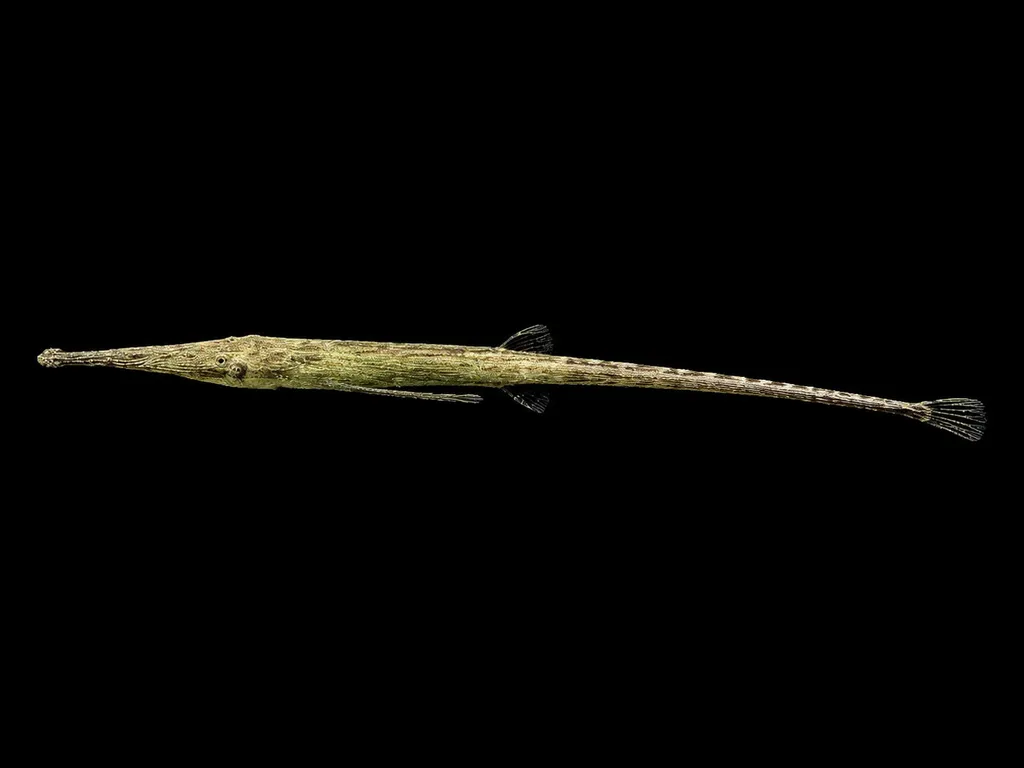
The dwarf spineless eel is a tiny, secretive, eel-like fish for a quiet species tank. Most of the time it is little more than a shape moving under the substrate, and it is best for a keeper with some experience.
Did you know
The dwarf spineless eel's whole family is barely known. Earthworm eels are small, burrowing and rarely collected, so one turning up in a shipment of other fish can be a local record. Its name points to the Garo Hills, where it was found.
Caring for the dwarf spineless eel
Keep the dwarf spineless eel in a quiet species tank of 14 gal (54 L) or more. It spends much of its time buried, so give it a soft bed of fine sand it can dig into. Add plenty of leaf litter and fine plants, and keep the flow gentle and the water calm.
Give it soft, slightly acidic water at 68 to 79°F (20 to 26°C) and a pH of 6.0 to 7.2. It comes out at night to hunt very small prey. Feed tiny live and frozen foods, such as micro worms, grindal worms and small frozen bloodworm, placed where it can find them.
The dwarf spineless eel is peaceful and harmless. Keep it alone or only with equally small, placid fish that will not outcompete it, and avoid anything boisterous. Its breeding in the aquarium is not documented.
Good to know
The dwarf spineless eel belongs to the earthworm eel family, Chaudhuriidae, the small, spineless relatives of the spiny eels. It is the sole member of its genus, Garo.
In the wild
The dwarf spineless eel lives in soft, weedy, slow-moving waters of the Brahmaputra lowlands in northeast India. It stays among dense vegetation, silt and litter in standing or gently flowing pools and paddies.
Weekly picks
Tank mates
The dwarf spineless eel is a peaceful, solitary species that keeps to the bottom. These picks share a community profile with it, are safe together in both directions, and overlap on water type, temperature and pH.
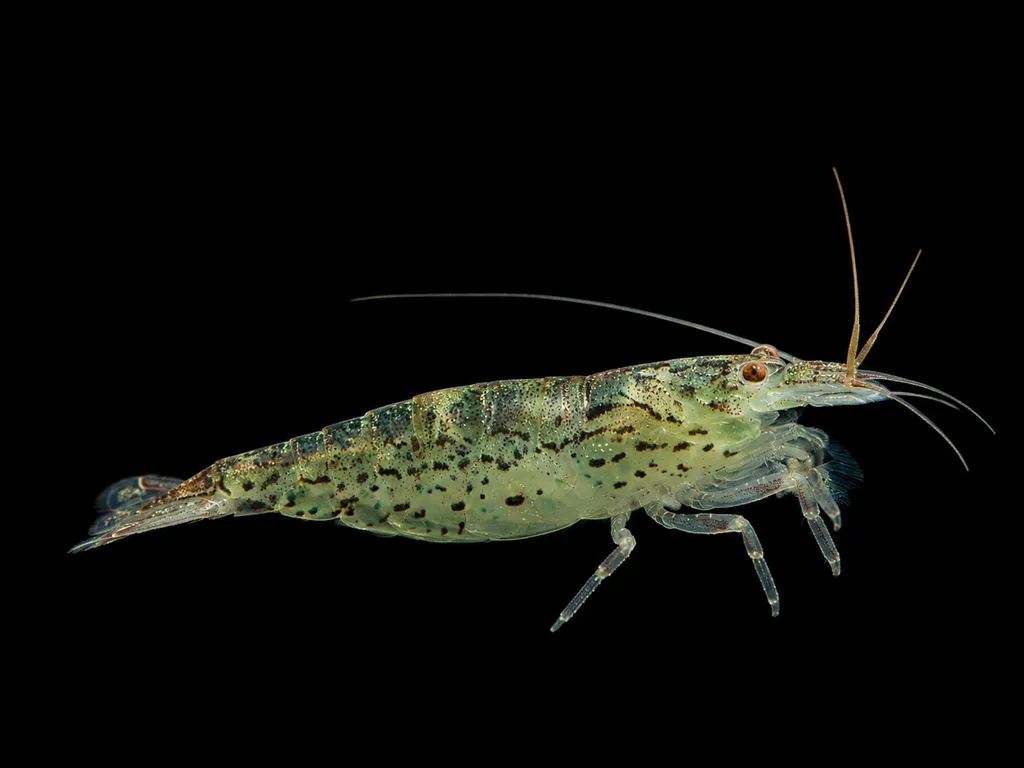
Green lace shrimp
Atyoida pilipes
Freshwater2.8 in (7 cm) · 14 gal (54 L)73–82°F (23–28°C)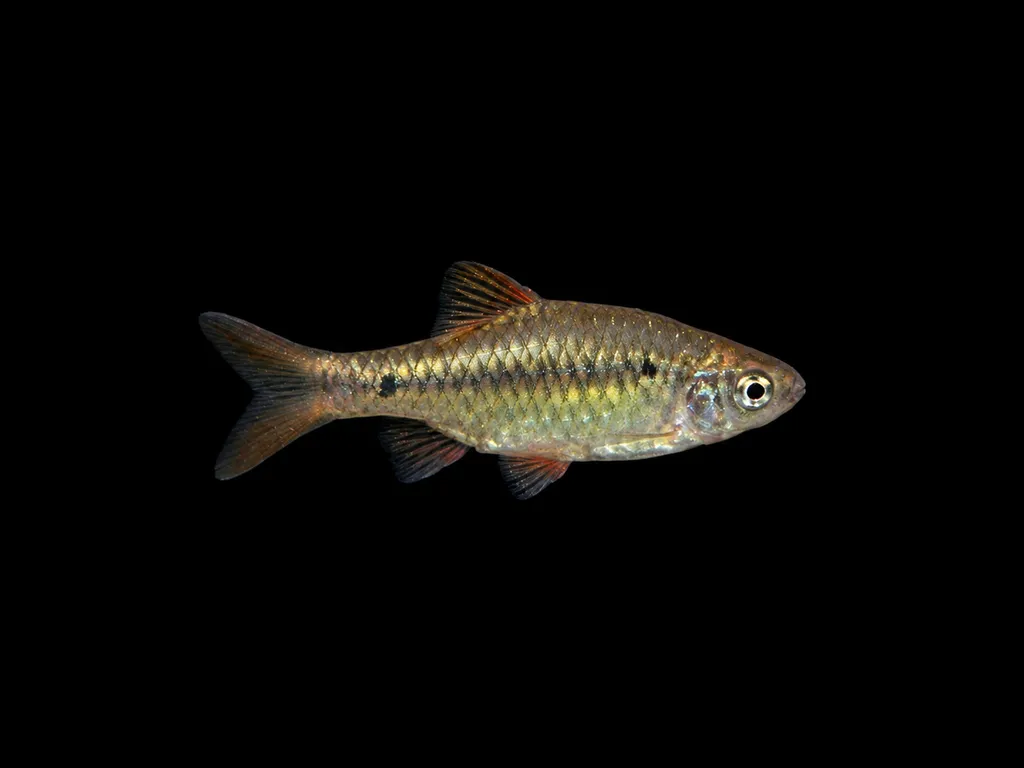
Manipur barb
Pethia manipurensis
Freshwater1.8 in (4.5 cm) · 14 gal (54 L)68–77°F (20–25°C)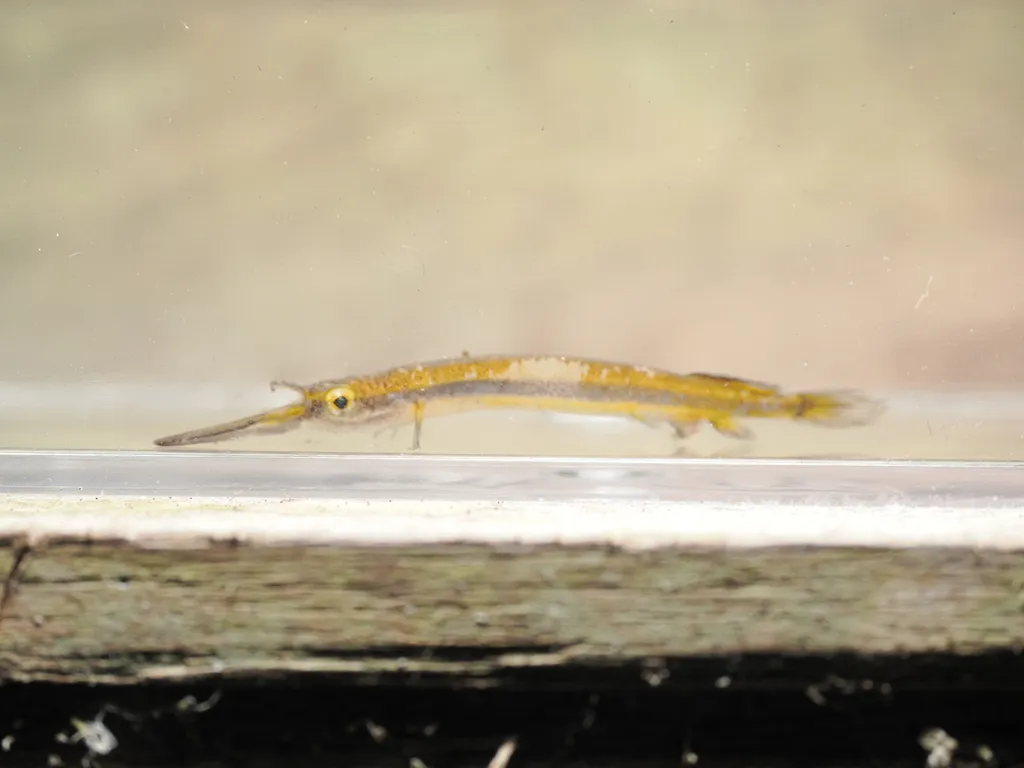
Gold-spotted halfbeak
Hemirhamphodon chrysopunctatus
Freshwater2.6 in (6.5 cm) · 14 gal (54 L)73–81°F (23–27°C)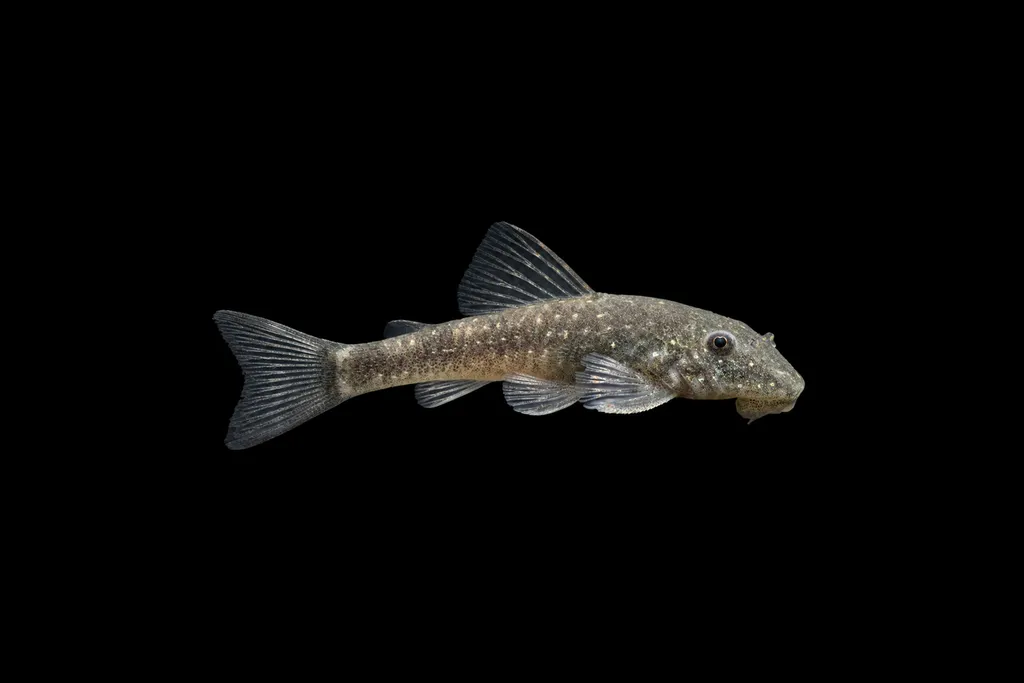
Bahia parotocinclus
Parotocinclus bahiensis
Freshwater1.6 in (4 cm) · 14 gal (54 L)72–81°F (22–27°C)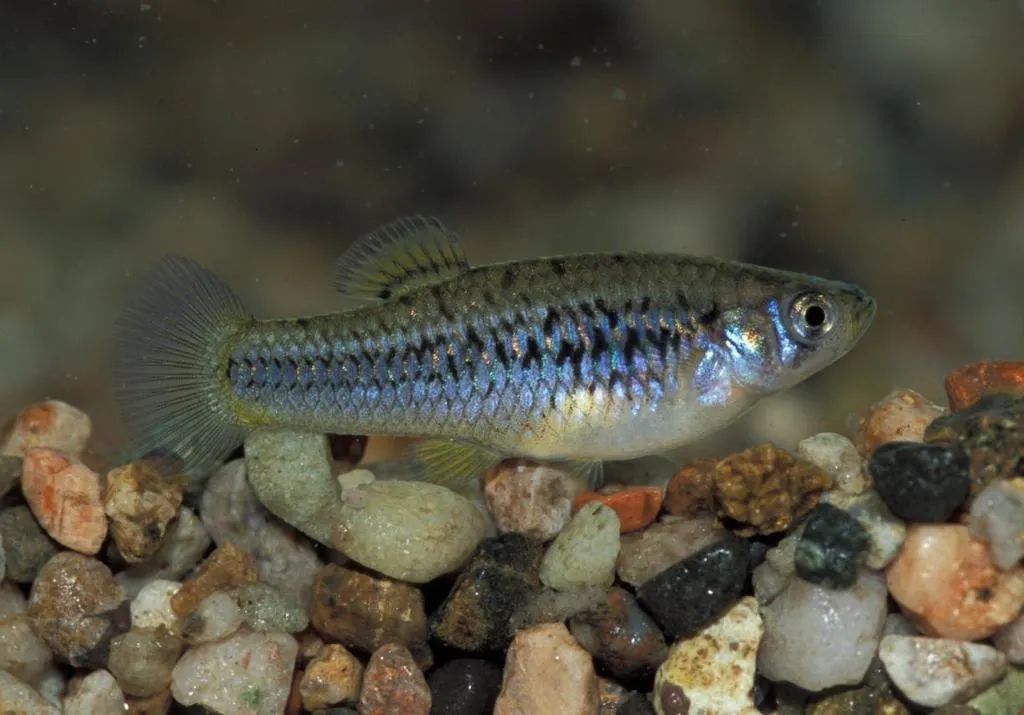
Crescent gambusia
Gambusia hurtadoi
Freshwater2 in (5 cm) · 14 gal (54 L)68–79°F (20–26°C)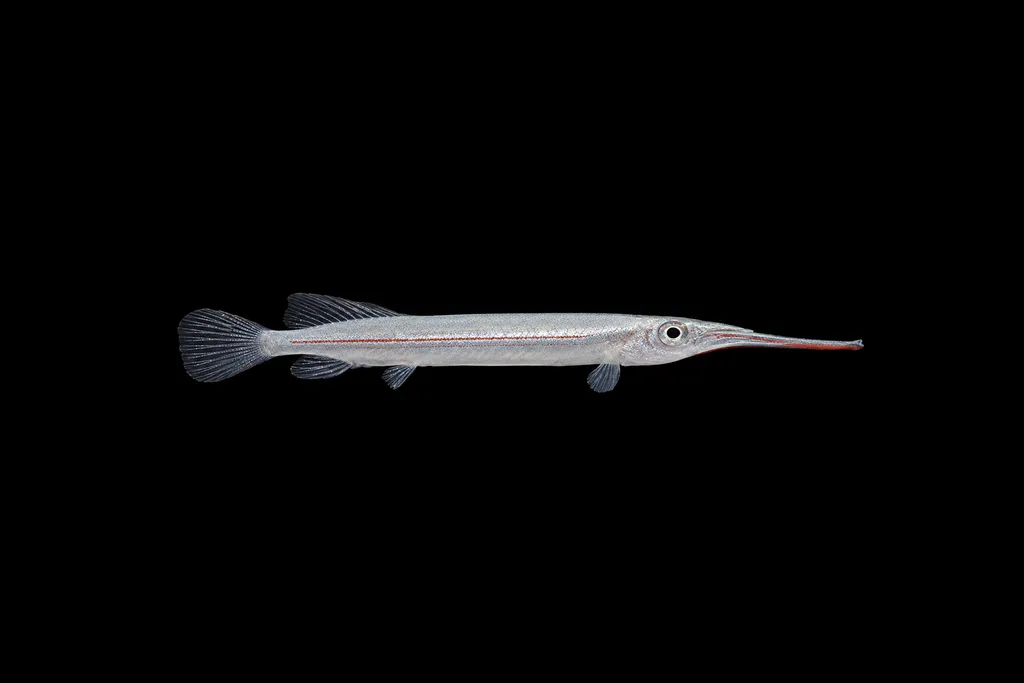
Fire halfbeak
Hemirhamphodon kapuasensis
Freshwater2.4 in (6 cm) · 14 gal (54 L)73–81°F (23–27°C)
Common questions
What size tank does a dwarf spineless eel need?
A dwarf spineless eel needs at least 14 gal (54 L). It spends most of its time in the bottom.
What temperature and pH does a dwarf spineless eel need?
A dwarf spineless eel is comfortable at 68–79°F (20–26°C) with a pH of 6.0–7.2.
What does a dwarf spineless eel eat?
A dwarf spineless eel eats tiny live and frozen foods, such as micro worms, grindal worms and small frozen bloodworm. Put them where it can find them, since it hunts at night.
How big does a dwarf spineless eel get?
An adult dwarf spineless eel reaches about 2.8 in (7 cm).
Related species
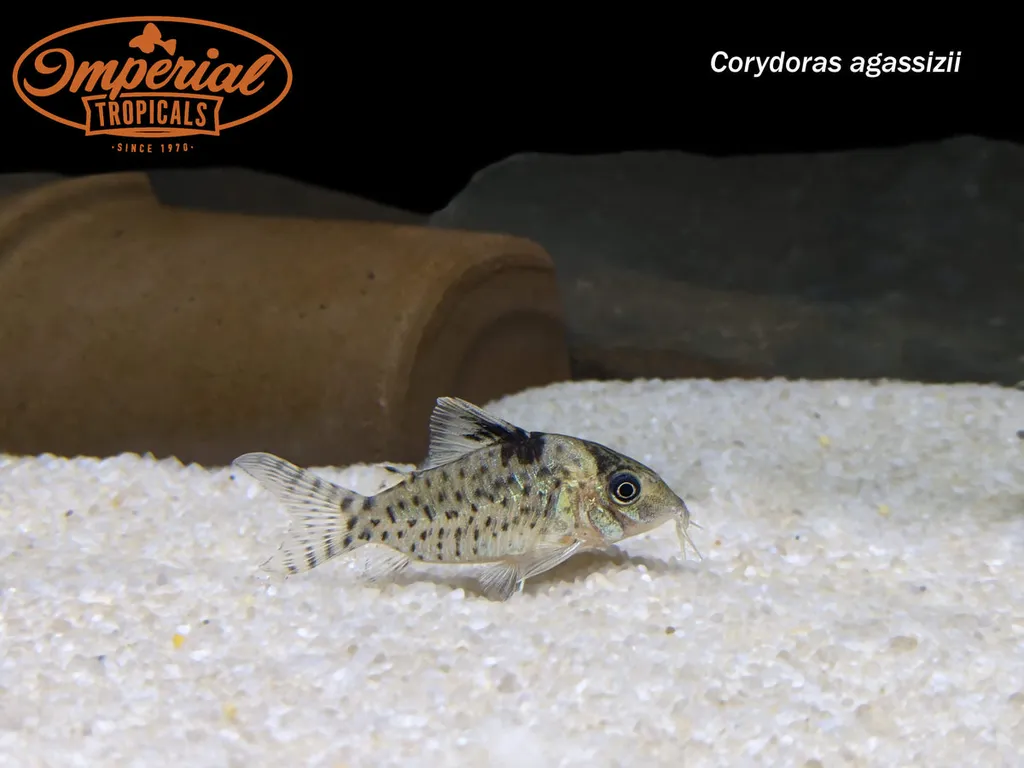 2.8 in (7 cm)24 gal (90 L)72–79°F (22–26°C)
Agassiz's cory
Brochis agassizii
2.8 in (7 cm) · 24 gal (90 L)
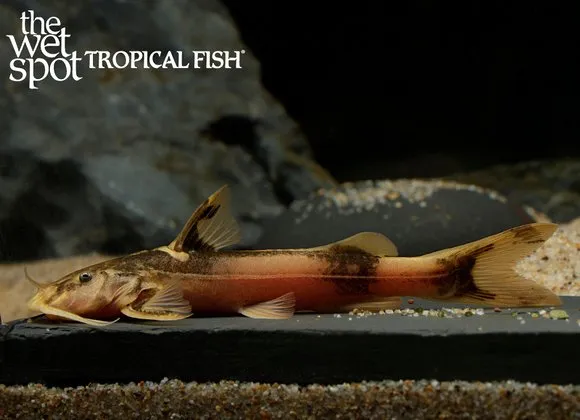 2.8 in (7 cm)29 gal (110 L)68–79°F (20–26°C)
Banded sisorid catfish
Glyptothorax buchanani
2.8 in (7 cm) · 29 gal (110 L)
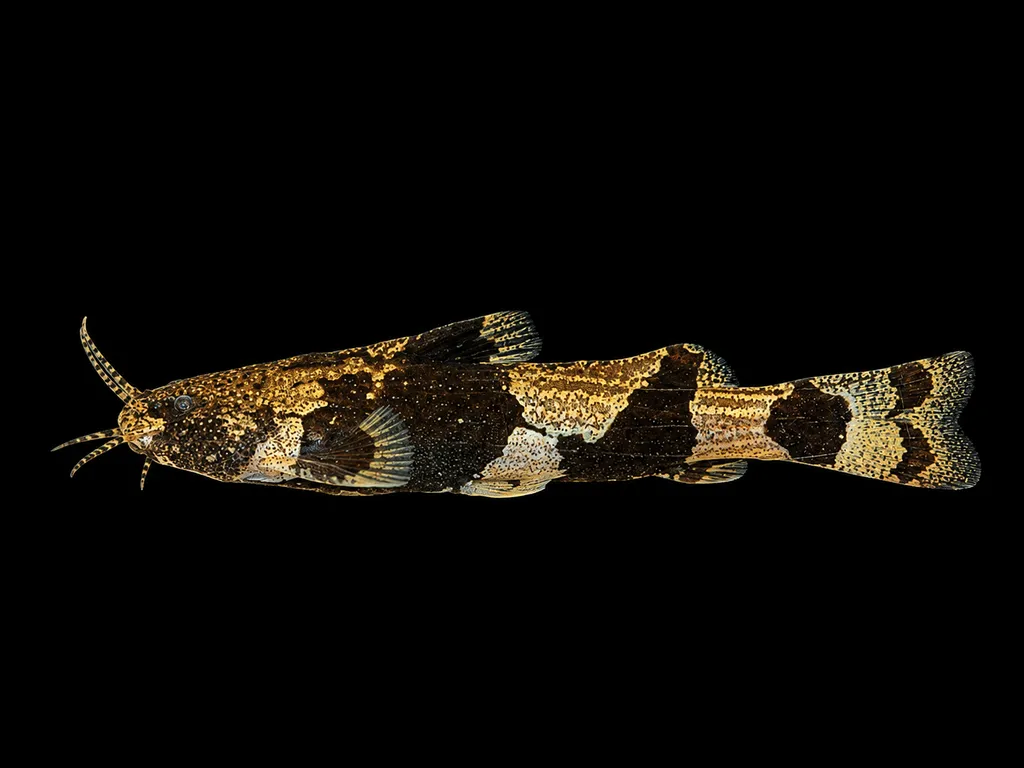 2.8 in (7 cm)14 gal (54 L)72–79°F (22–26°C)
Burmese marble bee catfish
Akysis prashadi
2.8 in (7 cm) · 14 gal (54 L)
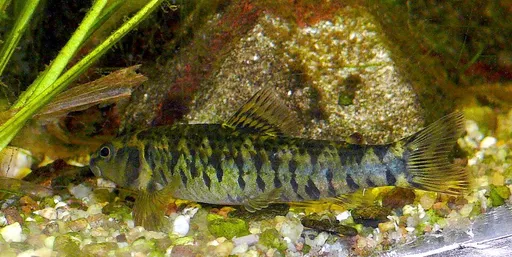 2.8 in (7 cm)16 gal (60 L)68–79°F (20–26°C)
Darter tetra
Characidium fasciatum
2.8 in (7 cm) · 16 gal (60 L)
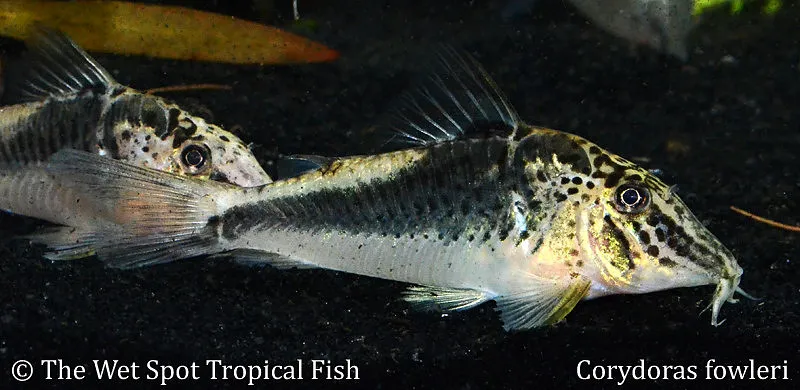 2.8 in (7 cm)26 gal (100 L)72–79°F (22–26°C)
Fowler's cory
Corydoras fowleri
2.8 in (7 cm) · 26 gal (100 L)
 2.8 in (7 cm)20 gal (75 L)75–82°F (24–28°C)
Green farlowella
Acestridium dichromum
2.8 in (7 cm) · 20 gal (75 L)