Sunset dwarf cichlid
Apistogramma atahualpa
Also known as Sunset apisto, Inca apisto
FreshwaterFish
Care at a glance
- Temperature
- 75–82°F
- 24–28°C
- pH
- 4.8–6.5
- Adult size
- 2.2 in
- 5.5 cm
- Minimum tank
- 16 gal
- 60 L
- Temperament
- Mostly peaceful
- Social behavior
- Social
- Swim level
- Bottom
- Difficulty
- Medium
- Breeding
- Cave spawner · Medium
- Rarity
- Rare
- Family
- Cichlidae
- Origin
- Rio Nanay basin near Iquitos, Loreto, Peru
Overview
The sunset dwarf cichlid is a small, mostly peaceful apisto for the bottom of a soft, acidic blackwater tank. It is a good step up from beginner fish.
Did you know
A brooding female sunset dwarf cichlid does sentry duty from inside a leaf-litter cave. She will headbutt fingers, siphons and fish many times her size.
Caring for the sunset dwarf cichlid
House a pair of sunset dwarf cichlids in at least 16 gal (60 L), with at least two caves. Each female claims a tight territory around her spawning site. Use sand with a deep leaf layer and tangles of wood.
Keep the water soft and acidic, at 75 to 82°F (24 to 28°C) and a pH of 4.8 to 6.5. Dim, tannin-stained water brings out the orange body color behind its common name. It eats small live and frozen foods readily and learns to take sinking prepared food.
The sunset dwarf cichlid is mostly peaceful and keeps to the bottom. Calm midwater dithers such as pencilfish help the pair feel safe enough to stay out.
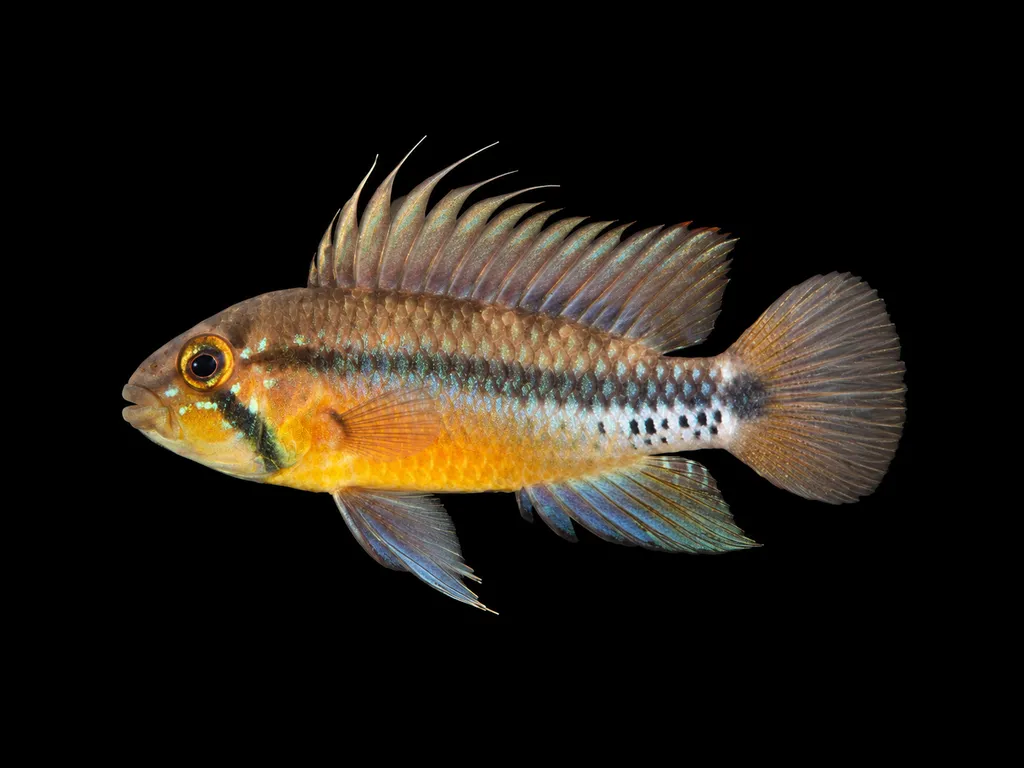
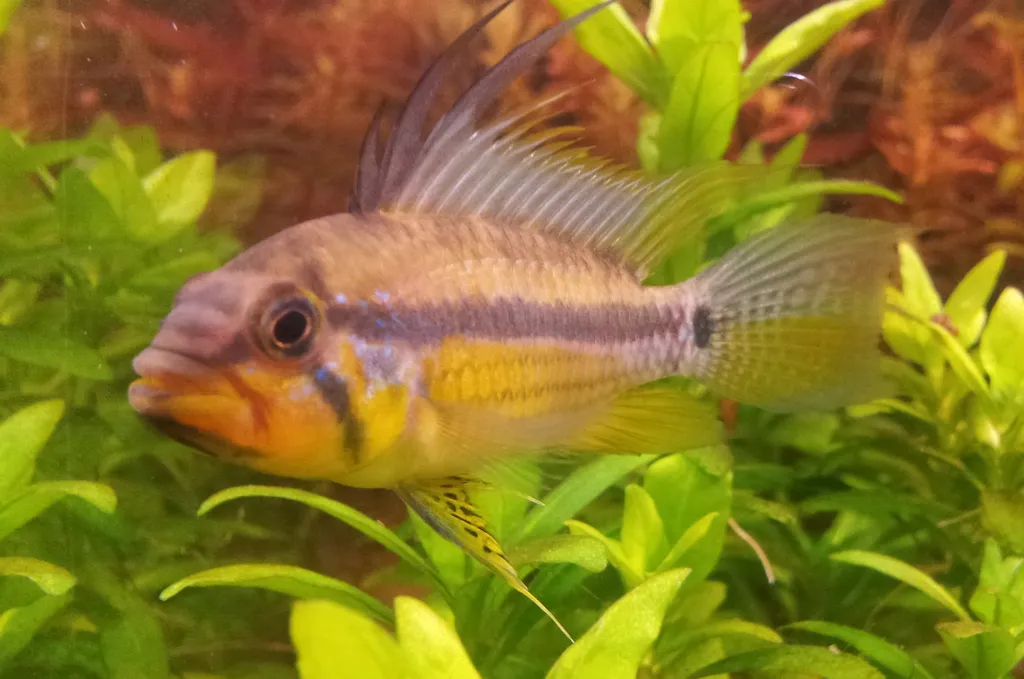
Males have a smoky orange body and a bold dark shoulder blotch. Females turn brilliant yellow with a black chest band when they guard the brood from a cave. Soft water is a must for breeding, since eggs fail in hard water. They are moderately hard to breed.
Good to know
The sunset dwarf cichlid, Apistogramma atahualpa, is a member of the cichlid family, Cichlidae, described by Uwe Römer in 1997. It is named for Atahualpa, the last Inca emperor. The hobby traded it as the sunset apisto before it was described.
In the wild
The sunset dwarf cichlid lives in the Rio Nanay system near Iquitos, Peru. The Nanay is a blackwater river over white sand, and the fish shelters in banks of sunken leaves.
Weekly picks
Tank mates
The sunset dwarf cichlid is a mostly peaceful, social species that keeps to the bottom. These picks share a community profile with it, are safe together in both directions, and overlap on water type, temperature and pH.
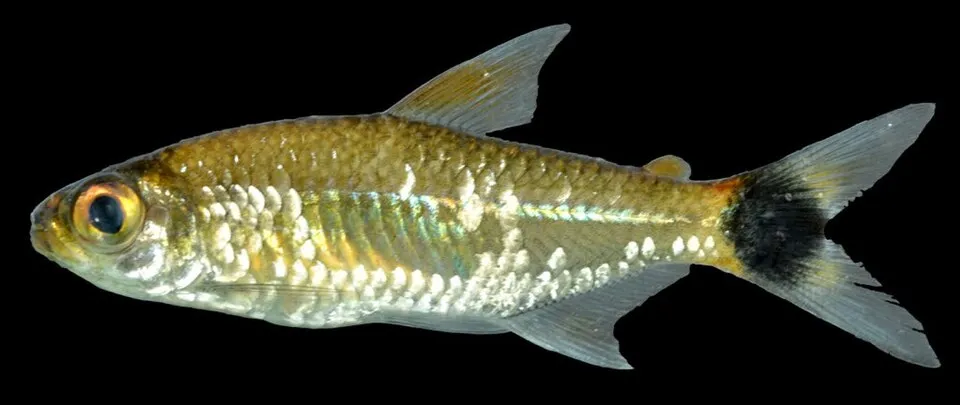
Ceros tetra
Moenkhausia ceros
Freshwater2 in (5 cm) · 16 gal (60 L)75–82°F (24–28°C)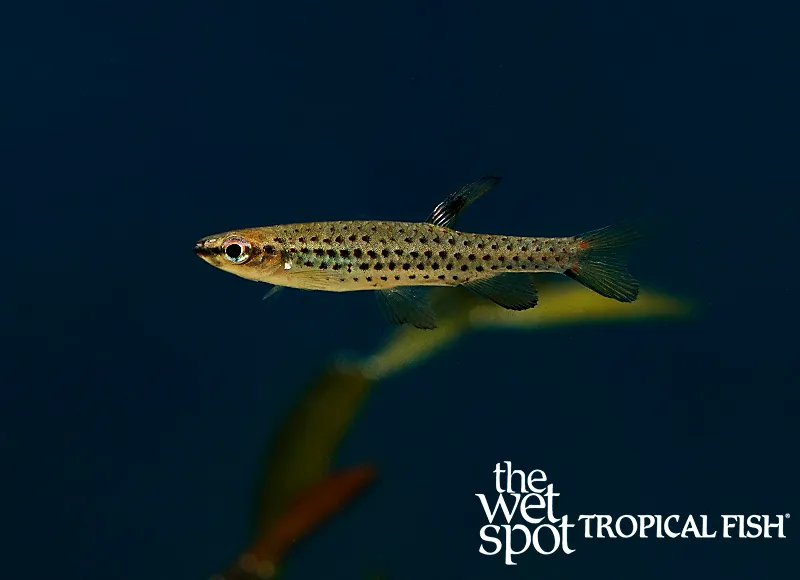
Spotted splash tetra
Copella nattereri
Freshwater2 in (5 cm) · 16 gal (60 L)75–82°F (24–28°C)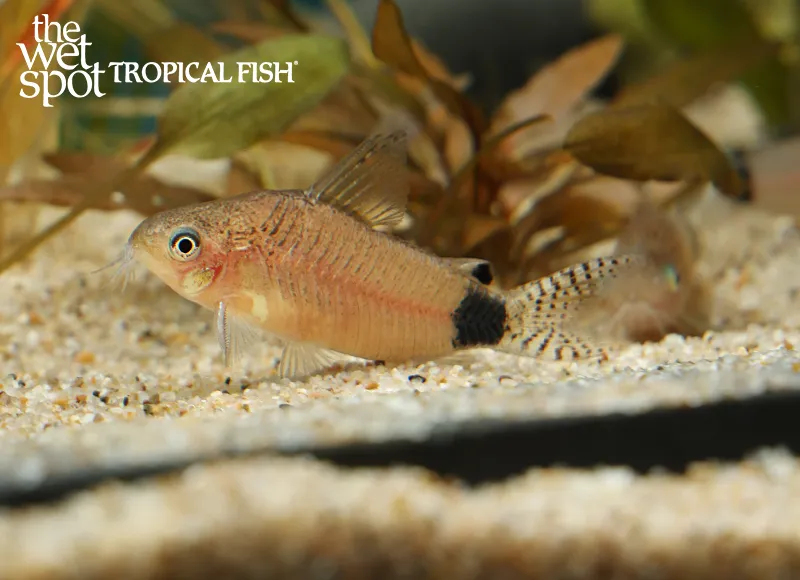
Guapore cory
Gastrodermus guapore
Freshwater2 in (5 cm) · 16 gal (60 L)72–82°F (22–28°C)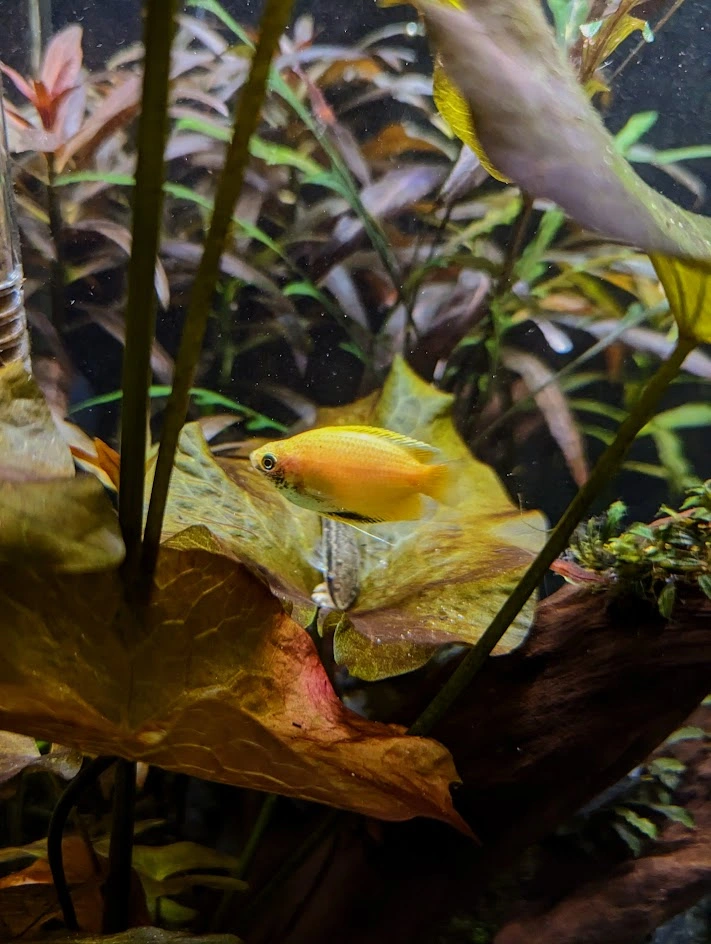
Honey gourami
Trichogaster chuna
Freshwater2 in (5 cm) · 14 gal (54 L)72–82°F (22–28°C)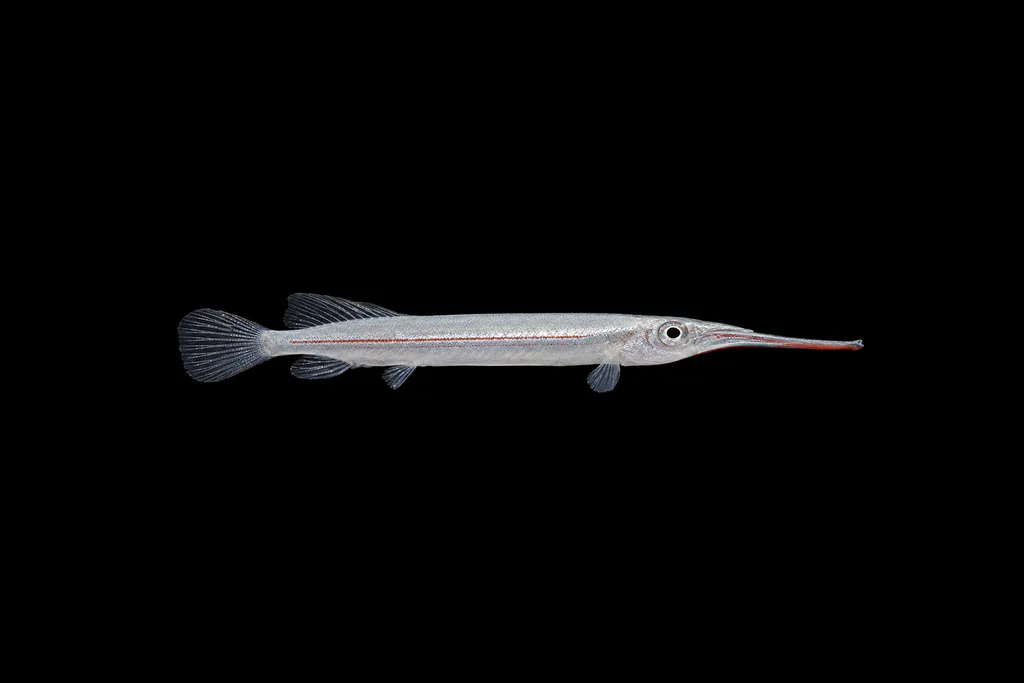
Fire halfbeak
Hemirhamphodon kapuasensis
Freshwater2.4 in (6 cm) · 14 gal (54 L)73–81°F (23–27°C)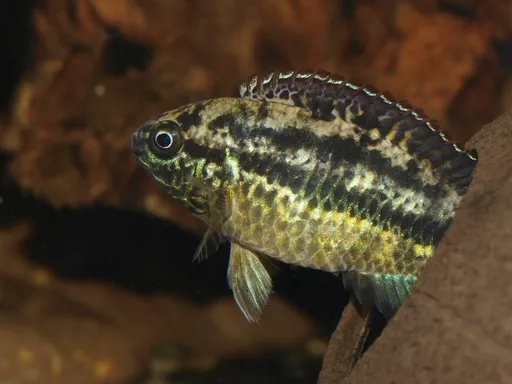
Golden dwarf cichlid
Nannacara anomala
Freshwater3.1 in (8 cm) · 16 gal (60 L)72–82°F (22–28°C)
Common questions
What size tank does a sunset dwarf cichlid need?
A sunset dwarf cichlid needs at least 16 gal (60 L). It spends most of its time in the bottom.
What temperature and pH does a sunset dwarf cichlid need?
A sunset dwarf cichlid is comfortable at 75–82°F (24–28°C) with a pH of 4.8–6.5.
What does a sunset dwarf cichlid eat?
A sunset dwarf cichlid eats small live and frozen foods readily, and it learns to take sinking prepared food.
How big does a sunset dwarf cichlid get?
An adult sunset dwarf cichlid reaches about 2.2 in (5.5 cm).
How can you tell a male sunset dwarf cichlid from a female?
Males have a smoky orange body and a bold dark shoulder blotch. Females turn brilliant yellow with a black chest band while they guard fry.
How does a sunset dwarf cichlid breed?
Sunset dwarf cichlid females claim tight territories around their spawning sites and guard the brood from a cave. Eggs fail in hard water, so breeding needs soft water.
Related species
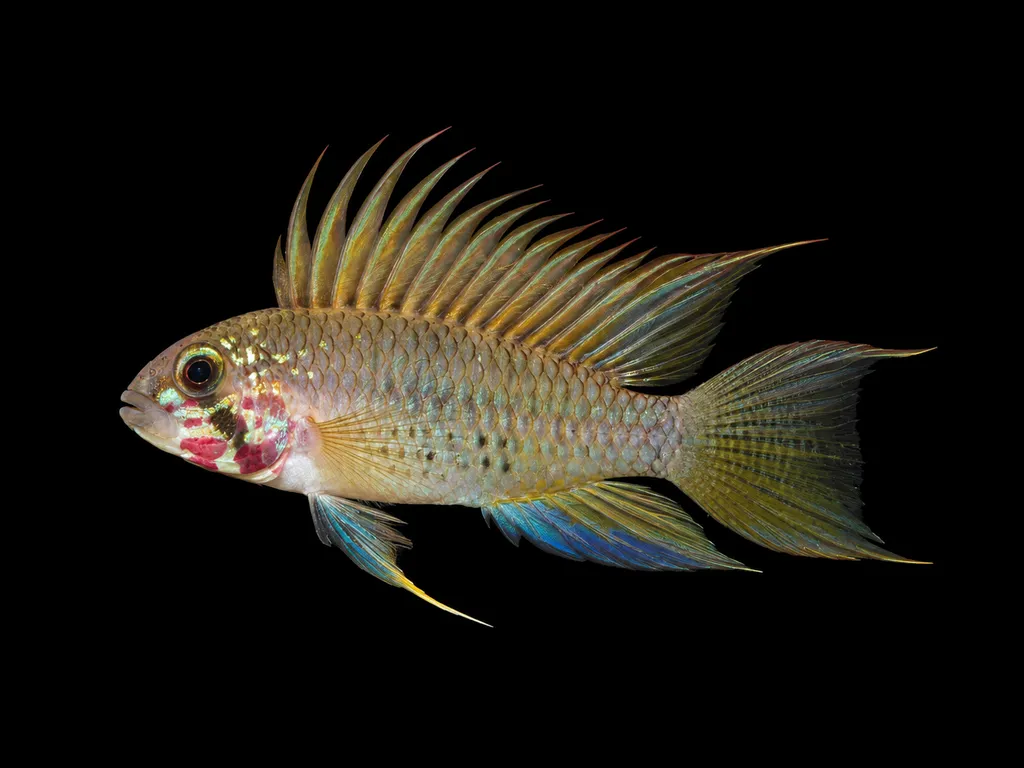 2.2 in (5.5 cm)16 gal (60 L)77–84°F (25–29°C)
Piaroa dwarf cichlid
Apistogramma piaroa
2.2 in (5.5 cm) · 16 gal (60 L)
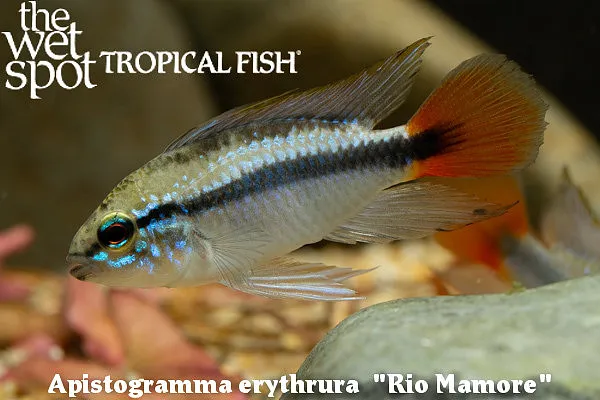 2.2 in (5.5 cm)16 gal (60 L)73–81°F (23–27°C)
Red-tail dwarf cichlid
Apistogramma erythrura
2.2 in (5.5 cm) · 16 gal (60 L)
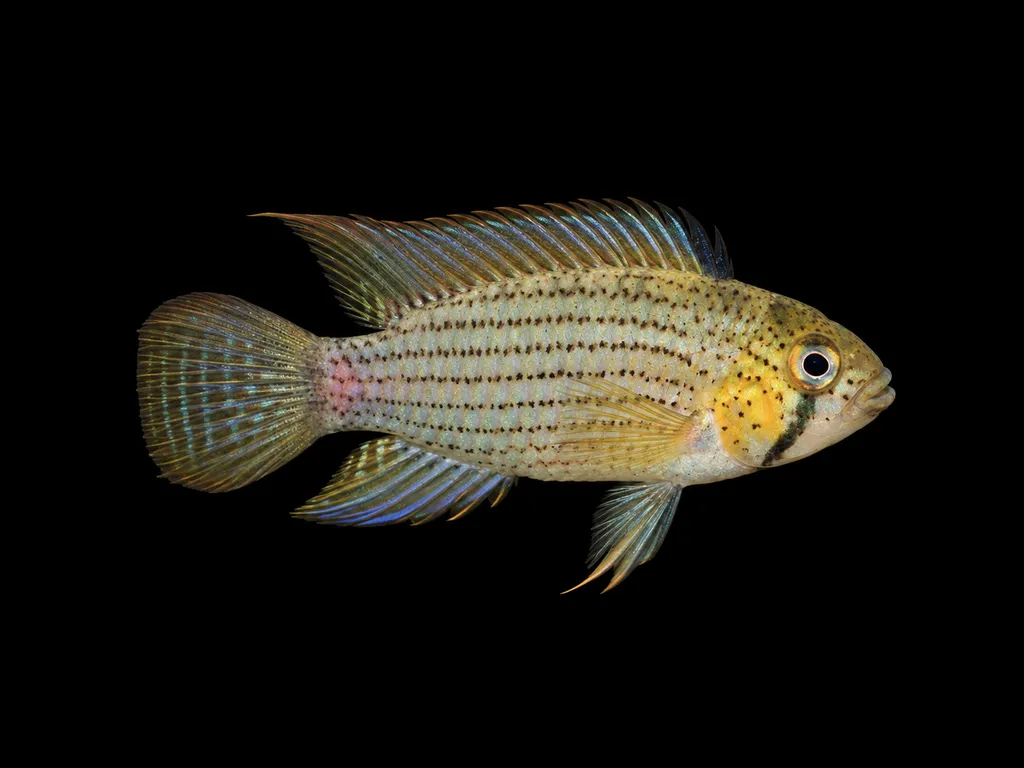 2.2 in (5.5 cm)16 gal (60 L)77–84°F (25–29°C)
Tucurui dwarf cichlid
Apistogramma tucurui
2.2 in (5.5 cm) · 16 gal (60 L)
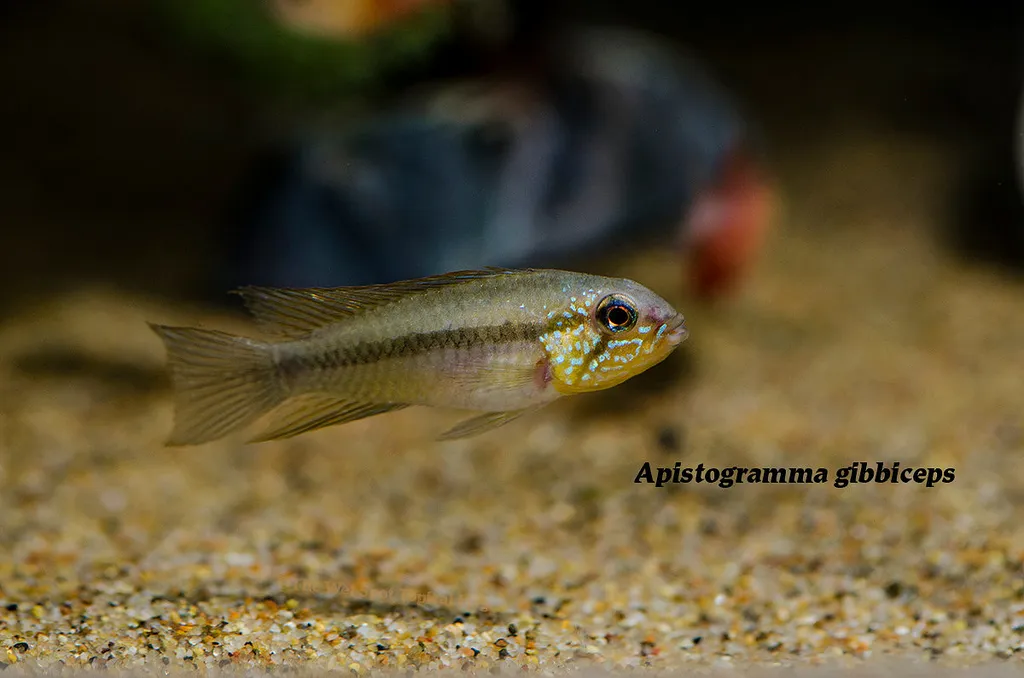 2.2 in (5.5 cm)16 gal (60 L)77–84°F (25–29°C)
Yellow-cheek dwarf cichlid
Apistogramma gibbiceps
2.2 in (5.5 cm) · 16 gal (60 L)
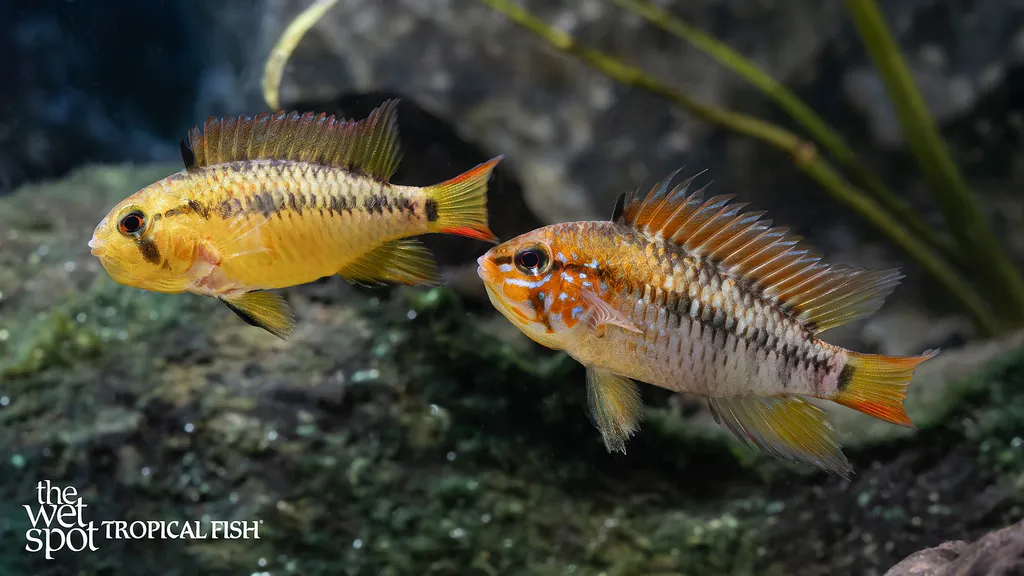 2.4 in (6 cm)20 gal (75 L)75–82°F (24–28°C)
Macmaster's dwarf cichlid
Apistogramma macmasteri
2.4 in (6 cm) · 20 gal (75 L)
 2 in (5 cm)16 gal (60 L)75–82°F (24–28°C)
Allpahuayo dwarf cichlid
Apistogramma allpahuayo
2 in (5 cm) · 16 gal (60 L)