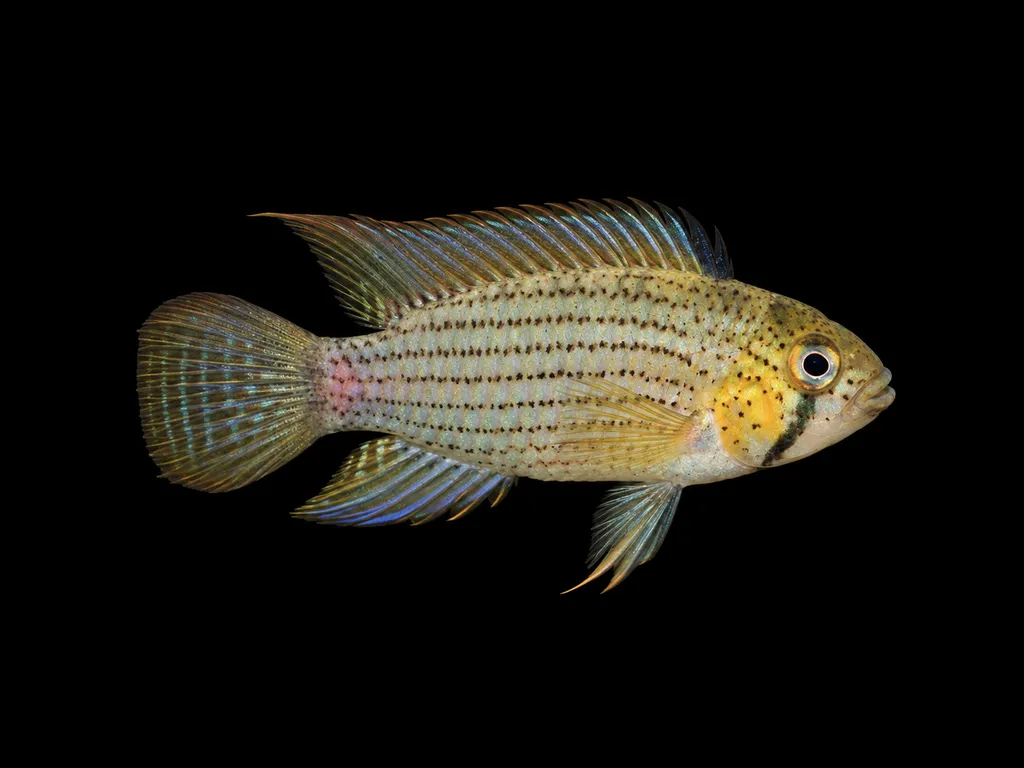
Tucurui dwarf cichlid
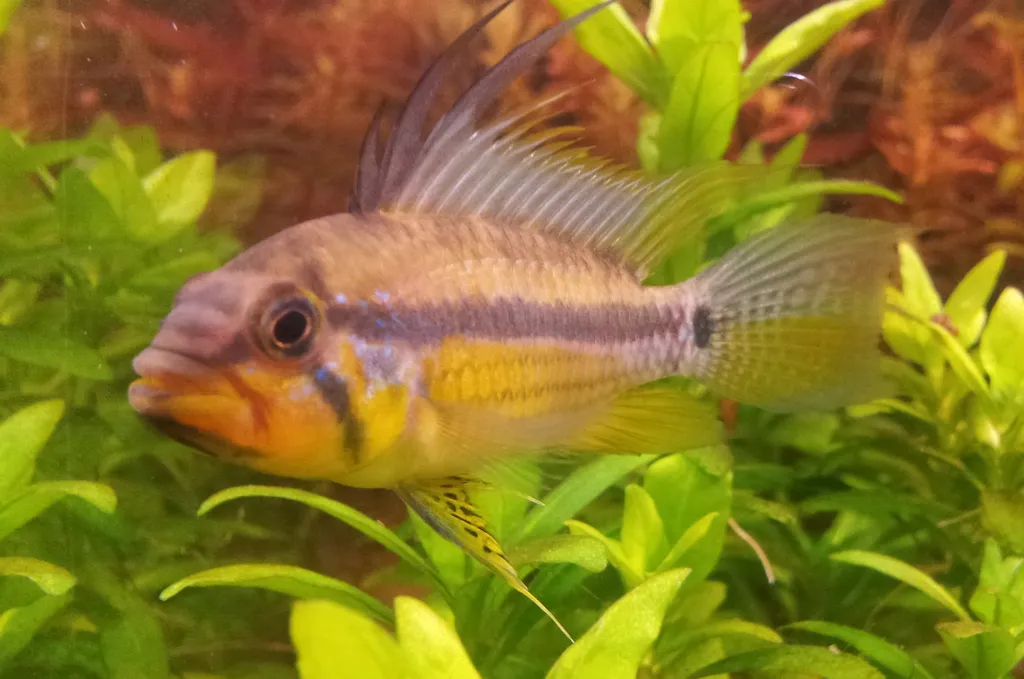
Apistogramma tucurui
Also known as Tocantins apisto
FreshwaterFish
Care at a glance
- Temperature
- 77–84°F
- 25–29°C
- pH
- 5.0–6.8
- Adult size
- 2.2 in
- 5.5 cm
- Minimum tank
- 16 gal
- 60 L
- Temperament
- Mostly peaceful
- Social behavior
- Social
- Swim level
- Bottom
- Difficulty
- Medium
- Breeding
- Cave spawner · Hard
- Rarity
- Rare
- Family
- Cichlidae
- Origin
- Lower Rio Tocantins around Tucurui, Para, Brazil
Overview
The Tucurui dwarf cichlid is a small, mostly peaceful apisto for a soft-water tank. It is a step up from the easiest fish and suits a keeper with a little experience.
Did you know
The Tucurui dwarf cichlid is named for the dam town that flooded part of its home range. The reminder is written straight into its species name.
Caring for the Tucurui dwarf cichlid
Keep a pair of Tucurui dwarf cichlids in 16 gal (60 L) or more, with heavy cover. Give them the usual apisto frame of sand, leaves, caves and subdued light. They stay near the bottom.
Keep the water soft and warm, at 77 to 84°F (25 to 29°C) with a pH of 5.0 to 6.8. Feed frozen foods and fine dry foods. The fish are mostly peaceful and safe with community tank mates.
Pairs follow the standard cave-spawning script in soft, warm water, though breeding them is hard. Collections from the lower Tocantins are rare, so hobby lines carry weight. Raise the broods when you get them. Keep notes on your population's look, since forms vary along the river.
Good to know
Wolfgang Staeck described the Tucurui dwarf cichlid in 2003, from a region transformed by the Tucurui dam. That dam is one of the largest hydroelectric projects in the Amazon. The species belongs to the regani lineage of the cichlid family, Cichlidae. With its floodplain habitat altered, documented captive populations are more than a curiosity.
In the wild
The Tucurui dwarf cichlid comes from the lower Rio Tocantins around the Tucurui reservoir, in Para, Brazil. It lives in litter-lined stream mouths and shore shallows, in warm, soft water.
Weekly picks
Tank mates
The Tucurui dwarf cichlid is a mostly peaceful, social species that keeps to the bottom. These picks share a community profile with it, are safe together in both directions, and overlap on water type, temperature and pH.
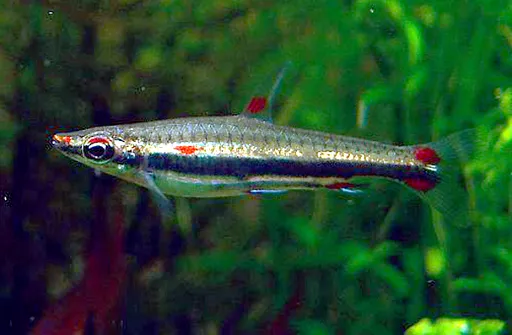
Harrison's pencilfish
Nannostomus harrisoni
Freshwater2.2 in (5.5 cm) · 16 gal (60 L)73–82°F (23–28°C)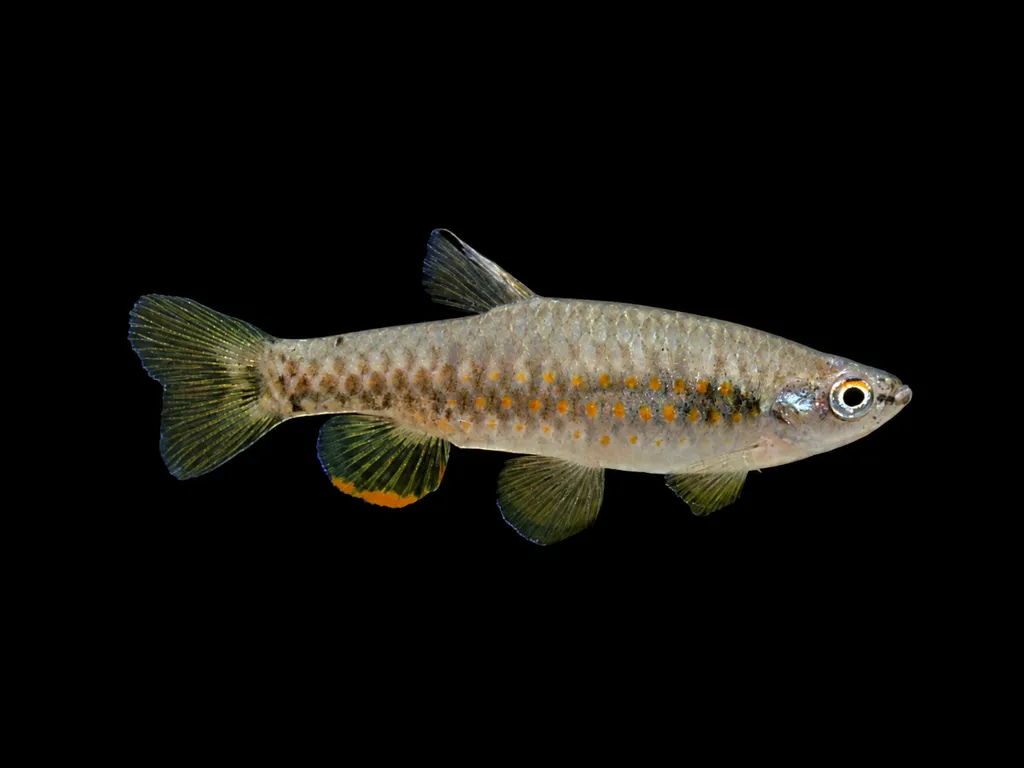
Fanning characin
Pyrrhulina rachoviana
Freshwater2 in (5 cm) · 16 gal (60 L)68–79°F (20–26°C)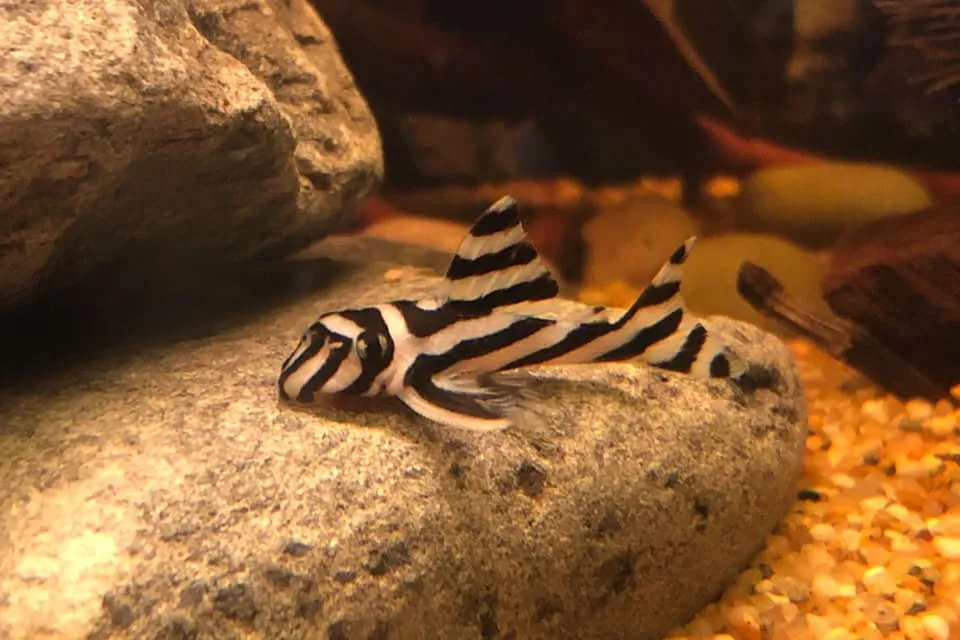
Zebra pleco
Hypancistrus zebra
Freshwater3.1 in (8 cm) · 15 gal (55 L)79–86°F (26–30°C)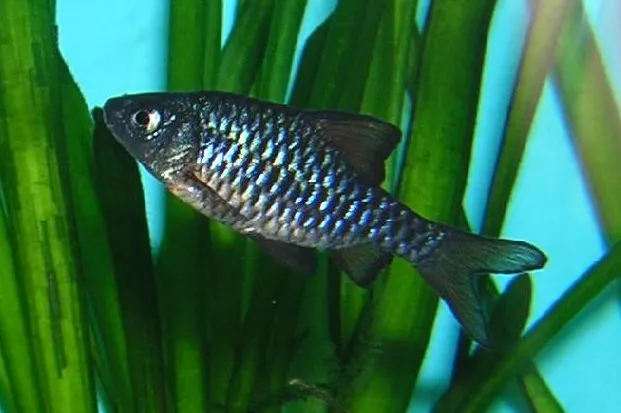
Checkered barb
Oliotius oligolepis
Freshwater1.8 in (4.5 cm) · 16 gal (60 L)68–79°F (20–26°C)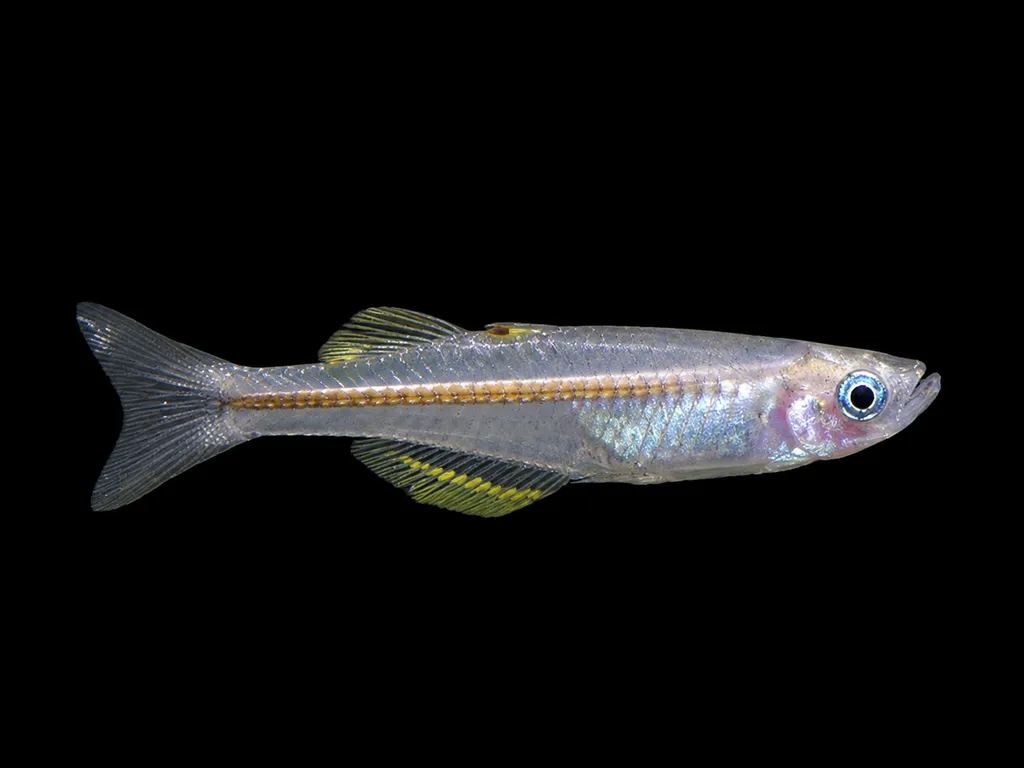
New Guinea blue-eye
Pseudomugil novaeguineae
Freshwater1.8 in (4.5 cm) · 15 gal (55 L)79–86°F (26–30°C)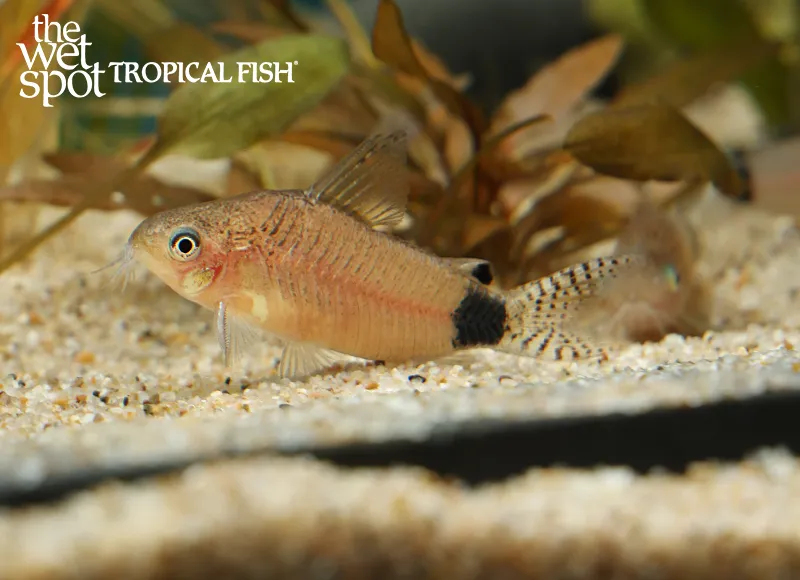
Guapore cory
Gastrodermus guapore
Freshwater2 in (5 cm) · 16 gal (60 L)72–82°F (22–28°C)
Common questions
What size tank does a Tucurui dwarf cichlid need?
A Tucurui dwarf cichlid needs at least 16 gal (60 L). It spends most of its time in the bottom.
What temperature and pH does a Tucurui dwarf cichlid need?
A Tucurui dwarf cichlid is comfortable at 77–84°F (25–29°C) with a pH of 5.0–6.8.
What does a Tucurui dwarf cichlid eat?
A Tucurui dwarf cichlid eats frozen foods and fine dry foods.
How big does a Tucurui dwarf cichlid get?
An adult Tucurui dwarf cichlid reaches about 2.2 in (5.5 cm).
Related species
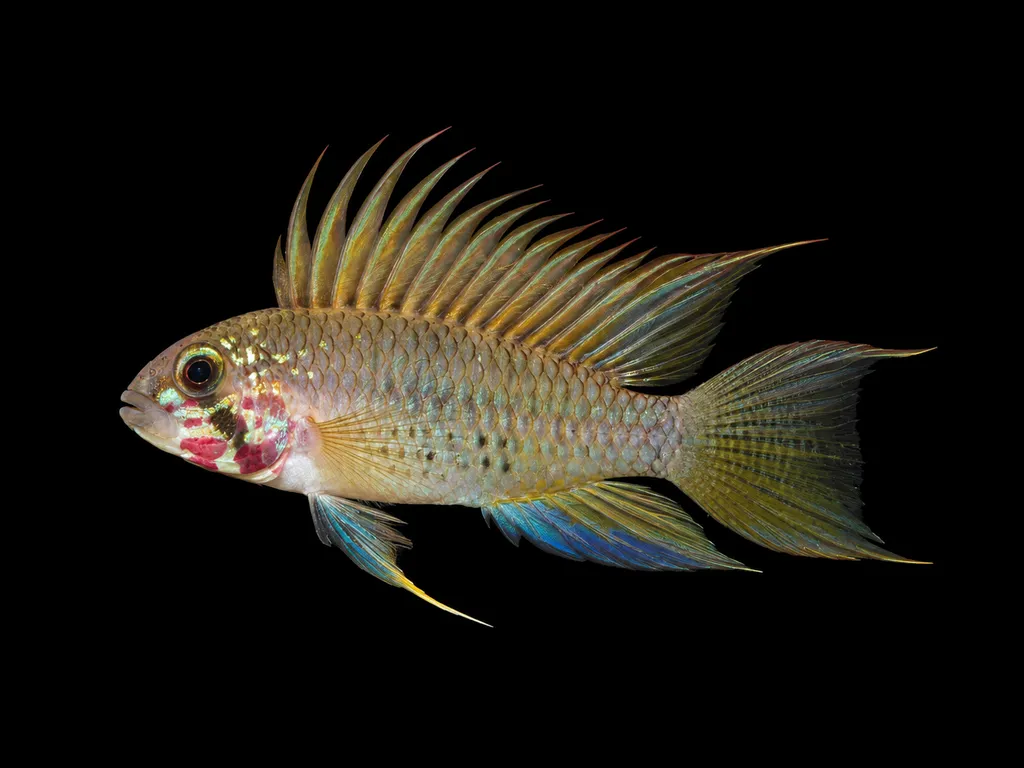 2.2 in (5.5 cm)16 gal (60 L)77–84°F (25–29°C)
Piaroa dwarf cichlid
Apistogramma piaroa
2.2 in (5.5 cm) · 16 gal (60 L)
 2.2 in (5.5 cm)16 gal (60 L)73–81°F (23–27°C)
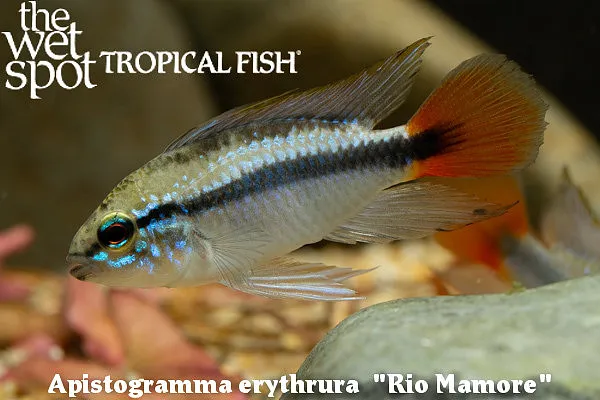
Red-tail dwarf cichlid
Apistogramma erythrura
2.2 in (5.5 cm) · 16 gal (60 L)
 2.2 in (5.5 cm)16 gal (60 L)75–82°F (24–28°C)
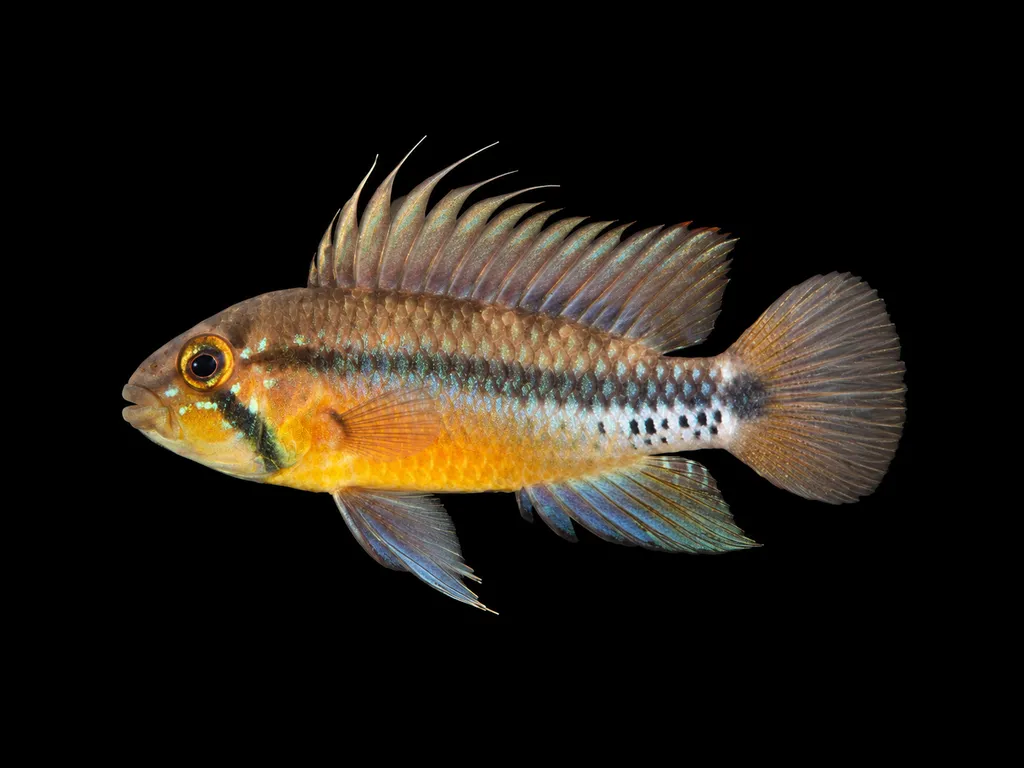
Sunset dwarf cichlid
Apistogramma atahualpa
2.2 in (5.5 cm) · 16 gal (60 L)
 2.2 in (5.5 cm)16 gal (60 L)77–84°F (25–29°C)
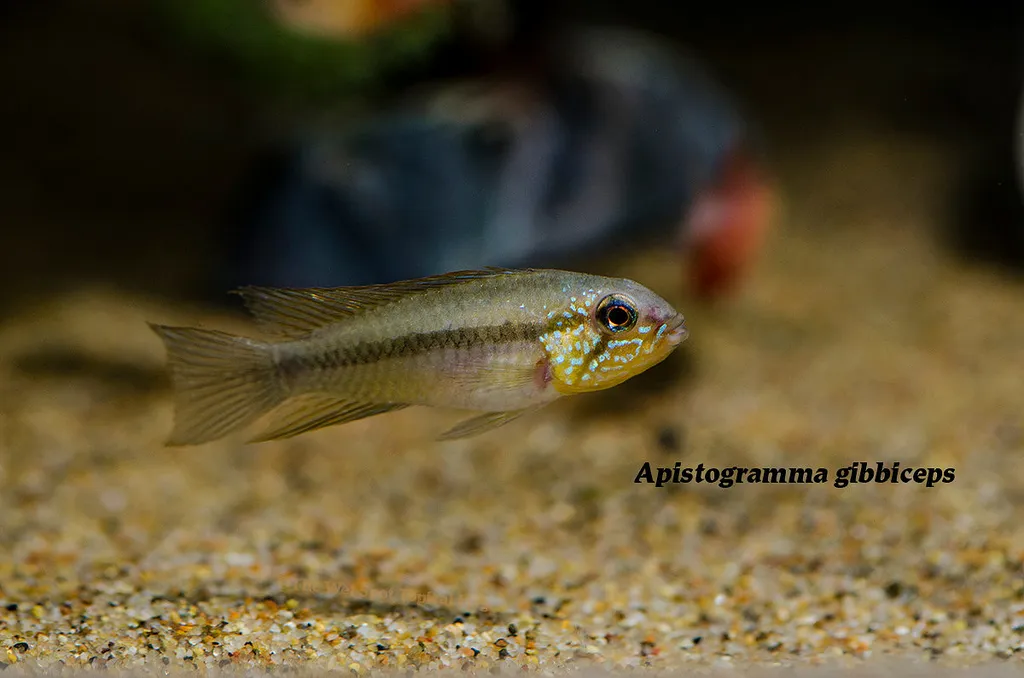
Yellow-cheek dwarf cichlid
Apistogramma gibbiceps
2.2 in (5.5 cm) · 16 gal (60 L)
 2.4 in (6 cm)20 gal (75 L)75–82°F (24–28°C)
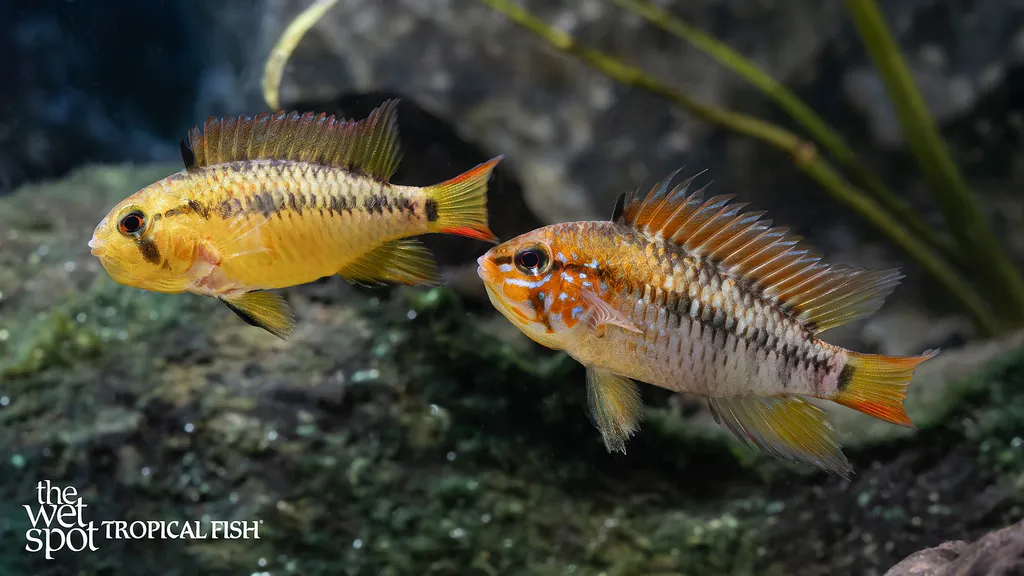
Macmaster's dwarf cichlid
Apistogramma macmasteri
2.4 in (6 cm) · 20 gal (75 L)
 2 in (5 cm)16 gal (60 L)75–82°F (24–28°C)
Allpahuayo dwarf cichlid
Apistogramma allpahuayo
2 in (5 cm) · 16 gal (60 L)