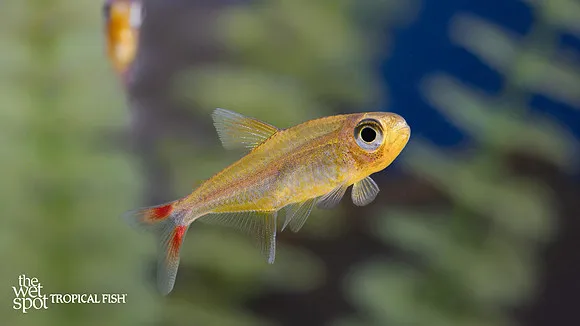
Red flush tetra
Hemigrammus stictus
Also known as Red-base tetra, Redflush tetra
FreshwaterFish
Care at a glance
- Temperature
- 73–82°F
- 23–28°C
- pH
- 5.5–7.5
- Adult size
- 2 in
- 5 cm
- Minimum tank
- 20 gal
- 75 L
- Temperament
- Peaceful
- Social behavior
- Schooling
- Swim level
- Middle
- Difficulty
- Easy
- Breeding
- Medium
- Rarity
- Rare
- Family
- Characidae
- Origin
- Ranges through the Amazon basin and the Guianas in northern South America.
Overview
Keep a group of at least 8, since good numbers deepen the red coloring and keep the fish bold. It is a hardy, peaceful community fish that suits most soft to moderately hard setups. The red glows strongest over dark substrate in well planted tanks.
In the wild
Lives in clear and blackwater streams and flooded areas of the Amazon and Guianas. It shoals in the middle water among wood, roots, and marginal plants. The water tends to be warm, soft, and slightly acidic.
Good to know
Hemigrammus stictus is a sturdy tetra reaching about 5 cm, with a bright red flush at the base of the tail and a red wash over the shoulder and gill area. A dark spot sits at the tail base. It is a member of the large genus Hemigrammus.
Did you know
The vivid red patch at the tail base gives the fish its name and lights up when a settled group is in good condition.
Weekly picks
Tank mates
Red flush tetra is a peaceful, schooling species that keeps to the middle. These picks share a community profile with it, are safe together in both directions, and overlap on water type, temperature and pH.
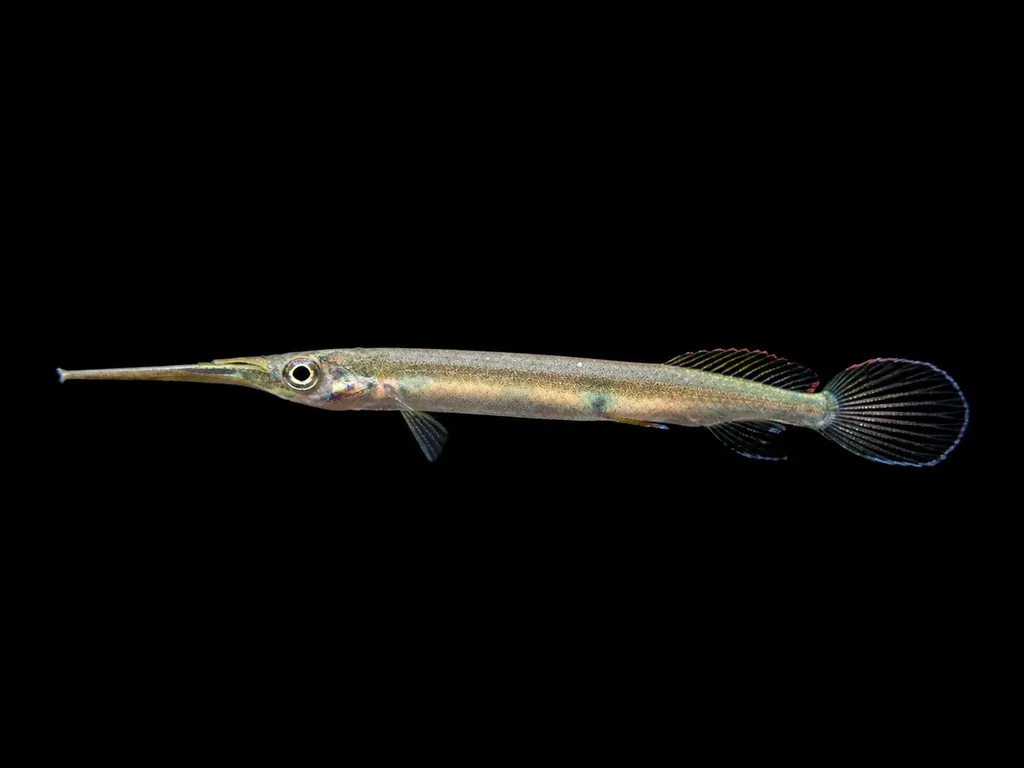
Kuekenthal's halfbeak
Hemirhamphodon kuekenthali
Freshwater3.3 in (8.5 cm) · 20 gal (75 L)73–81°F (23–27°C)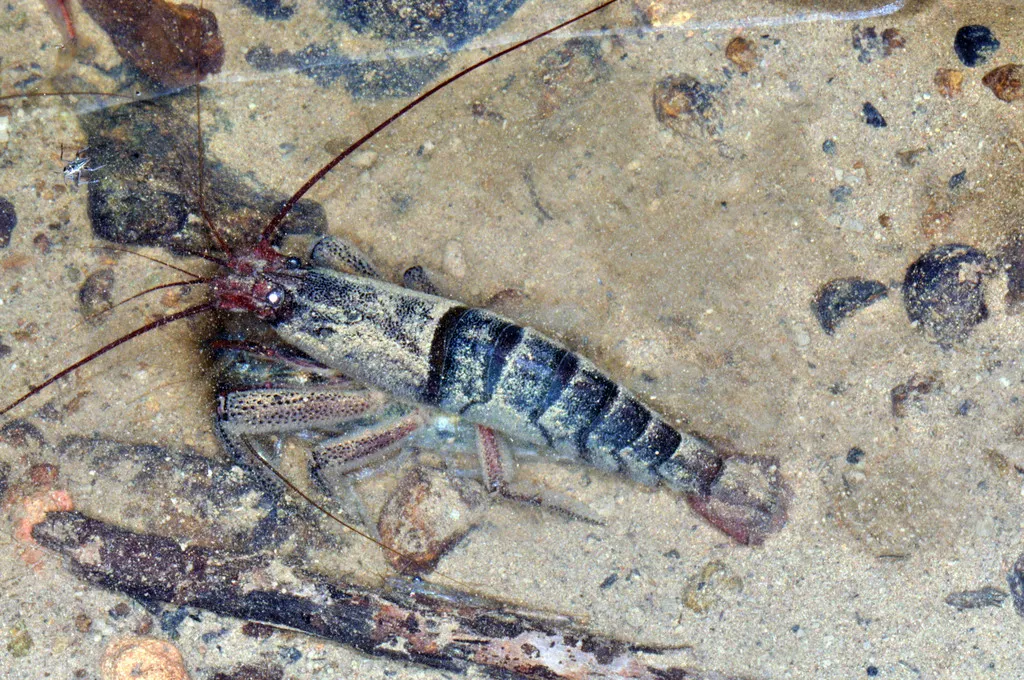
Marble wood shrimp
Atya scabra
Freshwater3.9 in (10 cm) · 20 gal (75 L)73–82°F (23–28°C)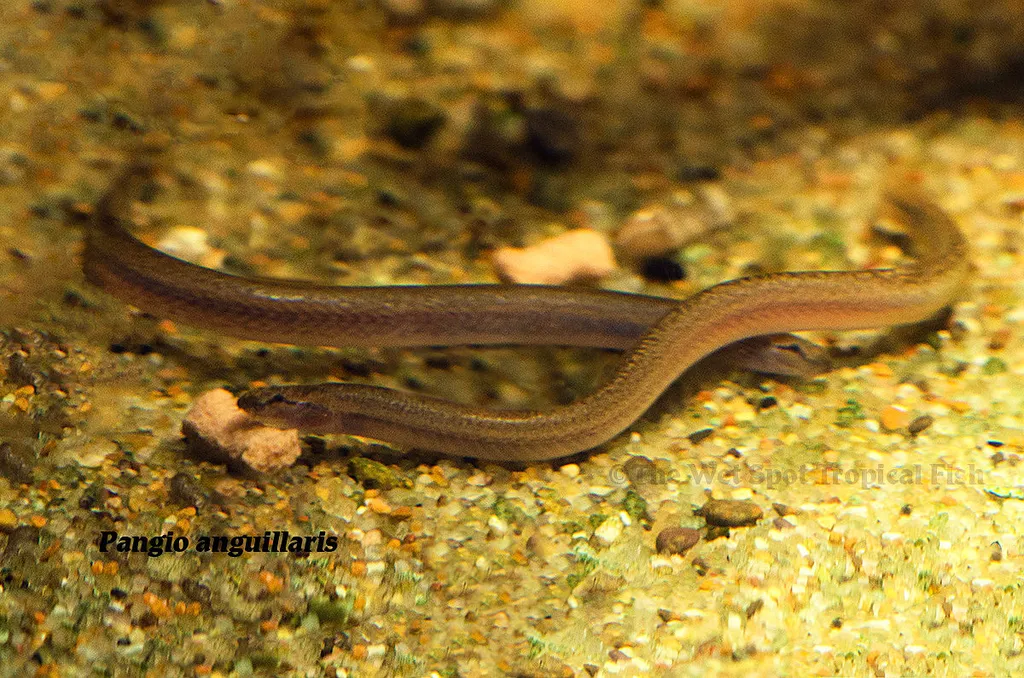
Eel kuhli loach
Pangio anguillaris
Freshwater4.7 in (12 cm) · 20 gal (75 L)72–82°F (22–28°C)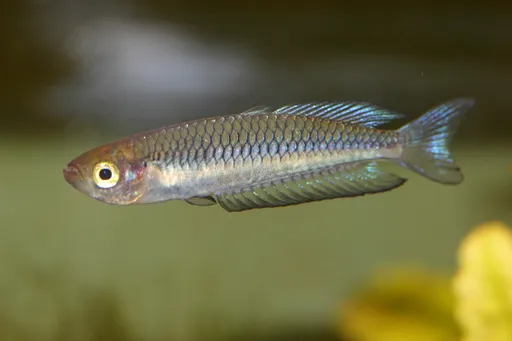
Ornate rainbowfish
Rhadinocentrus ornatus
Freshwater2.4 in (6 cm) · 20 gal (75 L)64–82°F (18–28°C)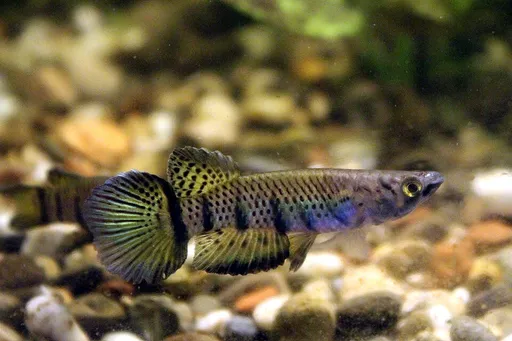
Six-barred panchax
Epiplatys sexfasciatus
Freshwater3.9 in (10 cm) · 20 gal (75 L)72–81°F (22–27°C)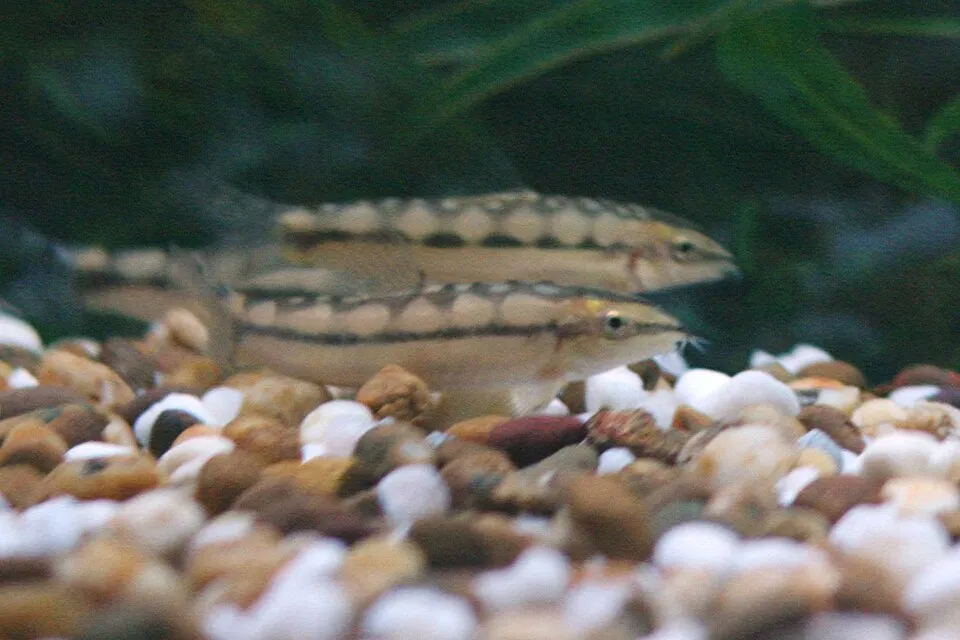
Dwarf botia
Ambastaia sidthimunki
Freshwater2.4 in (6 cm) · 20 gal (75 L)68–86°F (20–30°C)
Common questions
What size tank does a Red flush tetra need?
A Red flush tetra needs at least 20 gal (75 L). It spends most of its time in the middle.
What temperature and pH does a Red flush tetra need?
A Red flush tetra is comfortable at 73–82°F (23–28°C) with a pH of 5.5–7.5.
How big does a Red flush tetra get?
An adult Red flush tetra reaches about 2 in (5 cm).
Does a Red flush tetra need a group?
Yes. A Red flush tetra is a schooling species and should be kept in a group, not singly.
Related species
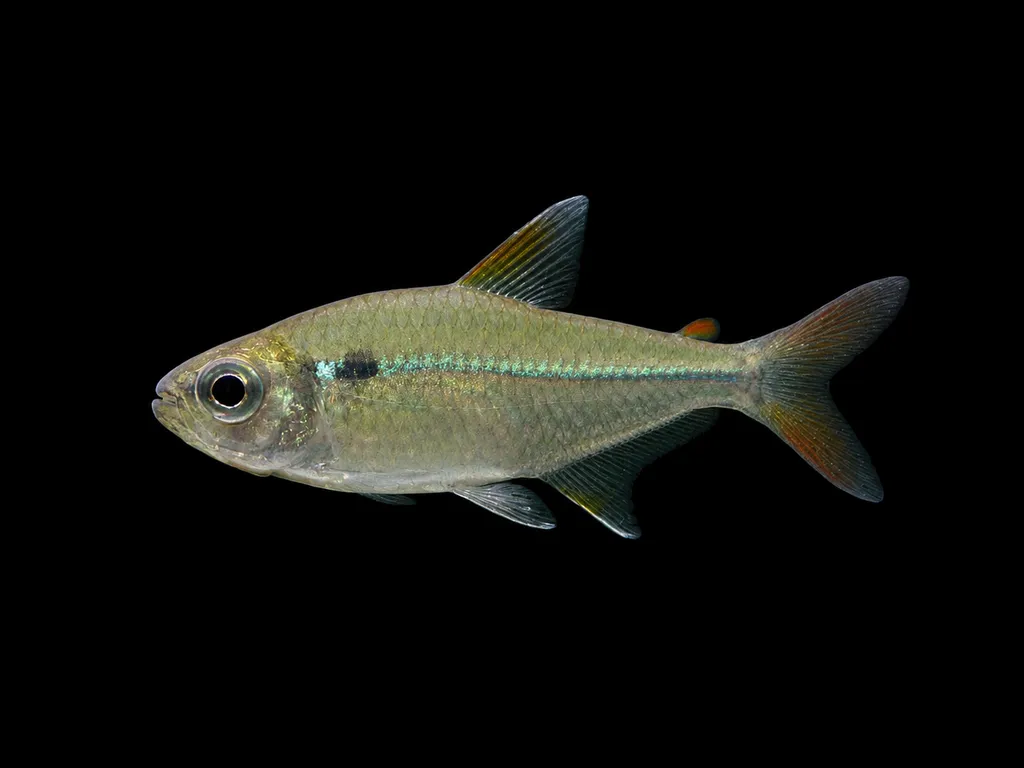 2 in (5 cm)20 gal (75 L)73–82°F (23–28°C)
Collett's tetra
Hemigrammus collettii
2 in (5 cm) · 20 gal (75 L)
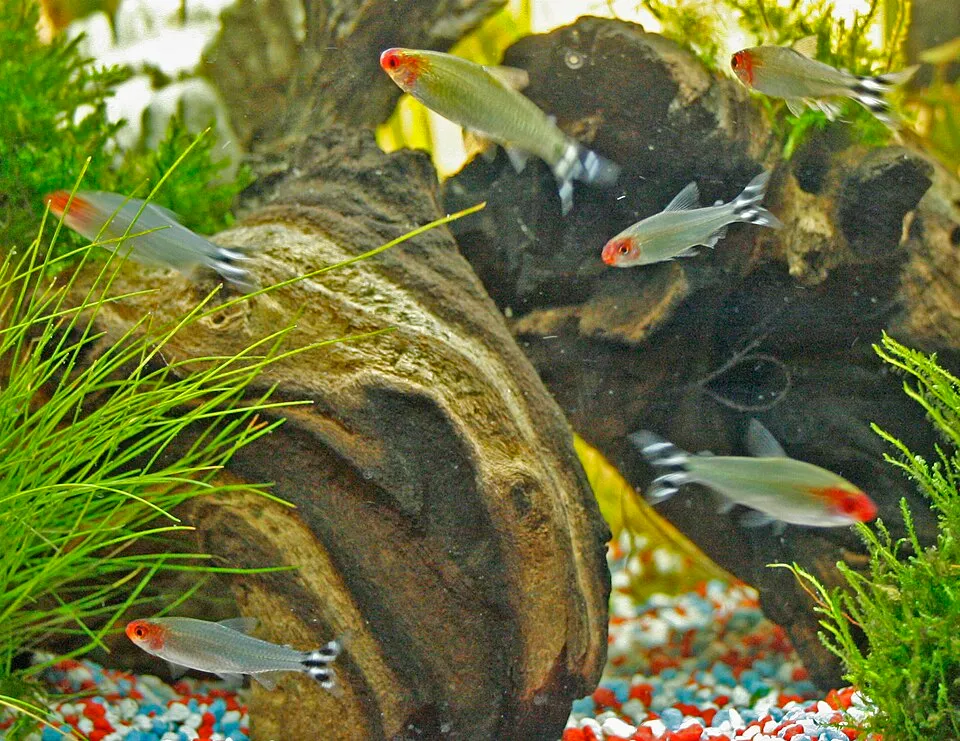 2 in (5 cm)20 gal (75 L)75–81°F (24–27°C)
Rummy-nose tetra
Hemigrammus rhodostomus
2 in (5 cm) · 20 gal (75 L)
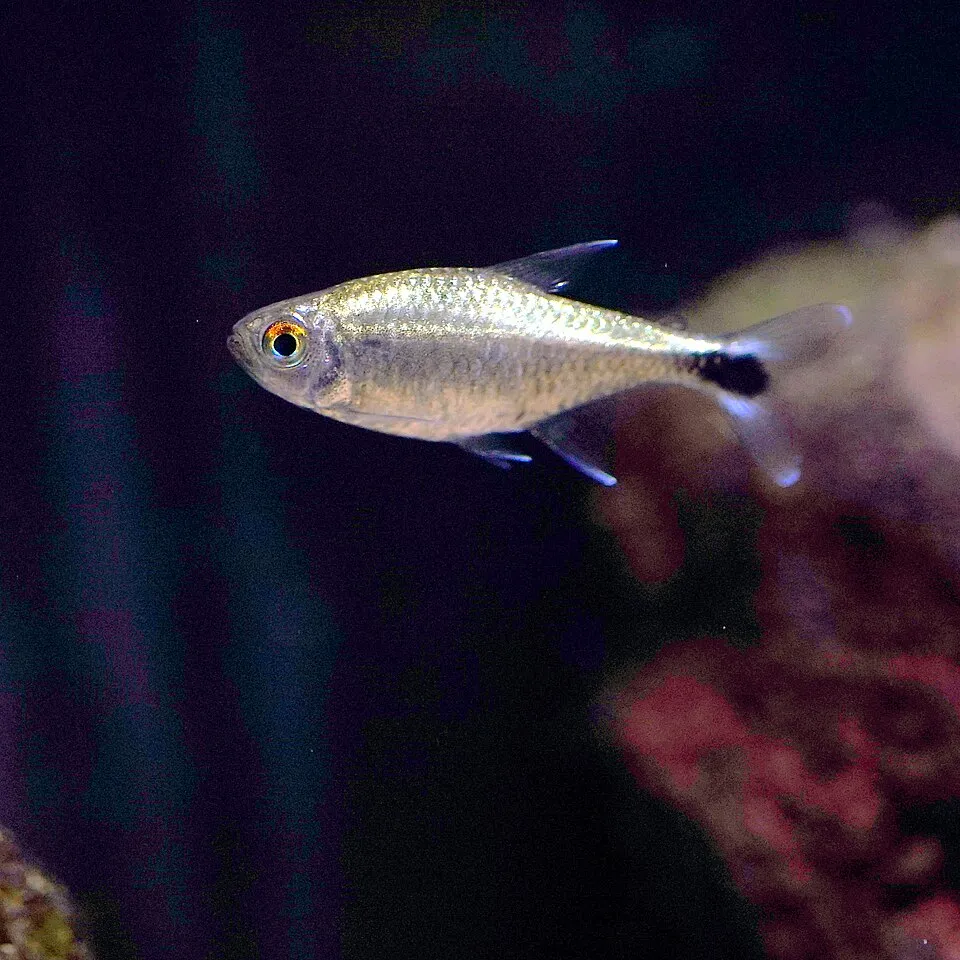 2.2 in (5.5 cm)20 gal (75 L)75–82°F (24–28°C)
Golden tetra
Hemigrammus rodwayi
2.2 in (5.5 cm) · 20 gal (75 L)
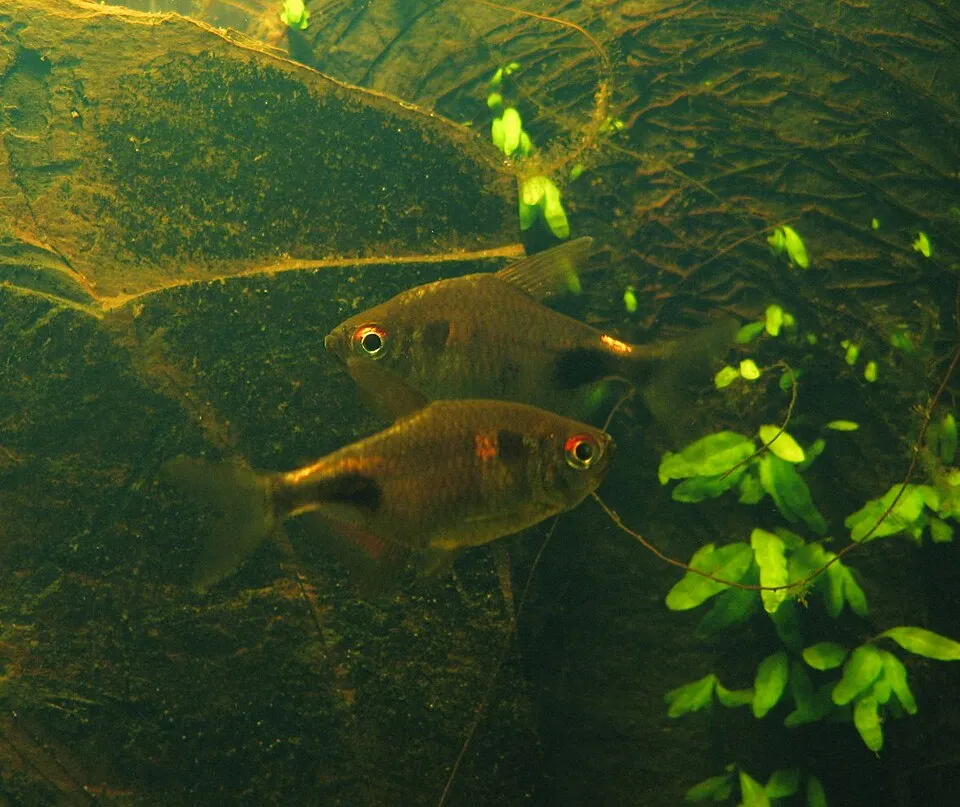 1.8 in (4.5 cm)20 gal (75 L)73–82°F (23–28°C)
Garnet tetra
Hemigrammus pulcher
1.8 in (4.5 cm) · 20 gal (75 L)
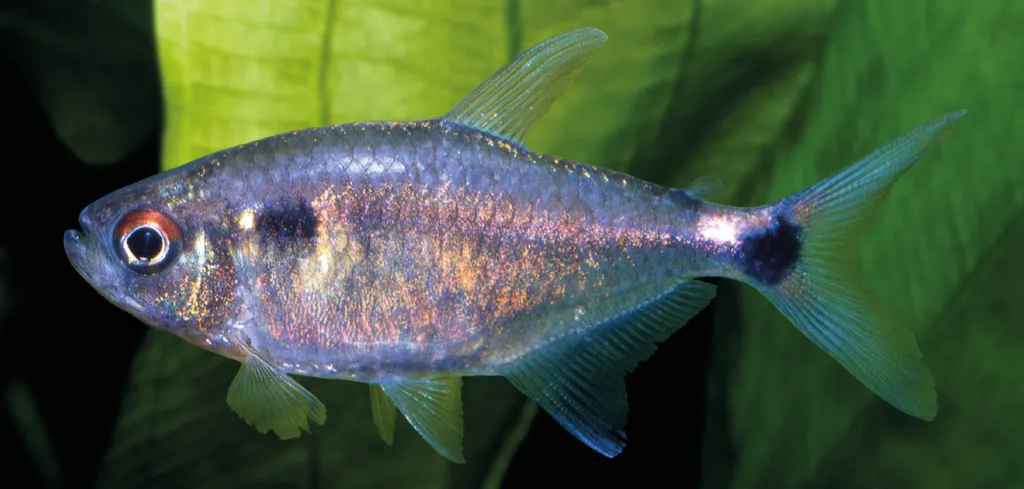 1.8 in (4.5 cm)17 gal (65 L)75–82°F (24–28°C)
Head-and-taillight tetra
Hemigrammus ocellifer
1.8 in (4.5 cm) · 17 gal (65 L)
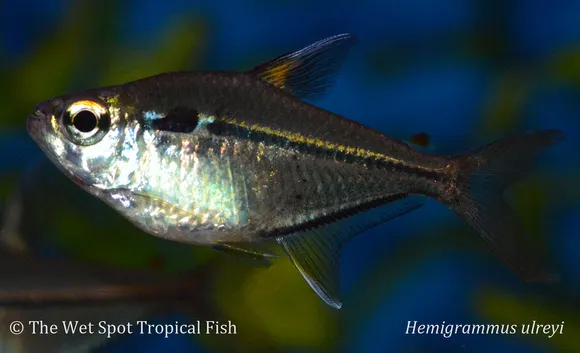 1.7 in (4.4 cm)20 gal (75 L)72–81°F (22–27°C)
Ulrey's tetra
Hemigrammus ulreyi
1.7 in (4.4 cm) · 20 gal (75 L)