Fiddler crab
Minuca minax
Also known as Red-jointed fiddler
BrackishCrab
Care at a glance
- Temperature
- 75–82°F
- 24–28°C
- pH
- 8.0–8.3
- Adult size
- 1.6 in
- 4 cm
- Minimum tank
- 10 gal
- 38 L
- Temperament
- Mostly peaceful
- Social behavior
- Social
- Swim level
- Bottom
- Difficulty
- Medium
- Breeding
- Hard
- Rarity
- Common
- Family
- Ocypodidae
- Origin
- US Atlantic and Gulf coasts (Massachusetts to Texas)
Overview
The fiddler crab is a mostly peaceful bottom dweller that digs, forages along the beach and hauls out onto land. It needs a brackish paludarium and suits a keeper with a little experience.
Did you know
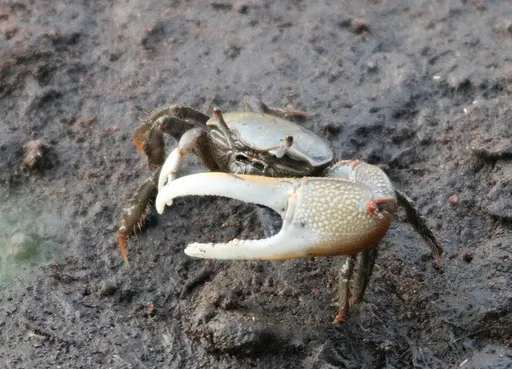
Male fiddler crabs wave their oversized claw to court females and warn off rival males, which is where the fiddler name comes from. If a male loses that claw, the small feeding claw on the other side enlarges to replace it. The old side then regrows as the smaller one.
Caring for the fiddler crab
Fiddler crabs are semi-terrestrial, and a plain fish tank will drown them. Set up a paludarium of at least 10 gal (38 L), about half land and half water. Add more floor space for each extra crab. A sloped beach lets the crab climb out whenever it wants.
Give it a few inches of aragonite or coral sand to dig into, which also buffers the water and supplies calcium for molting. Pure fresh water shortens its life to weeks or months, so keep it brackish. Mix marine salt to a specific gravity around 1.005 to 1.015.
Keep the water hard and alkaline, at a pH of 8.0 to 8.3 and 75 to 82°F (24 to 28°C). Its range is temperate to subtropical, so it tolerates cooler room temperatures and needs no tropical heat. Feed sinking pellets, algae, blanched vegetables and the odd bit of frozen food. Give plenty of hides, since a freshly molted crab is soft and vulnerable.
Keep a small colony, ideally one male with two or three females. Several males packed into a small footprint will fight over burrows and territory. They get along fine with fish, but their land and brackish needs rule out a community aquarium.
Only males carry the oversized claw. Females release planktonic larvae that need full marine salinity to develop, so breeding at home is impractical. These are native US wildlife, so never release captive crabs, and check your local rules before collecting.
Good to know
Minuca minax, in the family Ocypodidae, is the largest fiddler crab in North America. It is also the most freshwater tolerant of the fiddler crabs. Its full leg and claw span runs notably wider than its carapace.
In the wild
Fiddler crabs live along the US Atlantic and Gulf coasts, from Massachusetts down to Texas. They push far up estuaries and burrow in the muddy banks and salt marshes.
Common questions
What size tank does a fiddler crab need?
A fiddler crab needs at least 10 gal (38 L). It spends most of its time in the bottom.
What temperature and pH does a fiddler crab need?
A fiddler crab is comfortable at 75–82°F (24–28°C) with a pH of 8.0–8.3.
What does a fiddler crab eat?
A fiddler crab eats sinking pellets, algae, blanched vegetables and the odd bit of frozen food.
How big does a fiddler crab get?
An adult fiddler crab reaches about 1.6 in (4 cm).
How can you tell a male fiddler crab from a female?
Males alone carry the oversized claw.
How does a fiddler crab breed?
Female fiddler crabs release planktonic larvae that need full marine salinity to develop. That makes breeding them at home impractical.
Related species
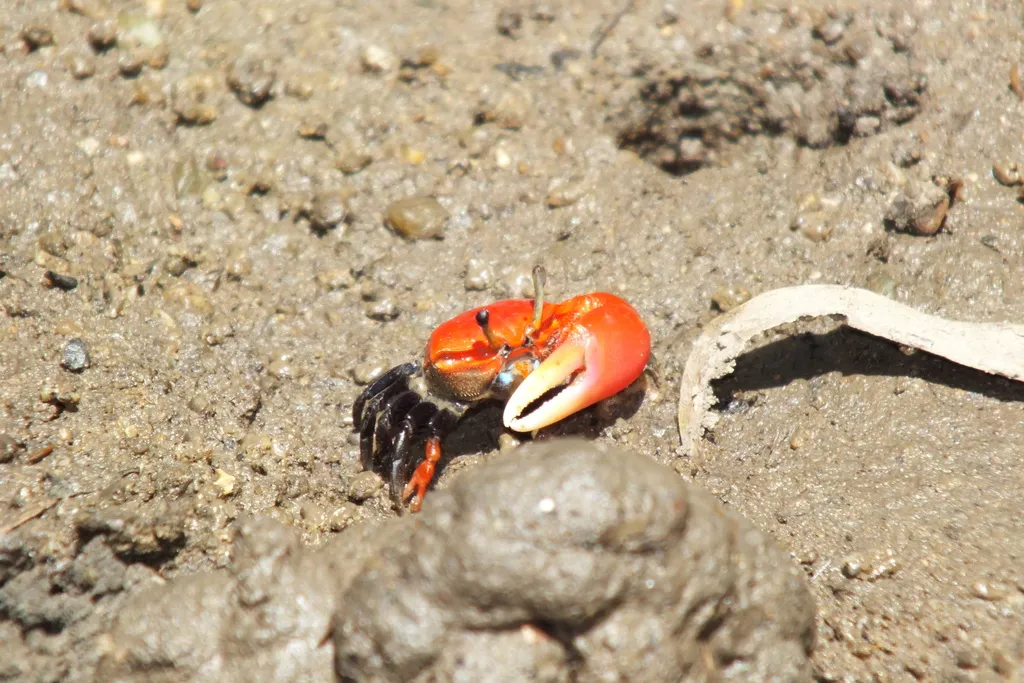 1.2 in (3 cm)11 gal (40 L)75–84°F (24–29°C)
Watermelon fiddler crab
Paraleptuca crassipes
1.2 in (3 cm) · 11 gal (40 L)
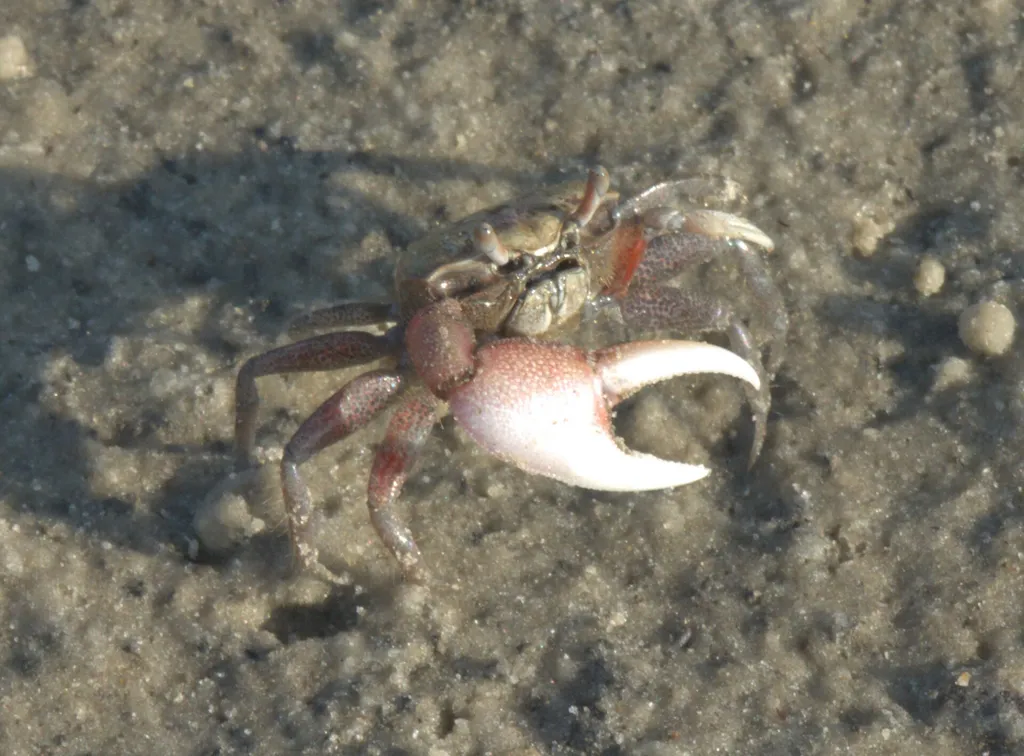 1 in (2.5 cm)11 gal (40 L)68–82°F (20–28°C)
Atlantic sand fiddler crab
Leptuca pugilator
1 in (2.5 cm) · 11 gal (40 L)
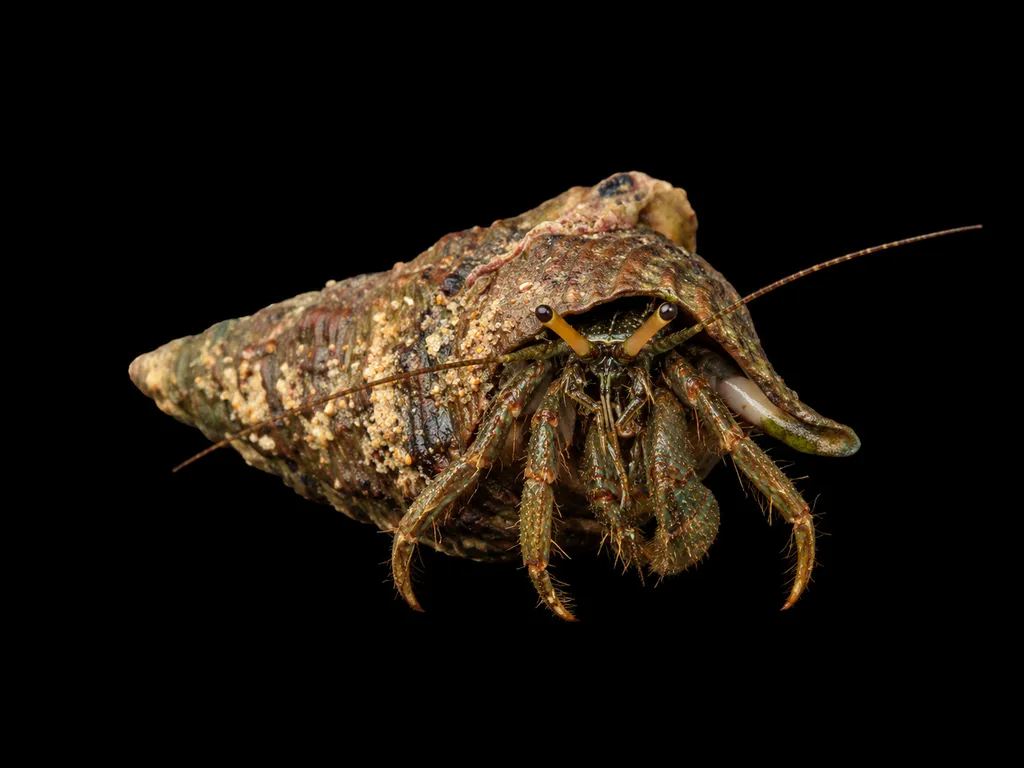 2 in (5 cm)16 gal (60 L)75–84°F (24–29°C)
Brackish hermit crab
Clibanarius longitarsus
2 in (5 cm) · 16 gal (60 L)
- 1 in (2.5 cm)11 gal (40 L)72–82°F (22–28°C)
Batik crab
Metasesarma obesum
1 in (2.5 cm) · 11 gal (40 L)
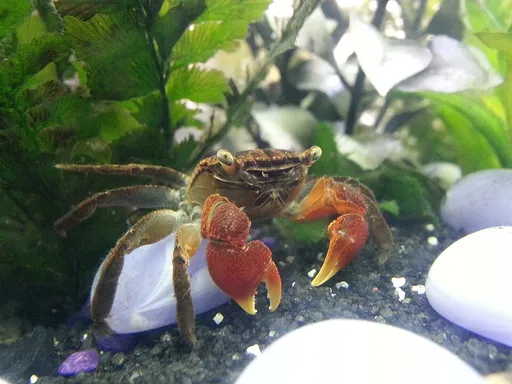 2 in (5 cm)10 gal (38 L)72–82°F (22–28°C)
Red claw crab
Parasesarma bidens
2 in (5 cm) · 10 gal (38 L)
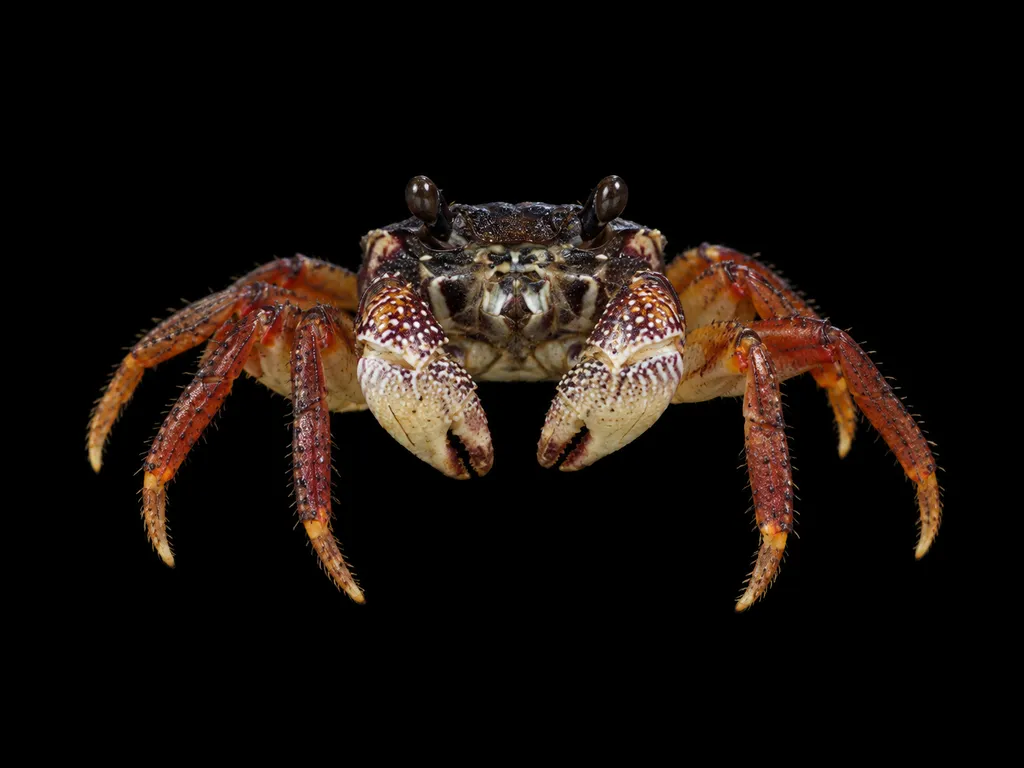 2.4 in (6 cm)24 gal (90 L)75–86°F (24–30°C)
African mangrove crab
Goniopsis pelii
2.4 in (6 cm) · 24 gal (90 L)