Stinging catfish
Heteropneustes fossilis
Also known as fossil catfish, Asian Stinging Cat
FreshwaterFish
Care at a glance
- Temperature
- 70–77°F
- 21–25°C
- pH
- 6.0–8.0
- Adult size
- 11.8 in
- 30 cm
- Minimum tank
- 65 gal
- 245 L
- Temperament
- Mostly peaceful
- Social behavior
- Social
- Tankmates
- With caution
- Swim level
- Bottom
- Difficulty
- Difficult
- Breeding
- No record
- Rarity
- Very rare
- Family
- Heteropneustidae
- Origin
- Iran, Pakistan, India, Nepal
Overview
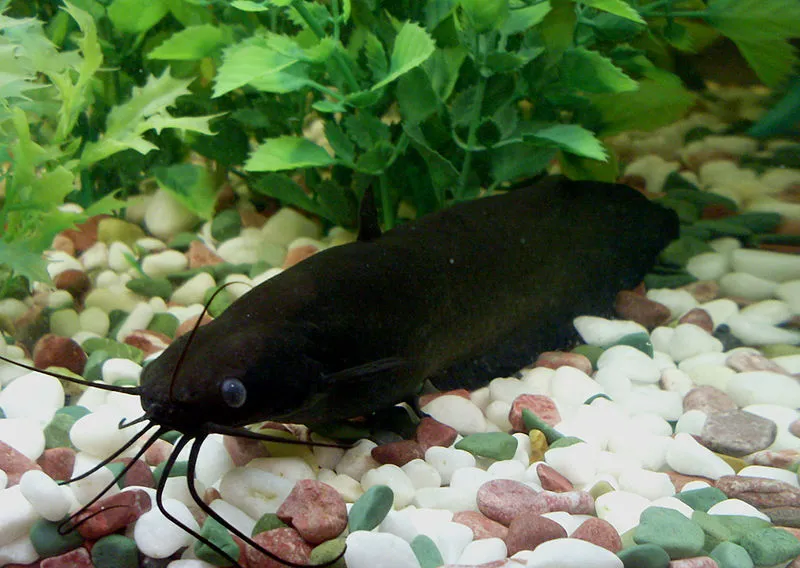
The stinging catfish is a hardy, eel-like air-breather that is calm with large tankmates but will eat any fish small enough to swallow, so keep it only with big, robust companions. Its real hazard is to the keeper, since its pectoral spines deliver a genuinely painful venomous sting, so it must be handled with great care and never caught in a net where it can lodge. It can be kept alone or in a group in a big tank. Give it plenty of cover, such as pipes, caves, and wood, over a soft bed, and feed meaty sinking foods including prawn, mussel, fish strips, and earthworms. Aim for a tank of around 245 liters or larger with a tight, weighted lid.
In the wild
The stinging catfish is native to South Asia, from Iran and Pakistan across India to Nepal, where it thrives in slow or still waters, ponds, ditches, swamps, and rice paddies, including muddy, low-oxygen pools. Keep it from around 21 to 25 C with a pH between 6 and 8, and it tolerates a wide range of conditions. A tank with a soft substrate, plenty of shaded cover, and calm to gentle flow suits it. Because it gulps air at the surface, leave a gap above the water and cover the tank securely.
Good to know
The stinging catfish is the best-known member of Heteropneustidae, the airsac catfishes, and reaches around 30 cm, occasionally more. Running back from the gills along each side of its body is a pair of long, lung-like air sacs that let it breathe atmospheric air and survive in oxygen-poor water. It has venom glands linked to its dorsal and pectoral spines that cause a severe, lasting sting. It is farmed for food in its range and spawns in flooded ground during the monsoon.
Did you know
The stinging catfish earns its name honestly. Venom glands at the base of its spines can deliver a sting painful enough to send a person to hospital, and it is regarded as one of the more dangerous freshwater fish to handle carelessly.
Common questions
What size tank does a Stinging catfish need?
A Stinging catfish needs at least 65 gal (245 L). It spends most of its time in the bottom.
What temperature and pH does a Stinging catfish need?
A Stinging catfish is comfortable at 70–77°F (21–25°C) with a pH of 6.0–8.0.
How big does a Stinging catfish get?
An adult Stinging catfish reaches about 11.8 in (30 cm).
Related species
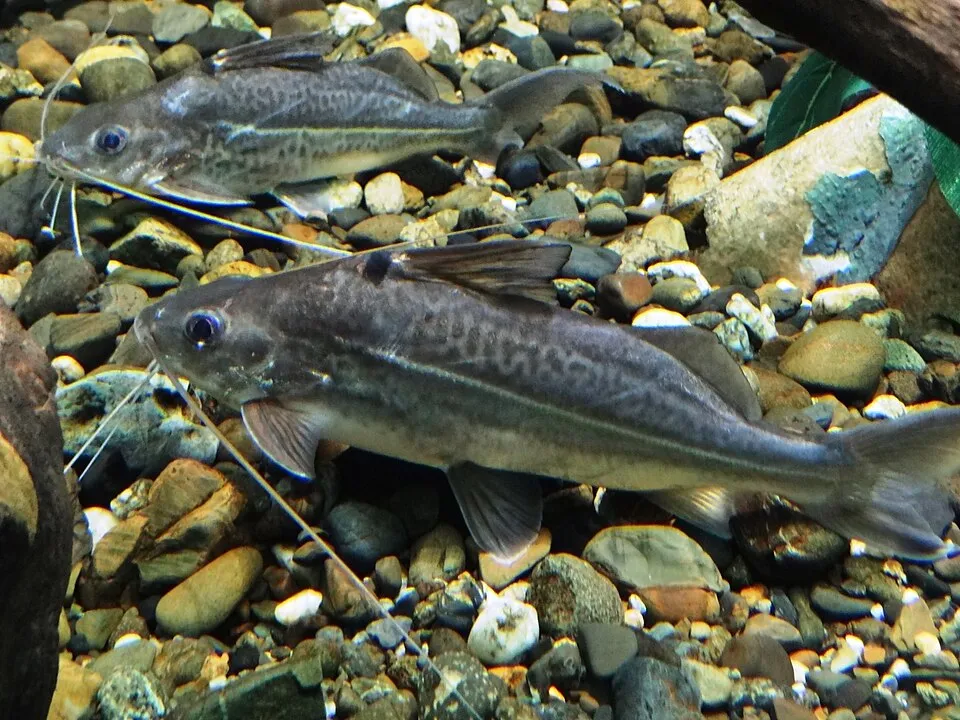 12.2 in (31 cm)65 gal (245 L)75–82°F (24–28°C)
Ornate pimelodus
Pimelodus ornatus
12.2 in (31 cm) · 65 gal (245 L)
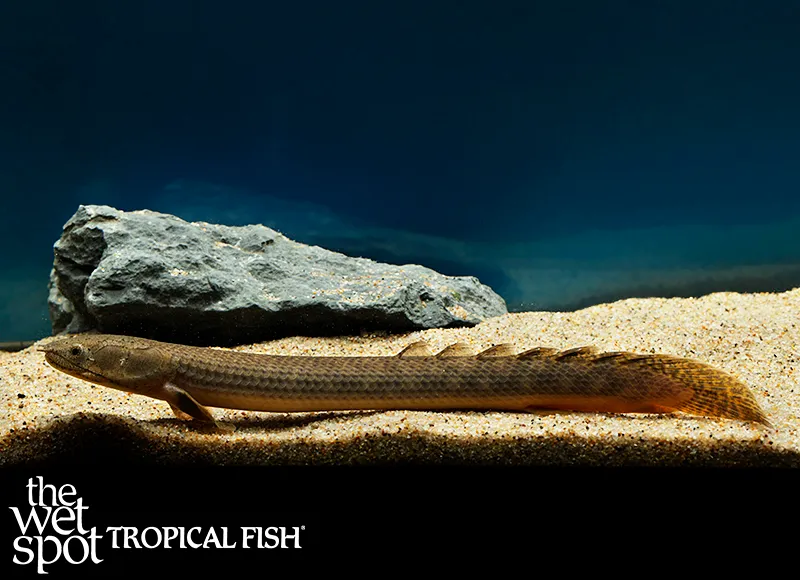 13.8 in (35 cm)53 gal (200 L)77–82°F (25–28°C)
West African bichir
Polypterus retropinnis
13.8 in (35 cm) · 53 gal (200 L)
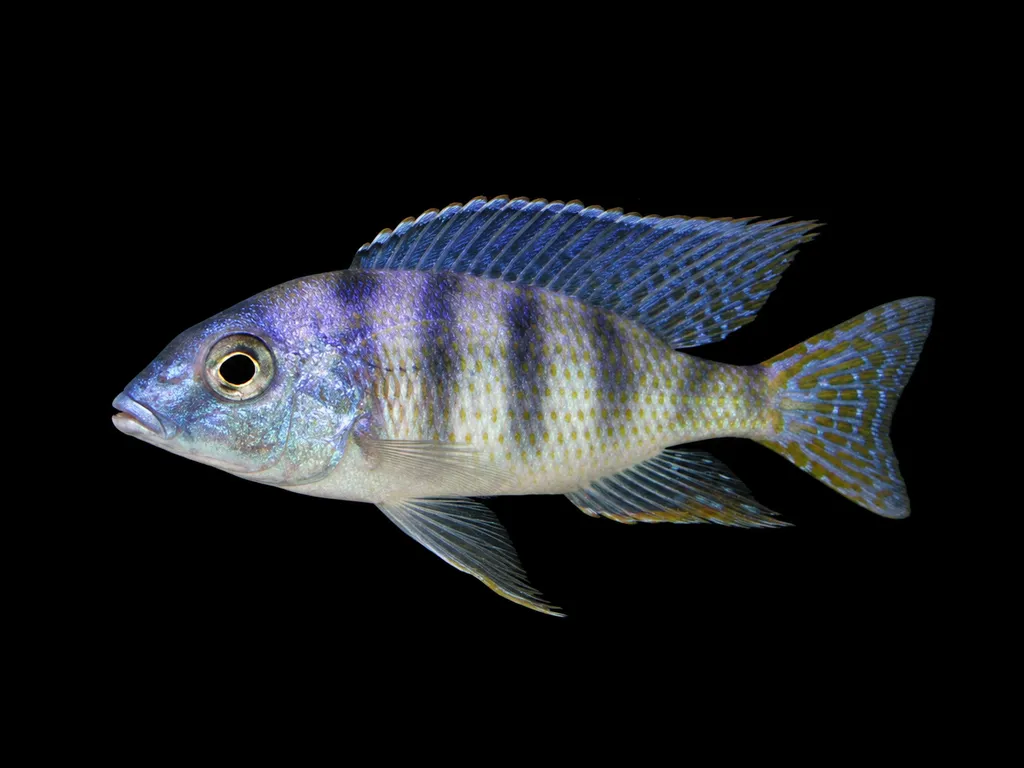 8.1 in (20.5 cm)119 gal (450 L)75–81°F (24–27°C)
Ericotaenia hap
Mylochromis ericotaenia
8.1 in (20.5 cm) · 119 gal (450 L)
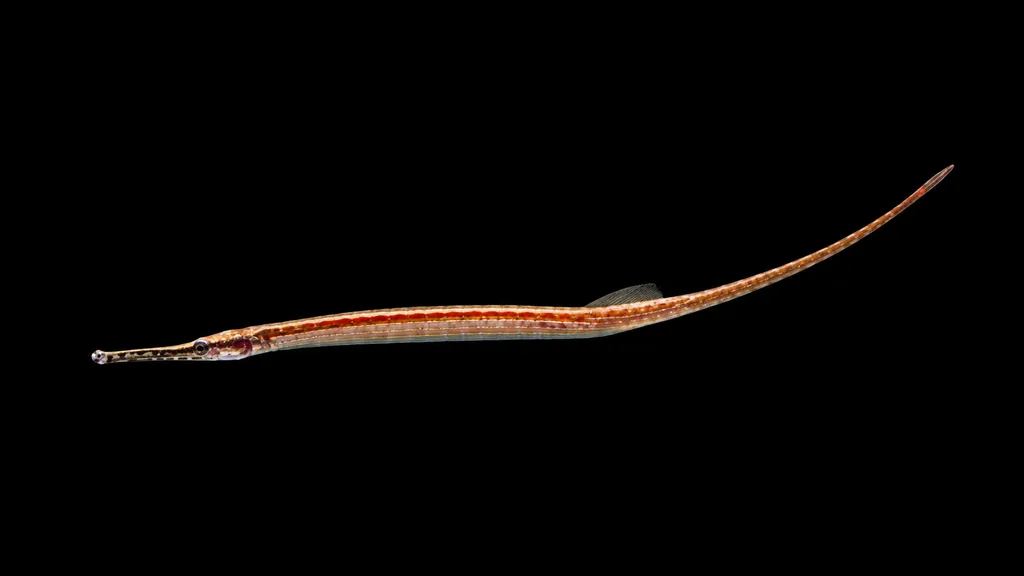 7.9 in (20 cm)32 gal (120 L)75–82°F (24–28°C)
African red-striped pipefish
Microphis aculeatus
7.9 in (20 cm) · 32 gal (120 L)
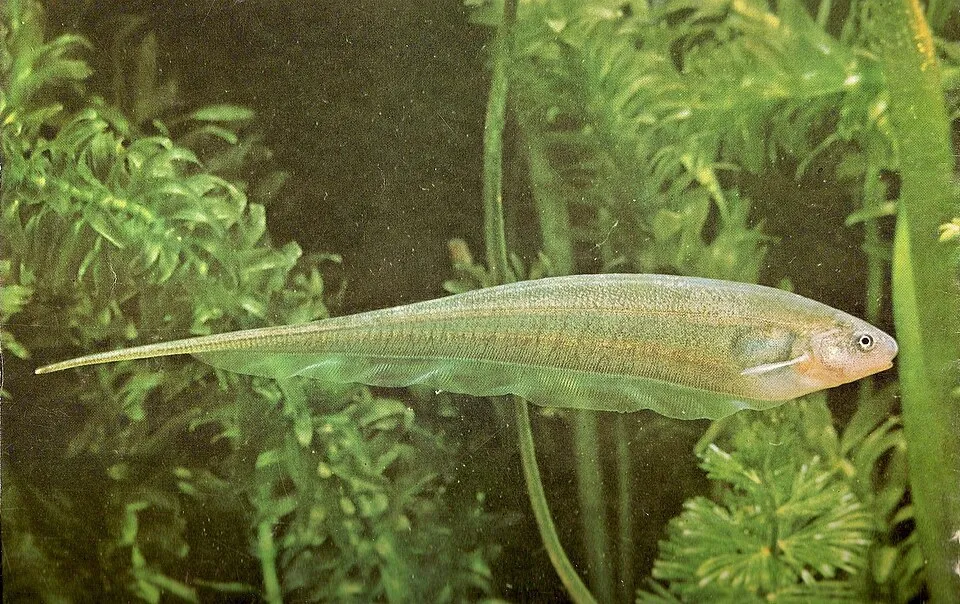 17.7 in (45 cm)85 gal (320 L)73–82°F (23–28°C)
Glass knifefish
Eigenmannia virescens
17.7 in (45 cm) · 85 gal (320 L)
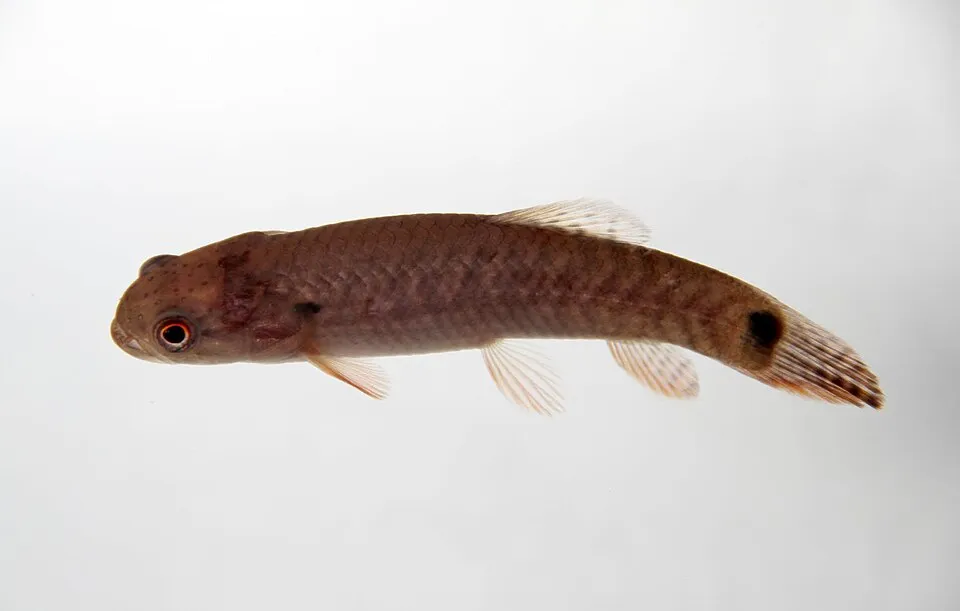 7.9 in (20 cm)40 gal (150 L)72–79°F (22–26°C)
Red wolf fish
Erythrinus erythrinus
7.9 in (20 cm) · 40 gal (150 L)