Sailfin snapper
Symphorichthys spilurus
Also known as Blue-Lined Sea Bream, Hifin Snapper, Blue-Lined Sea Perch
SaltwaterFish
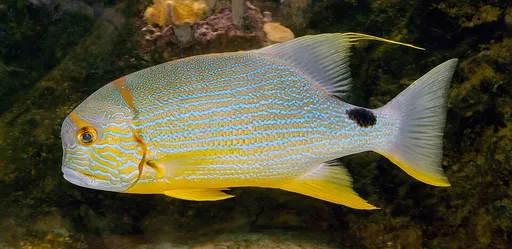
Care at a glance
- Temperature
- 73–81°F
- 23–27°C
- pH
- 8.1–8.4
- Adult size
- 23.6 in
- 60 cm
- Minimum tank
- 300 gal
- 1,135 L
- Temperament
- Mostly peaceful
- Social behavior
- Solitary
- Tankmates
- With caution
- Swim level
- Middle
- Diet
- Carnivore
- Difficulty
- Medium
- Breeding
- No record
- Rarity
- Rare
- Reef safe
- Not reef safe
- Family
- Lutjanidae
- Origin
- Western Pacific and Eastern Indian Ocean
Overview
The sailfin snapper is a hardy, alert show fish for very large, fish-only systems. It is best kept by someone with a little experience.
Did you know
Adult sailfin snappers in Palau gather in large spawning aggregations timed to the moon. The event is predictable, so aquaculturists can collect the eggs and rear this snapper without taking adults from the reef.
Caring for the sailfin snapper
The sailfin snapper eventually needs a tank in the several-hundred-gallon class, so plan on at least 300 gal (1,135 L). Give it a broad, open sand bed with rockwork at the edges. Fit a secure lid, since a startled snapper bolts. Farmed juveniles, reared from wild-collected spawn, settle into aquarium life far more easily than wild-caught adults.
Keep the water at 73 to 81°F (23 to 27°C) with a pH of 8.1 to 8.4. It is quick to learn feeding time and takes chopped seafood, silversides, shrimp and pellets.
The sailfin snapper is a solitary fish and needs no company of its own kind. It will eat any crustacean, snail or small fish it can catch, so keep it in a fish-only display rather than a reef. It is otherwise calm toward tank mates too large to swallow.
Good to know
The sailfin snapper, Symphorichthys spilurus, is the only member of its genus. It belongs to the snapper family, Lutjanidae, and was described in 1874. Its blue lines, yellow body and banner-like dorsal filaments soften with age but stay distinctive. It is also called the blue-lined sea bream, blue-lined sea perch or hifin snapper.
In the wild
The sailfin snapper lives over sand and rubble near reefs in the western Pacific and eastern Indian Ocean. Adults cruise the open bottom, while juveniles stay near shelter, trailing their long dorsal filaments. It forages along the sand for buried invertebrates.
Common questions
What size tank does a sailfin snapper need?
A sailfin snapper needs at least 300 gal (1,135 L). It spends most of its time in the middle.
What temperature and pH does a sailfin snapper need?
A sailfin snapper is comfortable at 73–81°F (23–27°C) with a pH of 8.1–8.4.
What does a sailfin snapper eat?
A sailfin snapper eats chopped seafood, silversides, shrimp and pellets, and it learns feeding time quickly. It will also eat any crustacean, snail or small fish it can catch.
How big does a sailfin snapper get?
An adult sailfin snapper reaches about 23.6 in (60 cm).
Related species
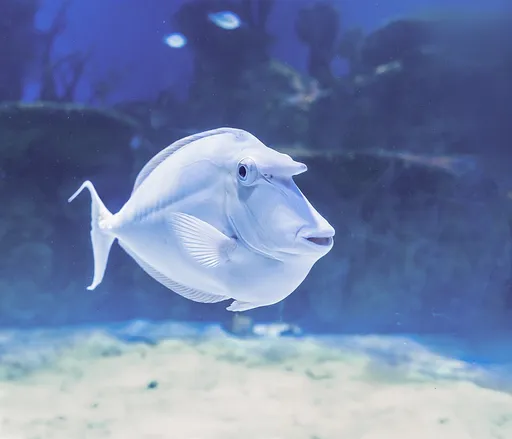 23.6 in (60 cm)396 gal (1,500 L)75–81°F (24–27°C)
Bluespine unicornfish
Naso unicornis
23.6 in (60 cm) · 396 gal (1,500 L)
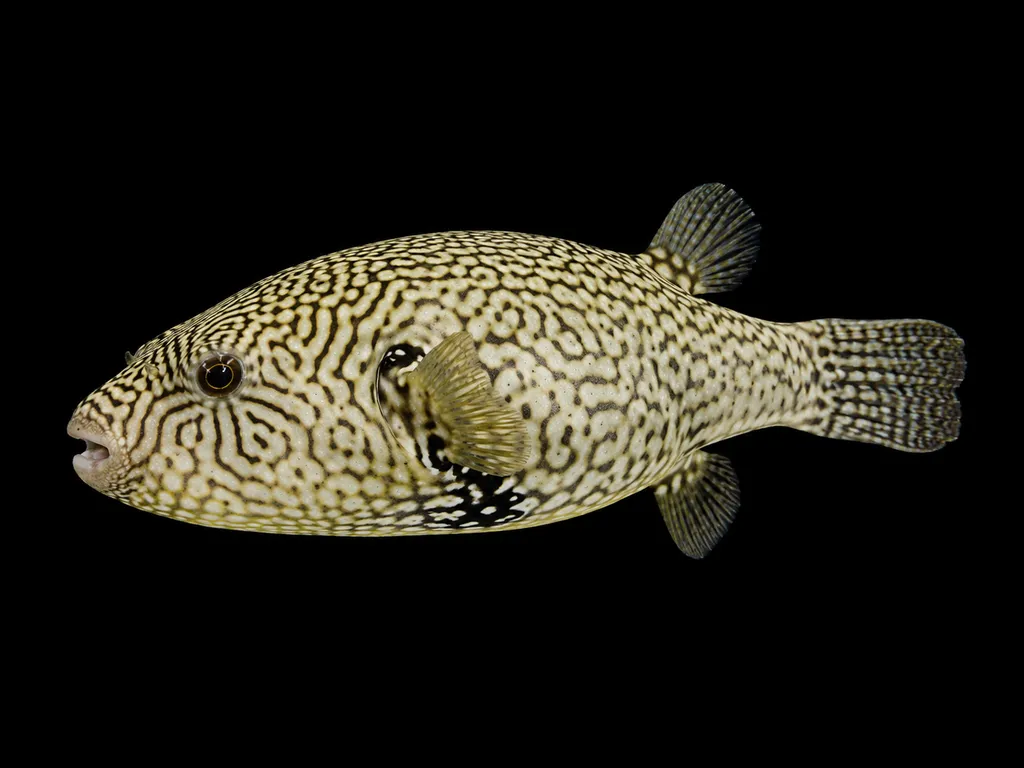 23.6 in (60 cm)238 gal (900 L)75–81°F (24–27°C)
Map puffer
Arothron mappa
23.6 in (60 cm) · 238 gal (900 L)
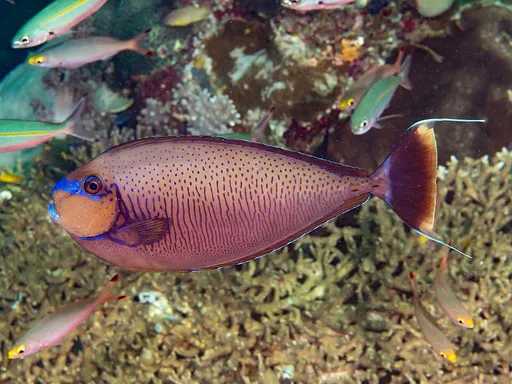 23.6 in (60 cm)359 gal (1,360 L)75–81°F (24–27°C)
Vlamingi tang
Naso vlamingii
23.6 in (60 cm) · 359 gal (1,360 L)
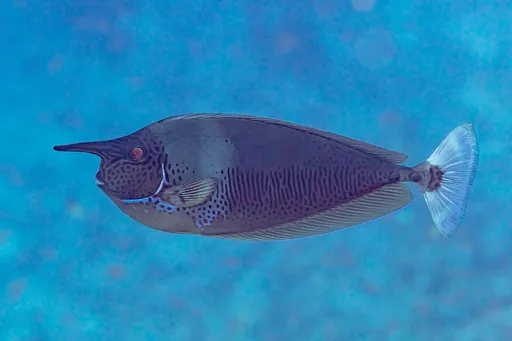 21.7 in (55 cm)343 gal (1,300 L)75–81°F (24–27°C)
Spotted unicornfish
Naso brevirostris
21.7 in (55 cm) · 343 gal (1,300 L)
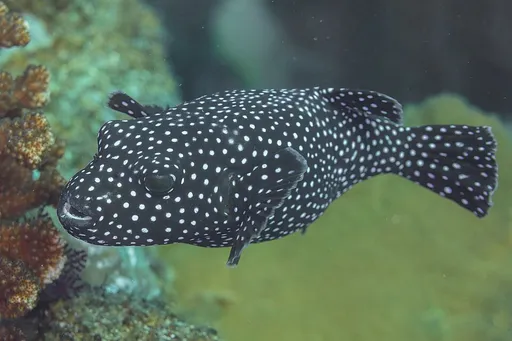 19.7 in (50 cm)180 gal (680 L)75–81°F (24–27°C)
Guineafowl puffer
Arothron meleagris
19.7 in (50 cm) · 180 gal (680 L)
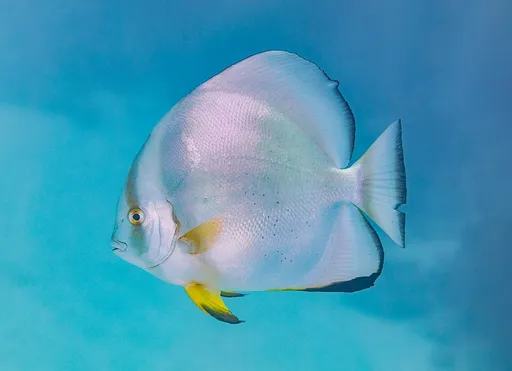 19.7 in (50 cm)185 gal (700 L)75–81°F (24–27°C)
Orbiculate batfish
Platax orbicularis
19.7 in (50 cm) · 185 gal (700 L)