Royal tetra
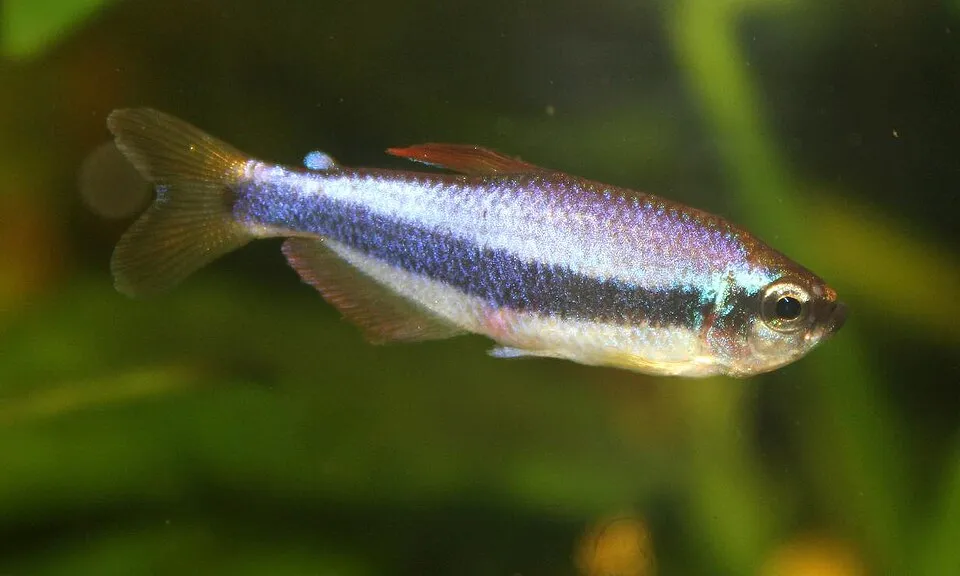
Inpaichthys kerri
Also known as Blue Emperor Tetra
FreshwaterFish
Care at a glance
- Temperature
- 75–81°F
- 24–27°C
- pH
- 5.5–7.5
- Adult size
- 1.4 in
- 3.5 cm
- Minimum tank
- 15 gal
- 55 L
- Temperament
- Peaceful
- Social behavior
- Schooling
- Swim level
- Middle
- Difficulty
- Beginner
- Breeding
- Egg scatterer · Medium
- Rarity
- Common
- Family
- Characidae
- Origin
- Brazil
Overview
The royal tetra is a peaceful schooling fish for a planted community tank. It is a good first fish.
Did you know
Royal tetras are often confused with the emperor tetra at a glance. They have an adipose fin, the small fin between the dorsal and tail, which the emperor tetra lacks. That little fin is a quick way to tell the two apart in a mixed shop tank.
Caring for the royal tetra
Keep royal tetras in a group of six or more, in 15 gal (55 L) or larger. A planted tank with subdued lighting, a fine substrate and some driftwood gives them what they are used to. Tannin-stained water is a bonus, not a requirement.
Give them soft water at 75 to 81°F (24 to 27°C) and a pH of 5.5 to 7.5. Feed quality flake or micro-pellets, plus occasional live or frozen foods such as brine shrimp, daphnia and bloodworms.
Royal tetras stay active in the middle levels of the tank. They are peaceful and do well in a calm community with other small, gentle fish.
Males tend to show stronger color than females. They are egg scatterers that spawn among plants and give no parental care, and breeding them is moderately difficult.
Good to know
Inpaichthys kerri is a small characin in the family Characidae. Its body carries an iridescent blue to violet sheen with a dark lateral stripe. It is not listed as threatened, though Amazon habitat loss is a background concern.
In the wild
Royal tetras are found in the Brazilian Amazon, including the Rio Aripuana drainage. They favor slow or still water over soft, sandy or muddy bottoms. Dense forest canopy shades these waters, keeping the light low and the water soft and slightly acidic.
Weekly picks
Tank mates
The royal tetra is a peaceful, schooling species that keeps to the middle. These picks share a community profile with it, are safe together in both directions, and overlap on water type, temperature and pH.
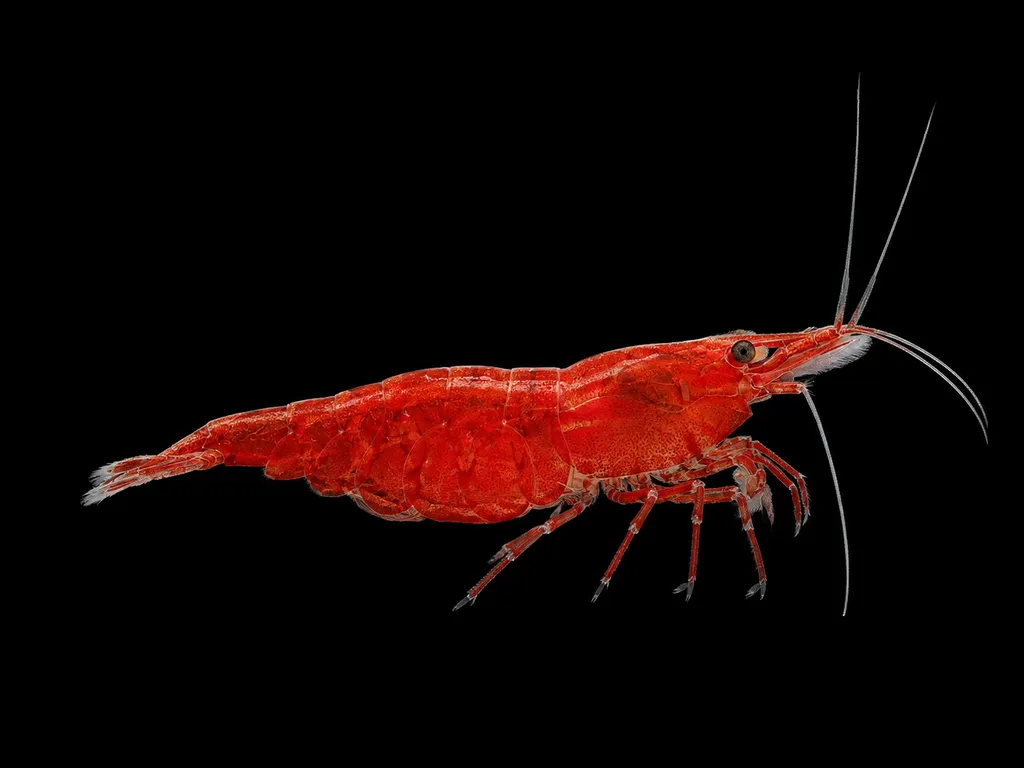
Neocaridina shrimp
Neocaridina davidi
Freshwater1.6 in (4 cm) · 5 gal (19 L)59–84°F (15–29°C)
Guppy
Poecilia reticulata
FreshwaterBrackish2.4 in (6 cm) · 10 gal (38 L)64–82°F (18–28°C)
Neon tetra
Paracheirodon innesi
Freshwater1.5 in (3.8 cm) · 11 gal (40 L)70–77°F (21–25°C)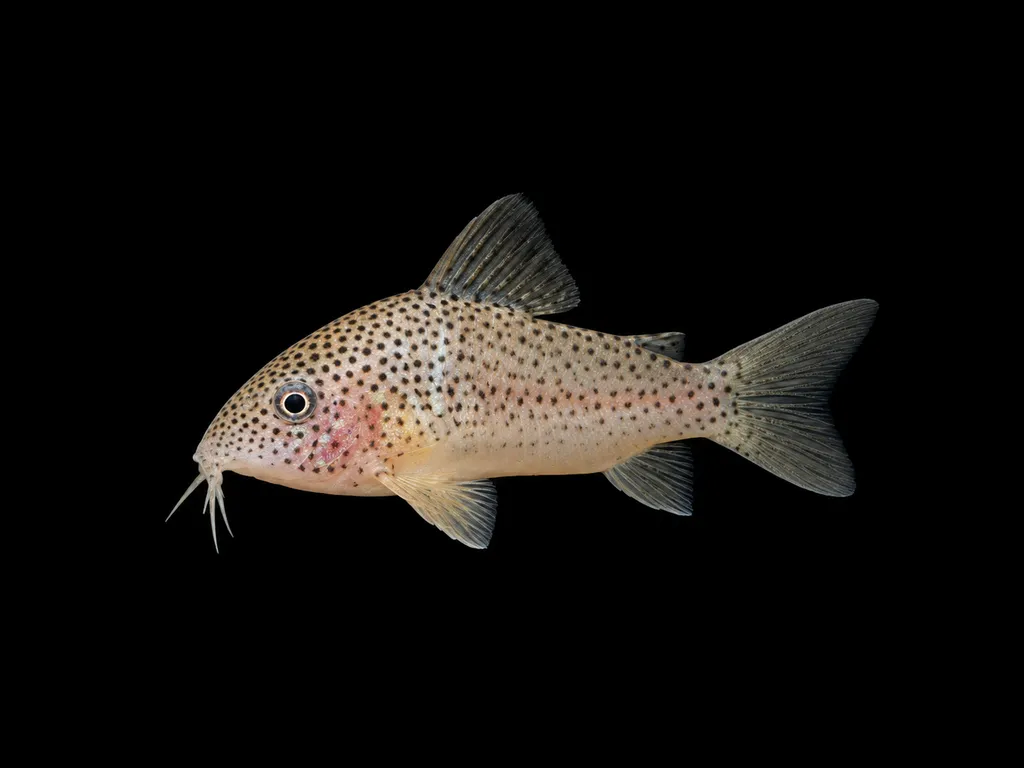
Apiaka cory
Hoplisoma apiaka
Freshwater1.8 in (4.5 cm) · 15 gal (55 L)75–82°F (24–28°C)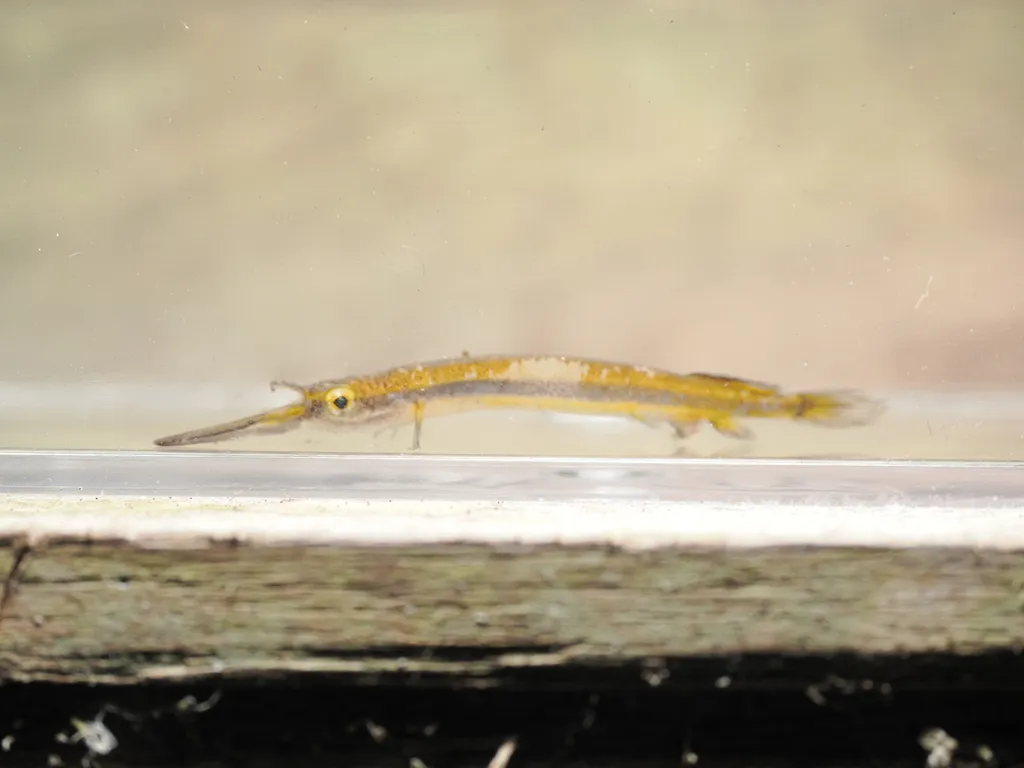
Gold-spotted halfbeak
Hemirhamphodon chrysopunctatus
Freshwater2.6 in (6.5 cm) · 14 gal (54 L)73–81°F (23–27°C)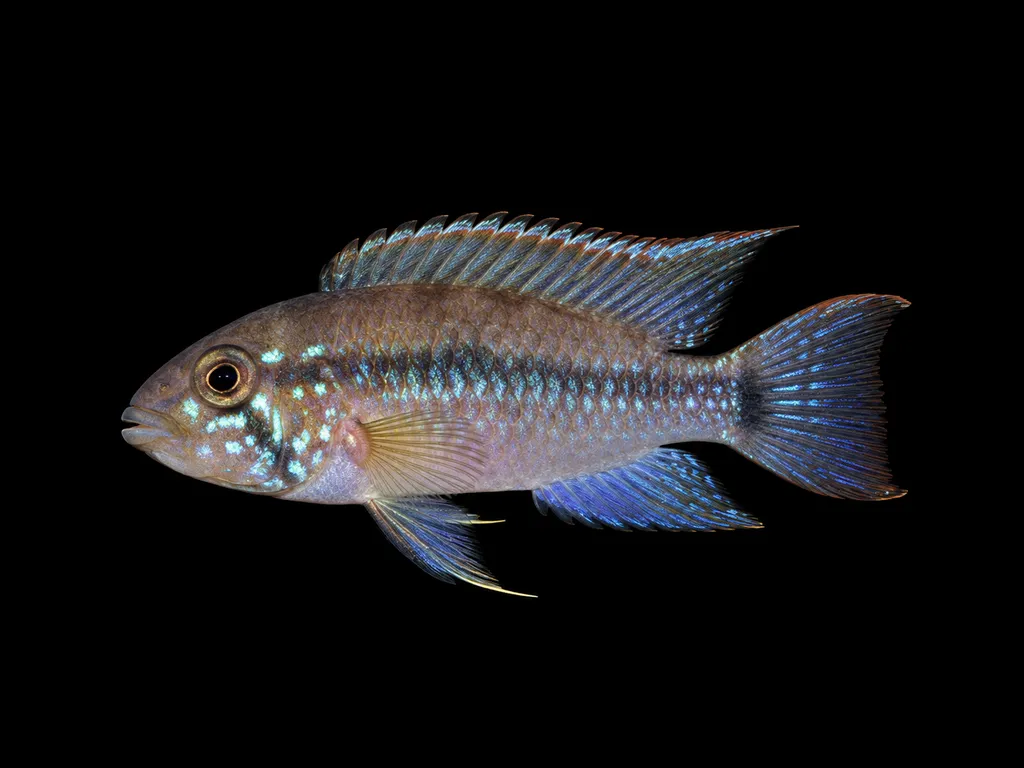
Martin's dwarf cichlid
Apistogramma martini
Freshwater1.6 in (4 cm) · 15 gal (55 L)73–81°F (23–27°C)
Common questions
What size tank does a royal tetra need?
A royal tetra needs at least 15 gal (55 L). It spends most of its time in the middle.
What temperature and pH does a royal tetra need?
A royal tetra is comfortable at 75–81°F (24–27°C) with a pH of 5.5–7.5.
What does a royal tetra eat?
A royal tetra eats quality flake or micro-pellets. Give it occasional live or frozen foods as well, such as brine shrimp, daphnia and bloodworms.
How big does a royal tetra get?
An adult royal tetra reaches about 1.4 in (3.5 cm).
Does a royal tetra need a group?
Yes. A royal tetra is a schooling species and should be kept in a group, not singly.
How can you tell a male royal tetra from a female?
Males tend to show stronger color than females.
How does a royal tetra breed?
Royal tetras are egg scatterers that spawn among plants and give no parental care. Breeding them is moderately difficult.
Related species
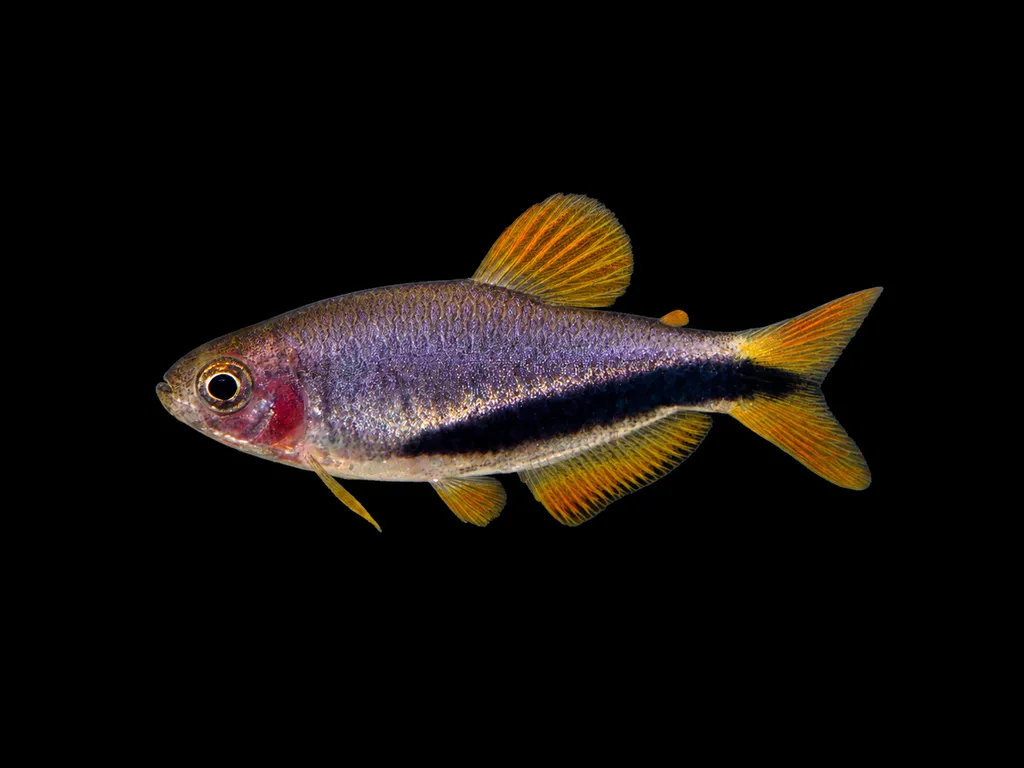 1.4 in (3.5 cm)14 gal (54 L)72–81°F (22–27°C)
Black arrow tetra
Inpaichthys luizae
1.4 in (3.5 cm) · 14 gal (54 L)
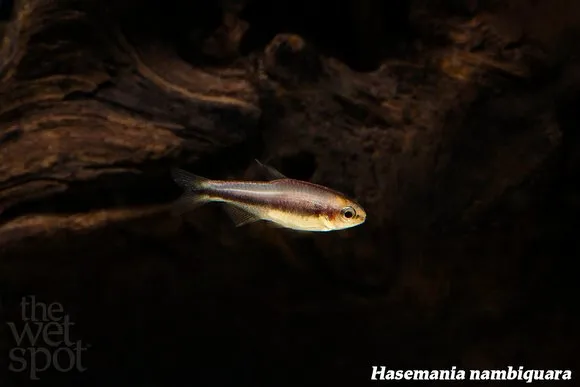 1.3 in (3.4 cm)14 gal (54 L)73–81°F (23–27°C)
Nambiquara royal tetra
Inpaichthys nambiquara
1.3 in (3.4 cm) · 14 gal (54 L)
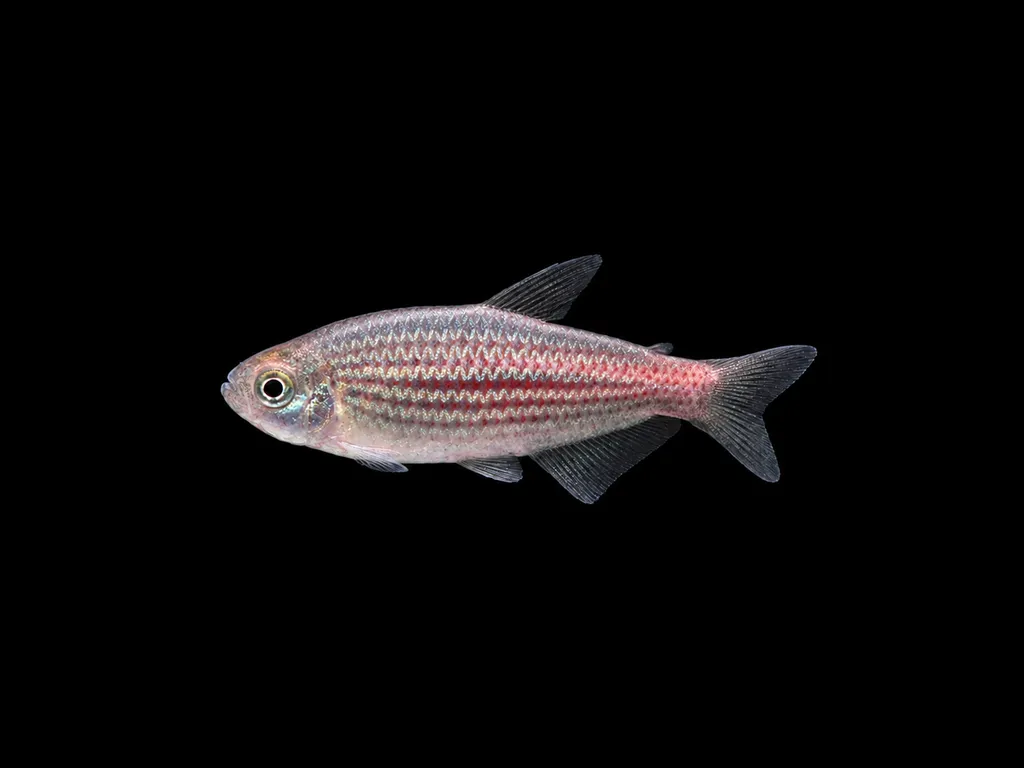 1.2 in (3 cm)14 gal (54 L)72–81°F (22–27°C)
Scratched inpa tetra
Inpaichthys parauapiranga
1.2 in (3 cm) · 14 gal (54 L)
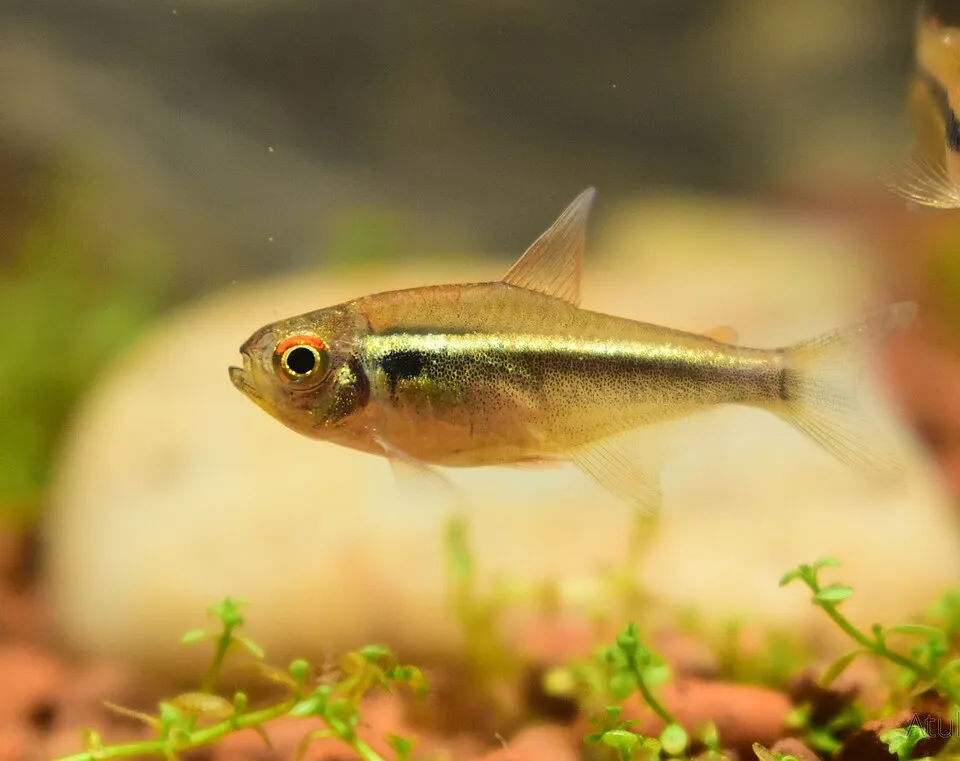 1.4 in (3.5 cm)10 gal (38 L)72–82°F (22–28°C)
Black neon tetra
Hyphessobrycon herbertaxelrodi
1.4 in (3.5 cm) · 10 gal (38 L)
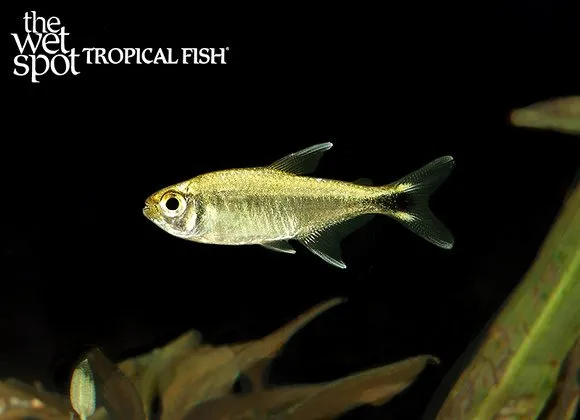 1.4 in (3.5 cm)14 gal (54 L)73–82°F (23–28°C)
Colombian gold tetra
Hyphessobrycon saizi
1.4 in (3.5 cm) · 14 gal (54 L)
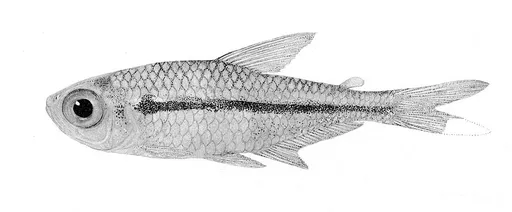 1.4 in (3.5 cm)16 gal (60 L)70–81°F (21–27°C)
Flag tetra
Hyphessobrycon heterorhabdus
1.4 in (3.5 cm) · 16 gal (60 L)