Piebald hap
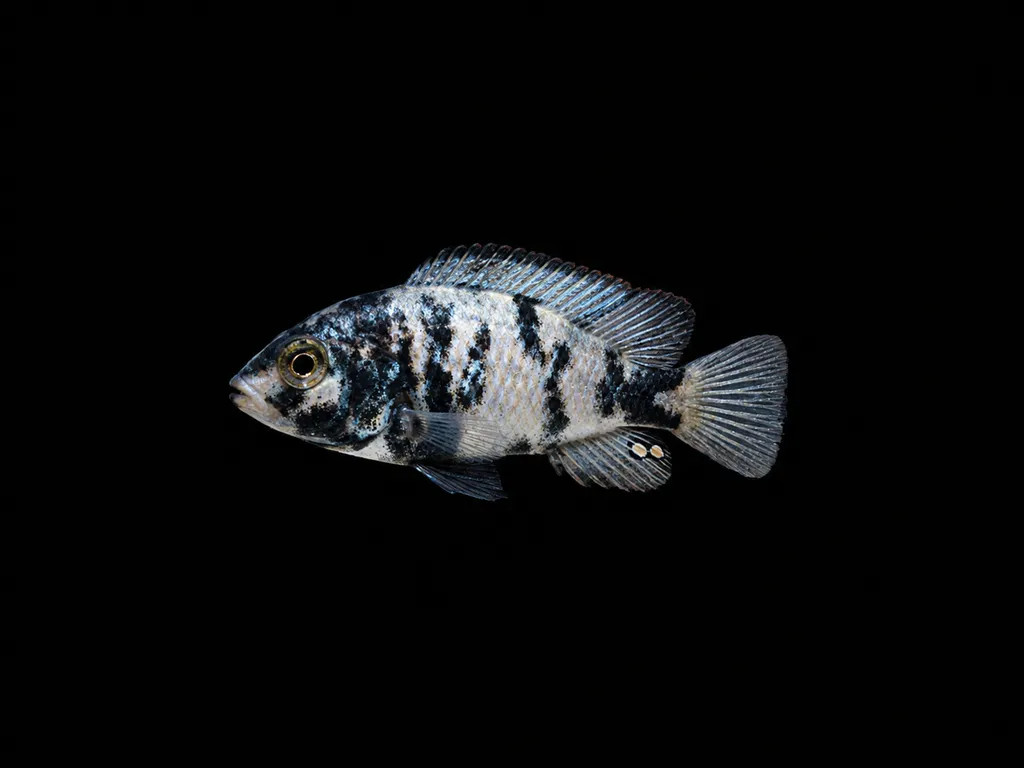
Paralabidochromis chromogynos
Also known as Haplochromis chromogynos, Paralabidochromis chromogynus
FreshwaterFish
Care at a glance
- Temperature
- 73–81°F
- 23–27°C
- pH
- 7.0–8.5
- Adult size
- 5.1 in
- 13 cm
- Minimum tank
- 66 gal
- 250 L
- Temperament
- Mostly peaceful
- Social behavior
- Solitary
- Tankmates
- With caution
- Swim level
- Bottom
- Difficulty
- Medium
- Breeding
- Mouthbrooder · Medium
- Rarity
- Rare
- Family
- Cichlidae
- Origin
- Lake Victoria
Overview
The piebald hap is a rock-picking cichlid from Lake Victoria for a rocky tank. It is best kept with a little experience.
Did you know
The piebald hap's species name, chromogynos, means colored female. It marks an unusual reversal, since in its group the smoother, more colorful body usually belongs to the male.
Caring for the piebald hap
Give a piebald hap at least 66 gal (250 L), with a sand floor and generous stacked rock forming mazes for cover. Leave shaded gaps it can patrol and defend.
Keep the water warm, hard and steady, in the way the East African lakes require. Aim for 73 to 81°F (23 to 27°C) and a neutral to alkaline pH of 7.0 to 8.5. It works low over rock and shell, picking small invertebrates from surfaces. Feed frozen and prepared foods with an insect or invertebrate slant, such as bloodworm, mysis and a quality cichlid pellet.
Keep a single piebald hap or a male-and-female pair rather than a group, since males can be rough on rivals and their own kind. It is not especially aggressive toward unrelated species, but it is territorial enough that you should pick calm companions with some care.
Many females carry a striking black-on-white piebald blotching, while males tend to wear brighter, more even color. The female is a mouthbrooder, holding the eggs and fry in her mouth until they can fend for themselves. Breeding is a moderate challenge.
Good to know
The piebald hap, Paralabidochromis chromogynos, is a cichlid of the family Cichlidae. The species is considered vulnerable in the wild.
In the wild
The piebald hap lives in Lake Victoria over floors of rock and scattered snail shell. There it picks through crevices for food.
Common questions
What size tank does a piebald hap need?
A piebald hap needs at least 66 gal (250 L). It spends most of its time in the bottom.
What temperature and pH does a piebald hap need?
A piebald hap is comfortable at 73–81°F (23–27°C) with a pH of 7.0–8.5.
What does a piebald hap eat?
A piebald hap eats frozen and prepared foods with an insect or invertebrate slant, such as bloodworm, mysis and a quality cichlid pellet.
How big does a piebald hap get?
An adult piebald hap reaches about 5.1 in (13 cm).
How can you tell a male piebald hap from a female?
Males tend to wear brighter, more even color, while many females carry a striking black-on-white piebald blotching.
How does a piebald hap breed?
The piebald hap is a mouthbrooder. The female holds the eggs and fry in her mouth until they can fend for themselves, and breeding is a moderate challenge.
Related species
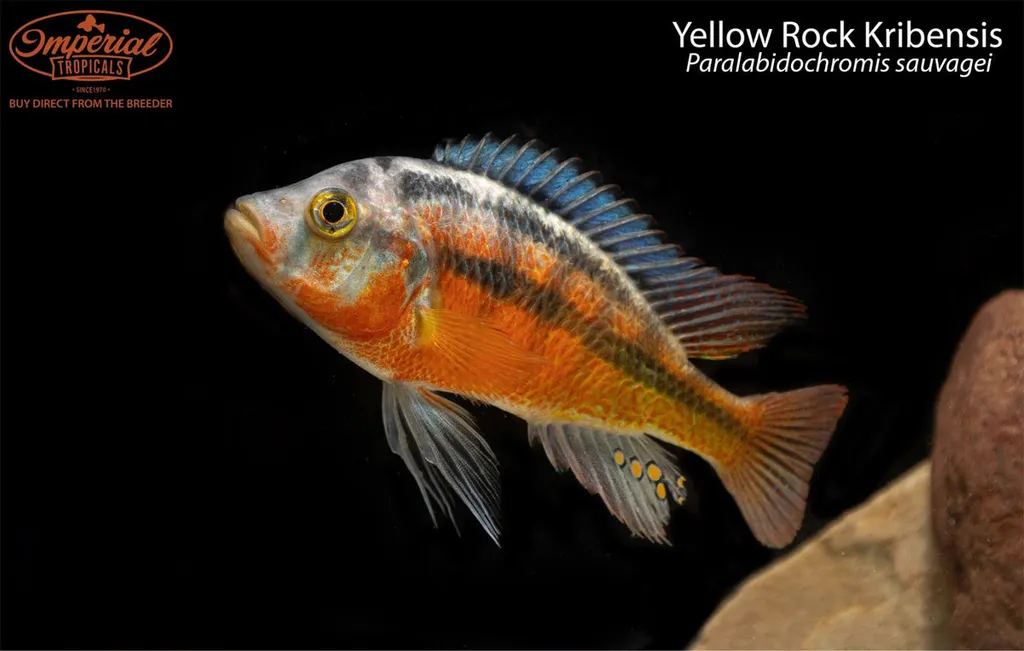 4.7 in (12 cm)66 gal (250 L)73–81°F (23–27°C)
Rock kribensis
Paralabidochromis sauvagei
4.7 in (12 cm) · 66 gal (250 L)
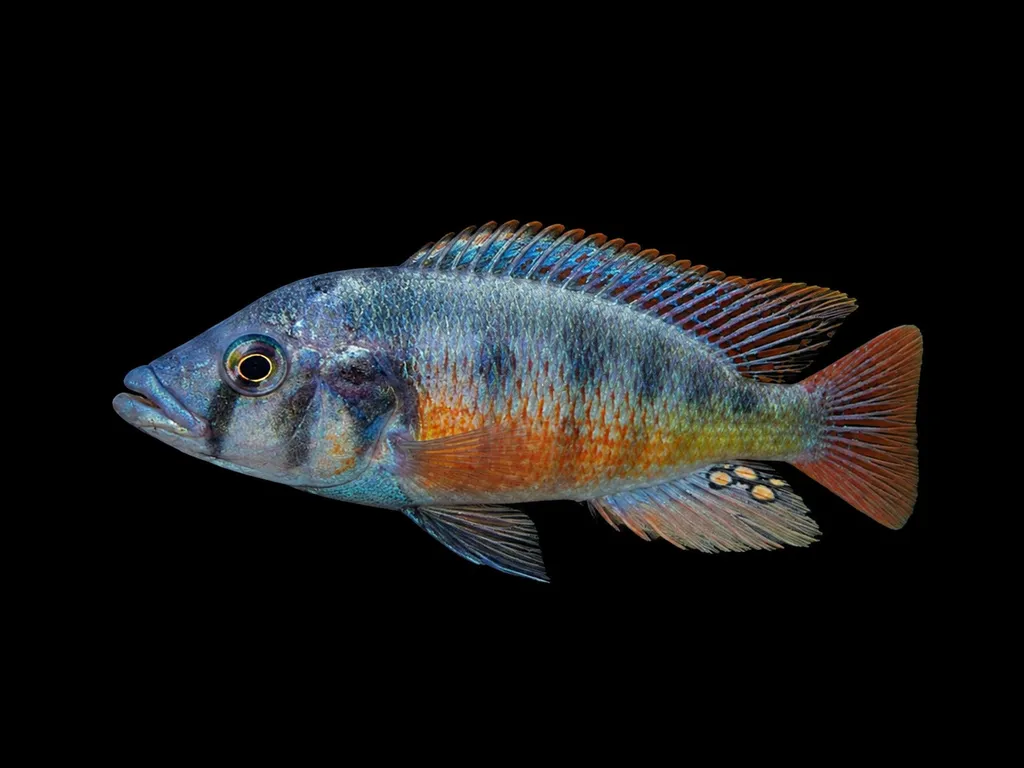 6.7 in (17 cm)66 gal (250 L)73–81°F (23–27°C)
Chilotes hap
Paralabidochromis chilotes
6.7 in (17 cm) · 66 gal (250 L)
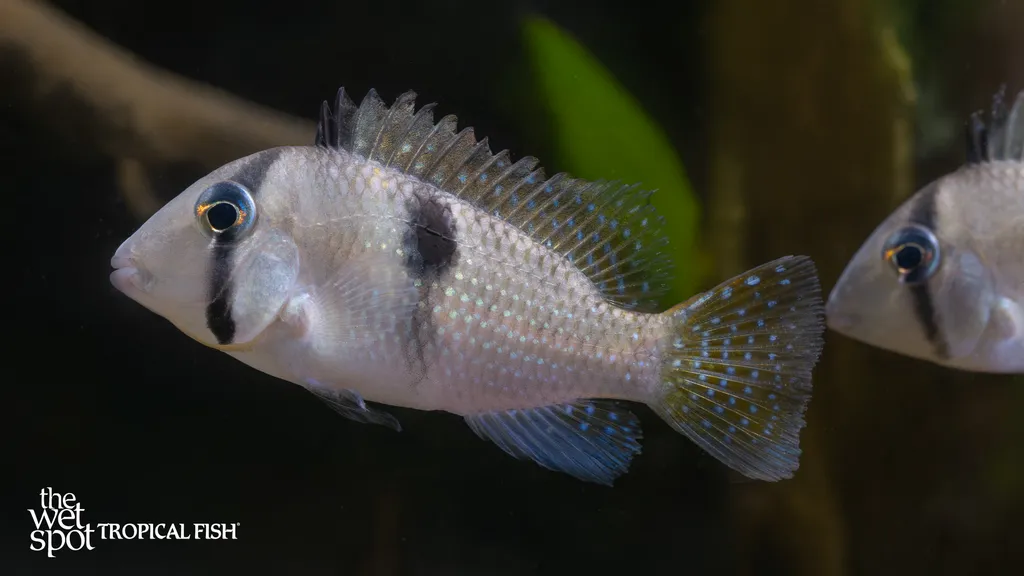 5.1 in (13 cm)40 gal (150 L)75–82°F (24–28°C)
Bandit cichlid
Guianacara geayi
5.1 in (13 cm) · 40 gal (150 L)
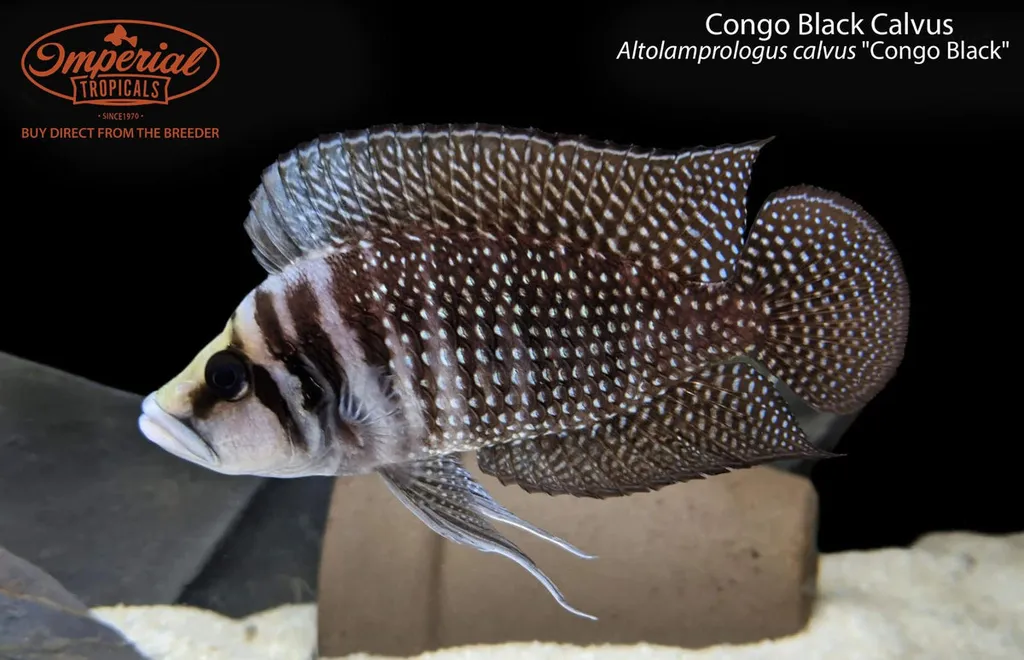 5.1 in (13 cm)53 gal (200 L)75–81°F (24–27°C)
Black calvus
Altolamprologus calvus
5.1 in (13 cm) · 53 gal (200 L)
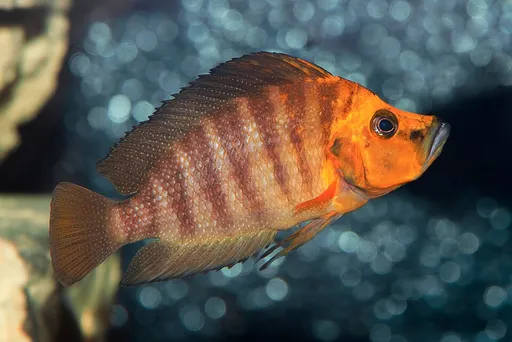 5.1 in (13 cm)53 gal (200 L)75–81°F (24–27°C)
Compressiceps
Altolamprologus compressiceps
5.1 in (13 cm) · 53 gal (200 L)
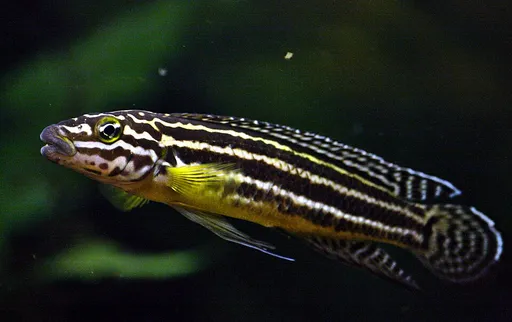 5.1 in (13 cm)29 gal (110 L)75–81°F (24–27°C)
Convict julie
Julidochromis regani
5.1 in (13 cm) · 29 gal (110 L)