Chilotes hap
Paralabidochromis chilotes
Also known as Haplochromis chilotes, Thick-lip Victoria hap
FreshwaterFish
Care at a glance
- Temperature
- 73–81°F
- 23–27°C
- pH
- 7.0–8.5
- Adult size
- 6.7 in
- 17 cm
- Minimum tank
- 66 gal
- 250 L
- Temperament
- Mostly peaceful
- Social behavior
- Solitary
- Tankmates
- With caution
- Swim level
- Bottom
- Difficulty
- Medium
- Breeding
- Mouthbrooder · Medium
- Rarity
- Rare
- Family
- Cichlidae
- Origin
- Lake Victoria
Overview
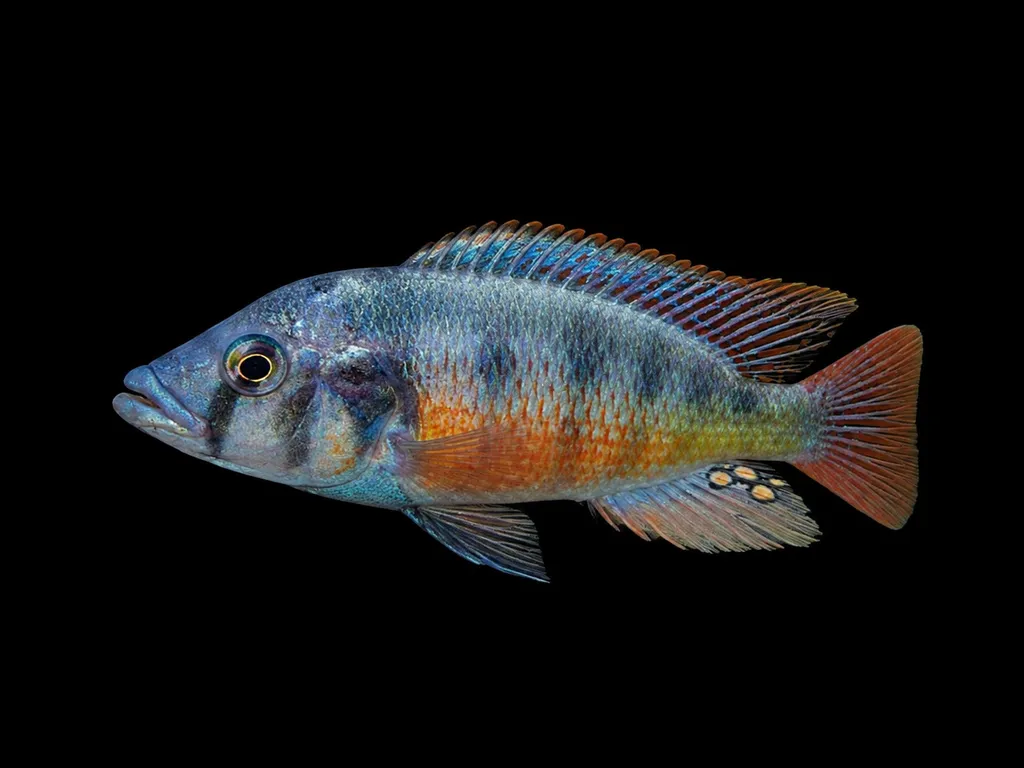
The Chilotes hap is a thick-lipped Lake Victoria cichlid that is calm for a haplochromine. It lives near the bottom of a rocky tank and is best with a little experience.
Did you know
The big rubbery lips of the Chilotes hap are a crack-feeding tool that has evolved over and over. Thick-lipped cichlids turned up separately in Lake Malawi, Lake Tanganyika and Lake Victoria. The three lakes arrived independently at the same fleshy gasket for prying food out of stone.
Caring for the Chilotes hap
Give the Chilotes hap a tank of at least 66 gal (250 L), with piled rock over a sandy floor. Build real crevices and cracks into the rock for it to probe, since crevice feeding is central to how it makes its living.
Keep the water moderately hard and alkaline, at 73 to 81°F (23 to 27°C) and a pH of 7.0 to 8.5. It works slowly over the rocks near the bottom, sucking insect larvae out of the cracks. Feed frozen bloodworm and other small meaty foods, along with a good pellet.
Keep a single male, or a male with a female or two, rather than a crowd of its own kind. It is fairly peaceful, but males color up and hold territory, so choose tank mates with some care. Good companions are other steady Victorian or hard-water cichlids of a similar size.
Males carry red and yellow on the flanks with orange spots on the anal fin, while females are a plainer gray. The female is a maternal mouthbrooder and carries the brood in her mouth. Breeding is moderately hard.
Good to know
The Chilotes hap, Paralabidochromis chilotes, is a member of the family Cichlidae. It is easily known by its swollen, lobed lips and pointed blue snout. Those fleshy lips seal against the rock so it can suck food from crevices.
In the wild
The Chilotes hap lives around the rocky shores of Lake Victoria in East Africa. It works the sheltered zones where stone meets sand. The lake is warm, moderately hard and alkaline.
Common questions
What size tank does a Chilotes hap need?
A Chilotes hap needs at least 66 gal (250 L). It spends most of its time in the bottom.
What temperature and pH does a Chilotes hap need?
A Chilotes hap is comfortable at 73–81°F (23–27°C) with a pH of 7.0–8.5.
What does a Chilotes hap eat?
A Chilotes hap sucks insect larvae out of cracks in the rock. Feed it frozen bloodworm and other small meaty foods, along with a good pellet.
How big does a Chilotes hap get?
An adult Chilotes hap reaches about 6.7 in (17 cm).
How can you tell a male Chilotes hap from a female?
Males carry red and yellow on the flanks, with orange spots on the anal fin. Females are a plainer gray.
How does a Chilotes hap breed?
A Chilotes hap is a maternal mouthbrooder, and the female carries the brood in her mouth. Breeding it is moderately hard.
Related species
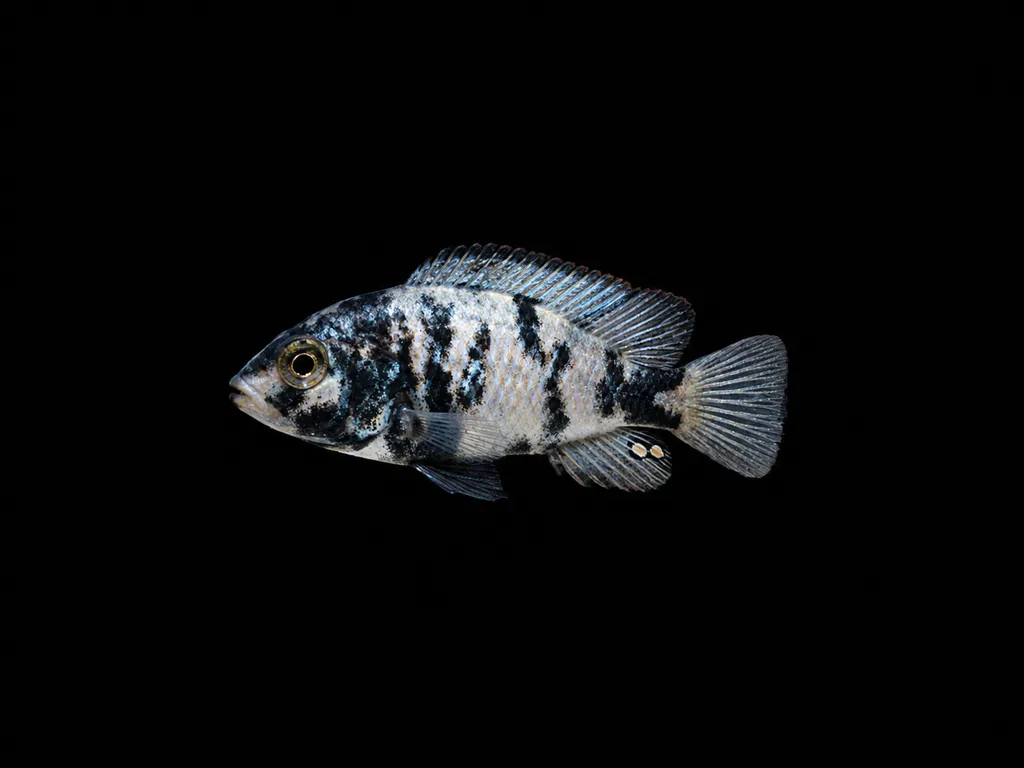 5.1 in (13 cm)66 gal (250 L)73–81°F (23–27°C)
Piebald hap
Paralabidochromis chromogynos
5.1 in (13 cm) · 66 gal (250 L)
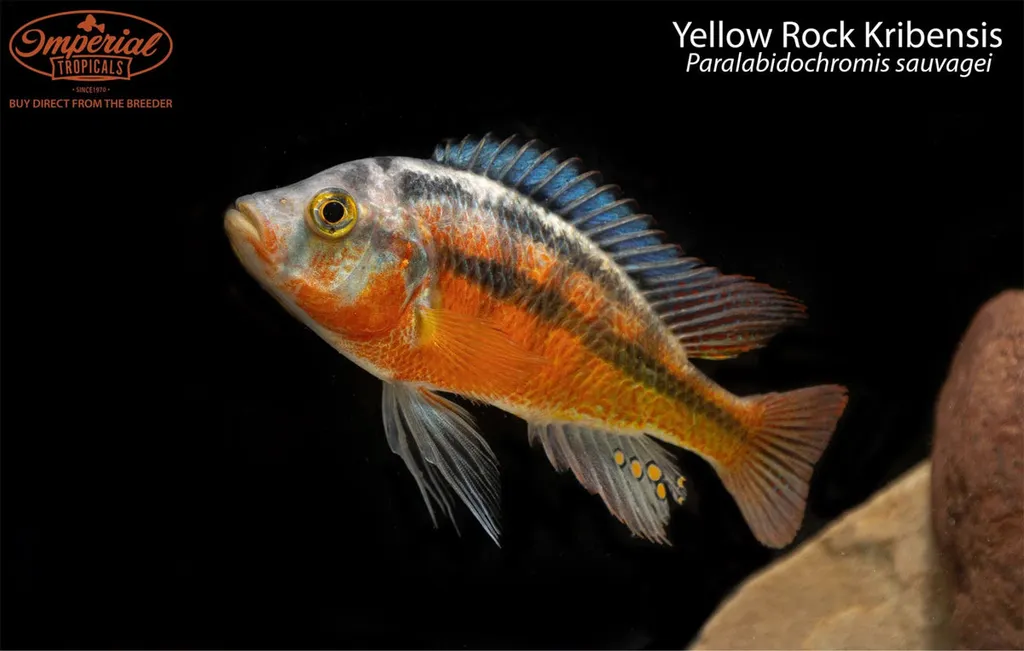 4.7 in (12 cm)66 gal (250 L)73–81°F (23–27°C)
Rock kribensis
Paralabidochromis sauvagei
4.7 in (12 cm) · 66 gal (250 L)
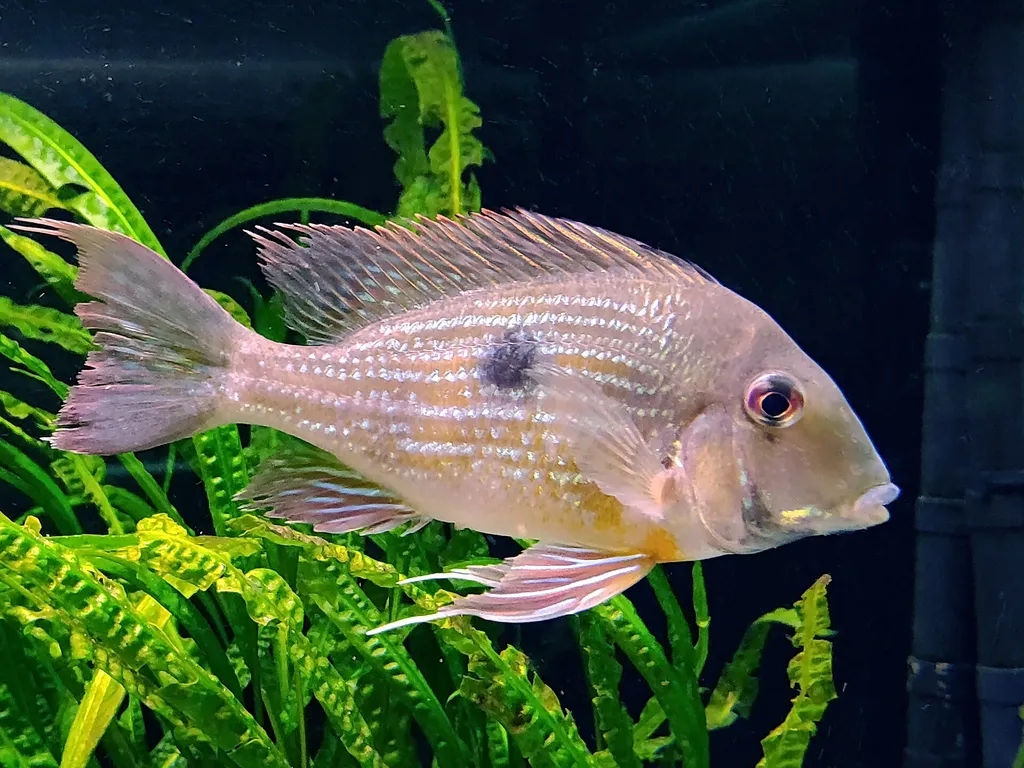 6.7 in (17 cm)106 gal (400 L)77–84°F (25–29°C)
Brachybranchus eartheater
Geophagus brachybranchus
6.7 in (17 cm) · 106 gal (400 L)
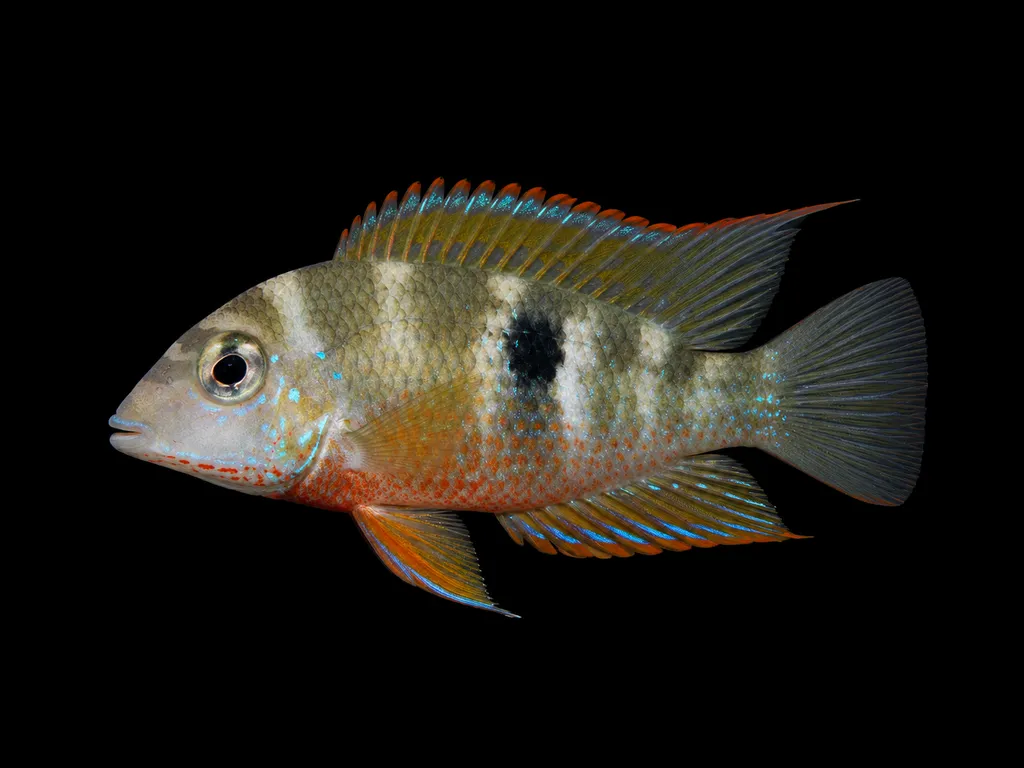 6.7 in (17 cm)66 gal (250 L)75–84°F (24–29°C)
Callolepis firemouth
Thorichthys callolepis
6.7 in (17 cm) · 66 gal (250 L)
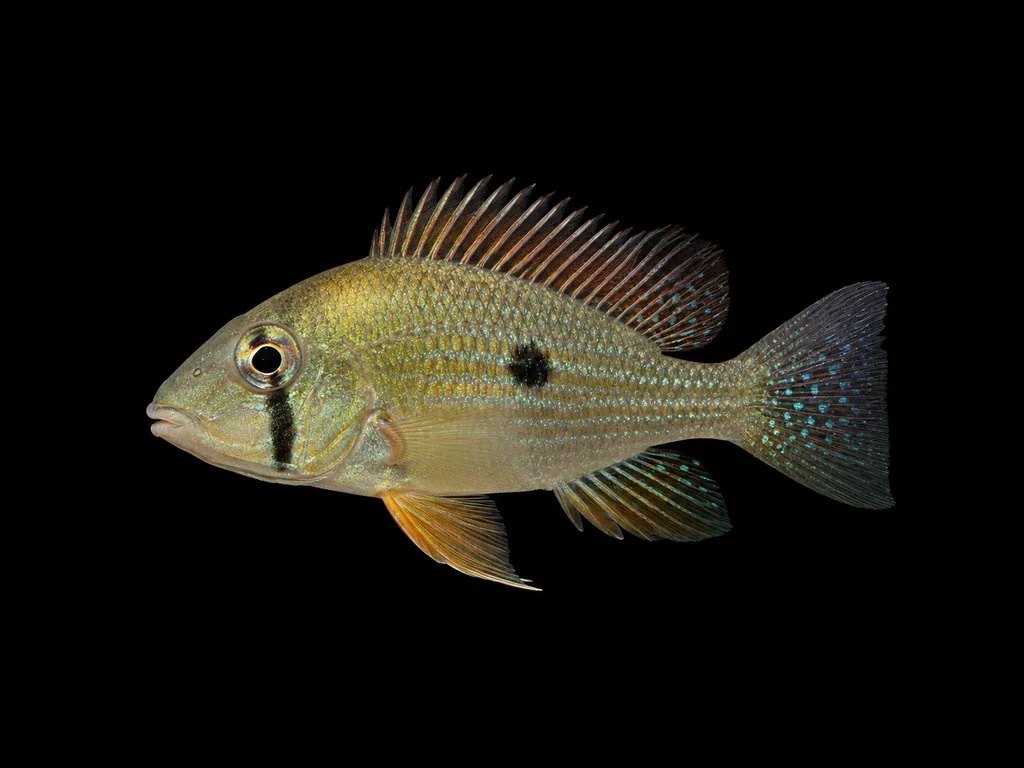 6.7 in (17 cm)106 gal (400 L)77–84°F (25–29°C)
Cheekband eartheater
Geophagus taeniopareius
6.7 in (17 cm) · 106 gal (400 L)
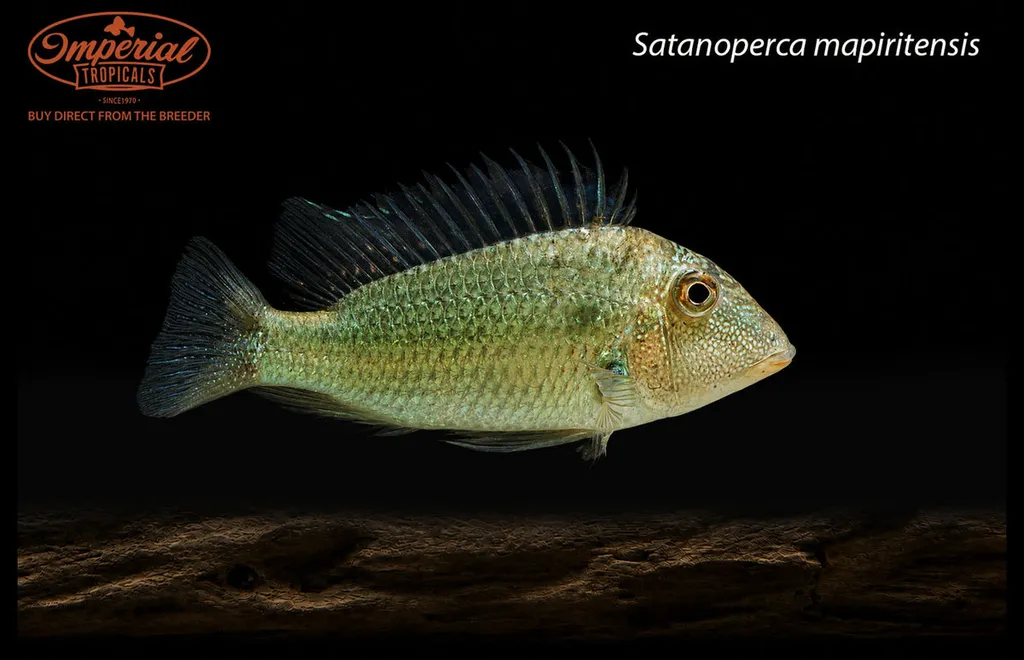 6.7 in (17 cm)106 gal (400 L)77–84°F (25–29°C)
Fine-spotted eartheater
Satanoperca mapiritensis
6.7 in (17 cm) · 106 gal (400 L)