Giant raphael catfish
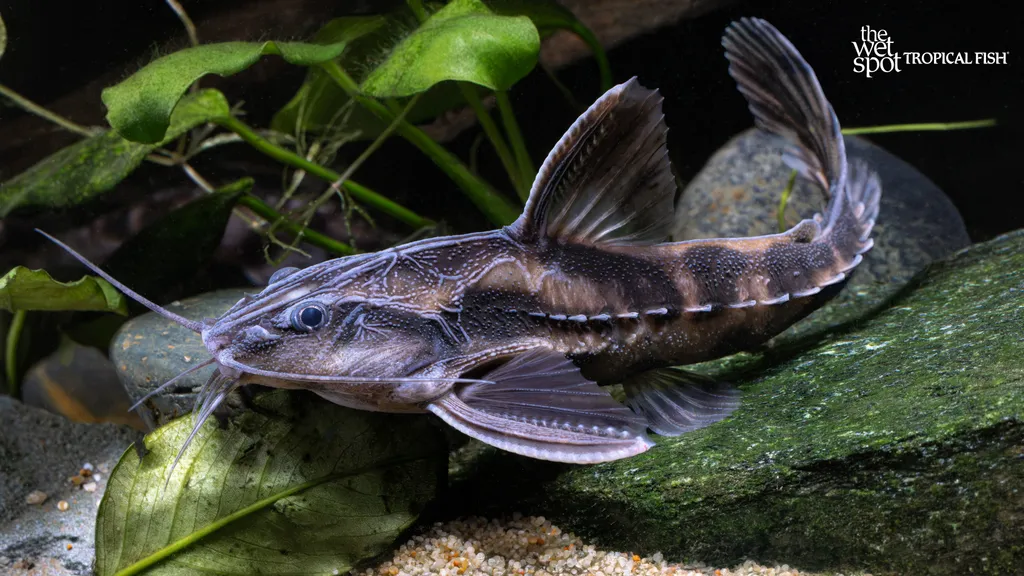
Megalodoras uranoscopus
Also known as Mother of snails catfish, Giant talking catfish, Snail-eating doradid
FreshwaterFish
Care at a glance
- Temperature
- 73–82°F
- 23–28°C
- pH
- 6.0–7.5
- Adult size
- 23.6 in
- 60 cm
- Minimum tank
- 264 gal
- 1,000 L
- Temperament
- Peaceful
- Social behavior
- Solitary
- Tankmates
- With caution
- Swim level
- Bottom
- Difficulty
- Difficult
- Breeding
- No record
- Rarity
- Rare
- Family
- Doradidae
- Origin
- Native to the Amazon River basin of South America.
Overview
The giant raphael is a peaceful, slow-growing tank buster that eventually needs a very large tank of at least 1000 liters and a commitment of many years. It is not aggressive and coexists calmly with other big fish, but it will eat snails and any small tankmate it can swallow. Feed sinking pellets, frozen and meaty foods, and some fruit and vegetable matter. Its heavy armor and sharp scutes make careful handling essential.
In the wild
The giant raphael is a heavily armored Amazon doradid of large rivers and flooded forest, foraging slowly over the bottom mostly at night. It is a bulky, deliberate fish that spends the day tucked against wood or in a cave. Give it a large tank with a soft sandy bed, big driftwood, and shaded retreats, with soft to neutral water at 23 to 28 degrees C.
Good to know
Megalodoras uranoscopus reaches about 60 cm and up to 70 cm and around 4.6 kg, clad in the family's rows of bony spined plates. In the wild it eats a lot of fruit, seeds, and snails, and its old nickname mother of snails comes from the huge numbers of snail shells found in its gut. Like other doradids it can creak and grunt using its fins and swim bladder.
Did you know
It earned the name mother of snails because researchers who opened wild specimens found their stomachs packed with hundreds of crushed snail shells.
Common questions
What size tank does a Giant raphael catfish need?
A Giant raphael catfish needs at least 264 gal (1,000 L). It spends most of its time in the bottom.
What temperature and pH does a Giant raphael catfish need?
A Giant raphael catfish is comfortable at 73–82°F (23–28°C) with a pH of 6.0–7.5.
How big does a Giant raphael catfish get?
An adult Giant raphael catfish reaches about 23.6 in (60 cm).
Related species
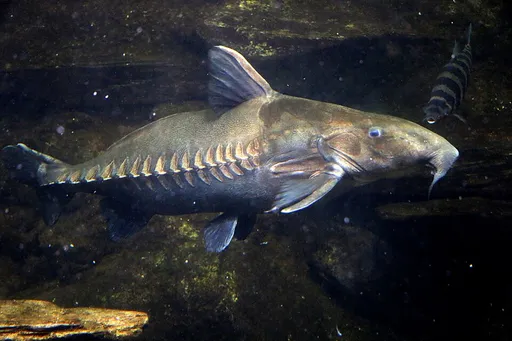 39.4 in (100 cm)396 gal (1,500 L)72–82°F (22–28°C)
Ripsaw catfish
Oxydoras niger
39.4 in (100 cm) · 396 gal (1,500 L)
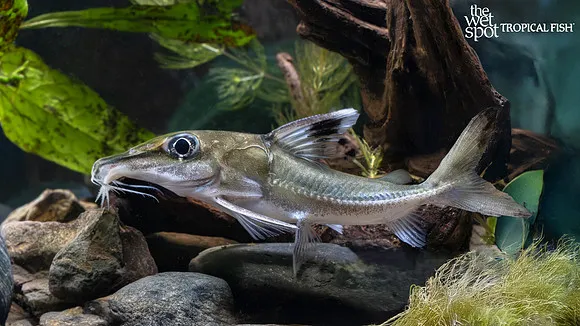 11.8 in (30 cm)106 gal (400 L)73–82°F (23–28°C)
Black-top mouse catfish
Hassar orestis
11.8 in (30 cm) · 106 gal (400 L)
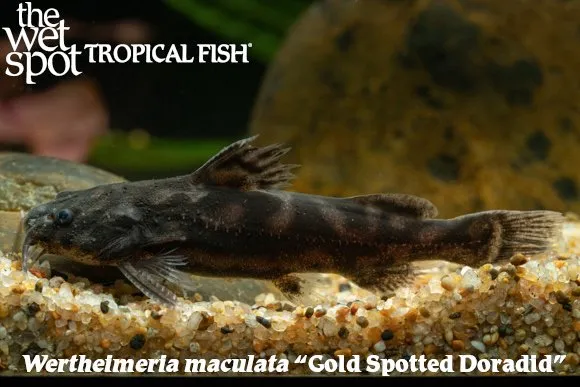 11.8 in (30 cm)106 gal (400 L)68–79°F (20–26°C)
Gold-spotted doradid
Wertheimeria maculata
11.8 in (30 cm) · 106 gal (400 L)
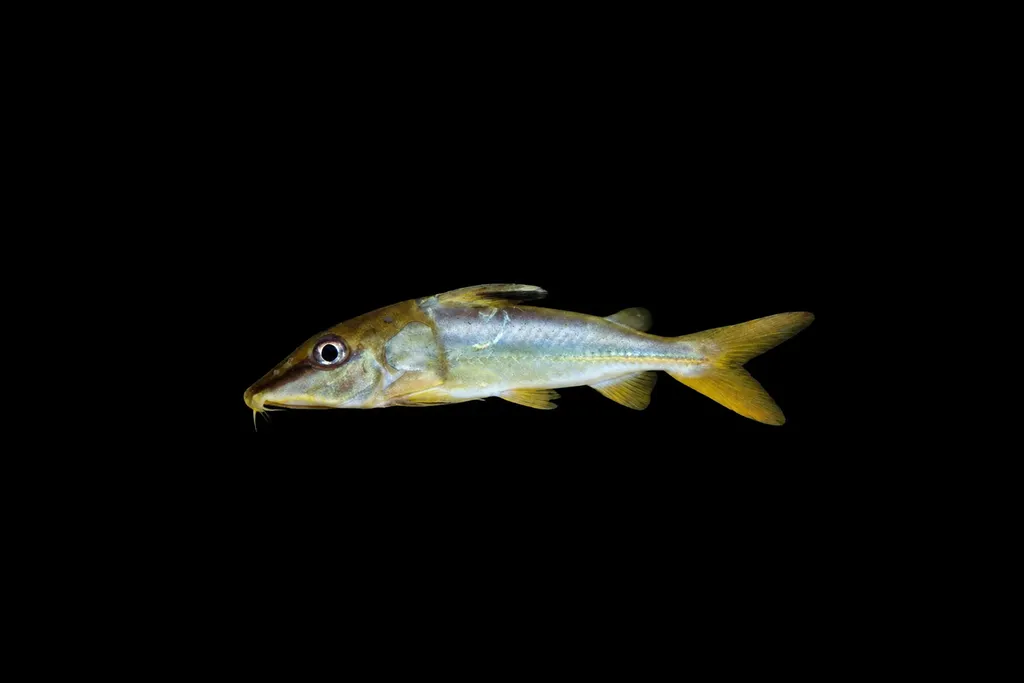 9.8 in (25 cm)106 gal (400 L)73–82°F (23–28°C)
Wilder's mouse catfish
Hassar wilderi
9.8 in (25 cm) · 106 gal (400 L)
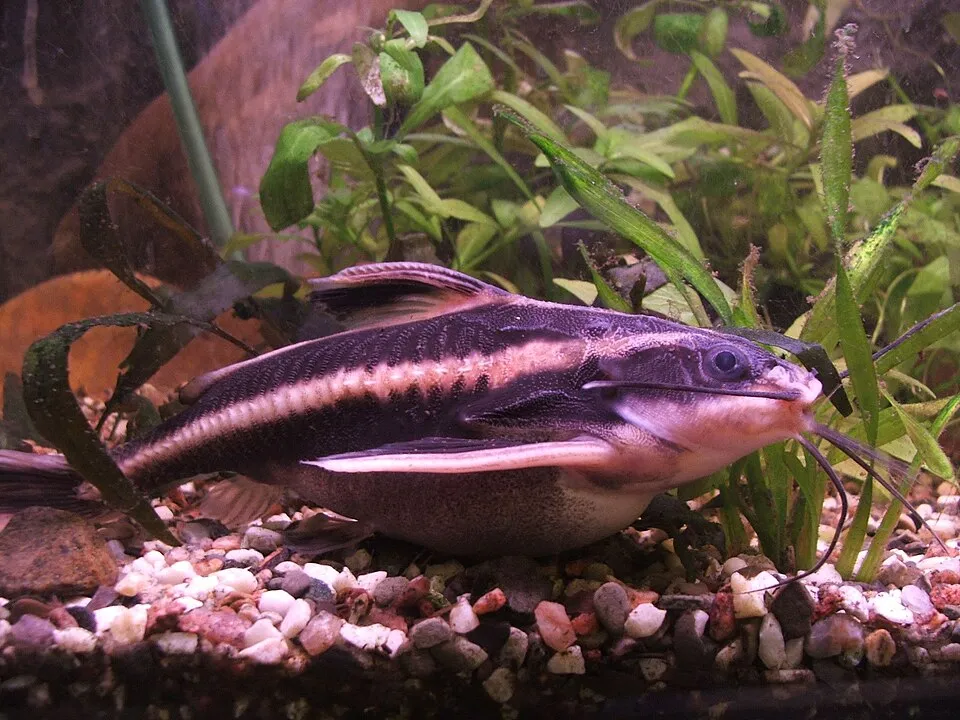 8.7 in (22 cm)45 gal (170 L)75–86°F (24–30°C)
Striped raphael catfish
Platydoras armatulus
8.7 in (22 cm) · 45 gal (170 L)
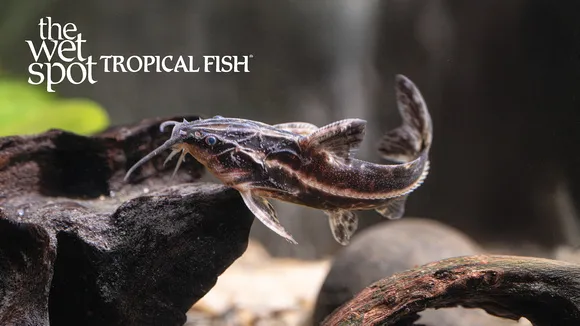 7.9 in (20 cm)70 gal (265 L)73–82°F (23–28°C)
Orinoco talking catfish
Orinocodoras eigenmanni
7.9 in (20 cm) · 70 gal (265 L)