Blue zaire frontosa
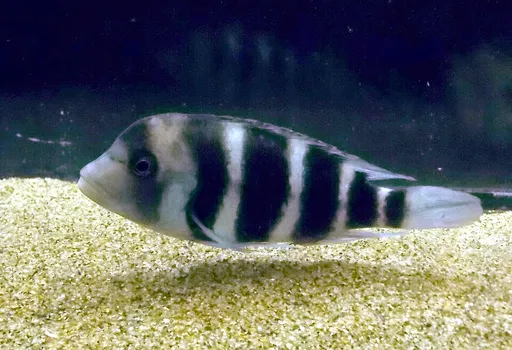
Cyphotilapia gibberosa
Also known as Gibberosa, Zaire blue frontosa, Moba frontosa
FreshwaterFish
Care at a glance
- Temperature
- 75–81°F
- 24–27°C
- pH
- 7.8–9.0
- Adult size
- 13.8 in
- 35 cm
- Minimum tank
- 119 gal
- 450 L
- Temperament
- Mostly peaceful
- Social behavior
- Social
- Swim level
- Middle
- Difficulty
- Medium
- Breeding
- Hard
- Rarity
- Common
- Family
- Cichlidae
- Origin
- Deep rocky slopes of the southern half of Lake Tanganyika in East Africa.
Overview
This large fish needs a tall tank of at least 450 liters, more for a group, with big rock structures and hard alkaline water at 24 to 27 C, pH 7.8 to 9.0. It is calm and even shy despite its size, but it will eat any tankmate small enough to swallow. Keep a group of one male with several females and feed meaty foods like frozen shrimp, mysis and quality pellets. Avoid overfeeding, since it grows and matures slowly.
In the wild
The blue zaire is a deep water frontosa from the southern half of Lake Tanganyika, living on rocky slopes well below the surface. It is a big, slow moving fish with tall black bars on a blue white body and a bulging forehead on adults. At night it hunts smaller fish that shelter in the rocks.
Good to know
Cyphotilapia gibberosa was split from the northern frontosa in 2003, based on differences in form and its home in the southern lake. Prized color forms like the Zaire Blue Moba come from specific stretches of shoreline. It is a slow growing maternal mouthbrooder that can live for many years.
Did you know
The deep blue Zaire forms from places like Moba are among the most prized and expensive of all Tanganyikan cichlids.
Weekly picks
Tank mates
Blue zaire frontosa is a mostly peaceful, social species that keeps to the middle. These picks share a community profile with it, are safe together in both directions, and overlap on water type, temperature and pH.
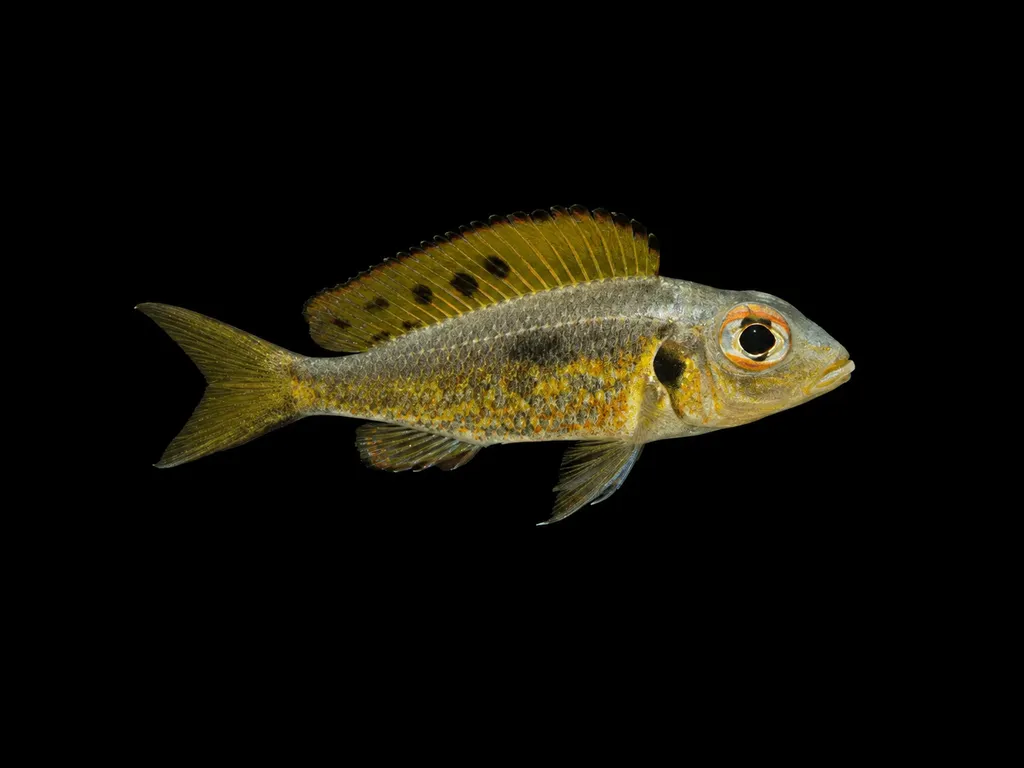
Blackspot callochromis
Callochromis melanostigma
Freshwater5.9 in (15 cm) · 79 gal (300 L)75–81°F (24–27°C)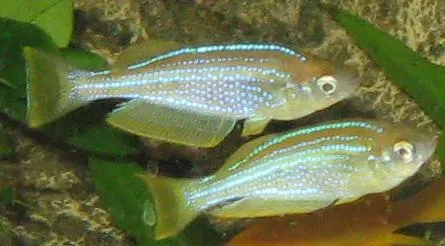
Tanganyika killifish
Lamprichthys tanganicanus
Freshwater5.5 in (14 cm) · 40 gal (150 L)73–77°F (23–25°C)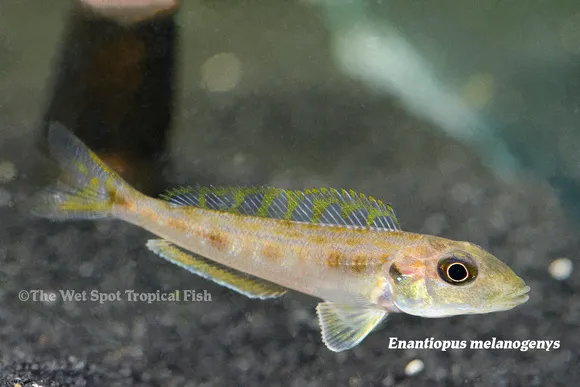
Blackchin sand diver
Xenotilapia melanogenys
Freshwater5.9 in (15 cm) · 106 gal (400 L)75–81°F (24–27°C)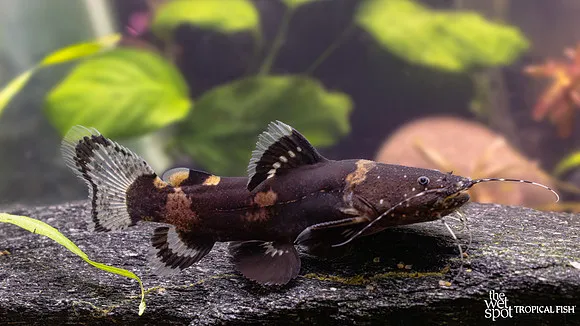
Poll's synodontis
Synodontis polli
Freshwater7.1 in (18 cm) · 50 gal (190 L)72–79°F (22–26°C)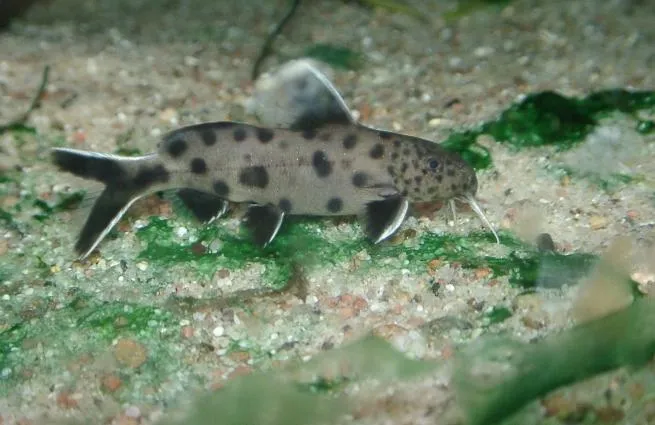
Even-Spotted squeaker
Synodontis petricola
Freshwater4.7 in (12 cm) · 45 gal (170 L)75–82°F (24–28°C)
Common questions
What size tank does a Blue zaire frontosa need?
A Blue zaire frontosa needs at least 119 gal (450 L). It spends most of its time in the middle.
What temperature and pH does a Blue zaire frontosa need?
A Blue zaire frontosa is comfortable at 75–81°F (24–27°C) with a pH of 7.8–9.0.
How big does a Blue zaire frontosa get?
An adult Blue zaire frontosa reaches about 13.8 in (35 cm).
Related species
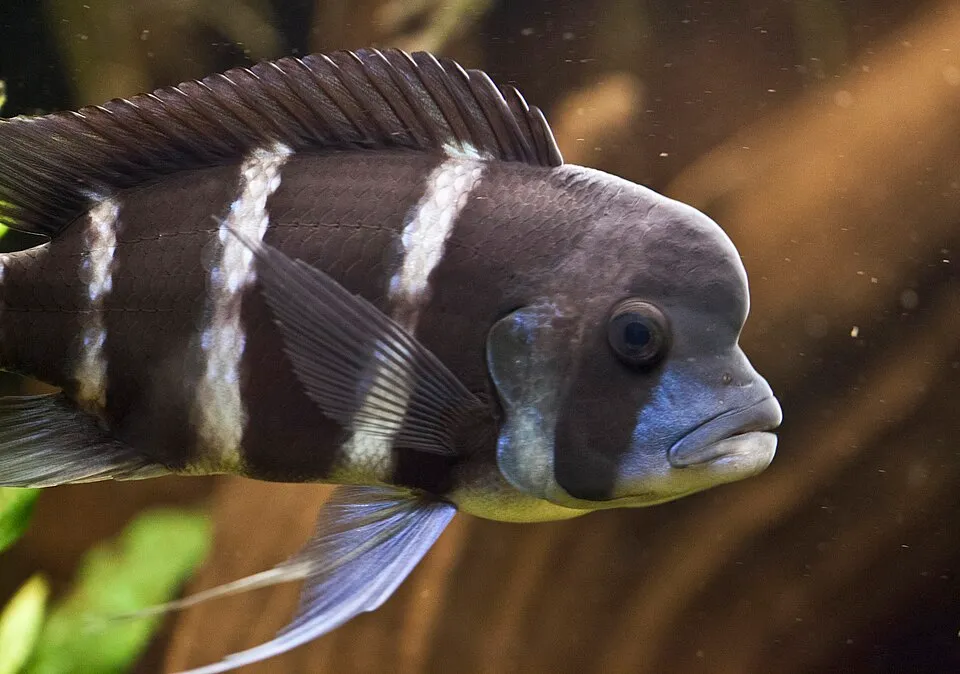 12.6 in (32 cm)227 gal (860 L)73–81°F (23–27°C)
Frontosa cichlid
Cyphotilapia frontosa
12.6 in (32 cm) · 227 gal (860 L)
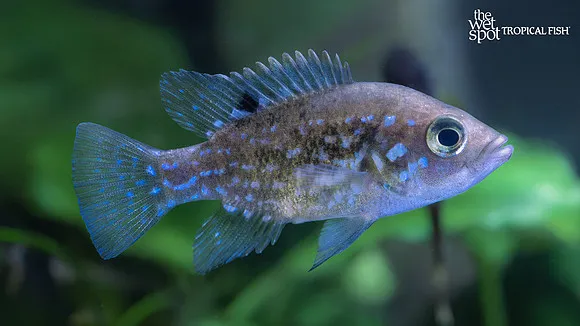 15.7 in (40 cm)119 gal (450 L)73–82°F (23–28°C)
Ngege tilapia
Oreochromis esculentus
15.7 in (40 cm) · 119 gal (450 L)
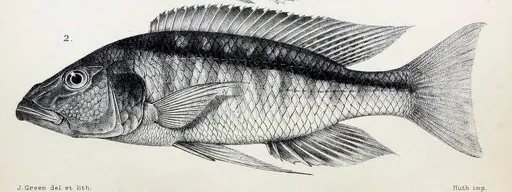 15.7 in (40 cm)125 gal (475 L)75–81°F (24–27°C)
Spilo
Champsochromis spilorhynchus
15.7 in (40 cm) · 125 gal (475 L)
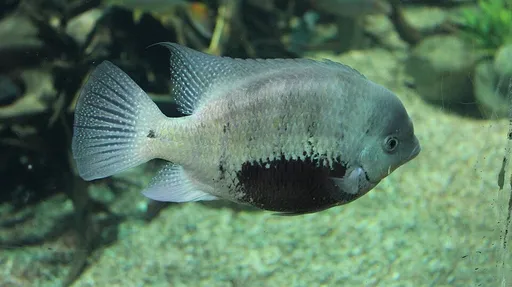 11.8 in (30 cm)119 gal (450 L)77–86°F (25–30°C)
Pantano cichlid
Cincelichthys pearsei
11.8 in (30 cm) · 119 gal (450 L)
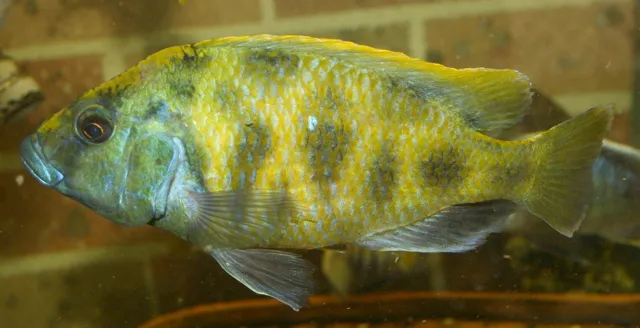 11.8 in (30 cm)74 gal (280 L)75–82°F (24–28°C)
Venustus cichlid
Nimbochromis venustus
11.8 in (30 cm) · 74 gal (280 L)
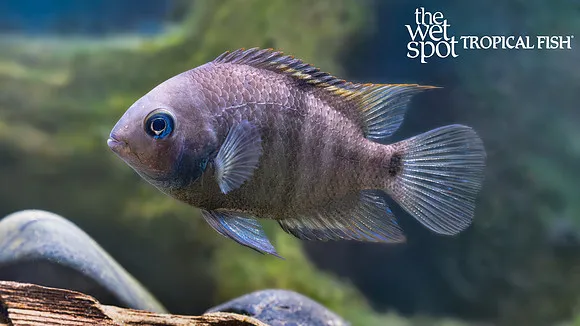 11 in (28 cm)92 gal (350 L)75–82°F (24–28°C)
Tailbar cichlid
Vieja hartwegi
11 in (28 cm) · 92 gal (350 L)