Bolt catfish
Aguarunichthys torosus
FreshwaterFish
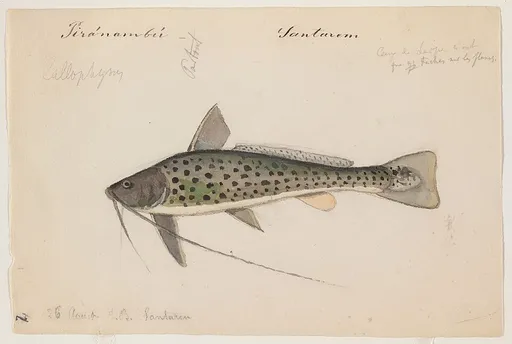
Care at a glance
- Temperature
- 72–81°F
- 22–27°C
- pH
- 6.0–7.5
- Adult size
- 13.4 in
- 34 cm
- Minimum tank
- 120 gal
- 455 L
- Temperament
- Aggressive
- Social behavior
- Solitary
- Tankmates
- With caution
- Swim level
- Bottom
- Difficulty
- Difficult
- Breeding
- No record
- Rarity
- Very rare
- Family
- Pimelodidae
- Origin
- Peru, Ecuador
Overview
The bolt catfish is an agile, fast-moving predator that lives up to its name, and it is best kept singly. It is an obligate fish-eater in the wild and stays aggressive in the tank, harassing and attacking its own kind and any similar-looking catfish, so house it alone with fast, robust tankmates too large to be swallowed. Give it a long, open swimming lane, moderate to strong current, and a few solid caves. It usually learns to take quality sinking pellets, strips of fish, prawn, and earthworms, so live feeders are not needed. Aim for a tank of around 455 liters or larger with a tight lid, since it is powerful and easily startled.
In the wild
The bolt catfish is known mainly from the Rio Maranon in the upper Amazon of Peru, with populations likely reaching into rivers draining from Ecuador. It lives in warm, well-oxygenated, fast-flowing water, so recreate that with around 22 to 27 C, a pH between 6 and 7.5, and strong flow from a generous filter or powerhead. A dim setup with a sand or fine gravel bed, smooth boulders, and open channels between them suits its restless, current-loving nature.
Good to know
The bolt catfish is a long-whiskered catfish of the family Pimelodidae and reaches about 34 cm, the largest recorded specimen measuring close to that. It is built for speed, with a slim, muscular body, large fins, and long barbels, dressed in silver with purple and yellow tones. The genus name honours the Aguaruna people of northern Peru, from whose home rivers the fish was described. As an uncommon aquarium species, it has no recorded history of breeding in captivity.
Did you know
The bolt catfish is named for its sudden, lightning-quick bursts of speed. Its scientific name, Aguarunichthys, honours the Aguaruna people of northern Peru, who live along the Maranon river where the species was first found.
Common questions
What size tank does a Bolt catfish need?
A Bolt catfish needs at least 120 gal (455 L). It spends most of its time in the bottom.
What temperature and pH does a Bolt catfish need?
A Bolt catfish is comfortable at 72–81°F (22–27°C) with a pH of 6.0–7.5.
How big does a Bolt catfish get?
An adult Bolt catfish reaches about 13.4 in (34 cm).
Related species
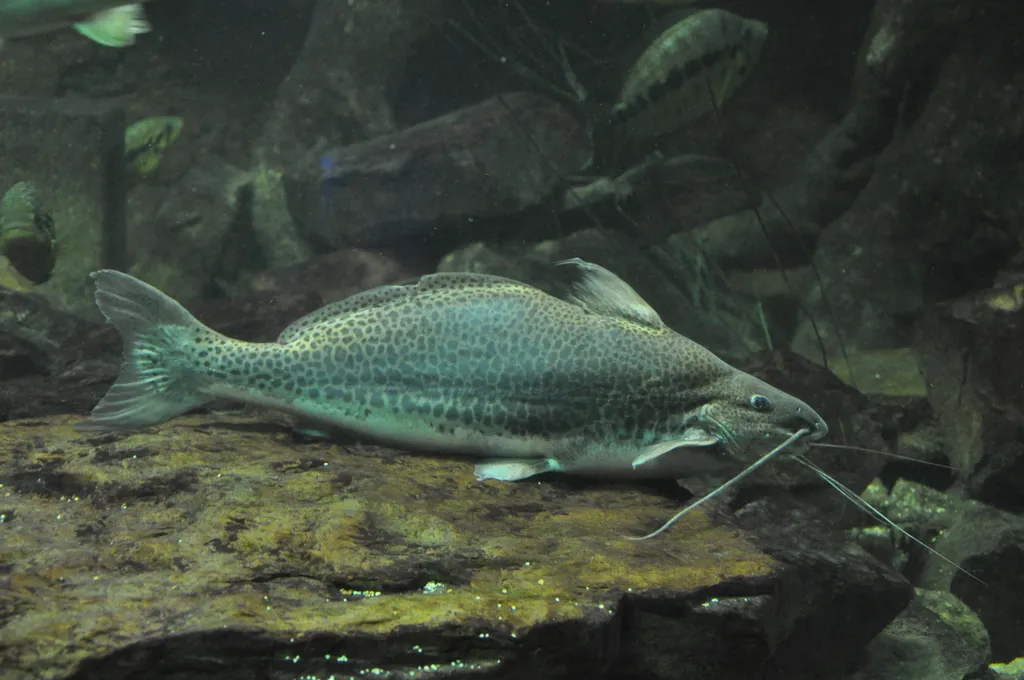 15.7 in (40 cm)120 gal (455 L)75–84°F (24–29°C)
Vulture catfish
Calophysus macropterus
15.7 in (40 cm) · 120 gal (455 L)
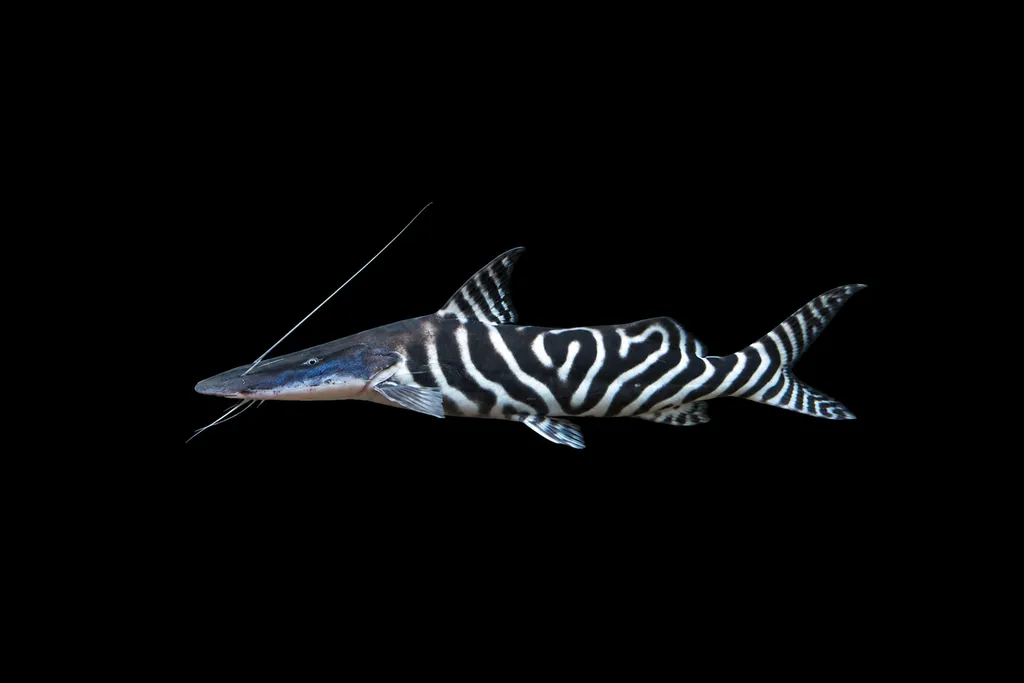 23.6 in (60 cm)151 gal (570 L)72–90°F (22–32°C)
Zebra shovelnose
Brachyplatystoma tigrinum
23.6 in (60 cm) · 151 gal (570 L)
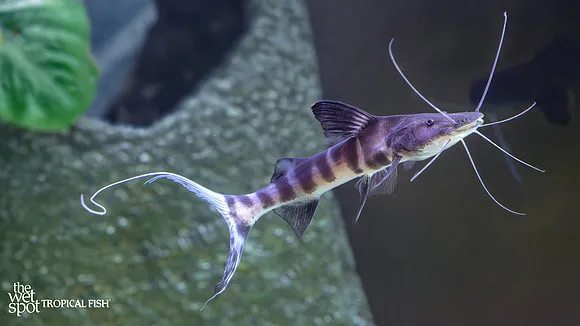 23.6 in (60 cm)396 gal (1,500 L)73–82°F (23–28°C)
Zebra shovelnose catfish
Brachyplatystoma juruense
23.6 in (60 cm) · 396 gal (1,500 L)
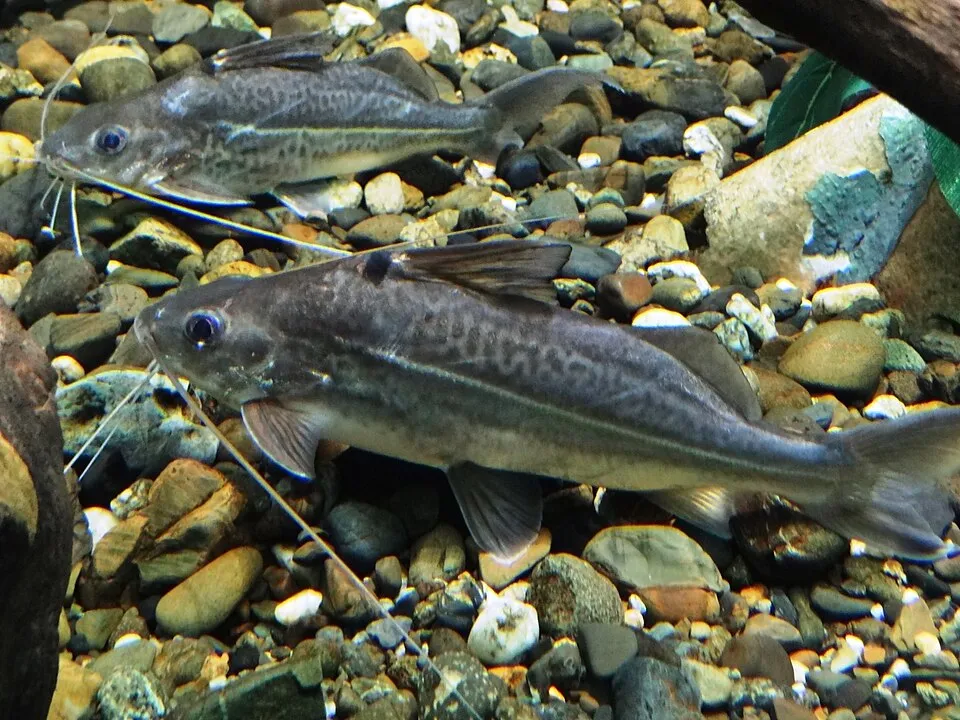 12.2 in (31 cm)65 gal (245 L)75–82°F (24–28°C)
Ornate pimelodus
Pimelodus ornatus
12.2 in (31 cm) · 65 gal (245 L)
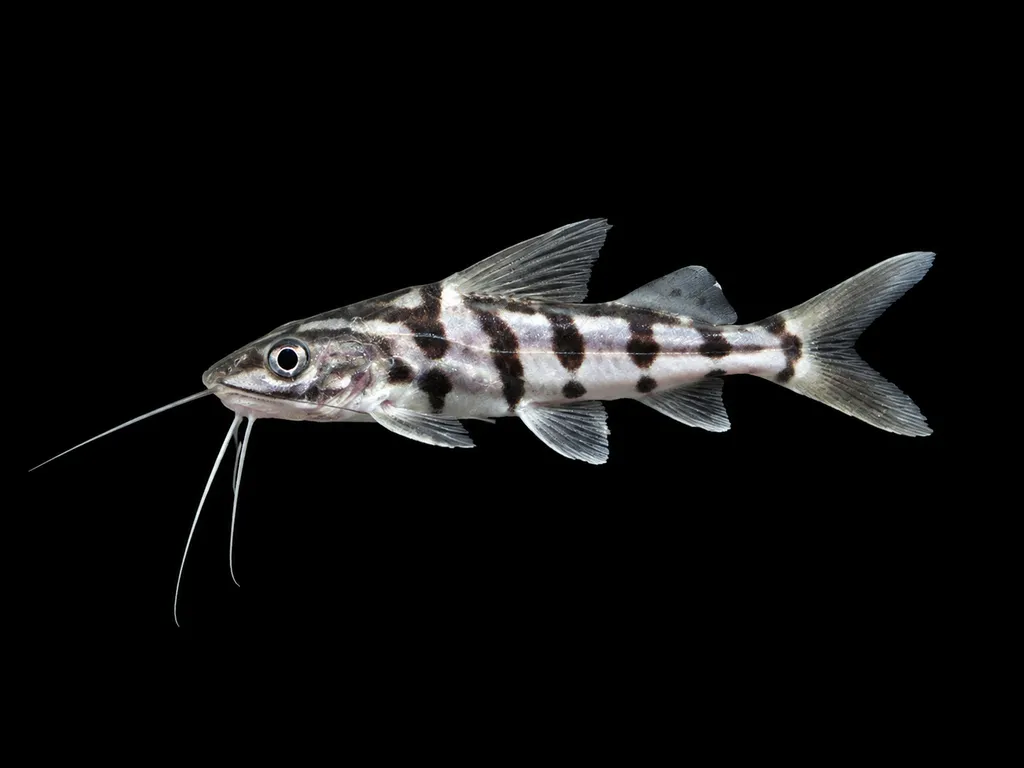 11.8 in (30 cm)106 gal (400 L)73–82°F (23–28°C)
Four-line pimelodus
Pimelodus albofasciatus
11.8 in (30 cm) · 106 gal (400 L)
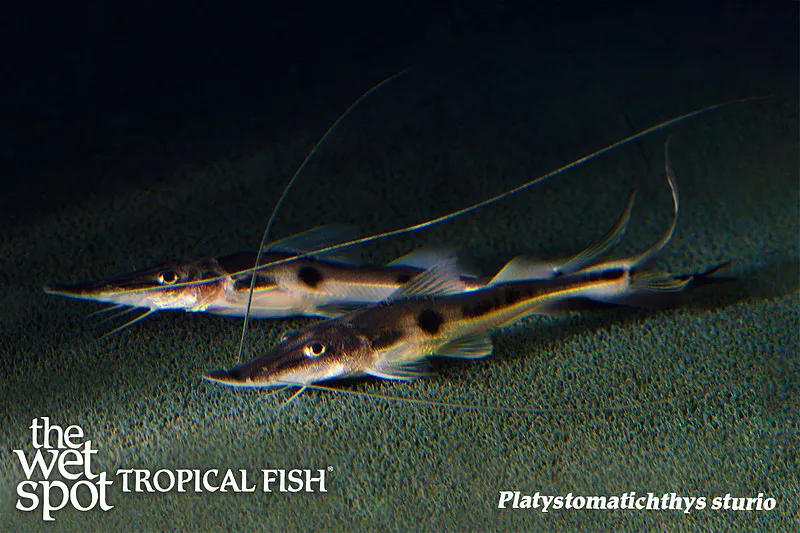 15.7 in (40 cm)120 gal (455 L)75–82°F (24–28°C)
Zorro catfish
Platystomatichthys sturio
15.7 in (40 cm) · 120 gal (455 L)