Bloch's catfish
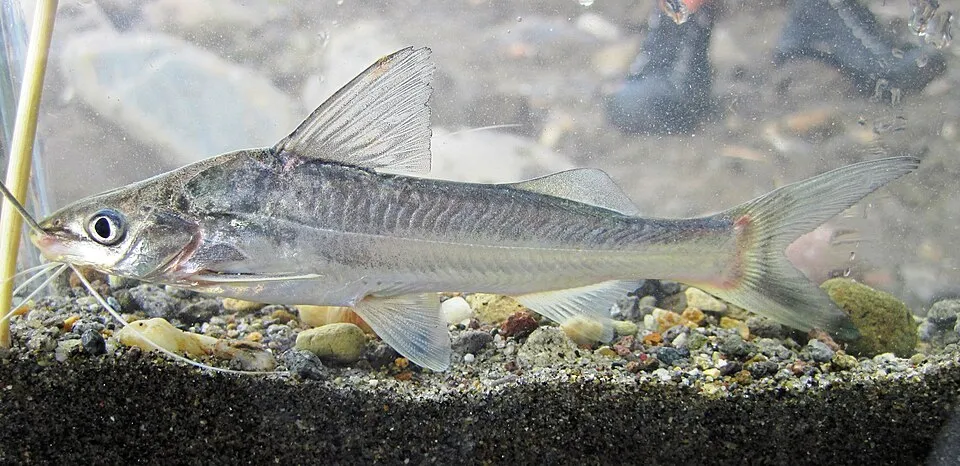
Pimelodus blochii
Also known as Four-lined pimelodus
FreshwaterFish
Care at a glance
- Temperature
- 68–79°F
- 20–26°C
- pH
- 6.0–7.5
- Adult size
- 9.8 in
- 25 cm
- Minimum tank
- 53 gal
- 200 L
- Temperament
- Mostly peaceful
- Social behavior
- Social
- Tankmates
- With caution
- Swim level
- Bottom
- Difficulty
- Medium
- Breeding
- No record
- Rarity
- Common
- Family
- Pimelodidae
- Origin
- South America: Amazon, Orinoco, Essequibo and Corantijn basins, and Gulf of Paria
Overview
Keep them in a tank of 200 liters or larger, either as a single fish or a small group of three or more, since they are gregarious but not an obligate schooler. They are nocturnal and mostly peaceful toward fish their own size or bigger, but they are predators and will eat any tankmate small enough to swallow, so pick larger barbs, bigger gouramis, cichlids, or other medium catfish. Hold the water from 20 to 26 C with a pH of 6 to 7.5, and keep it clean, as scaleless fish suffer in poor conditions. Feed sinking pellets, frozen and live foods, and pieces of fish or shrimp after the lights go out. These grow large and are sometimes restricted, so check local rules and never release one into the wild.
In the wild
Bloch's catfish ranges across South America, through the Amazon, Orinoco, Essequibo, and Corantijn basins and the Gulf of Paria. These are big, flowing river systems, and this is an active, fast-swimming bottom fish that needs room to move. Give them a tank of at least 200 liters with a long, open footprint for swimming, plus driftwood and rock caves where they can shelter during the day. Run the water from 20 to 26 C with a pH of 6 to 7.5. Use sand or smooth rounded gravel, since sharp substrate damages their long barbels.
Good to know
This is a pimelodid catfish in the family Pimelodidae, sometimes called the four-line pictus. Adults in the aquarium usually reach about 20 to 25 cm, and FishBase lists a maximum near 35 cm. It is a scaleless catfish, which makes it sensitive to many medications, so dose conservatively if you treat the tank. There is no reliable record of it breeding in captivity.
Did you know
It carries four pale stripes running the length of the body, which is where the four-line pictus name comes from. In the wild it lives in the lower, slightly brackish reaches of these rivers as well as fresh water, so it tolerates a touch of salt, though hobbyists keep it in plain fresh water.
Common questions
What size tank does a Bloch's catfish need?
A Bloch's catfish needs at least 53 gal (200 L). It spends most of its time in the bottom.
What temperature and pH does a Bloch's catfish need?
A Bloch's catfish is comfortable at 68–79°F (20–26°C) with a pH of 6.0–7.5.
How big does a Bloch's catfish get?
An adult Bloch's catfish reaches about 9.8 in (25 cm).
Related species
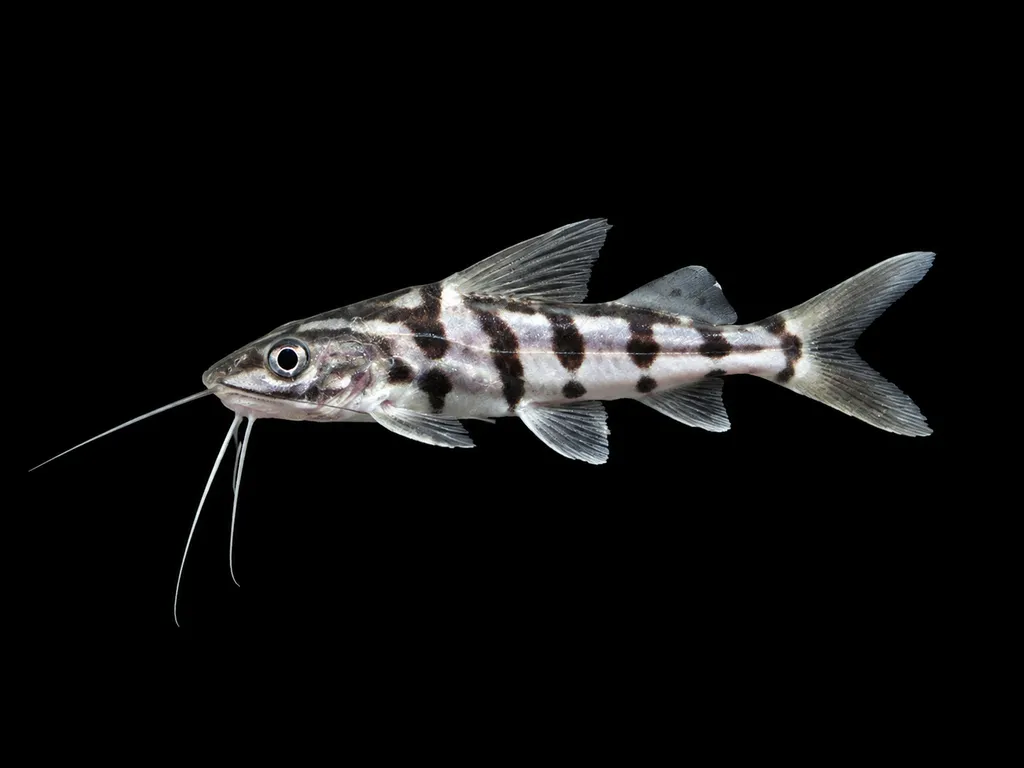 11.8 in (30 cm)106 gal (400 L)73–82°F (23–28°C)
Four-line pimelodus
Pimelodus albofasciatus
11.8 in (30 cm) · 106 gal (400 L)
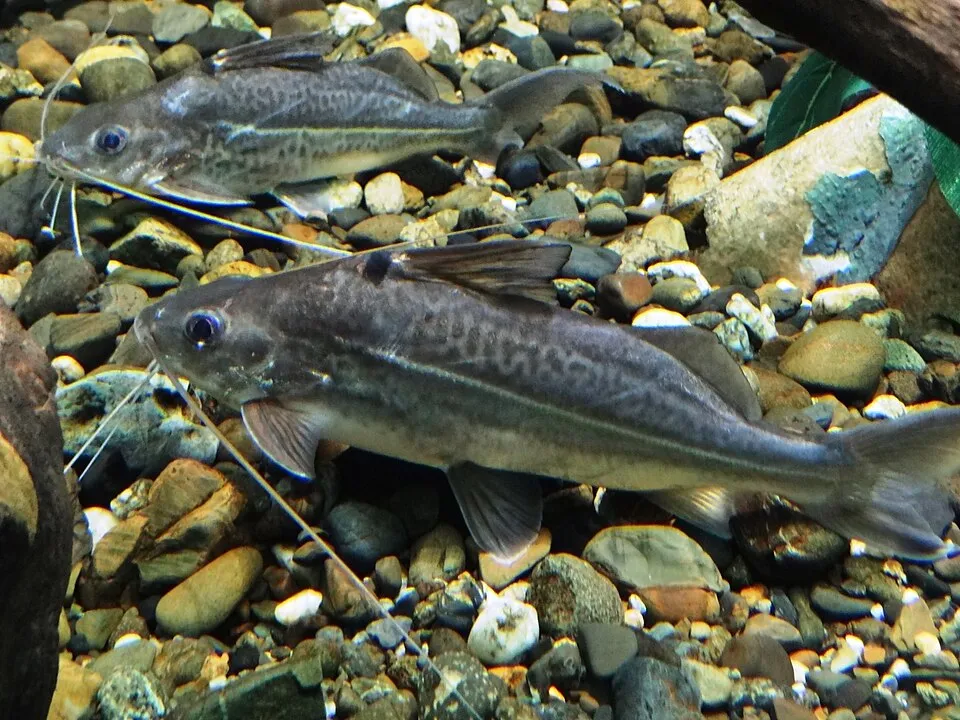 12.2 in (31 cm)65 gal (245 L)75–82°F (24–28°C)
Ornate pimelodus
Pimelodus ornatus
12.2 in (31 cm) · 65 gal (245 L)
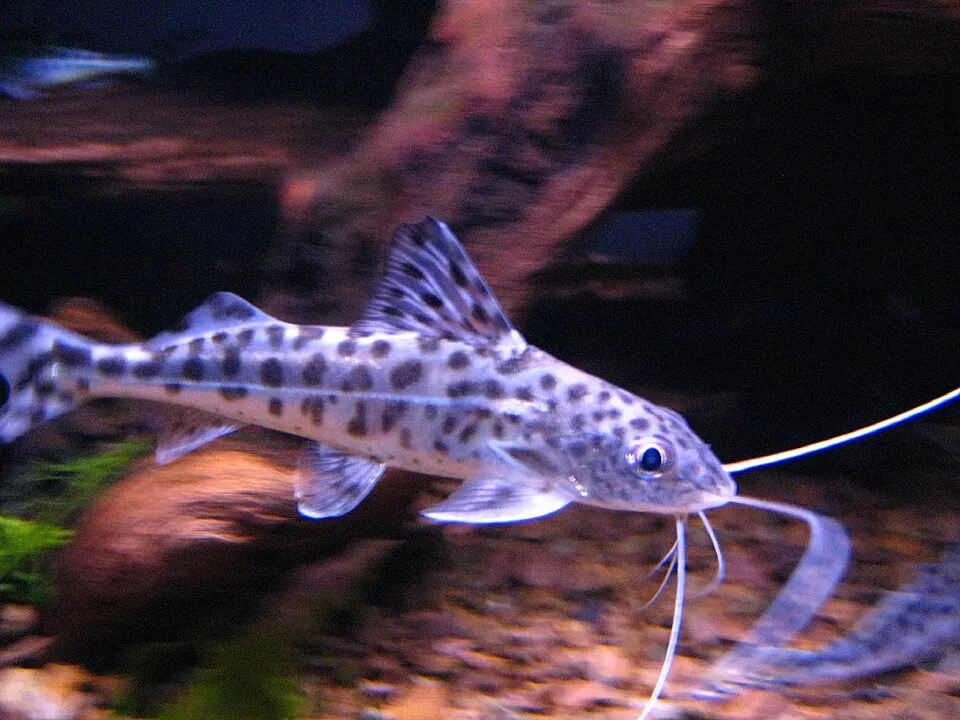 5.5 in (14 cm)55 gal (210 L)72–77°F (22–25°C)
Spotted pimelodus
Pimelodus pictus
5.5 in (14 cm) · 55 gal (210 L)
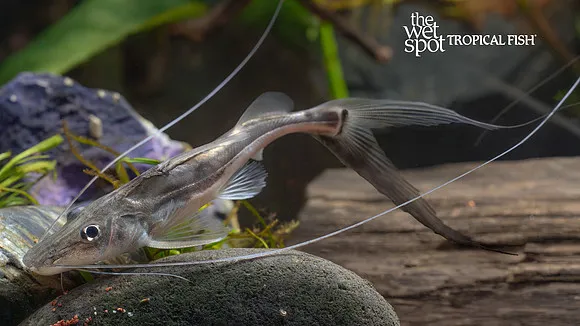 9.8 in (25 cm)106 gal (400 L)73–82°F (23–28°C)
Bullwhip pimelodus
Platysilurus mucosus
9.8 in (25 cm) · 106 gal (400 L)
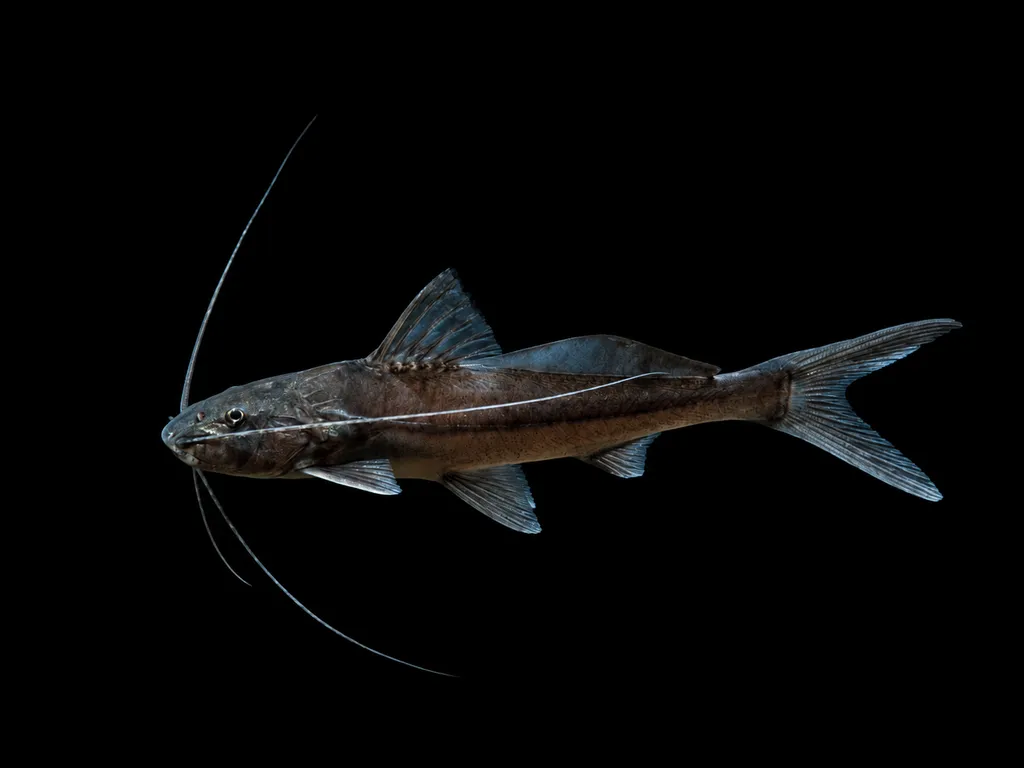 7.9 in (20 cm)106 gal (400 L)73–82°F (23–28°C)
Blue jumper catfish
Exallodontus aguanai
7.9 in (20 cm) · 106 gal (400 L)
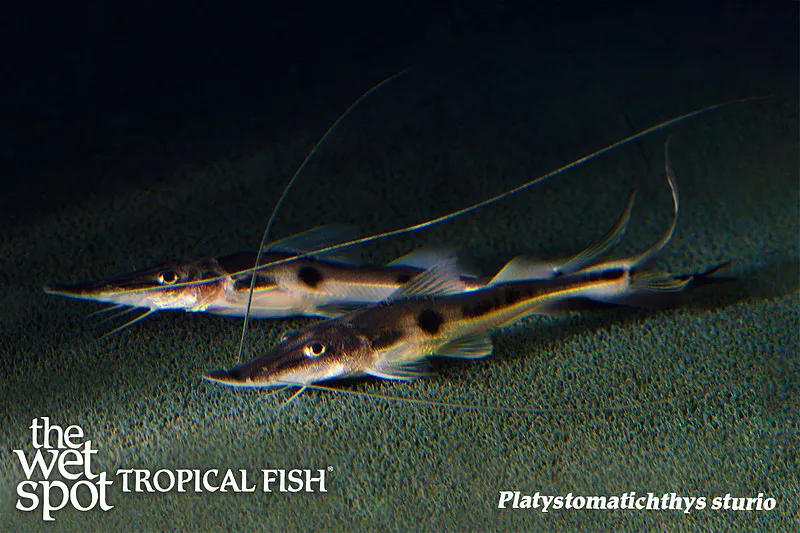 15.7 in (40 cm)120 gal (455 L)75–82°F (24–28°C)
Zorro catfish
Platystomatichthys sturio
15.7 in (40 cm) · 120 gal (455 L)