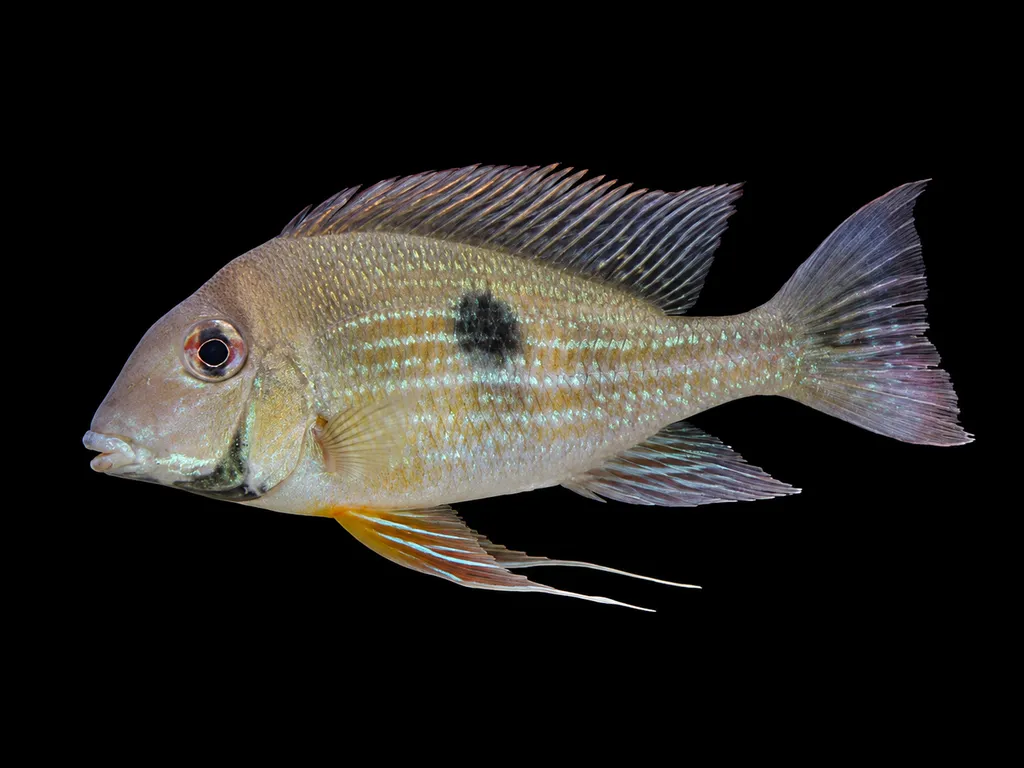
Bigspot eartheater
Geophagus megasema
Also known as Megasema eartheater
FreshwaterFish
Care at a glance
- Temperature
- 77–84°F
- 25–29°C
- pH
- 5.5–7.2
- Adult size
- 9.1 in
- 23 cm
- Minimum tank
- 172 gal
- 650 L
- Temperament
- Mostly peaceful
- Social behavior
- Social
- Swim level
- Bottom
- Difficulty
- Medium
- Breeding
- Mouthbrooder · Medium
- Rarity
- Rare
- Family
- Cichlidae
- Origin
- Guaporé and Mamoré basins
Overview
The bigspot eartheater is a peaceful cichlid that spends its day sifting sand on the bottom for food. It is a step up from the easiest fish and needs a very large tank.
Did you know
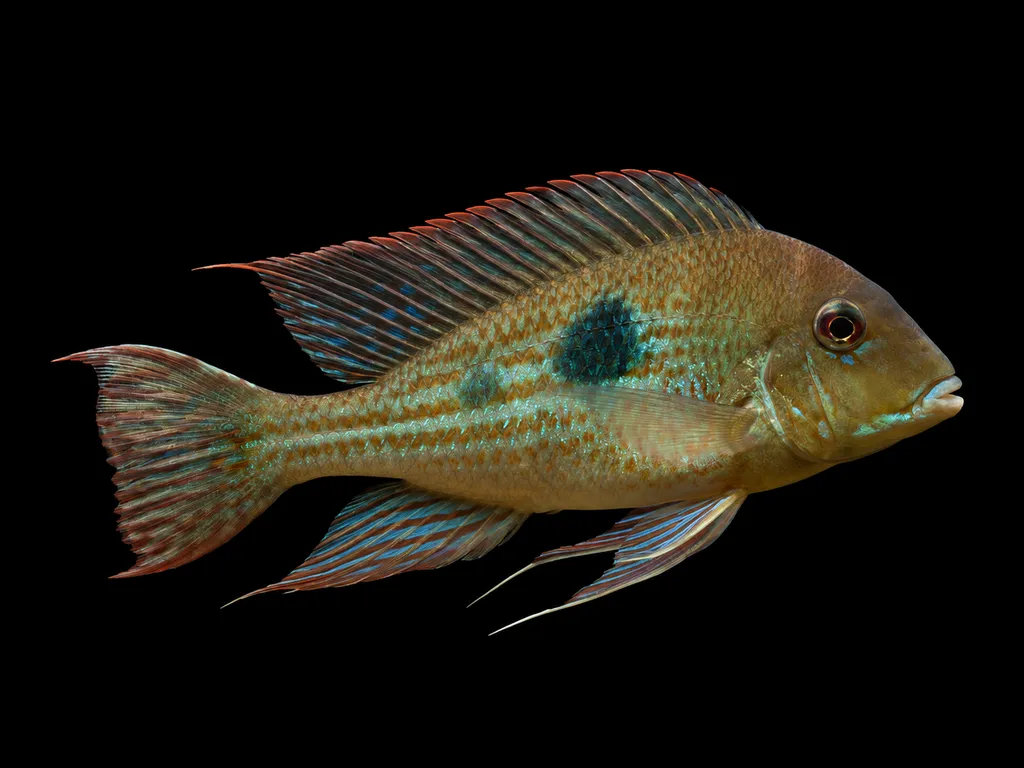
The bigspot eartheater carries a single large spot on its side. That mark has been the easiest way to tell it from other eartheaters for well over a century.
Caring for the bigspot eartheater
Give a bigspot eartheater at least 172 gal (650 L), since a group needs room. Lay a deep, soft sand bed it can dig and sift through without damage. Add driftwood and a few smooth rocks for structure, and leave plenty of open sand.
Keep the water soft and slightly acidic, at 77 to 84°F (25 to 29°C) and a pH of 5.5 to 7.2. It tolerates harder water as well. Feed sinking pellets, wafers and frozen foods such as bloodworm and brine shrimp, and make sure enough reaches the floor.
It is social and does fine alone or in a group. If you keep several, make it five or more. In smaller groups the weaker fish get picked on and the whole group stays nervous. It is gentle and easily out-competed, so keep it only with other calm tank mates and skip anything boisterous or nippy.
It spawns on the substrate, then broods the eggs and fry in its mouth. Breeding it is moderately difficult.
Good to know
The bigspot eartheater is a member of the cichlid family, described by Johann Jakob Heckel in 1840. Its name megasema means large mark, after the bold dark blotch on its flank.
In the wild
The bigspot eartheater comes from the Guaporé and Mamoré drainages on the Bolivia and Brazil border. It lives in warm rivers with clear to lightly tannin-stained water.
Weekly picks
Tank mates
The bigspot eartheater is a mostly peaceful, social species that keeps to the bottom. These picks share a community profile with it, are safe together in both directions, and overlap on water type, temperature and pH.
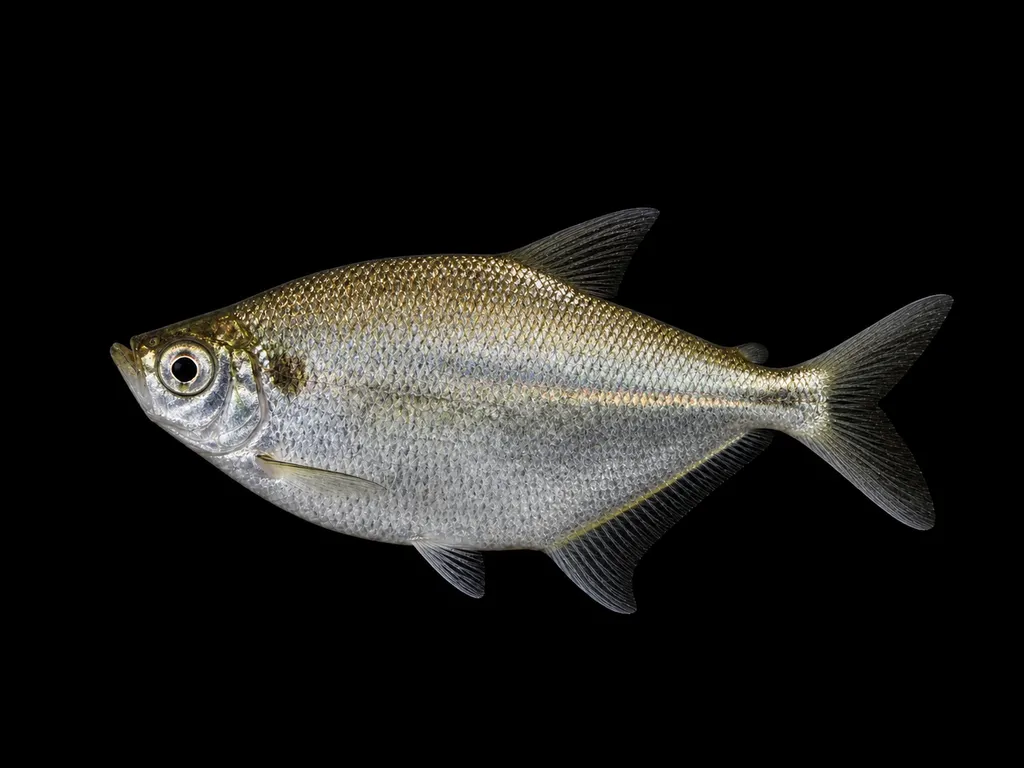
Giant river hatchetfish
Triportheus rotundatus
Freshwater9.8 in (25 cm) · 79 gal (300 L)73–82°F (23–28°C)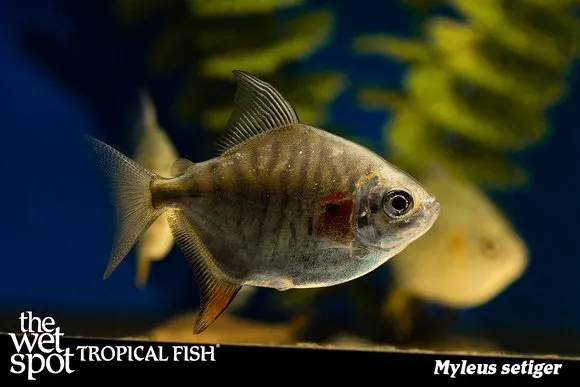
Sailfin red hook
Myleus setiger
Freshwater11 in (28 cm) · 159 gal (600 L)73–82°F (23–28°C)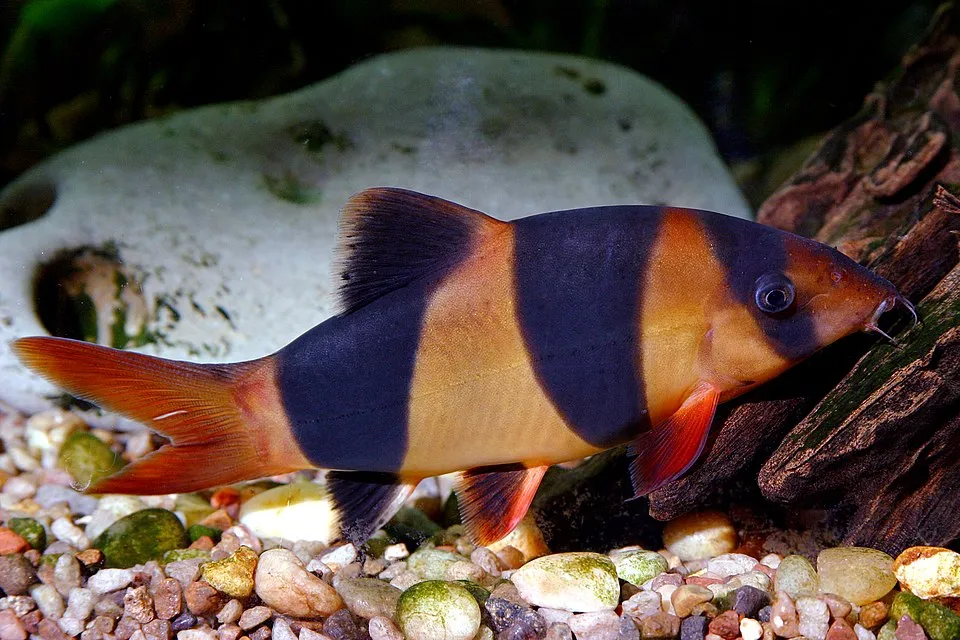
Clown loach
Chromobotia macracanthus
Freshwater11.8 in (30 cm) · 75 gal (285 L)75–86°F (24–30°C)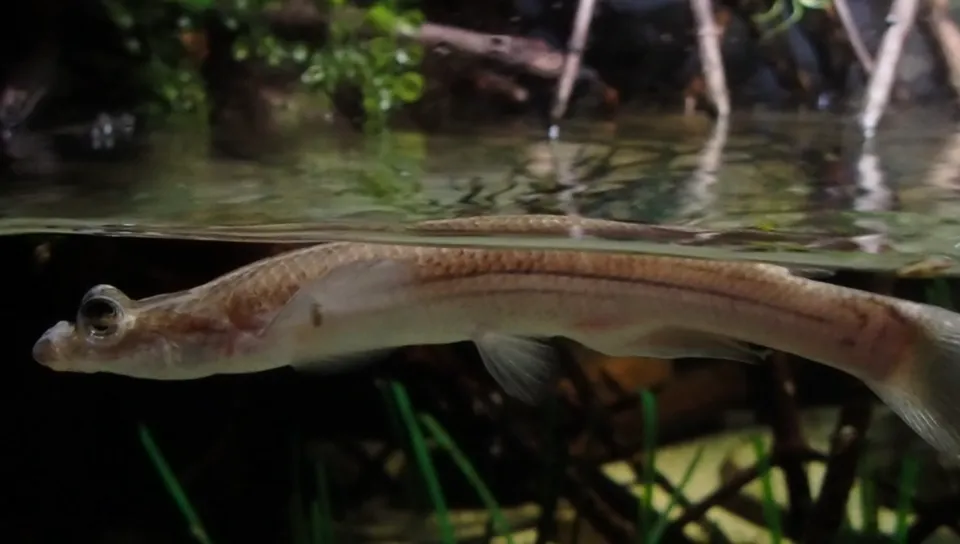
Largescale four-eyed fish
Anableps anableps
FreshwaterBrackish11.8 in (30 cm) · 70 gal (265 L)77–88°F (25–31°C)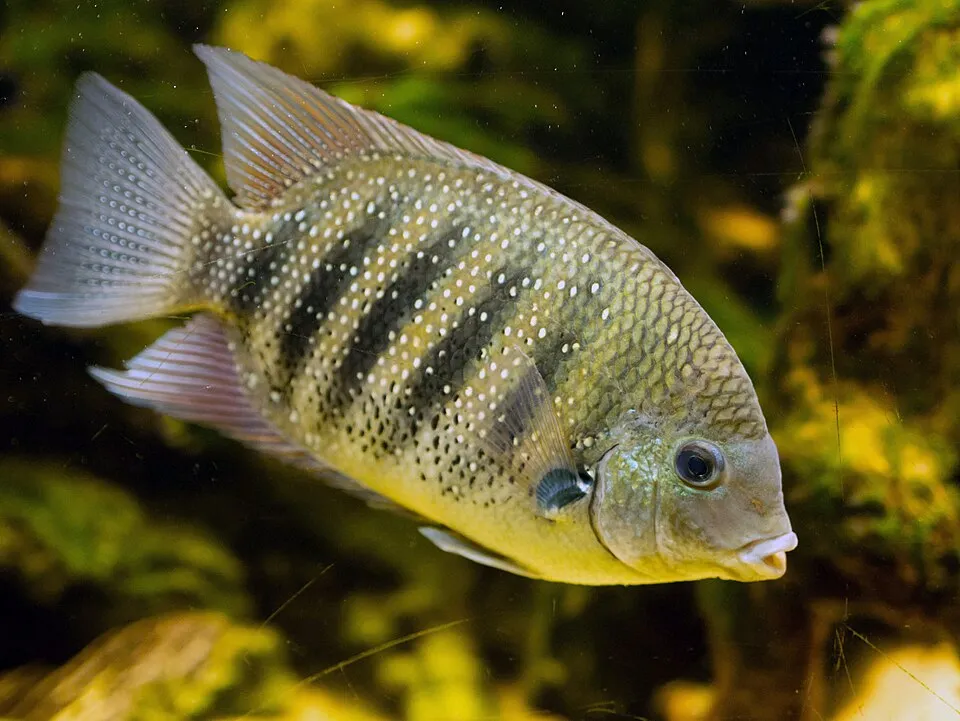
Green chromide
Etroplus suratensis
FreshwaterBrackish11.8 in (30 cm) · 145 gal (550 L)68–86°F (20–30°C)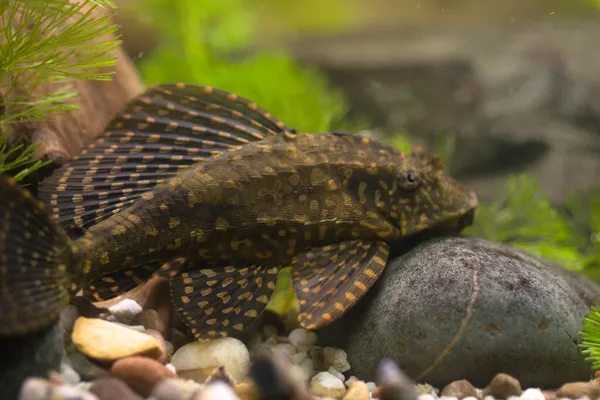
Gold spot sailfin pleco
Pterygoplichthys joselimaianus
Freshwater15.7 in (40 cm) · 119 gal (450 L)77–84°F (25–29°C)
Common questions
What size tank does a bigspot eartheater need?
A bigspot eartheater needs at least 172 gal (650 L). It spends most of its time in the bottom.
What temperature and pH does a bigspot eartheater need?
A bigspot eartheater is comfortable at 77–84°F (25–29°C) with a pH of 5.5–7.2.
What does a bigspot eartheater eat?
A bigspot eartheater eats sinking pellets, wafers and frozen foods such as bloodworm and brine shrimp. Make sure enough food reaches the floor, where it feeds.
How big does a bigspot eartheater get?
An adult bigspot eartheater reaches about 9.1 in (23 cm).
Related species
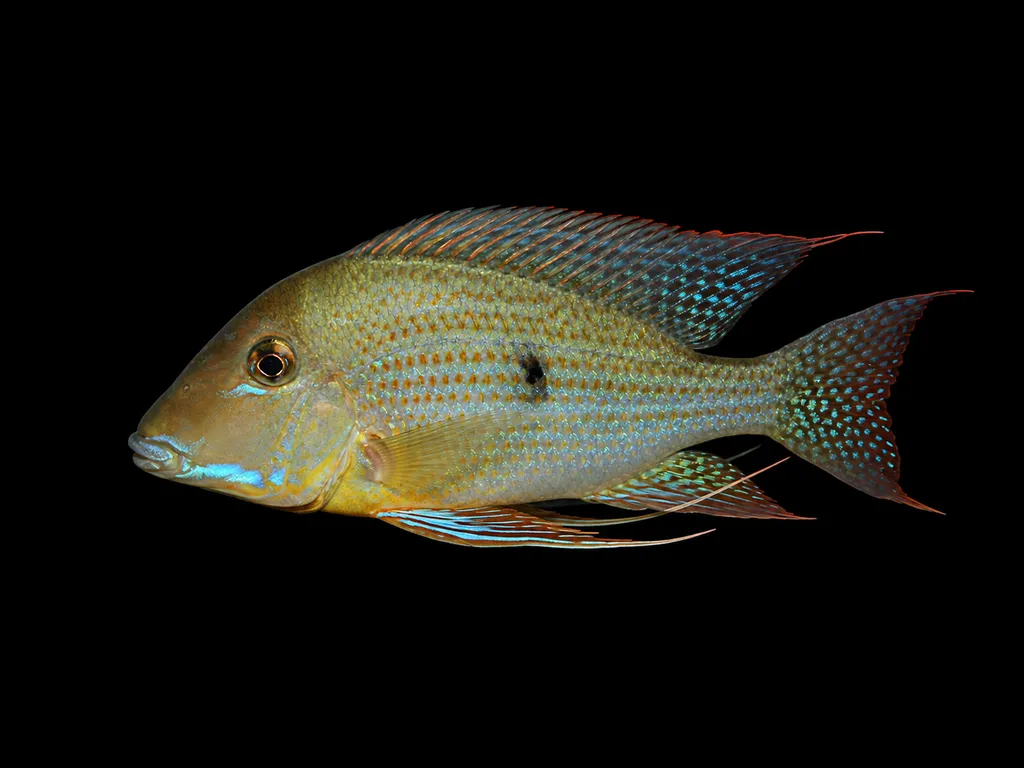 9.4 in (24 cm)172 gal (650 L)77–84°F (25–29°C)
Neambi eartheater
Geophagus neambi
9.4 in (24 cm) · 172 gal (650 L)
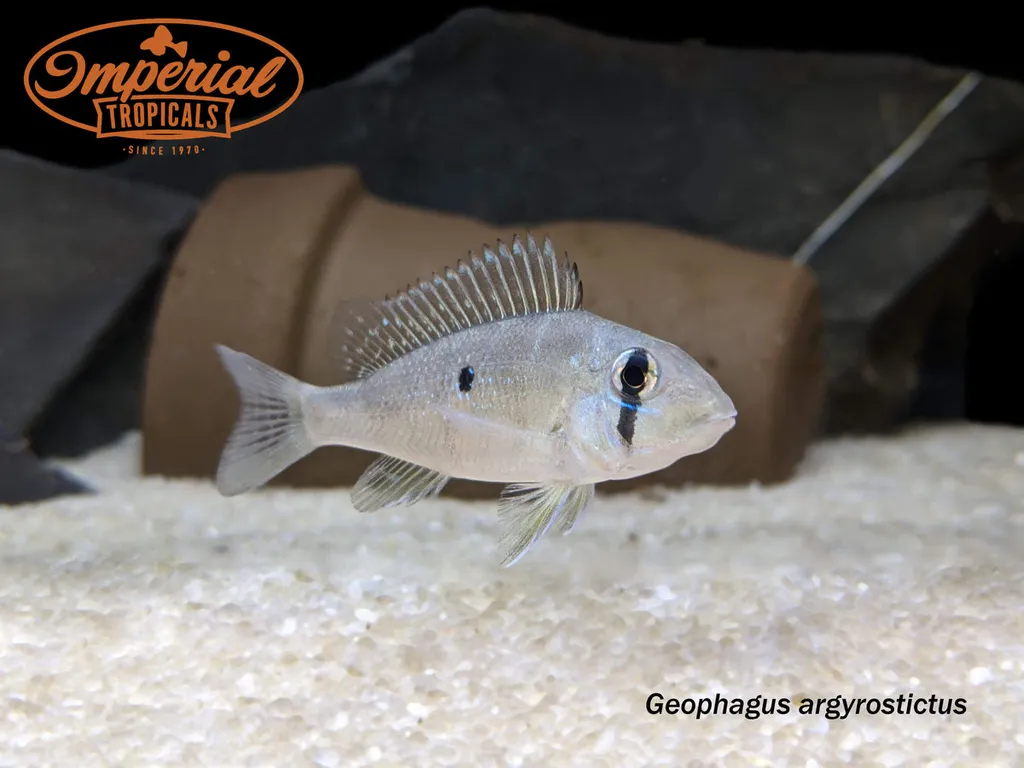 9.4 in (24 cm)119 gal (450 L)77–84°F (25–29°C)
Silverspot eartheater
Geophagus argyrostictus
9.4 in (24 cm) · 119 gal (450 L)
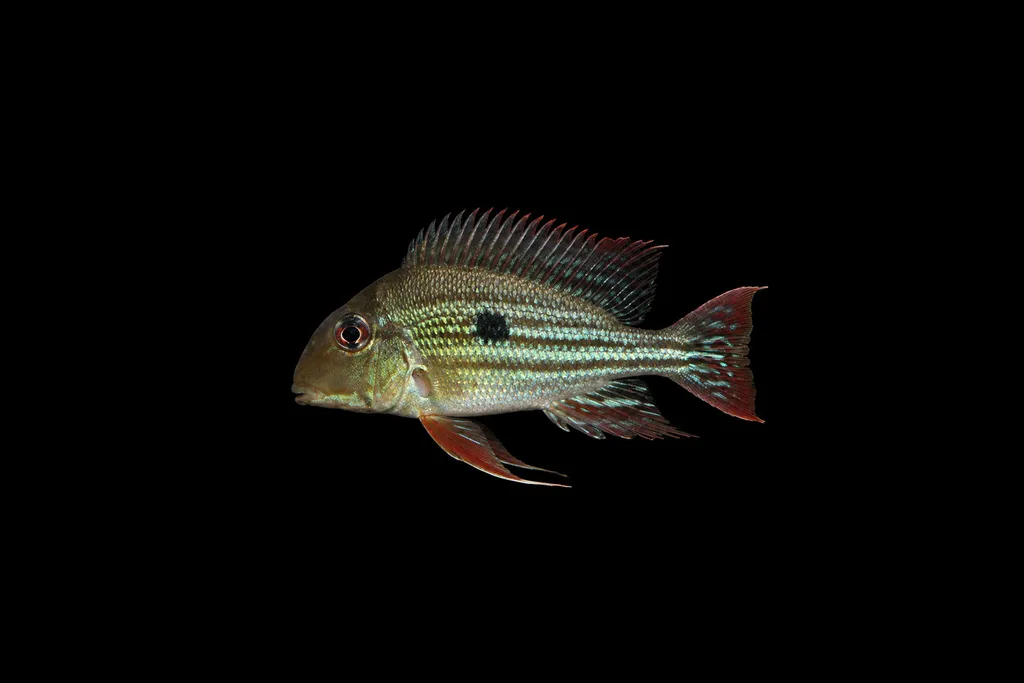 9.4 in (24 cm)172 gal (650 L)77–84°F (25–29°C)
Winemiller's eartheater
Geophagus winemilleri
9.4 in (24 cm) · 172 gal (650 L)
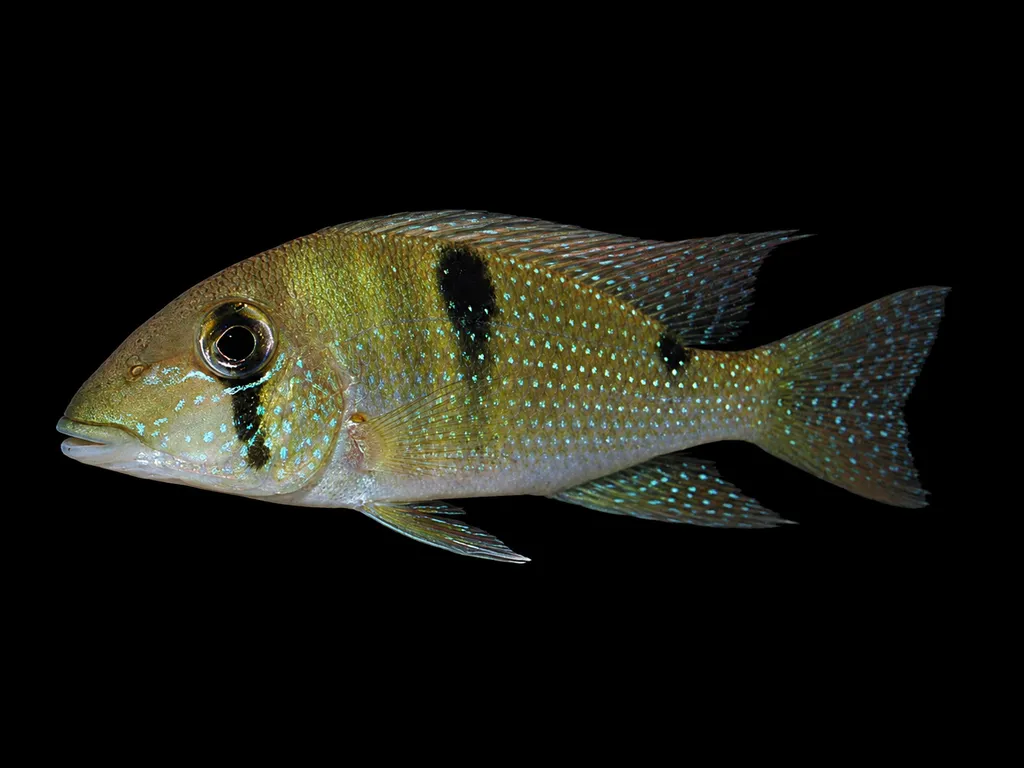 8.7 in (22 cm)119 gal (450 L)77–84°F (25–29°C)
Maroni eartheater
Geophagus harreri
8.7 in (22 cm) · 119 gal (450 L)
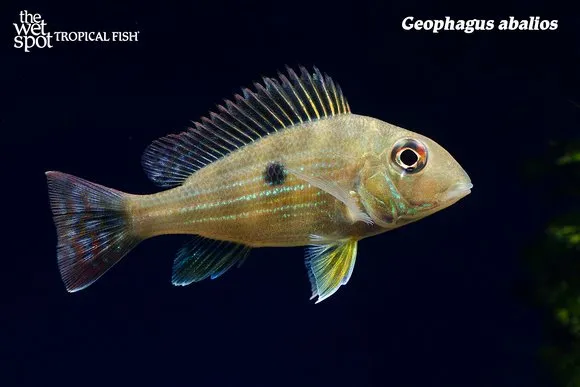 9.8 in (25 cm)172 gal (650 L)77–84°F (25–29°C)
Abalios eartheater
Geophagus abalios
9.8 in (25 cm) · 172 gal (650 L)
 9.8 in (25 cm)172 gal (650 L)77–84°F (25–29°C)
Dicrozoster eartheater
Geophagus dicrozoster
9.8 in (25 cm) · 172 gal (650 L)