South American bumblebee catfish
Microglanis iheringi
Also known as Bumblebee catfish
FreshwaterFish
Care at a glance
- Temperature
- 72–79°F
- 22–26°C
- pH
- 6.0–7.5
- Adult size
- 3.1 in
- 8 cm
- Minimum tank
- 20 gal
- 75 L
- Temperament
- Mostly peaceful
- Social behavior
- Social
- Tankmates
- With caution
- Swim level
- Bottom
- Difficulty
- Easy
- Breeding
- No record
- Rarity
- Common
- Family
- Pseudopimelodidae
- Origin
- Northern South America (Orinoco basin, Venezuela, Colombia)
Overview
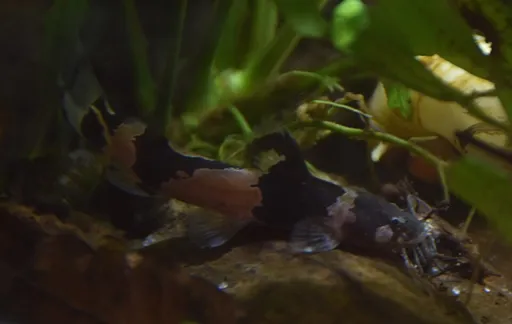
Keep them in a tank of at least 75 liters with plenty of caves and crevices, since they are shy and forage along the bottom at night. They are mostly peaceful toward fish their own size, but they will eat anything that fits in that wide mouth, so keep them away from neon-sized tetras, fry, and shrimp. Water should run between 22 and 26 C, soft, and on the acidic to neutral side at a pH of 6 to 7.5. Feed sinking pellets, frozen bloodworms, and similar meaty foods after the lights go out, when they come out to hunt. Pick tankmates that are too big to swallow but calm enough not to bully a slow, secretive catfish.
In the wild
The South American bumblebee catfish comes from warm, slow streams and rivers in the Orinoco basin across Venezuela and Colombia, where it tucks itself into shaded crevices and root tangles during the day. To match that, give them soft sand, a few caves, driftwood, and some shaded spots they can retreat into. Keep the water soft and slightly acidic, a pH from 6 to 7.5, with the temperature held between 22 and 26 C. Low light suits them, since they stay hidden until the tank goes dark.
Good to know
This is Microglanis iheringi, a small catfish in the family Pseudopimelodidae. Adults stay compact, around 8 cm, and a healthy fish can live several years. There are no reliable records of it breeding in home tanks, so almost every fish in the trade is wild caught. Do not confuse it with the brackish Asian bumblebee catfish, which is a different fish with different needs.
Did you know
The blotchy brown and cream banding is camouflage, not decoration. Pressed into leaf litter or sand it breaks up the fish's outline, which is how a slow, shy catfish avoids being noticed by day. You will often only spot one at feeding time once the lights are off.
Common questions
What size tank does a South American bumblebee catfish need?
A South American bumblebee catfish needs at least 20 gal (75 L). It spends most of its time in the bottom.
What temperature and pH does a South American bumblebee catfish need?
A South American bumblebee catfish is comfortable at 72–79°F (22–26°C) with a pH of 6.0–7.5.
How big does a South American bumblebee catfish get?
An adult South American bumblebee catfish reaches about 3.1 in (8 cm).
Related species
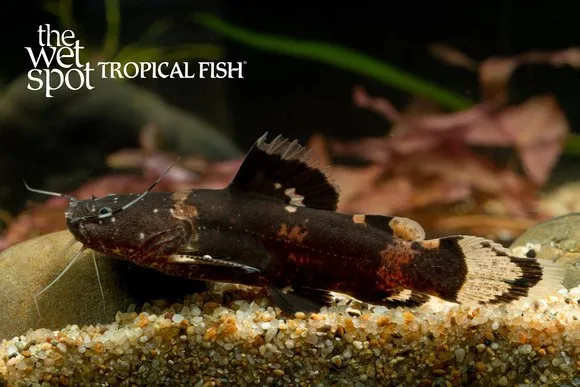 7.9 in (20 cm)53 gal (200 L)73–82°F (23–28°C)
Bumblebee jelly catfish
Batrochoglanis raninus
7.9 in (20 cm) · 53 gal (200 L)
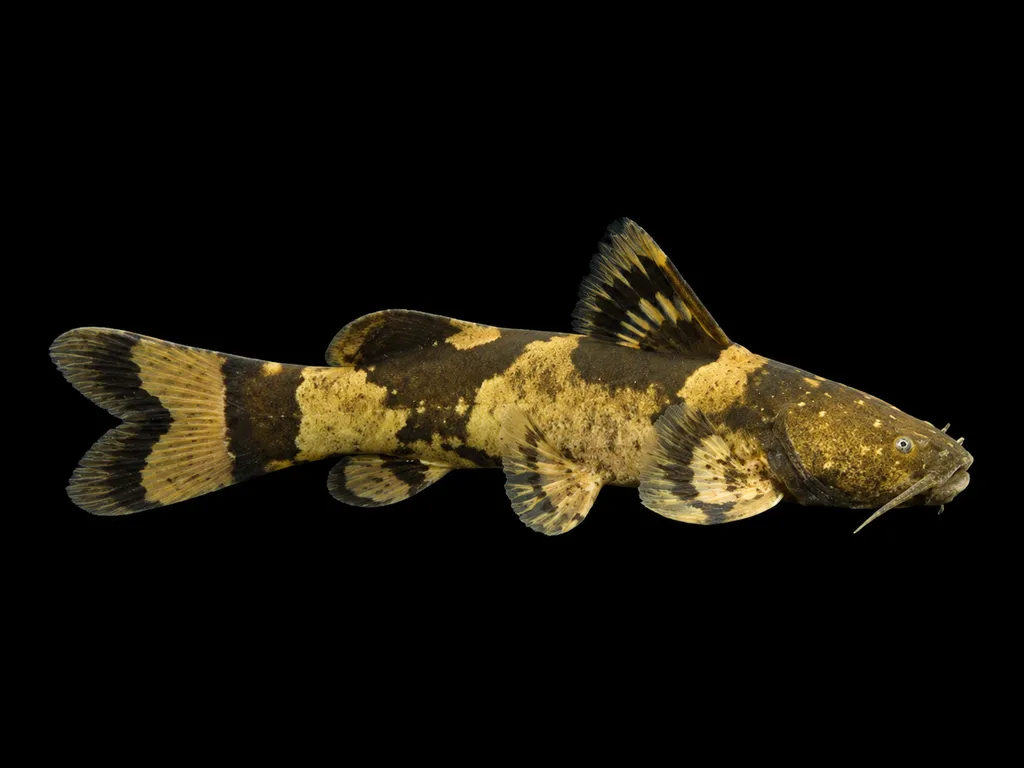 9.8 in (25 cm)106 gal (400 L)73–82°F (23–28°C)
Giant bumblebee catfish
Pseudopimelodus bufonius
9.8 in (25 cm) · 106 gal (400 L)
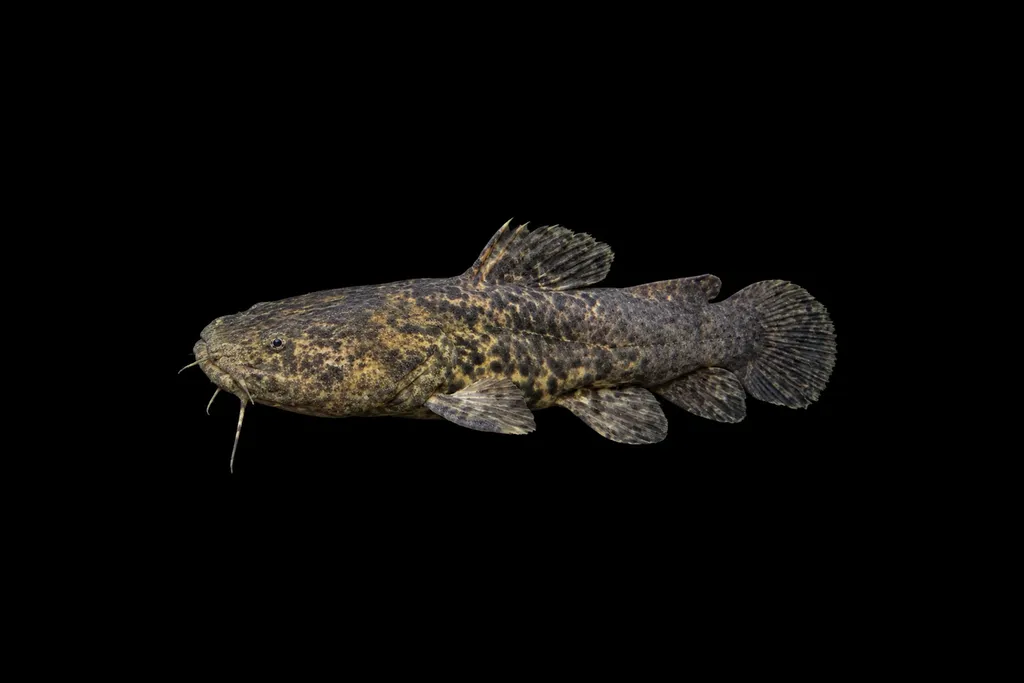 11.8 in (30 cm)106 gal (400 L)73–82°F (23–28°C)
Apure jelly catfish
Cephalosilurus apurensis
11.8 in (30 cm) · 106 gal (400 L)
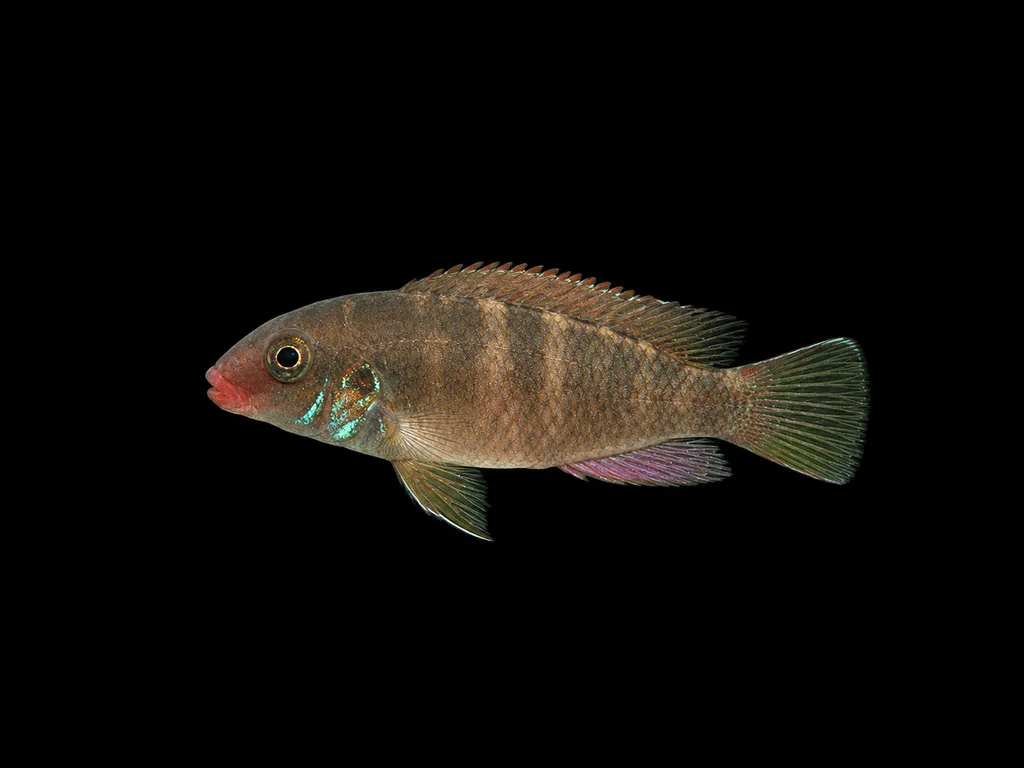 3.1 in (8 cm)42 gal (160 L)73–81°F (23–27°C)
Red-lipped krib
Wallaceochromis rubrolabiatus
3.1 in (8 cm) · 42 gal (160 L)
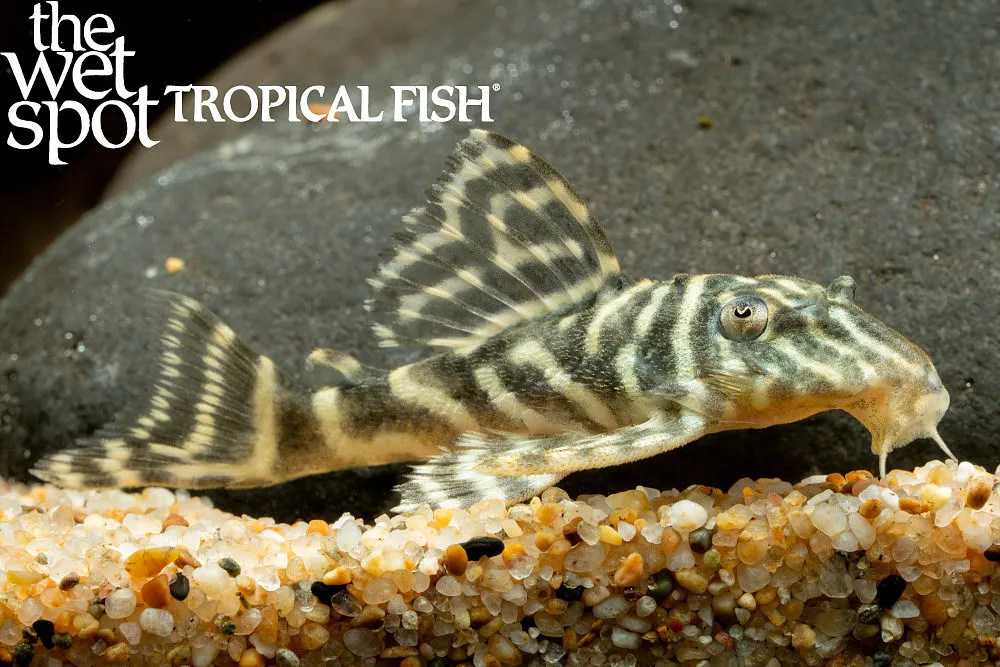 3.5 in (9 cm)20 gal (75 L)79–86°F (26–30°C)
Colombian zebra pleco (L129)
Hypancistrus debilittera
3.5 in (9 cm) · 20 gal (75 L)
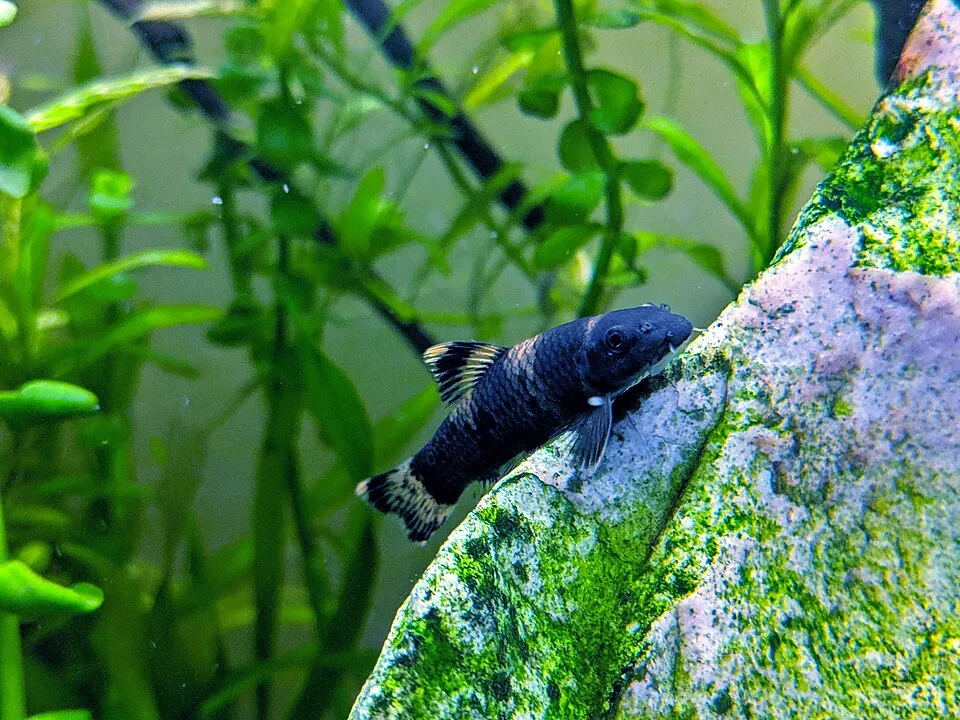 3.5 in (9 cm)26 gal (100 L)72–81°F (22–27°C)
Panda garra
Garra flavatra
3.5 in (9 cm) · 26 gal (100 L)