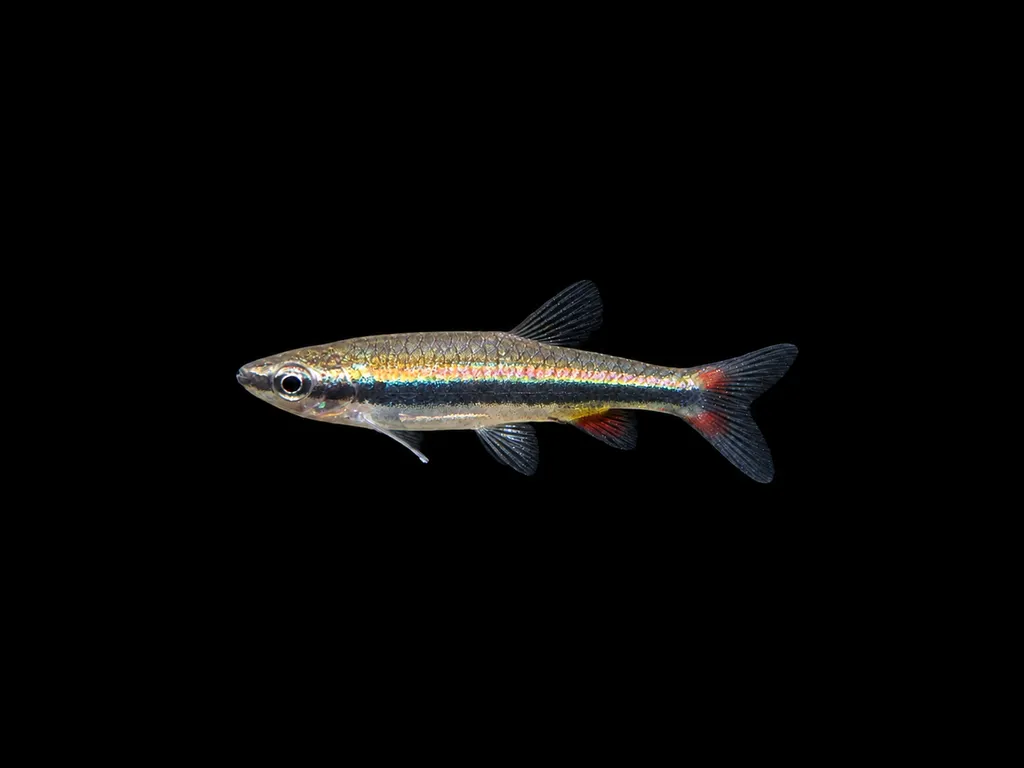
Shining pencilfish
Nannostomus nitidus
Also known as Nitidus pencilfish
FreshwaterFish
Care at a glance
- Temperature
- 75–82°F
- 24–28°C
- pH
- 5.0–6.8
- Adult size
- 1.6 in
- 4 cm
- Minimum tank
- 14 gal
- 54 L
- Temperament
- Peaceful
- Social behavior
- Schooling
- Swim level
- Middle
- Diet
- Carnivore
- Difficulty
- Medium
- Breeding
- No record
- Rarity
- Rare
- Family
- Lebiasinidae
- Origin
- Lower Amazon and Tocantins margins, Brazil
Overview
The shining pencilfish is a small, glinting pencilfish that schools in the midwater. It is a step up from the easiest fish, best kept by someone with a little experience.
Did you know
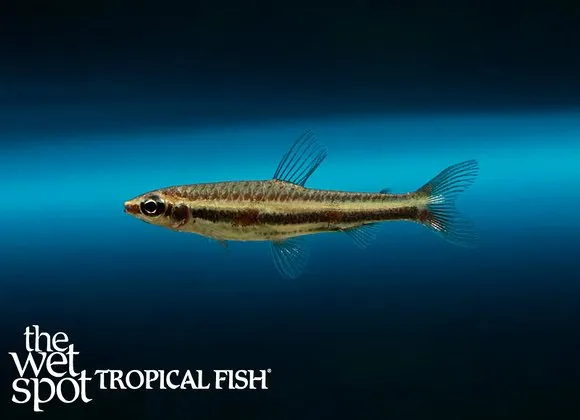
The shining pencilfish, like other pencilfish, changes clothes at night. Once the lights go out, its long horizontal stripe breaks up into a set of slanted bars. The daytime pattern returns by morning.
Caring for the shining pencilfish
Keep shining pencilfish in a group of six or more so they school and display. A single fish hides and loses its color. Give the school a mature tank of at least 14 gal (54 L). Dark substrate, driftwood, leaf litter, dense planting, dim light and gentle filtration bring out their gold gleam.
Keep the water warm, soft, acidic and steady, at 75 to 82°F (24 to 28°C) and a pH of 5.0 to 6.8. They are micro-predators of small invertebrates and feed from the upper layers with a slightly upturned mouth. Feed fine foods they can take near the surface and in open water. Good choices are crushed flake, micro pellets, small frozen foods and baby brine shrimp.
Shining pencilfish are peaceful and undemanding of tank mates. They suit a calm, soft-water community of small tetras, rasboras and dwarf cichlids. Spawning is little documented for this species in the aquarium.
Good to know
The shining pencilfish belongs to the family Lebiasinidae and is also known as the nitidus pencilfish. Its name means shining, for the bright gold band that runs the length of the body above a darker stripe. It is one of many small pencilfishes from the shaded creeks of lowland Amazonia.
In the wild
The shining pencilfish comes from the shaded, slow-moving tributaries and swampy margins of the lower Amazon in Pará, Brazil. It also lives along the margins of the Tocantins. The water in these places is soft and stained.
Weekly picks
Tank mates
The shining pencilfish is a peaceful, schooling species that keeps to the middle. These picks share a community profile with it, are safe together in both directions, and overlap on water type, temperature and pH.
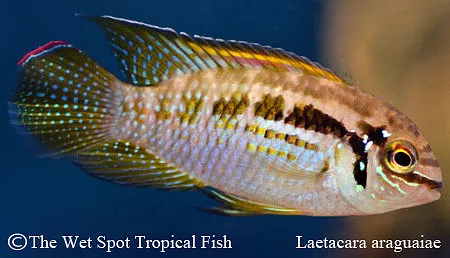
Araguaia dwarf acara
Laetacara araguaiae
Freshwater1.8 in (4.5 cm) · 14 gal (54 L)75–82°F (24–28°C)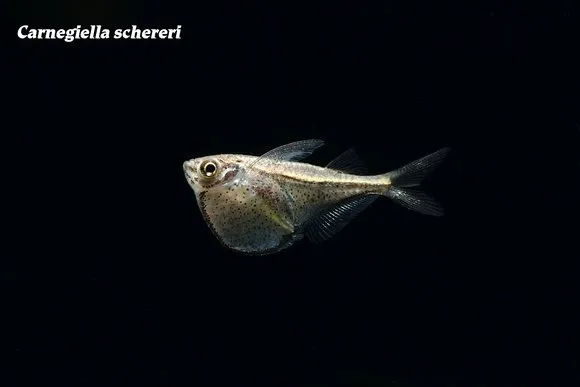
Scherer's hatchetfish
Carnegiella schereri
Freshwater1 in (2.6 cm) · 14 gal (54 L)73–82°F (23–28°C)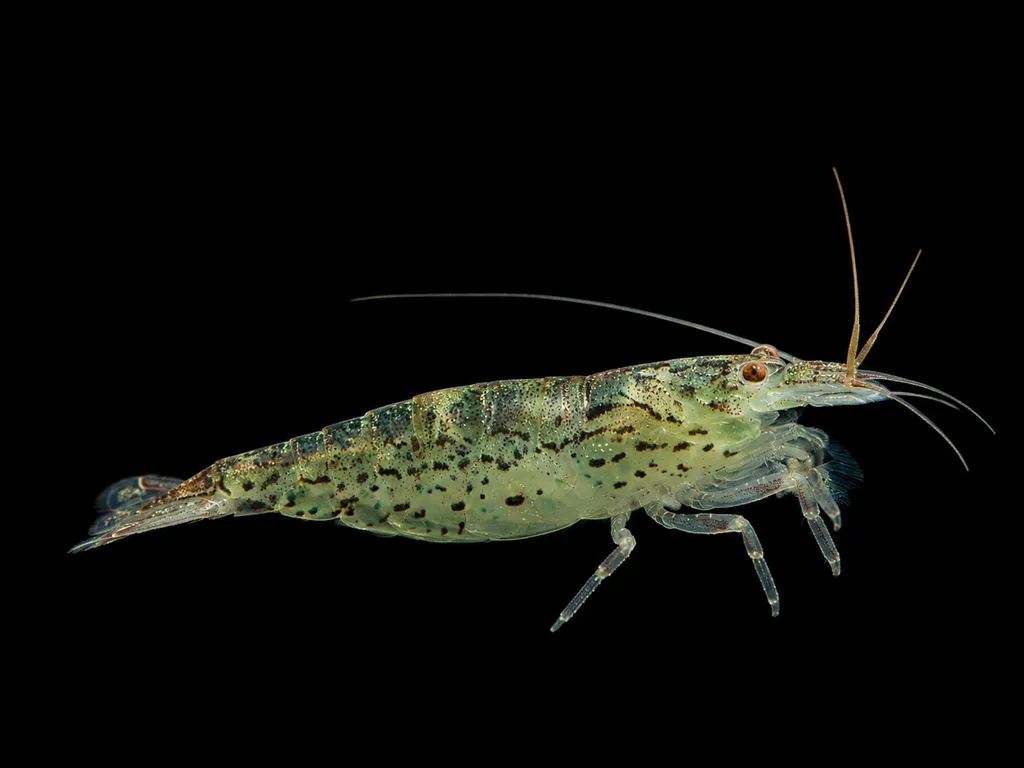
Green lace shrimp
Atyoida pilipes
Freshwater2.8 in (7 cm) · 14 gal (54 L)73–82°F (23–28°C)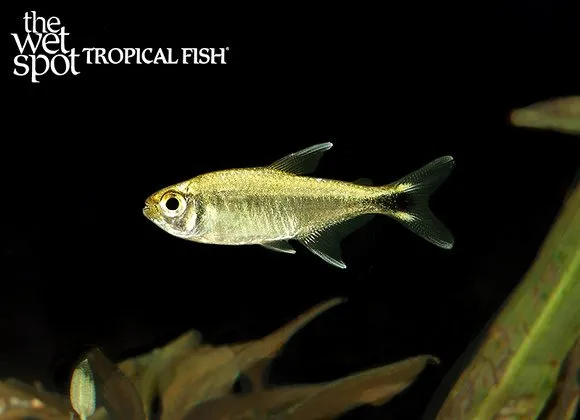
Colombian gold tetra
Hyphessobrycon saizi
Freshwater1.4 in (3.5 cm) · 14 gal (54 L)73–82°F (23–28°C)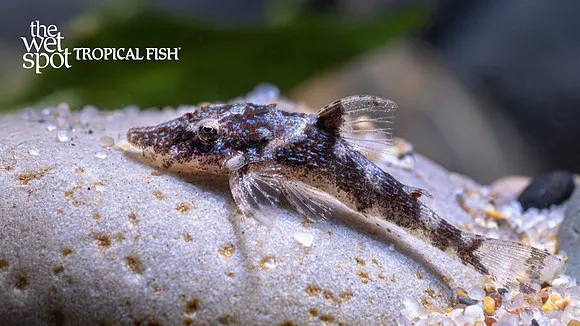
Peppermint otocinclus
Parotocinclus eppleyi
Freshwater1.4 in (3.5 cm) · 14 gal (54 L)75–82°F (24–28°C)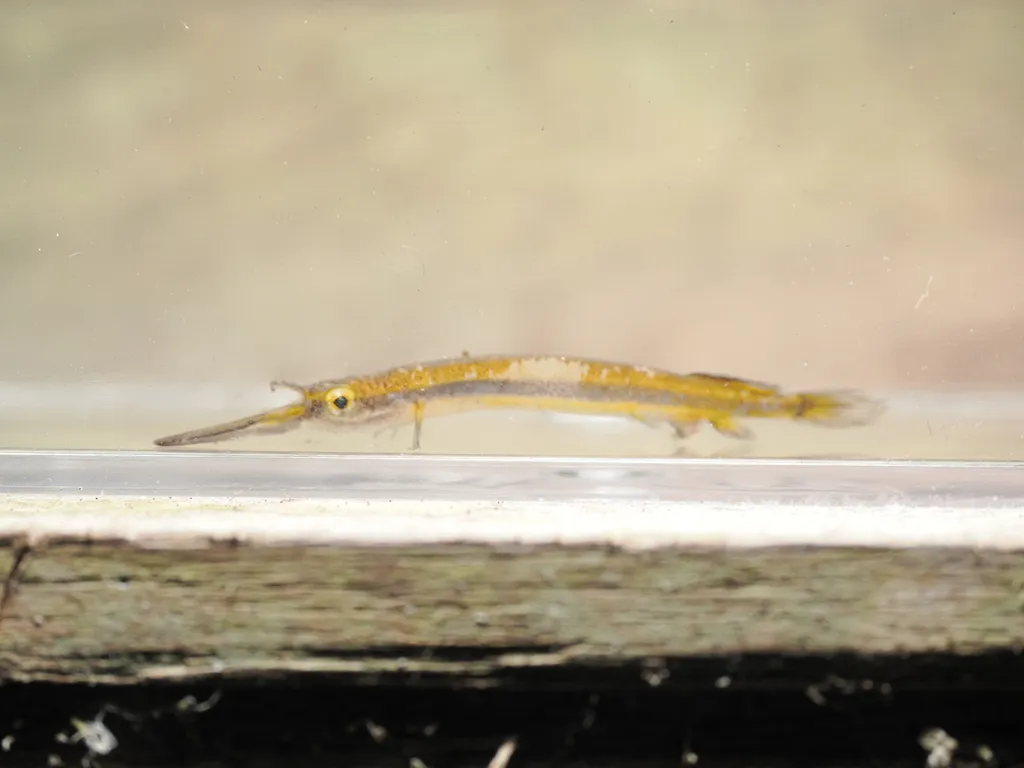
Gold-spotted halfbeak
Hemirhamphodon chrysopunctatus
Freshwater2.6 in (6.5 cm) · 14 gal (54 L)73–81°F (23–27°C)
Common questions
What size tank does a shining pencilfish need?
A shining pencilfish needs at least 14 gal (54 L). It spends most of its time in the middle.
What temperature and pH does a shining pencilfish need?
A shining pencilfish is comfortable at 75–82°F (24–28°C) with a pH of 5.0–6.8.
What does a shining pencilfish eat?
A shining pencilfish is a micro-predator of small invertebrates that feeds from the upper layers. In the tank it takes fine foods such as crushed flake, micro pellets, small frozen foods and baby brine shrimp.
How big does a shining pencilfish get?
An adult shining pencilfish reaches about 1.6 in (4 cm).
Does a shining pencilfish need a group?
Yes. A shining pencilfish is a schooling species and should be kept in a group, not singly.
Related species
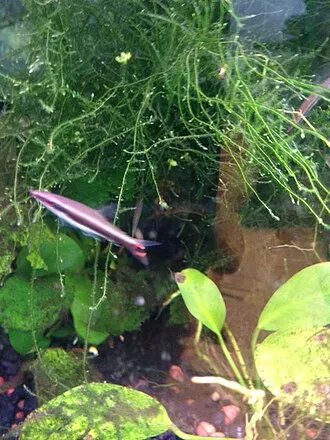
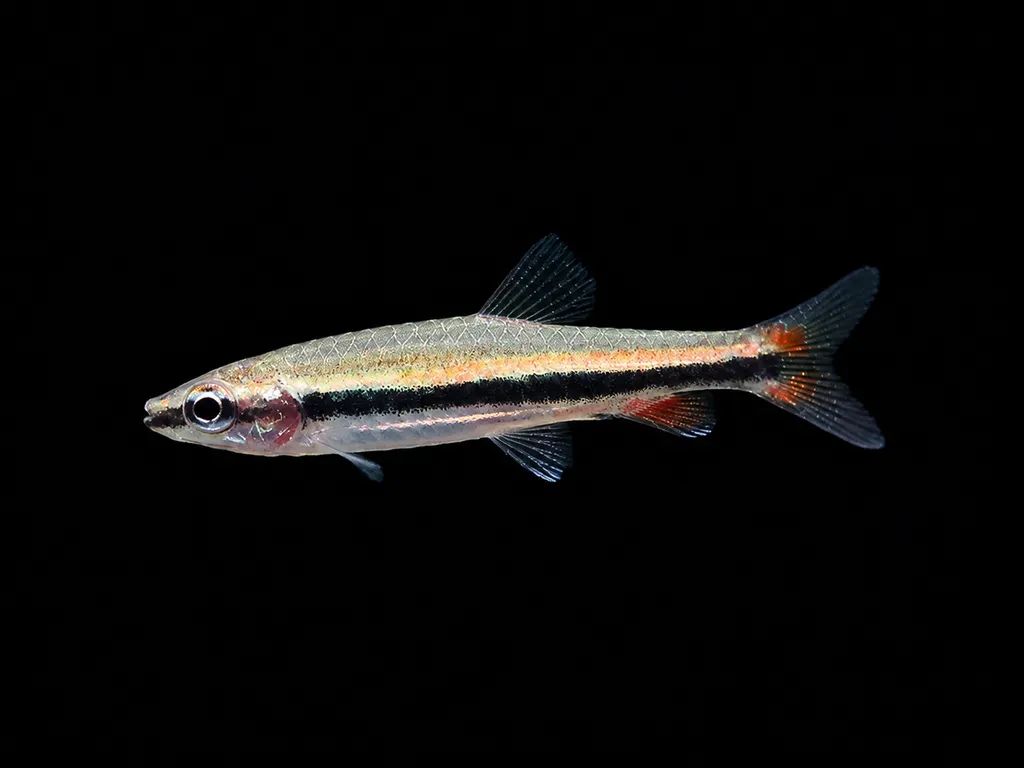 1.6 in (4 cm)14 gal (54 L)75–82°F (24–28°C)
Elegant pencilfish
Nannostomus limatus
1.6 in (4 cm) · 14 gal (54 L)
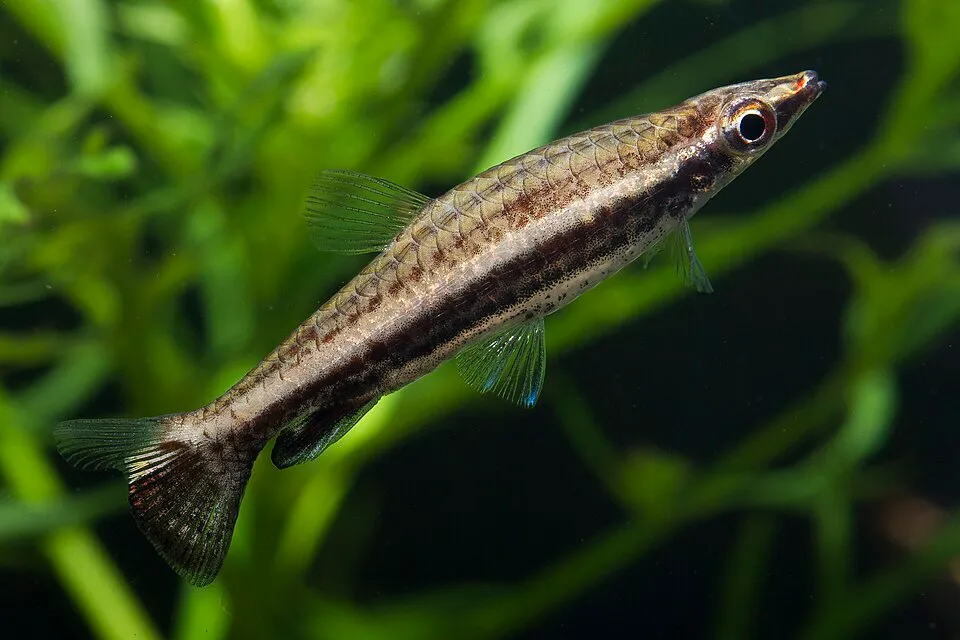
 1.6 in (4 cm)17 gal (65 L)73–82°F (23–28°C)
One-lined pencilfish
Nannostomus unifasciatus
1.6 in (4 cm) · 17 gal (65 L)
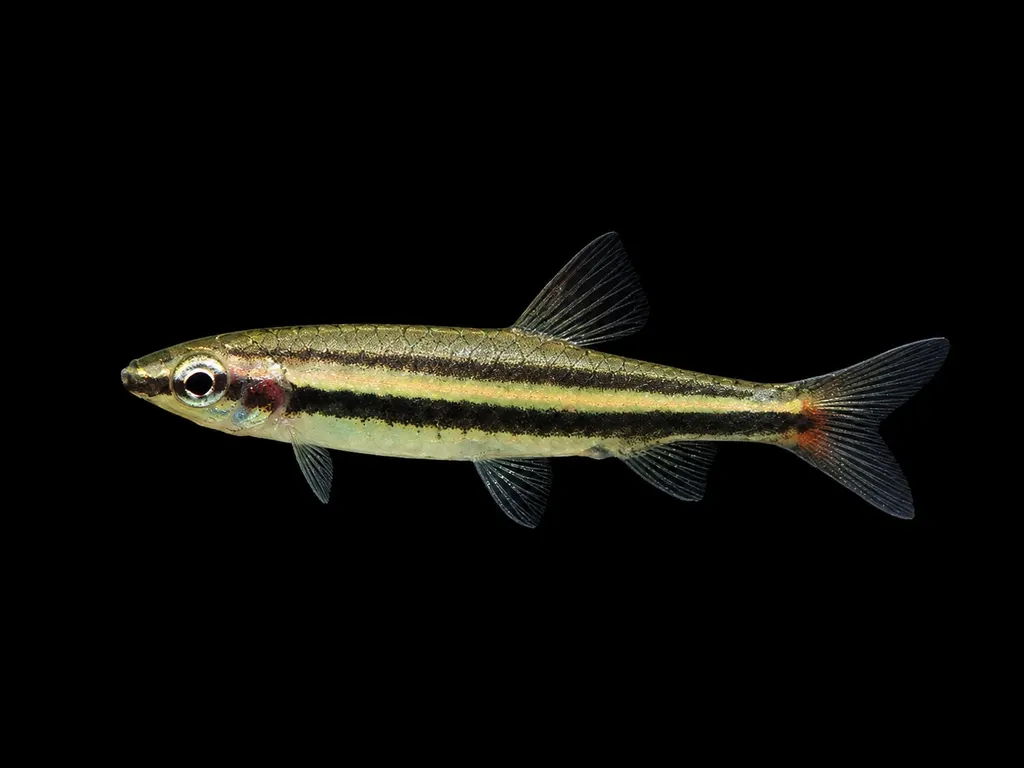
 1.4 in (3.5 cm)15 gal (55 L)72–82°F (22–28°C)
Hockeystick pencilfish
Nannostomus eques
1.4 in (3.5 cm) · 15 gal (55 L)
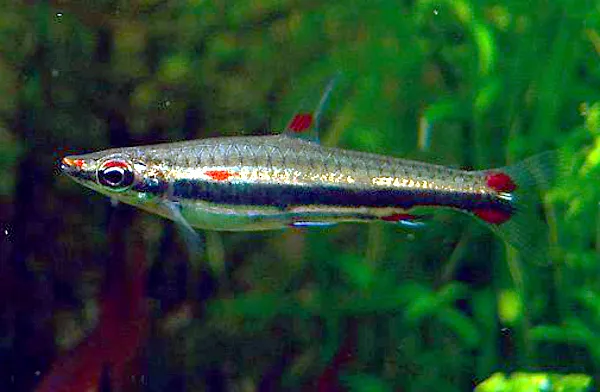
 1.4 in (3.5 cm)12 gal (45 L)75–82°F (24–28°C)
Twostripe pencilfish
Nannostomus digrammus
1.4 in (3.5 cm) · 12 gal (45 L)
 1.3 in (3.3 cm)15 gal (55 L)72–82°F (22–28°C)
Three-lined pencilfish
Nannostomus trifasciatus
1.3 in (3.3 cm) · 15 gal (55 L)
 2 in (5 cm)14 gal (54 L)73–81°F (23–27°C)
Marilyn's pencilfish
Nannostomus marilynae
2 in (5 cm) · 14 gal (54 L)