Red wolf fish
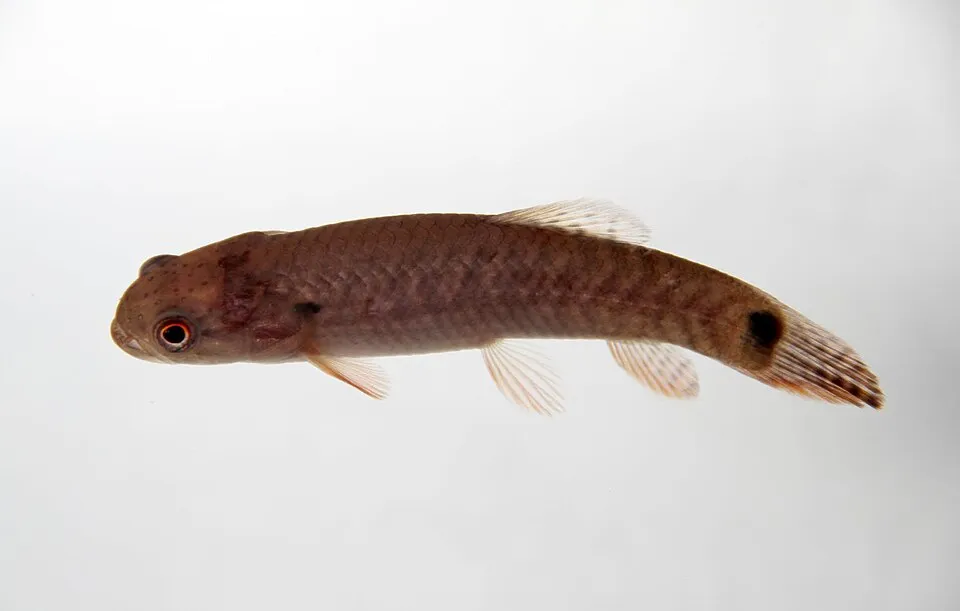
Erythrinus erythrinus
FreshwaterFish
Care at a glance
- Temperature
- 72–79°F
- 22–26°C
- pH
- 6.0–7.5
- Adult size
- 7.9 in
- 20 cm
- Minimum tank
- 40 gal
- 150 L
- Temperament
- Mostly peaceful
- Social behavior
- Solitary
- Own kind
- One per tank
- Tankmates
- With caution
- Swim level
- Bottom
- Difficulty
- Easy
- Breeding
- No record
- Rarity
- Very rare
- Family
- Erythrinidae
- Origin
- South America
Overview
Keep this one alone. It is solitary and will fight other wolf fish and attack anything it can swallow. It sits near the bottom, tucked into cover, and strikes with a quick lunge at passing prey. Give it a 150 liter tank or larger with a firm lid, since these fish push at the surface. Feed meaty foods like fish pieces, earthworms, and shrimp rather than flake.
In the wild
Red wolf fish live in slow or still waters across South America, including parts of the Amazon and Orinoco systems, often in shallow streams, ponds, and flooded forest. Dense plants and submerged roots give them places to hide and ambush. A tank for one should have a soft substrate, plenty of cover, and a tight lid. Keep the pH from 6 to 7.5 and temps in the low to mid 20s C.
Good to know
This is a predatory fish in the family Erythrinidae, with a thick cylindrical body and strong jaws. Adults reach around 20 cm. It hunts smaller fish, insects, and crustaceans on its own and has no recorded captive breeding. Current assessments treat the wild population as stable.
Did you know
It can gulp air at the surface and absorb oxygen through a modified swim bladder that works a bit like a lung. That lets it ride out low-oxygen, stagnant water and even survive a short time out of water when pools dry up, which is exactly why an escape-proof lid is not optional.
Common questions
What size tank does a Red wolf fish need?
A Red wolf fish needs at least 40 gal (150 L). It spends most of its time in the bottom.
What temperature and pH does a Red wolf fish need?
A Red wolf fish is comfortable at 72–79°F (22–26°C) with a pH of 6.0–7.5.
How big does a Red wolf fish get?
An adult Red wolf fish reaches about 7.9 in (20 cm).
Related species
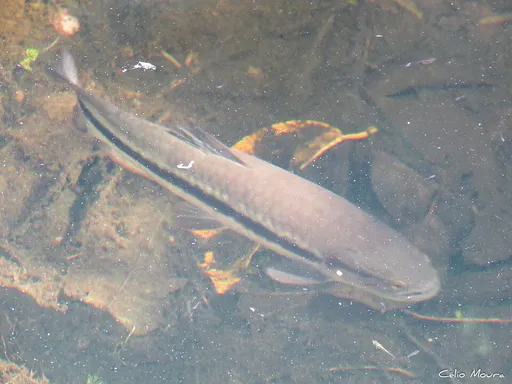 11 in (28 cm)66 gal (250 L)73–82°F (23–28°C)
Redtail wolf fish
Hoplerythrinus unitaeniatus
11 in (28 cm) · 66 gal (250 L)
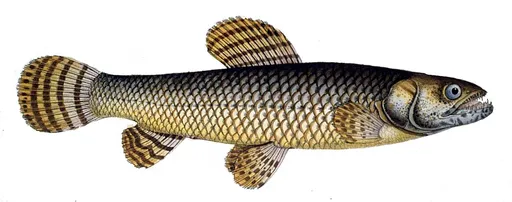 19.7 in (50 cm)106 gal (400 L)72–82°F (22–28°C)
Wolf fish
Hoplias malabaricus
19.7 in (50 cm) · 106 gal (400 L)
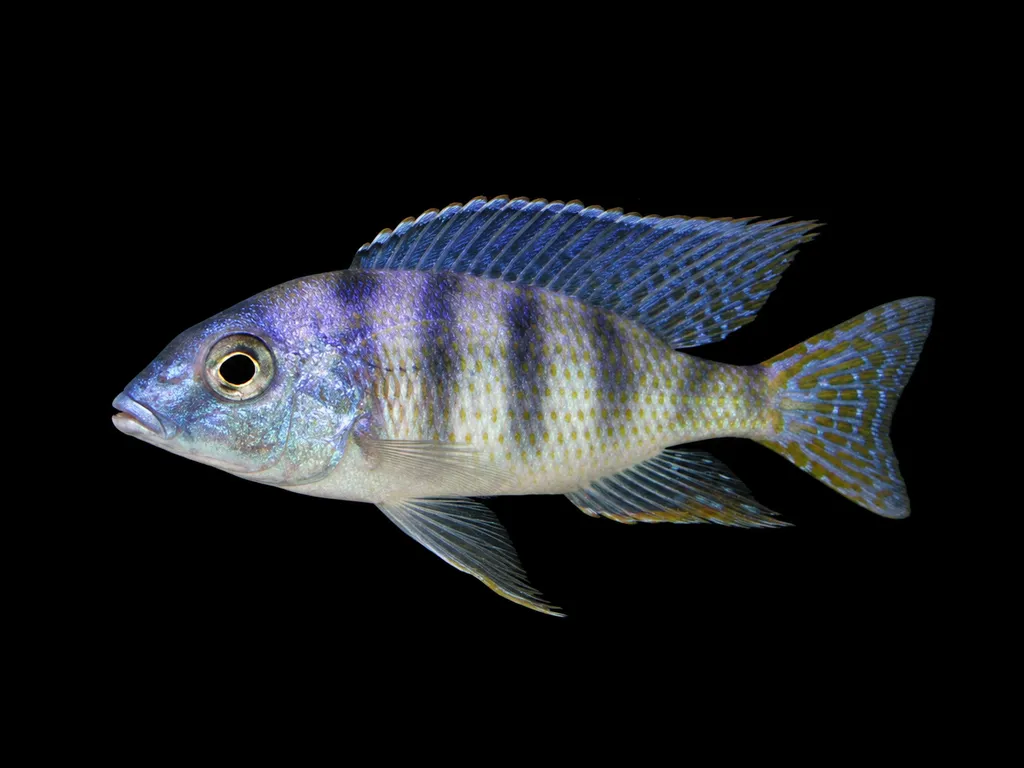 8.1 in (20.5 cm)119 gal (450 L)75–81°F (24–27°C)
Ericotaenia hap
Mylochromis ericotaenia
8.1 in (20.5 cm) · 119 gal (450 L)
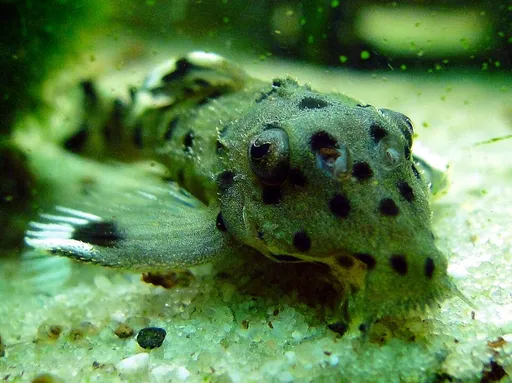 8.7 in (22 cm)66 gal (250 L)79–86°F (26–30°C)
Sultan pleco (L264)
Leporacanthicus joselimai
8.7 in (22 cm) · 66 gal (250 L)
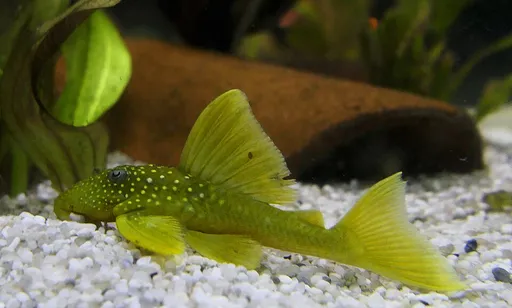 7.1 in (18 cm)53 gal (200 L)79–86°F (26–30°C)
Green phantom pleco (L200)
Hemiancistrus subviridis
7.1 in (18 cm) · 53 gal (200 L)
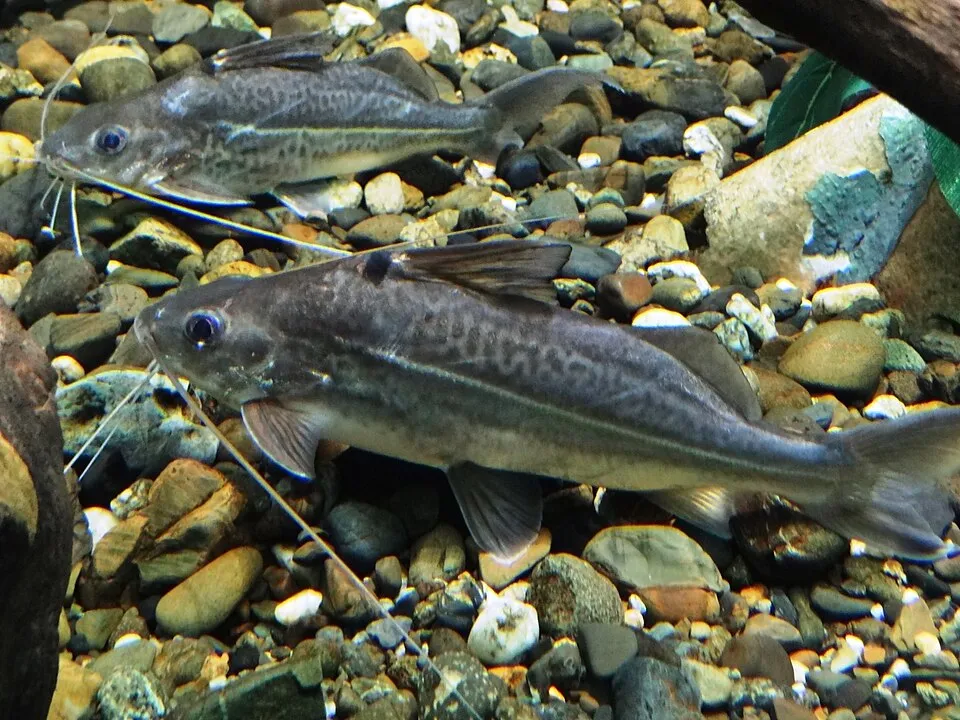 12.2 in (31 cm)65 gal (245 L)75–82°F (24–28°C)
Ornate pimelodus
Pimelodus ornatus
12.2 in (31 cm) · 65 gal (245 L)