Bottlenose catfish
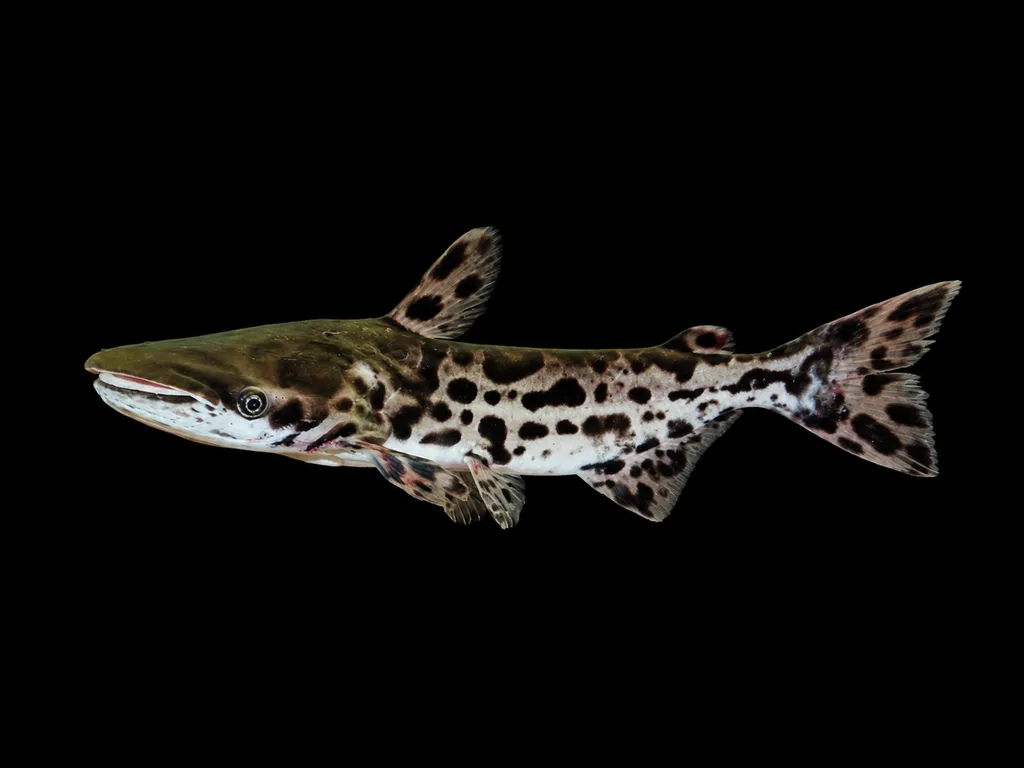
Ageneiosus marmoratus
FreshwaterFish
Care at a glance
- Temperature
- 72–79°F
- 22–26°C
- pH
- 6.0–7.5
- Adult size
- 7.9 in
- 20 cm
- Minimum tank
- 95 gal
- 360 L
- Temperament
- Mostly peaceful
- Social behavior
- Social
- Tankmates
- With caution
- Swim level
- Bottom
- Difficulty
- Difficult
- Breeding
- No record
- Rarity
- Very rare
- Family
- Auchenipteridae
- Origin
- Guyana, Suriname
Overview
The bottlenose catfish is a sleek, active predator that patrols the lower levels and open water near the bottom, hunting after dark. It is peaceful toward fish too large to swallow but will eat any tankmate that fits in its mouth, so pair it only with sizeable, calm species. It is loosely social and settles better in a group of four or more where there is room. Offer meaty foods such as earthworms, prawn pieces, and sinking pellets, and feed once the lights are off. This is a large, waste-heavy fish that needs a spacious tank around 360 liters or larger with strong filtration.
In the wild
This catfish comes from larger rivers and coastal drainages in Guyana and Suriname, where it cruises open channels rather than hugging cover. The water runs warm and close to neutral, so hold the tank between 22 and 26 degrees C at a pH of 6.0 to 7.5. Give it long open swimming lanes, a soft substrate, and some driftwood or shaded retreats along the sides, with steady current and very clean, well-oxygenated water. Subdued lighting helps this nocturnal hunter feel secure.
Good to know
Ageneiosus marmoratus is a driftwood catfish in the family Auchenipteridae, reaching about 20 centimeters with a flattened, duckbill-like snout that gives it its common name. Like others in the family it uses internal fertilization: the male passes sperm to the female with a modified anal fin, and she can store it and spawn later. Males develop a thickened, hooked dorsal spine and an elongated barbel at breeding time. Aquarium breeding is not on record.
Did you know
Unlike most catfish, which fertilize their eggs in open water, the bottlenose and its driftwood catfish relatives mate by internal insemination. A female can carry stored sperm for weeks and fertilize her eggs only when she is ready to lay them.
Common questions
What size tank does a Bottlenose catfish need?
A Bottlenose catfish needs at least 95 gal (360 L). It spends most of its time in the bottom.
What temperature and pH does a Bottlenose catfish need?
A Bottlenose catfish is comfortable at 72–79°F (22–26°C) with a pH of 6.0–7.5.
How big does a Bottlenose catfish get?
An adult Bottlenose catfish reaches about 7.9 in (20 cm).
Related species
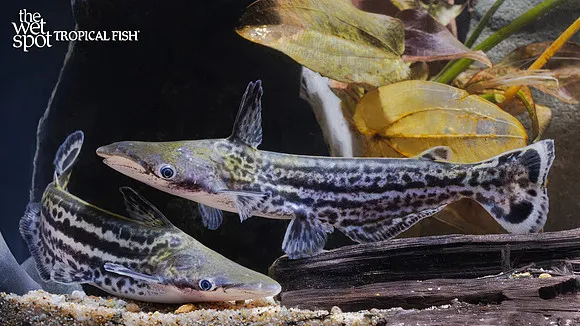 7.1 in (18 cm)106 gal (400 L)73–82°F (23–28°C)
Orinoco dolphin catfish
Ageneiosus magoi
7.1 in (18 cm) · 106 gal (400 L)
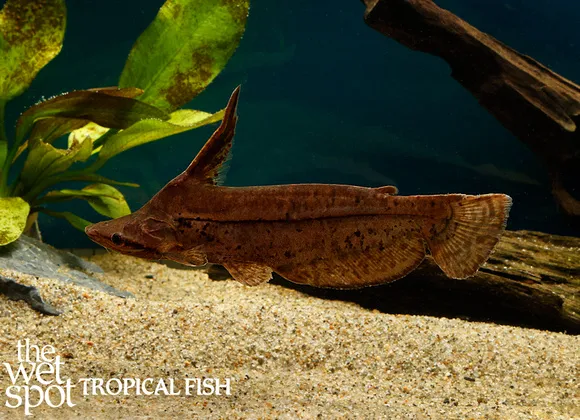 8.3 in (21 cm)79 gal (300 L)73–82°F (23–28°C)
Horseshoe catfish
Tetranematichthys wallacei
8.3 in (21 cm) · 79 gal (300 L)
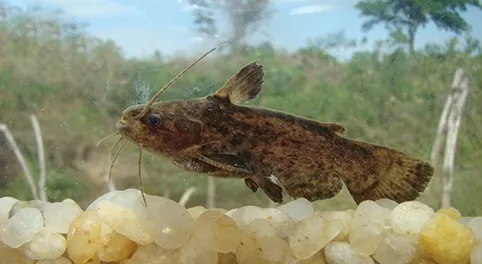 8.7 in (22 cm)50 gal (190 L)72–82°F (22–28°C)
Common woodcat
Trachelyopterus galeatus
8.7 in (22 cm) · 50 gal (190 L)
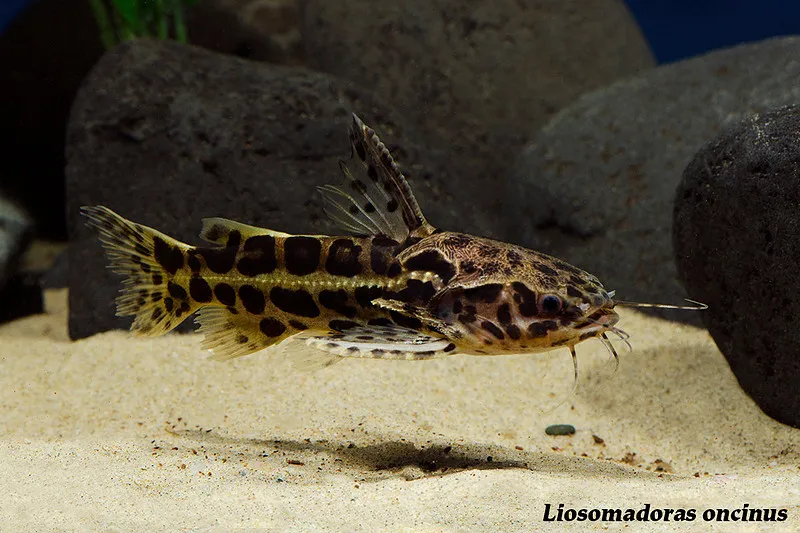 9.1 in (23 cm)65 gal (245 L)72–82°F (22–28°C)
Jaguar catfish
Liosomadoras oncinus
9.1 in (23 cm) · 65 gal (245 L)
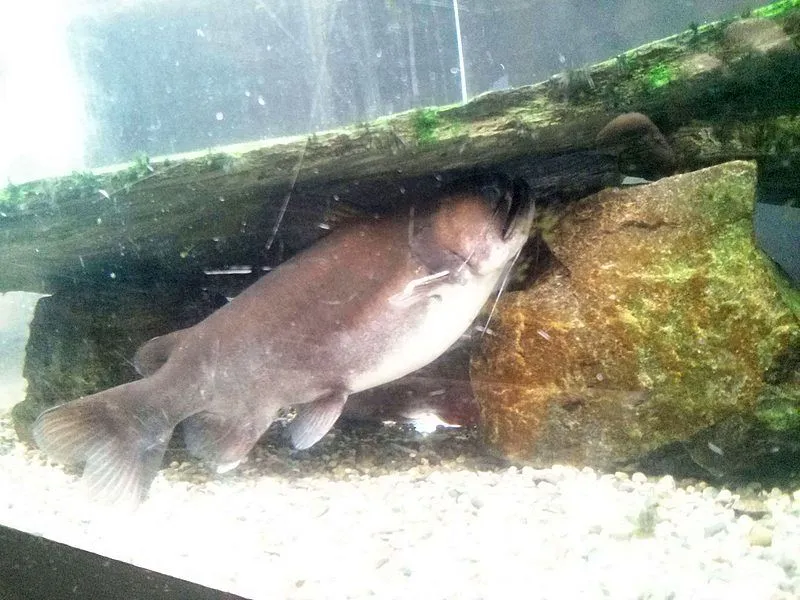 9.8 in (25 cm)95 gal (360 L)72–82°F (22–28°C)
Gulper catfish
Asterophysus batrachus
9.8 in (25 cm) · 95 gal (360 L)
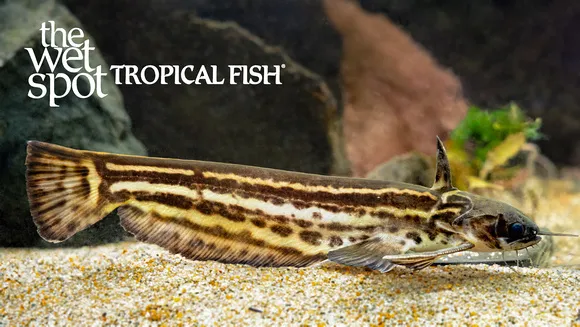 5.9 in (15 cm)53 gal (200 L)73–82°F (23–28°C)
Striped woodcat
Trachelyopterichthys taeniatus
5.9 in (15 cm) · 53 gal (200 L)