Purple pencilfish
Nannostomus rubrocaudatus
Also known as Redtail pencilfish
FreshwaterFish

Care at a glance
- Temperature
- 75–82°F
- 24–28°C
- pH
- 5.5–7.0
- Adult size
- 1.2 in
- 3 cm
- Minimum tank
- 20 gal
- 75 L
- Temperament
- Mostly peaceful
- Social behavior
- Shoaling
- Swim level
- Middle
- Difficulty
- Medium
- Breeding
- Egg scatterer · Hard
- Rarity
- Common
- Family
- Lebiasinidae
- Origin
- Peru, upper Amazon (Marañón River basin)
Overview
The purple pencilfish is a small, mostly peaceful shoaling fish for a planted blackwater tank. It is best for someone with a little experience, a step up from the easiest fish.
Did you know
The purple pencilfish, like other pencilfish, swaps its daytime pattern for a nighttime one. After the lights go out, the bold horizontal stripe fades and a blotchy resting pattern takes over, and the stripe returns by morning. If you peek with a dim light at night, you will sometimes catch them mid-change, looking like a different fish.
Caring for the purple pencilfish
Keep purple pencilfish in a group of at least ten. Use a tank of 20 gal (75 L) or more, with a long footprint for swimming room. Plant it densely and add floating cover, a dark substrate, and leaf litter or other tannins to tint the water.
Give them warm, soft water, acidic to neutral, at 75 to 82°F (24 to 28°C) and a pH of 5.5 to 7.0. They dislike strong flow, so use gentle filtration such as an air-driven sponge filter. Feed small live or frozen foods such as baby brine shrimp, microworms and daphnia, plus fine dry foods.
Purple pencilfish are mostly peaceful and school together in the middle of the water column. Males get territorial toward rivals, and a bigger group spreads out the squabbling and brings out bolder color. They are timid and small, so skip the general community and pair them with other small, calm fish.
They are egg scatterers with no parental care, and adults will eat their own eggs. Breeding them is hard, and it is uncommon in the home tank without a dedicated setup.
Good to know
The purple pencilfish belongs to the pencilfish family Lebiasinidae and is also known as the redtail pencilfish. Most purple pencilfish you find for sale are wild caught.
In the wild
Purple pencilfish come from soft, acidic, tannin-stained blackwater in the upper Amazon, in the Marañón River basin of Peru. These are dim, shaded, slow-moving waters over leaf litter.
Weekly picks
Tank mates
The purple pencilfish is a mostly peaceful, shoaling species that keeps to the middle. These picks share a community profile with it, are safe together in both directions, and overlap on water type, temperature and pH.
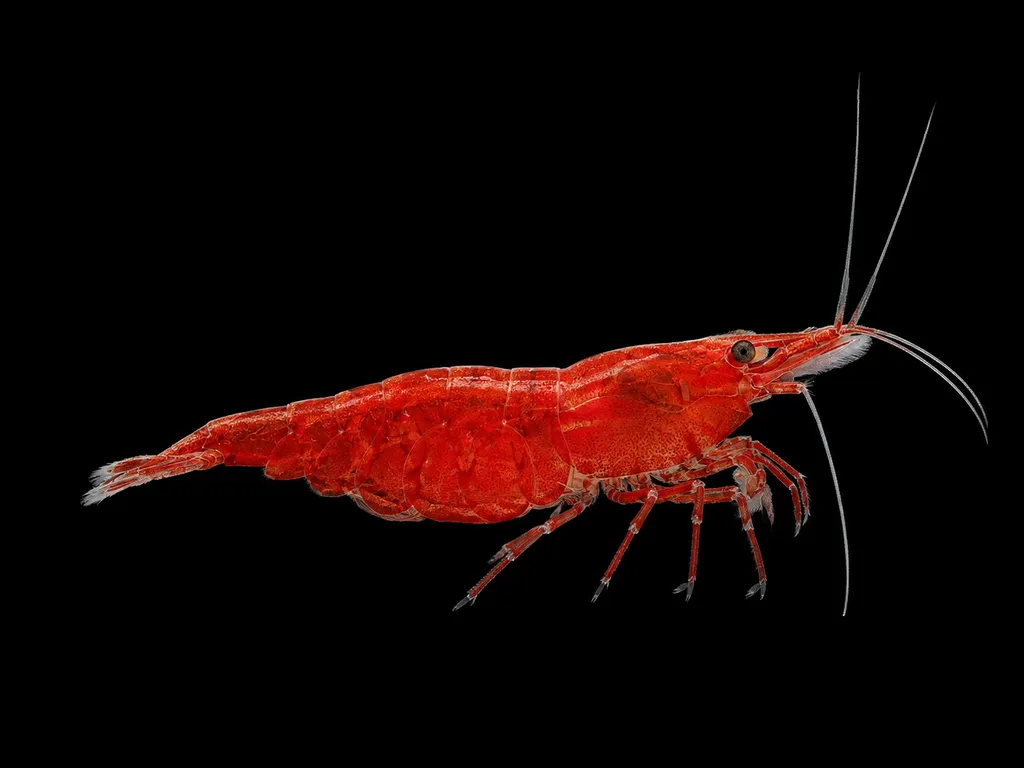
Neocaridina shrimp
Neocaridina davidi
Freshwater1.6 in (4 cm) · 5 gal (19 L)59–84°F (15–29°C)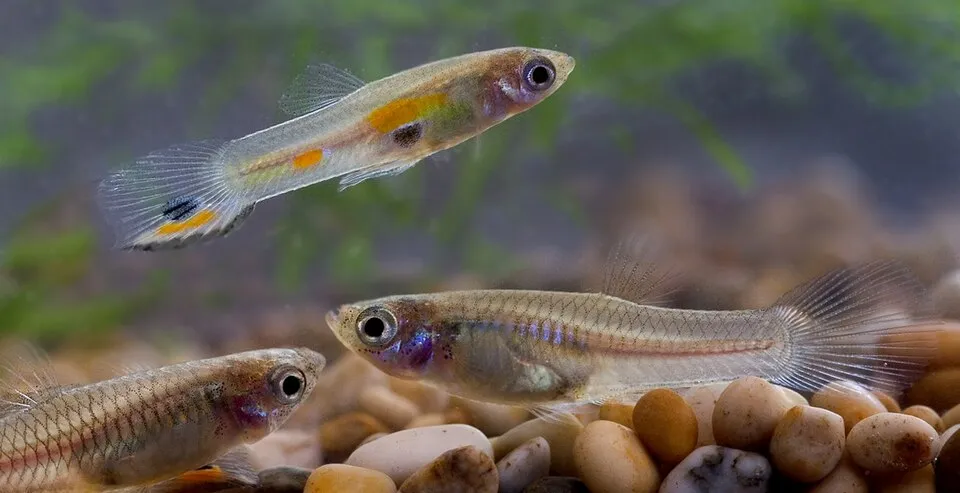
Guppy
Poecilia reticulata
FreshwaterBrackish2.4 in (6 cm) · 10 gal (38 L)64–82°F (18–28°C)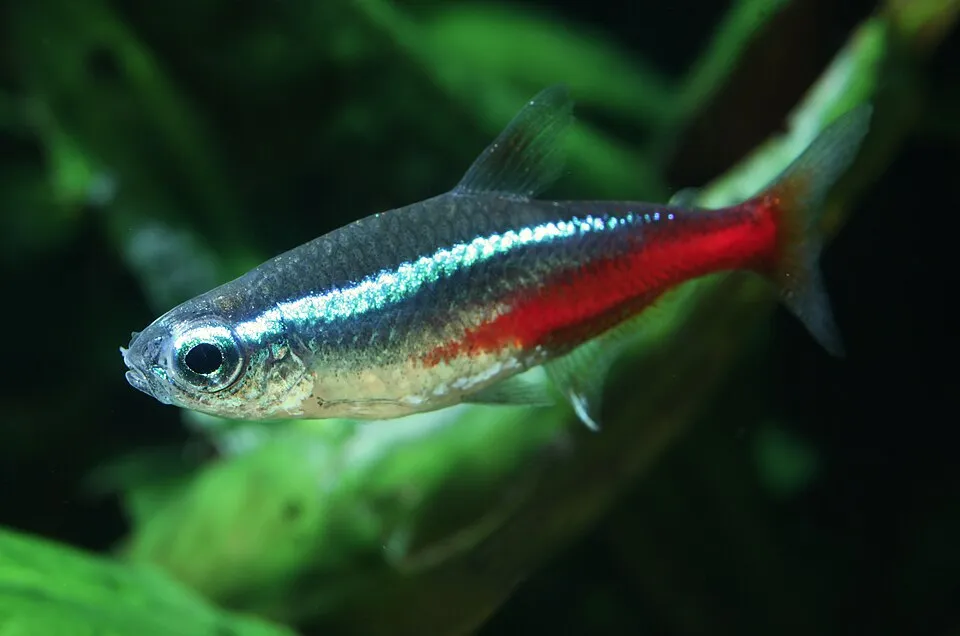
Neon tetra
Paracheirodon innesi
Freshwater1.5 in (3.8 cm) · 11 gal (40 L)70–77°F (21–25°C)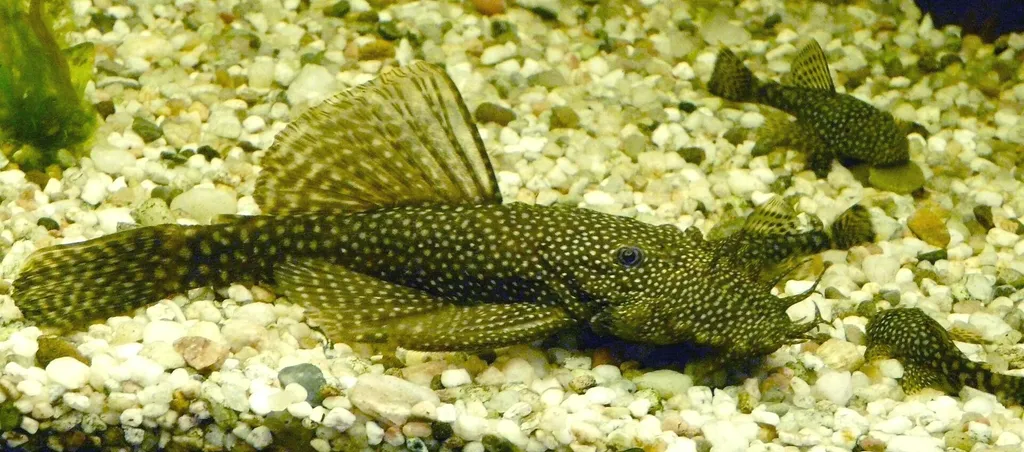
Bristlenose pleco
Ancistrus sp.
Freshwater4.9 in (12.5 cm) · 20 gal (75 L)70–79°F (21–26°C)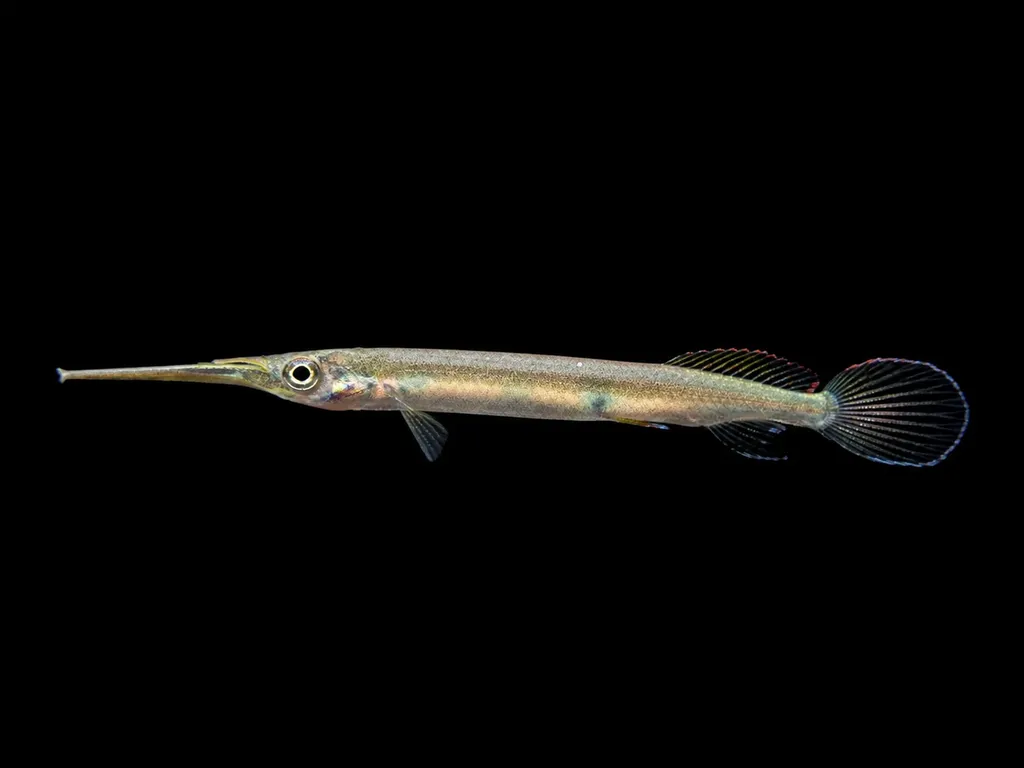
Kuekenthal's halfbeak
Hemirhamphodon kuekenthali
Freshwater3.3 in (8.5 cm) · 20 gal (75 L)73–81°F (23–27°C)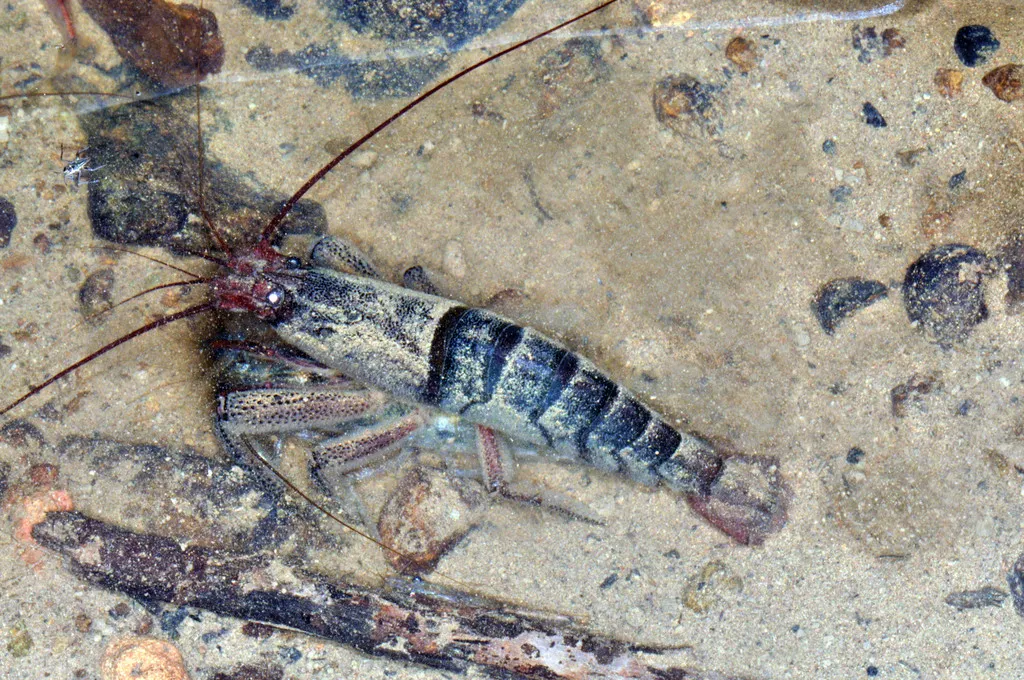
Marble wood shrimp
Atya scabra
Freshwater3.9 in (10 cm) · 20 gal (75 L)73–82°F (23–28°C)
Common questions
What size tank does a purple pencilfish need?
A purple pencilfish needs at least 20 gal (75 L). It spends most of its time in the middle.
What temperature and pH does a purple pencilfish need?
A purple pencilfish is comfortable at 75–82°F (24–28°C) with a pH of 5.5–7.0.
What does a purple pencilfish eat?
A purple pencilfish eats small live or frozen foods such as baby brine shrimp, microworms and daphnia. Add fine dry foods as well.
How big does a purple pencilfish get?
An adult purple pencilfish reaches about 1.2 in (3 cm).
Does a purple pencilfish need a group?
Yes. A purple pencilfish is a shoaling species and should be kept in a group, not singly.
How does a purple pencilfish breed?
Purple pencilfish scatter their eggs and give no parental care, and the adults will eat their own eggs. Breeding them is hard and uncommon in a home tank without a dedicated setup.
Related species
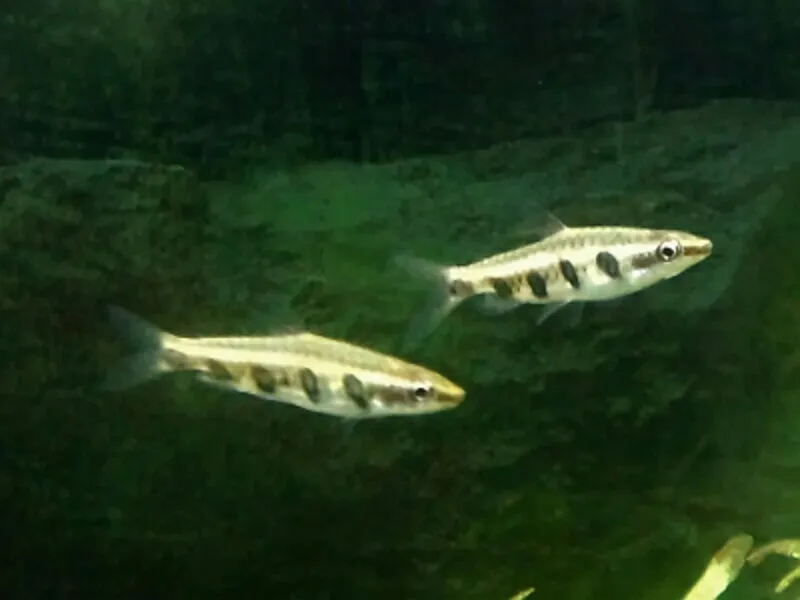 1.2 in (3 cm)15 gal (55 L)72–82°F (22–28°C)
Barred pencilfish
Nannostomus espei
1.2 in (3 cm) · 15 gal (55 L)
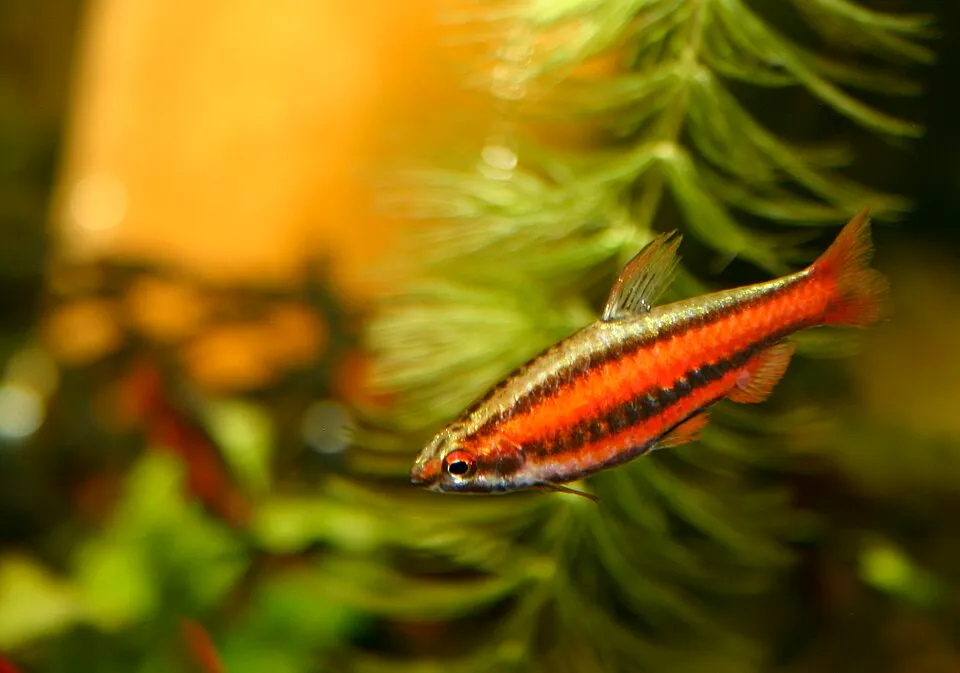 1.2 in (3 cm)15 gal (55 L)75–82°F (24–28°C)
Coral red pencilfish
Nannostomus mortenthaleri
1.2 in (3 cm) · 15 gal (55 L)
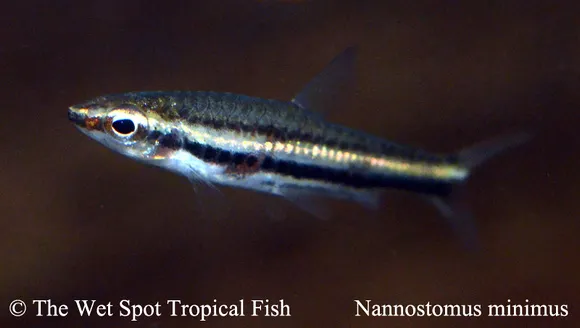 1.1 in (2.8 cm)11 gal (40 L)75–82°F (24–28°C)
Least pencilfish
Nannostomus minimus
1.1 in (2.8 cm) · 11 gal (40 L)
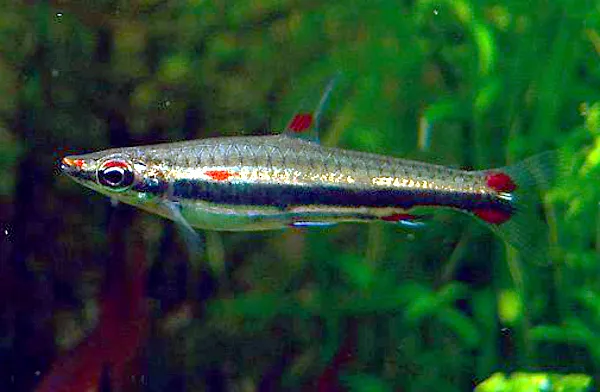 1.3 in (3.3 cm)15 gal (55 L)72–82°F (22–28°C)
Three-lined pencilfish
Nannostomus trifasciatus
1.3 in (3.3 cm) · 15 gal (55 L)
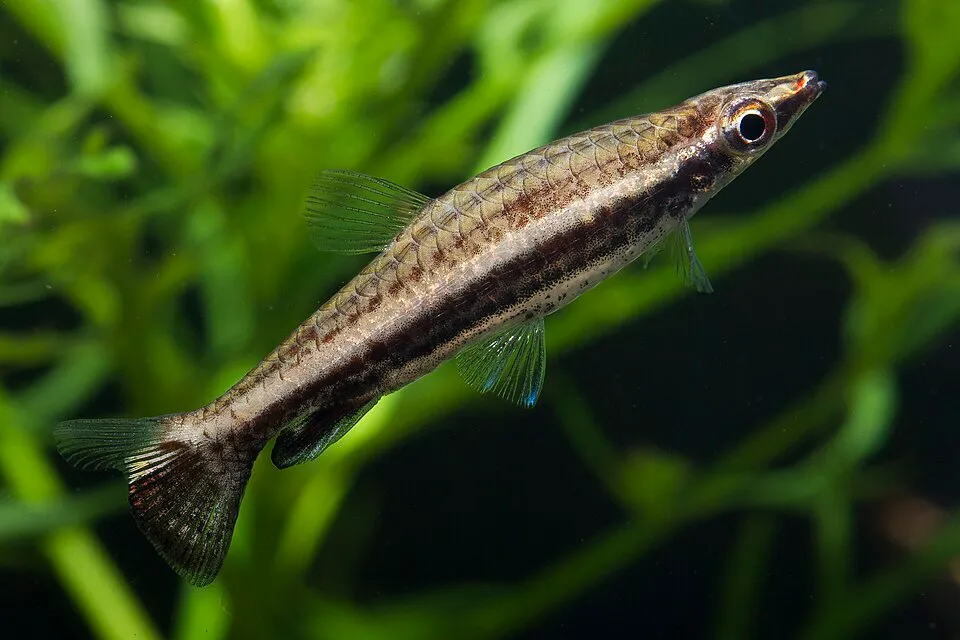 1.4 in (3.5 cm)15 gal (55 L)72–82°F (22–28°C)
Hockeystick pencilfish
Nannostomus eques
1.4 in (3.5 cm) · 15 gal (55 L)
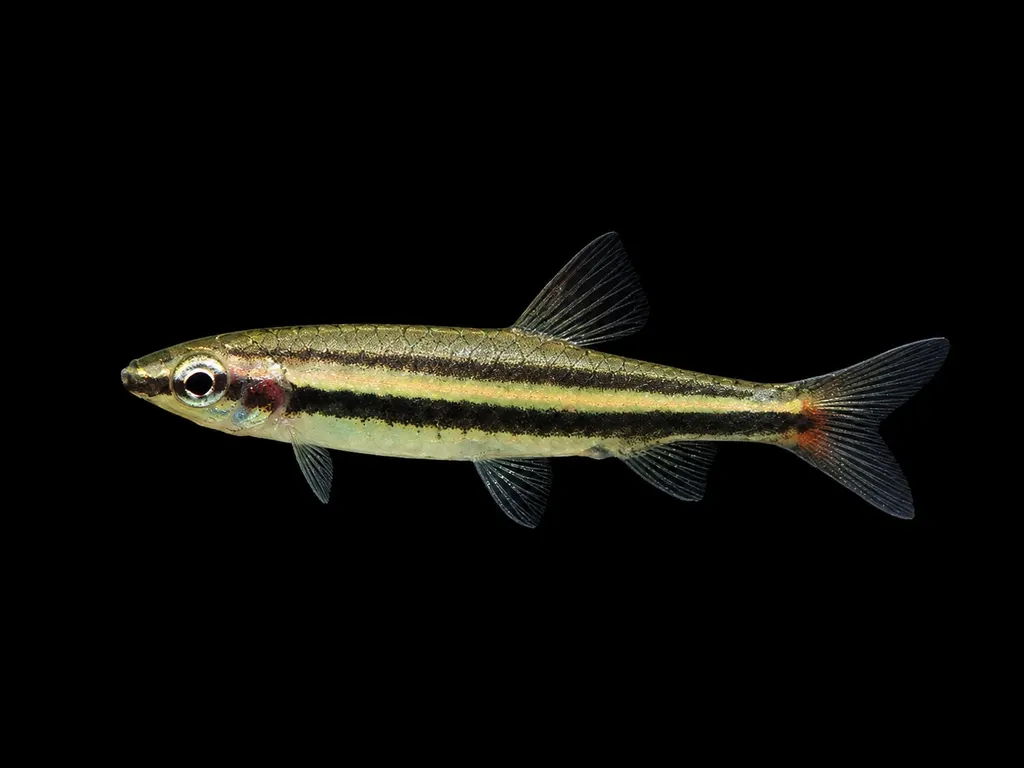 1.4 in (3.5 cm)12 gal (45 L)75–82°F (24–28°C)
Twostripe pencilfish
Nannostomus digrammus
1.4 in (3.5 cm) · 12 gal (45 L)