Payara
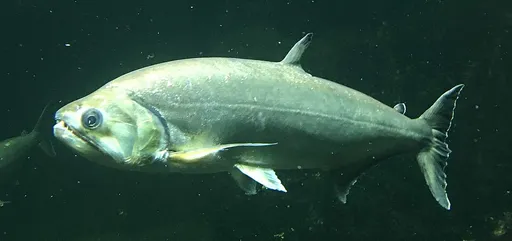
Hydrolycus armatus
Also known as Vampire fish, Vampire tetra, Sabre-tooth barracuda, Armatus payara
FreshwaterFish
Care at a glance
- Temperature
- 75–82°F
- 24–28°C
- pH
- 5.5–7.5
- Adult size
- 35 in
- 89 cm
- Minimum tank
- 1,057 gal
- 4,000 L
- Temperament
- Mostly peaceful
- Social behavior
- Social
- Tankmates
- With caution
- Swim level
- Middle
- Difficulty
- Difficult
- Breeding
- No record
- Rarity
- Rare
- Family
- Cynodontidae
- Origin
- Native to the Amazon and Orinoco basins and rivers of the Guianas in South America.
Overview
The payara is a huge, fast predator that needs an enormous tank of several thousand liters with pristine, highly oxygenated water and strong flow. It is not aggressive toward fish it cannot eat and is often kept in groups, but it will swallow smaller tankmates and is easily stressed on import. This is a specialist fish for keepers with the space, filtration, and experience to match.
In the wild
Hunts in fast, open, well oxygenated water in large rivers and below rapids. It is a powerful, streamlined predator that chases down smaller fish in midwater. It roams the main channels rather than hiding among cover.
Good to know
Hydrolycus armatus is one of the largest members of the family Cynodontidae, reaching around 89 cm according to Fishbase. Its most striking feature is a pair of long fangs that jut up from the lower jaw and slot into pockets in the upper jaw. Those fangs can be several centimeters long in a big fish.
Did you know
The two dagger like fangs of the lower jaw can grow several centimeters long, which is where the vampire fish nickname comes from.
Common questions
What size tank does a Payara need?
A Payara needs at least 1,057 gal (4,000 L). It spends most of its time in the middle.
What temperature and pH does a Payara need?
A Payara is comfortable at 75–82°F (24–28°C) with a pH of 5.5–7.5.
How big does a Payara get?
An adult Payara reaches about 35 in (89 cm).
Related species
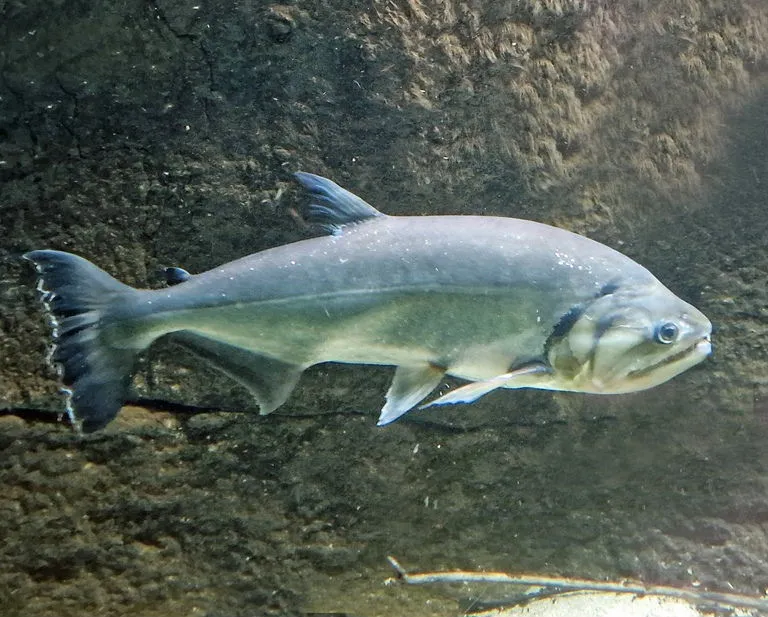 11.8 in (30 cm)185 gal (700 L)75–82°F (24–28°C)
Vampire tetra
Hydrolycus scomberoides
11.8 in (30 cm) · 185 gal (700 L)
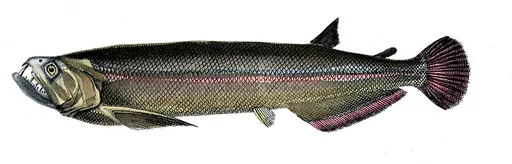 31.5 in (80 cm)660 gal (2,500 L)73–82°F (23–28°C)
Biara
Rhaphiodon vulpinus
31.5 in (80 cm) · 660 gal (2,500 L)
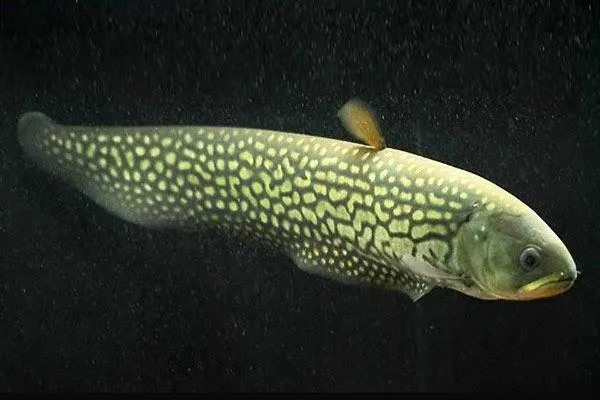 31.5 in (80 cm)159 gal (600 L)75–82°F (24–28°C)
African featherfin knifefish
Papyrocranus afer
31.5 in (80 cm) · 159 gal (600 L)
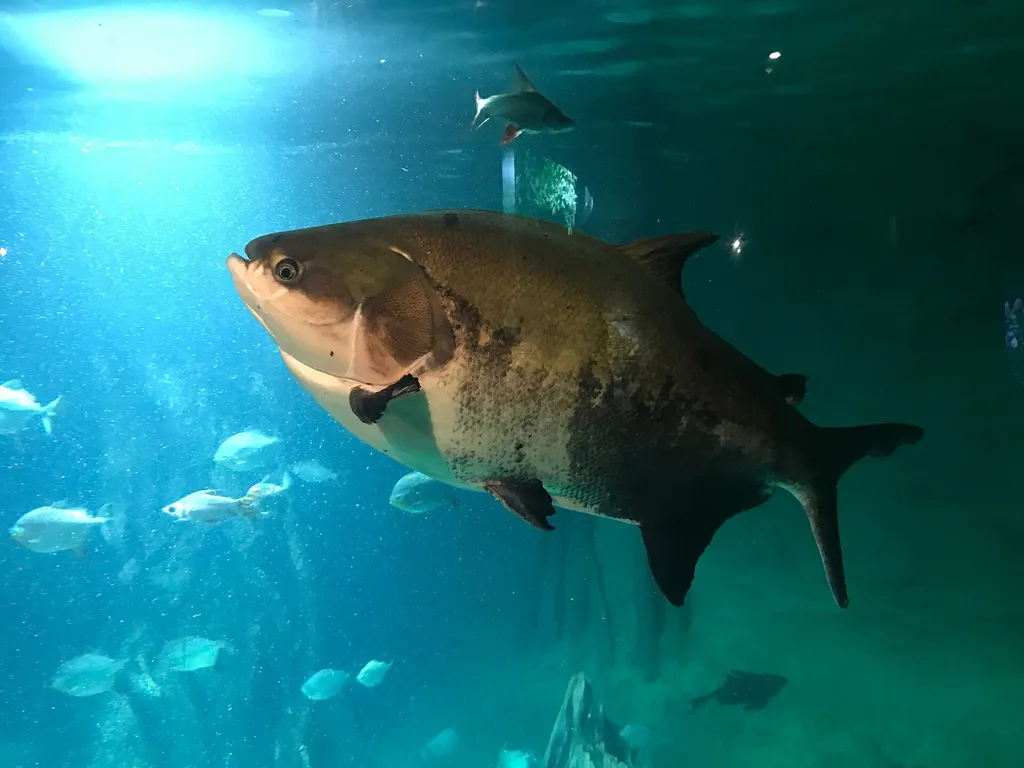 39.4 in (100 cm)660 gal (2,500 L)72–82°F (22–28°C)
Black pacu
Colossoma macropomum
39.4 in (100 cm) · 660 gal (2,500 L)
 39.4 in (100 cm)502 gal (1,900 L)64–79°F (18–26°C)
Deccan mahseer
Tor khudree
39.4 in (100 cm) · 502 gal (1,900 L)
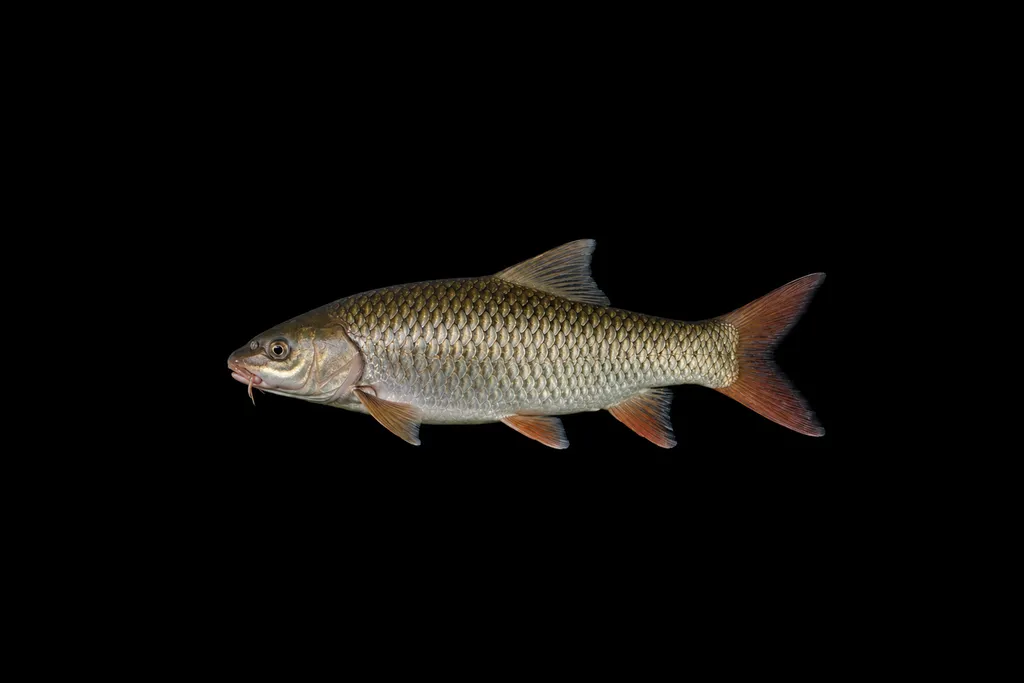 59.1 in (150 cm)502 gal (1,900 L)61–77°F (16–25°C)
Tor mahseer
Tor tor
59.1 in (150 cm) · 502 gal (1,900 L)