Biara
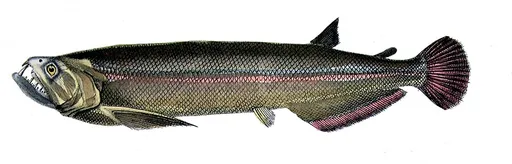
Rhaphiodon vulpinus
Also known as Dogtooth characin, Chafalote, Sabertooth characin, Sabre tusk characin
FreshwaterFish
Care at a glance
- Temperature
- 73–82°F
- 23–28°C
- pH
- 5.5–7.5
- Adult size
- 31.5 in
- 80 cm
- Minimum tank
- 660 gal
- 2,500 L
- Temperament
- Mostly peaceful
- Social behavior
- Social
- Tankmates
- With caution
- Swim level
- Middle
- Difficulty
- Difficult
- Breeding
- No record
- Rarity
- Very rare
- Family
- Cynodontidae
- Origin
- Widespread in the Amazon, Orinoco, and Parana basins and rivers of Guyana.
Overview
The Biara is a large, fast predator that needs a very big tank. It is a specialist fish for experienced keepers, not a community choice.
Did you know
The Biara has a deeply forked tail, a jutting jaw and a very long, thin body. It looks more like a silver blade than a typical fish.
Caring for the Biara
Give the Biara a tank of at least 660 gal (2,500 L), with plenty of open swimming length. It jumps hard, so fit a secure lid.
Keep the water at 73 to 82°F (23 to 28°C), with a pH of 5.5 to 7.5. It stresses easily when it is first imported.
The Biara is a predator and will swallow smaller tank mates, so choose its company with caution. It is not aggressive toward fish it cannot eat. It often shoals, though it is also fine kept alone. There is no record of it breeding in aquariums.
Good to know
Rhaphiodon vulpinus is a predator in the family Cynodontidae. It has a pair of long fangs in the lower jaw and a strongly upturned mouth. Its slim, silvery body is built for speed.
In the wild
The Biara is widespread in the Amazon, Orinoco and Parana basins and in the rivers of Guyana. It cruises open water in large rivers and floodplains, hunting smaller fish in midwater and near the surface. It roams the channels rather than holding among cover.
Common questions
What size tank does a Biara need?
A Biara needs at least 660 gal (2,500 L). It spends most of its time in the middle.
What temperature and pH does a Biara need?
A Biara is comfortable at 73–82°F (23–28°C) with a pH of 5.5–7.5.
How big does a Biara get?
An adult Biara reaches about 31.5 in (80 cm).
Related species
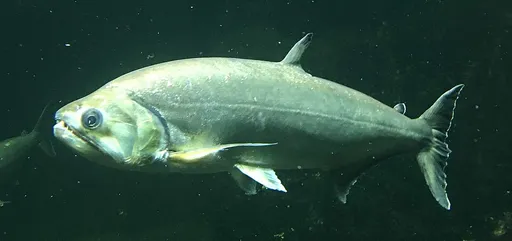 35 in (89 cm)1,057 gal (4,000 L)75–82°F (24–28°C)
Payara
Hydrolycus armatus
35 in (89 cm) · 1,057 gal (4,000 L)
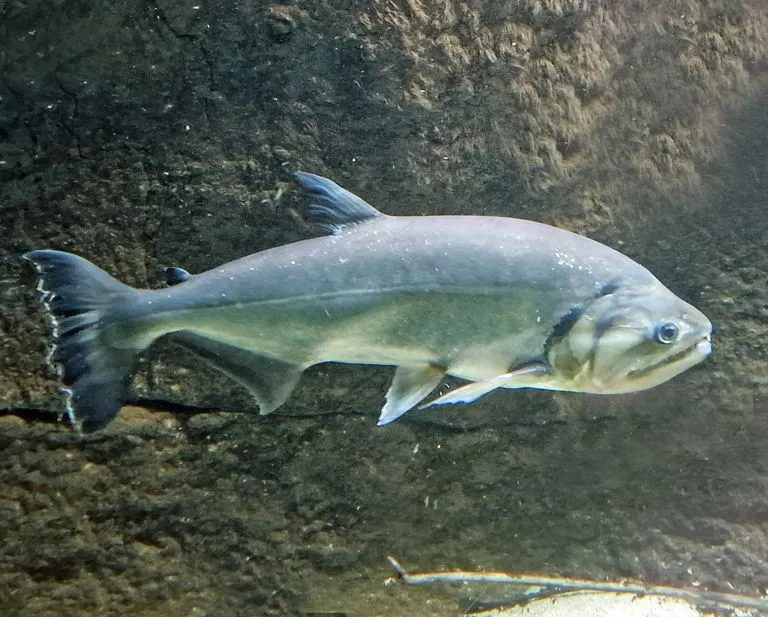 11.8 in (30 cm)185 gal (700 L)75–82°F (24–28°C)
Vampire tetra
Hydrolycus scomberoides
11.8 in (30 cm) · 185 gal (700 L)
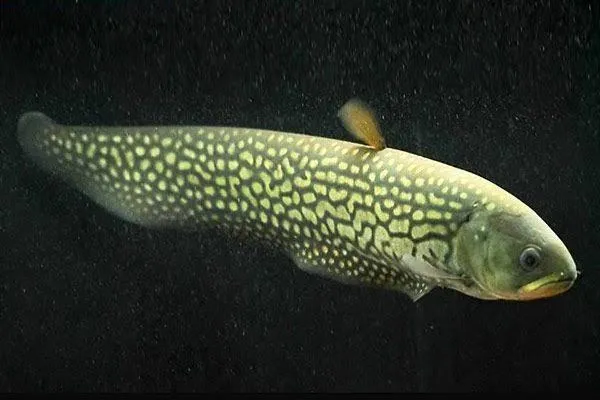 31.5 in (80 cm)159 gal (600 L)75–82°F (24–28°C)
African featherfin knifefish
Papyrocranus afer
31.5 in (80 cm) · 159 gal (600 L)
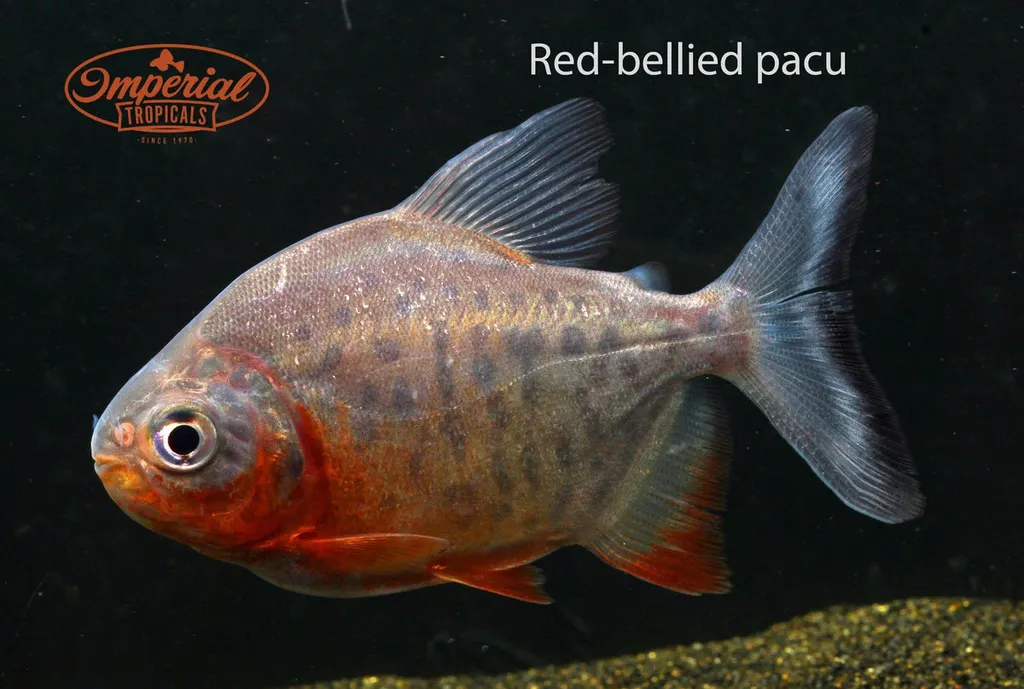 34.6 in (88 cm)1,057 gal (4,000 L)73–82°F (23–28°C)
Red-bellied pacu
Piaractus brachypomus
34.6 in (88 cm) · 1,057 gal (4,000 L)
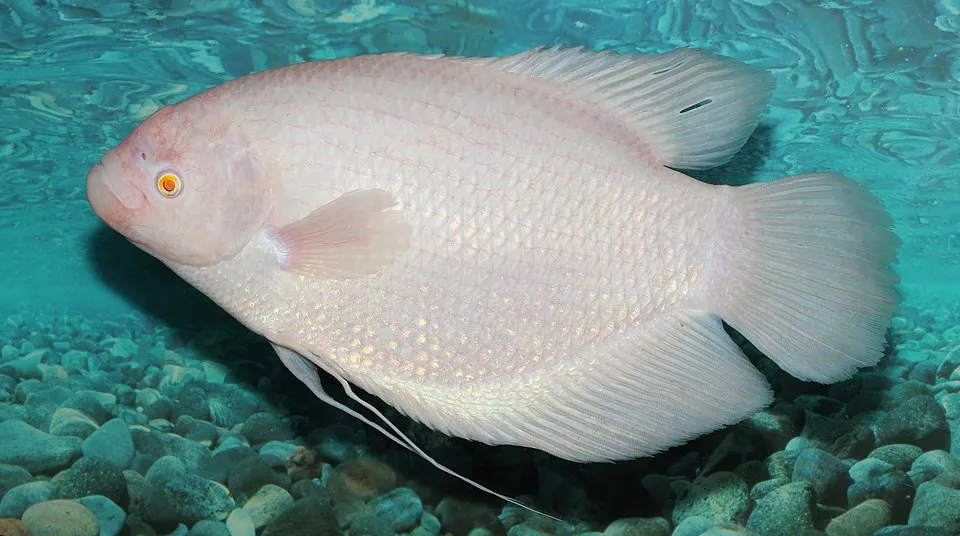 27.6 in (70 cm)180 gal (680 L)68–86°F (20–30°C)
Giant gourami
Osphronemus goramy
27.6 in (70 cm) · 180 gal (680 L)
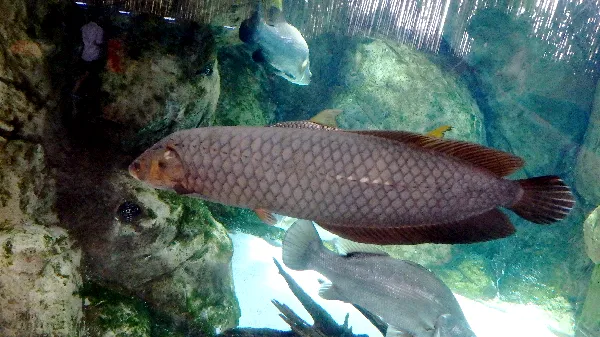 39.4 in (100 cm)528 gal (2,000 L)75–82°F (24–28°C)
African arowana
Heterotis niloticus
39.4 in (100 cm) · 528 gal (2,000 L)