Malawi eyebiter
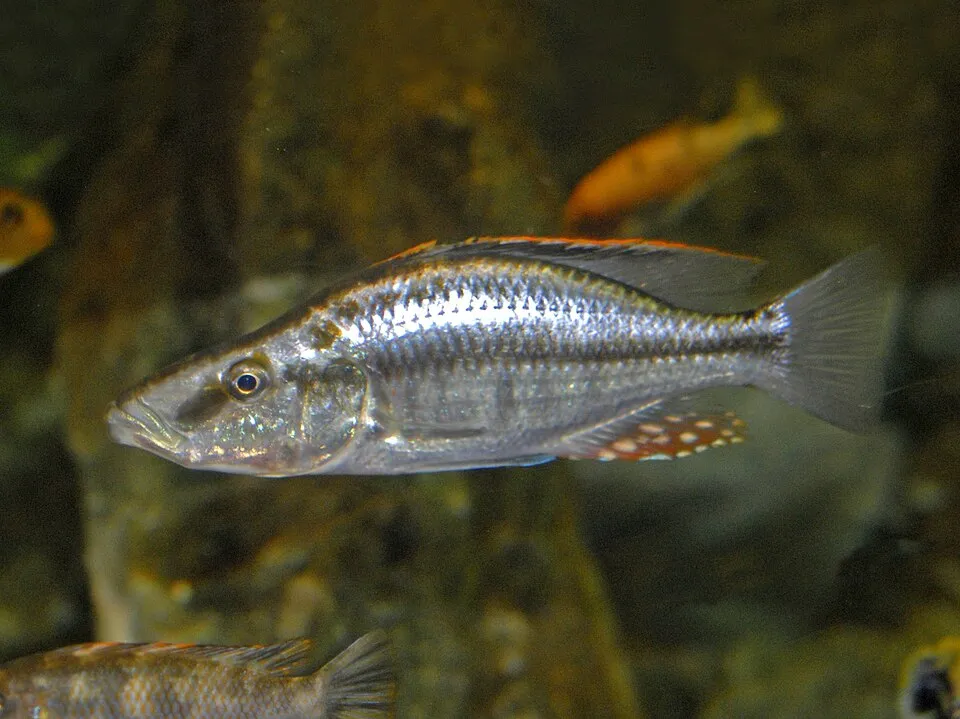
Dimidiochromis compressiceps
FreshwaterFish
Care at a glance
- Temperature
- 73–82°F
- 23–28°C
- pH
- 7.5–8.5
- Adult size
- 9.8 in
- 25 cm
- Minimum tank
- 66 gal
- 250 L
- Temperament
- Mostly peaceful
- Social behavior
- Social
- Swim level
- Middle
- Difficulty
- Difficult
- Breeding
- Hard
- Rarity
- Rare
- Family
- Cichlidae
- Origin
- Lake Malawi
Overview
Despite the reputation it is fairly calm for a big Malawi cichlid, though it gets pushy at breeding time. Give it at least 250 liters with sand, rock, and open swimming space, and a sex ratio of one male to several females works best. Feed high-protein foods such as carnivore pellets, frozen fish and shrimp, and the occasional live food. Tankmates should be too large to be seen as a meal.
In the wild
The Malawi eyebiter lives in Lake Malawi, hanging around sandy areas with light plant cover and the edges of rock piles. It uses that cover to wait and ambush, so a setup with open sand, some Vallisneria-type plants, and scattered rock suits it. Keep the water hard and alkaline (pH 7.5 to 8.5) with temperatures in the mid to high 20s C.
Good to know
Dimidiochromis compressiceps is a cichlid that reaches about 25 cm, with males a bit larger than females. The body is strongly flattened side to side, which lets it slip through plants and line up on prey. It is a maternal mouthbrooder. The female holds the eggs and fry in her mouth until they can manage on their own. The IUCN lists it as Least Concern.
Did you know
The common name comes from old reports that it bites the eyes off prey fish. In reality it usually takes smaller fish head-first in one go, and the eye-biting story is mostly exaggerated, but the name stuck.
Weekly picks
Tank mates
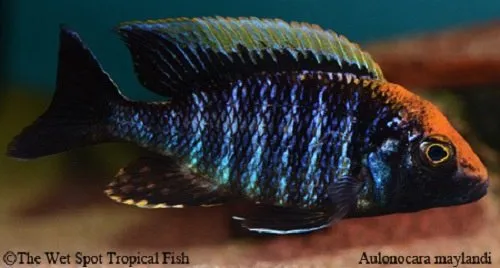
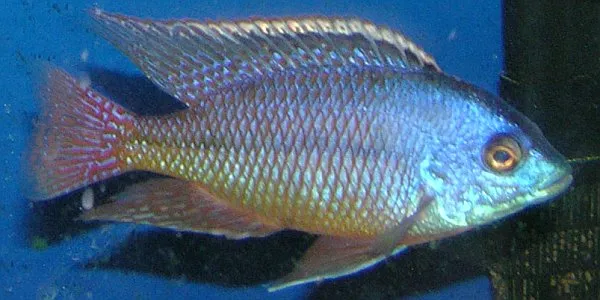
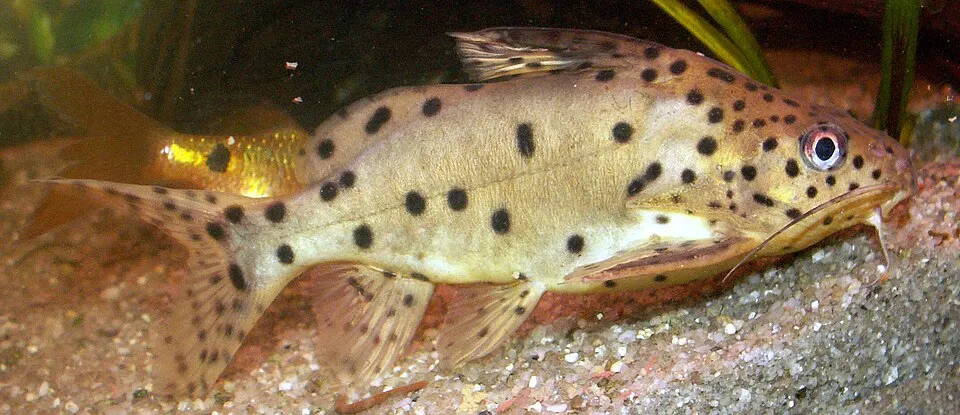
Malawi eyebiter is a mostly peaceful, social species that keeps to the middle. These picks share a community profile with it, are safe together in both directions, and overlap on water type, temperature and pH.
Common questions
What size tank does a Malawi eyebiter need?
A Malawi eyebiter needs at least 66 gal (250 L). It spends most of its time in the middle.
What temperature and pH does a Malawi eyebiter need?
A Malawi eyebiter is comfortable at 73–82°F (23–28°C) with a pH of 7.5–8.5.
How big does a Malawi eyebiter get?
An adult Malawi eyebiter reaches about 9.8 in (25 cm).
Related species
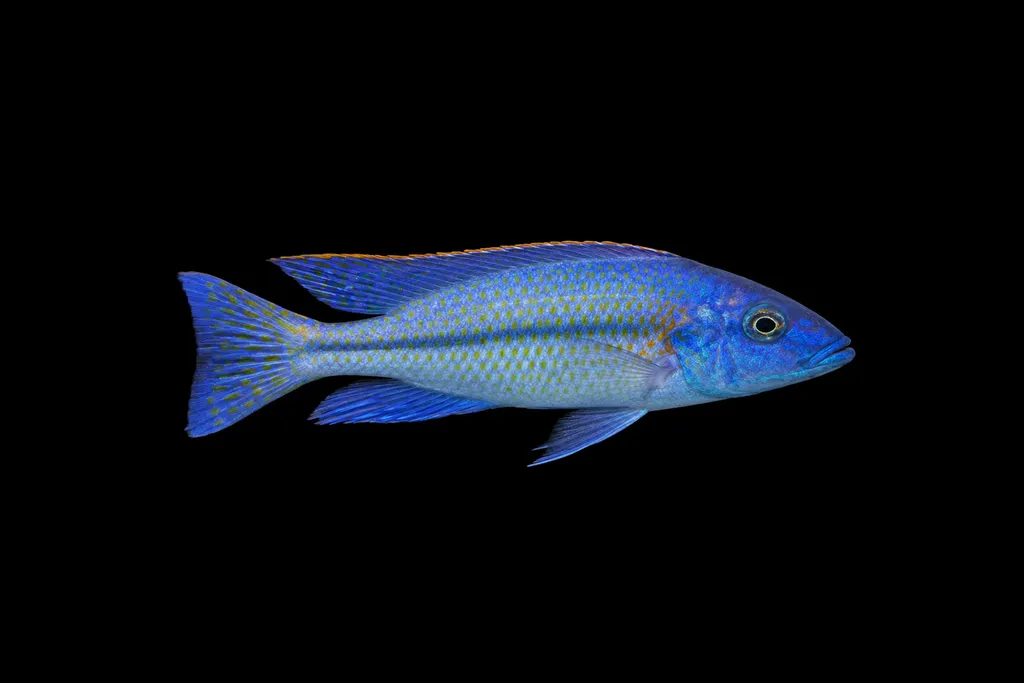 11.8 in (30 cm)159 gal (600 L)75–81°F (24–27°C)
Kiwinge hap
Dimidiochromis kiwinge
11.8 in (30 cm) · 159 gal (600 L)
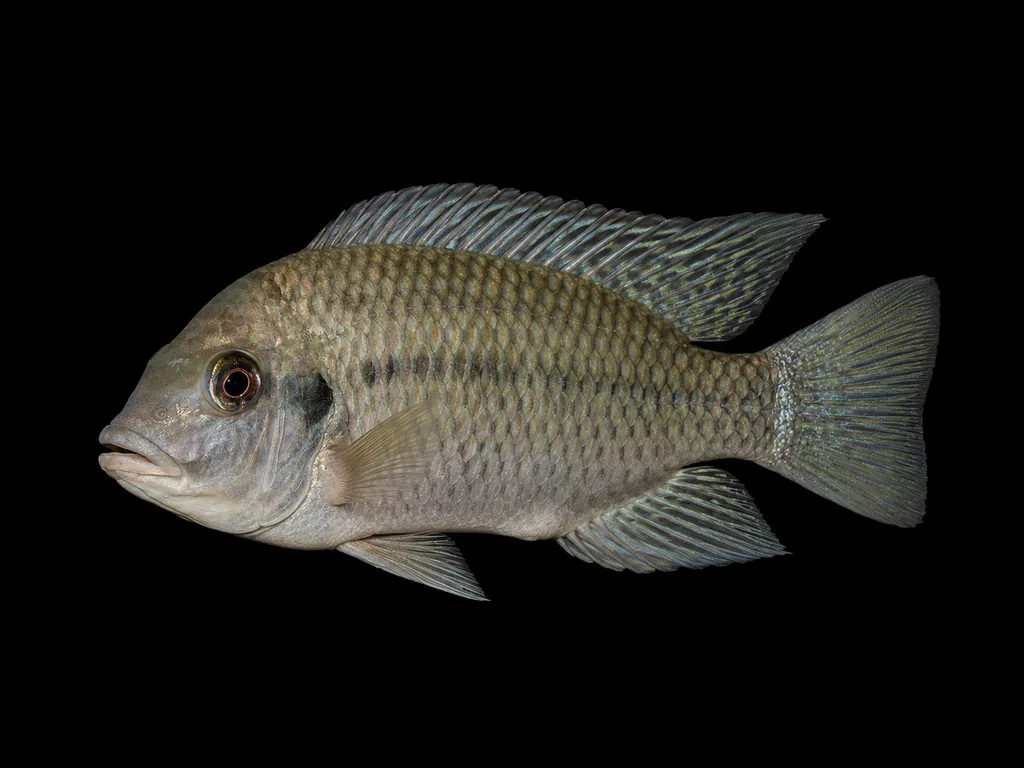 9.8 in (25 cm)106 gal (400 L)77–86°F (25–30°C)
Congo coptodon
Coptodon congica
9.8 in (25 cm) · 106 gal (400 L)
 9.8 in (25 cm)74 gal (280 L)75–82°F (24–28°C)
Livingston's cichlid
Nimbochromis livingstonii
9.8 in (25 cm) · 74 gal (280 L)
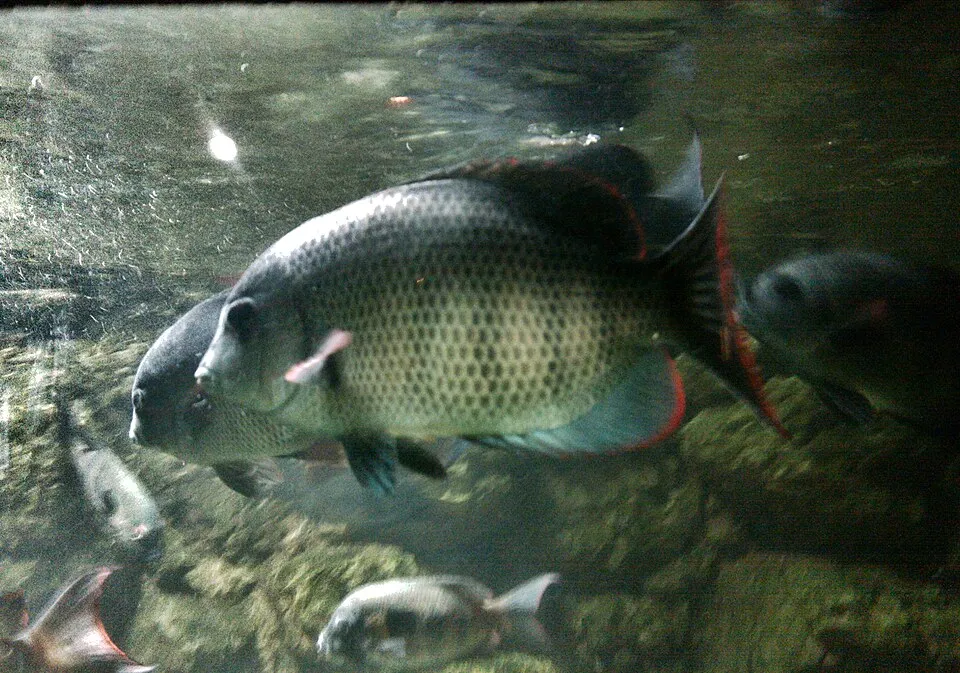 9.8 in (25 cm)95 gal (360 L)79–84°F (26–29°C)
Pinstripe damba cichlid
Paretroplus menarambo
9.8 in (25 cm) · 95 gal (360 L)
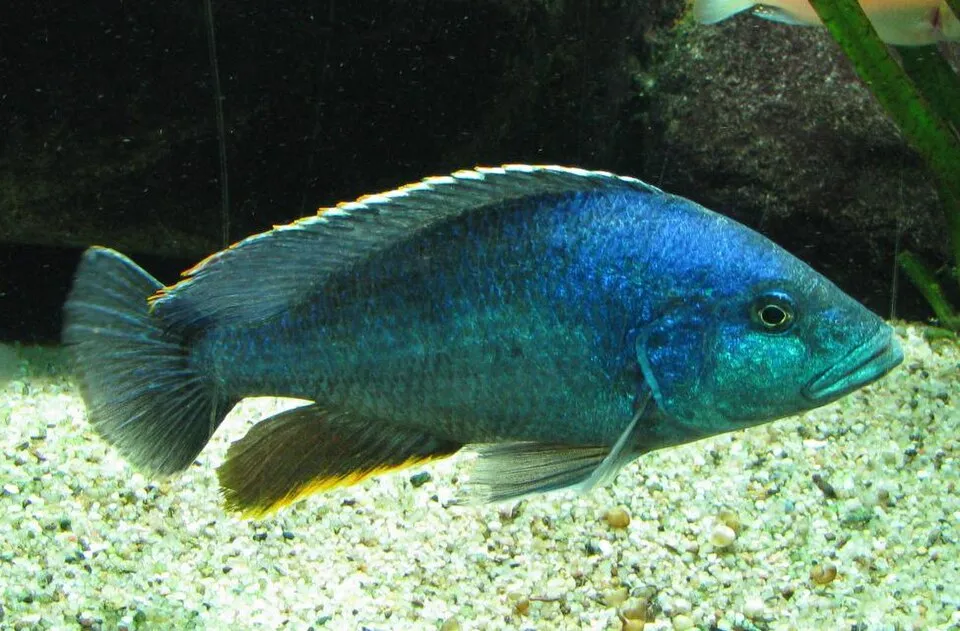 10.2 in (26 cm)74 gal (280 L)75–82°F (24–28°C)
Kaligono
Nimbochromis polystigma
10.2 in (26 cm) · 74 gal (280 L)
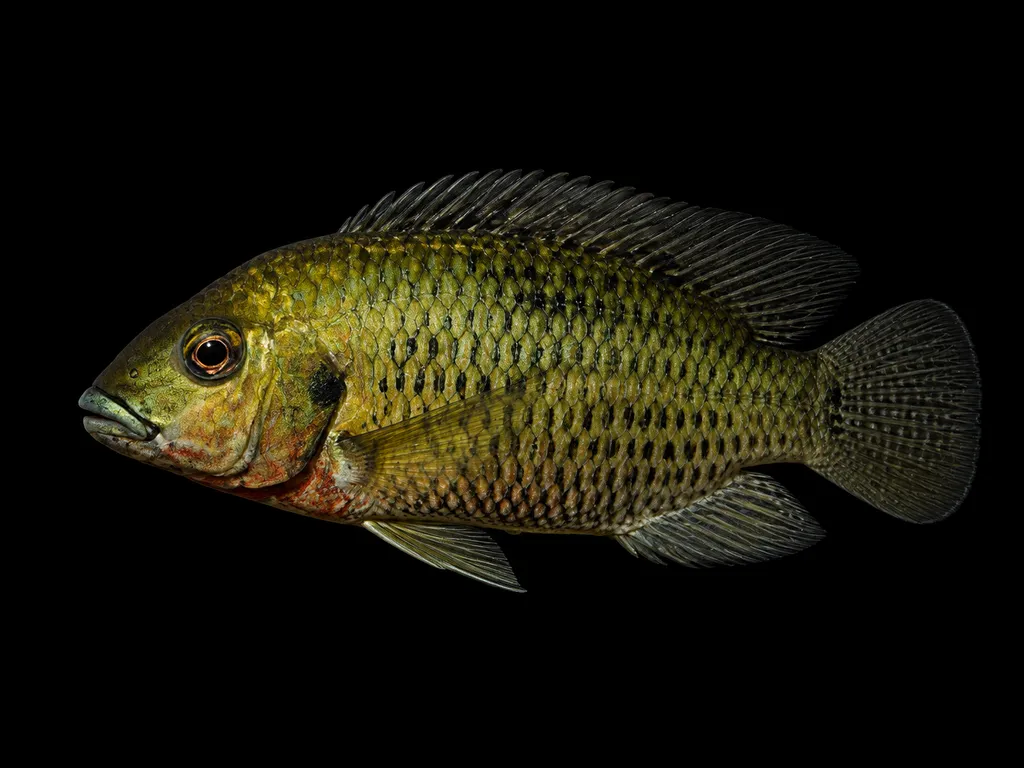 9.1 in (23 cm)106 gal (400 L)77–86°F (25–30°C)
Blackcap coptodon
Coptodon discolor
9.1 in (23 cm) · 106 gal (400 L)