Livingston's cichlid
Nimbochromis livingstonii
FreshwaterFish
Care at a glance
- Temperature
- 75–82°F
- 24–28°C
- pH
- 7.5–8.5
- Adult size
- 9.8 in
- 25 cm
- Minimum tank
- 74 gal
- 280 L
- Temperament
- Mostly peaceful
- Social behavior
- Social
- Swim level
- Middle
- Difficulty
- Difficult
- Breeding
- No record
- Rarity
- Very rare
- Family
- Cichlidae
- Origin
- Lake Malawi
Overview
This is an ambush predator, so it will eat any tankmate small enough to swallow. Keep it in a big tank with open sand, some rockwork, and only similarly sized, sturdy fish, or on its own. Feed quality cichlid pellets along with frozen meaty foods. Avoid feeding live feeder fish, which carry disease. It is calmer than many Malawi cichlids day to day but should never be trusted around small fish.
In the wild
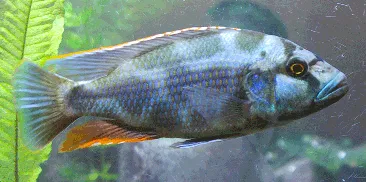
Livingston's cichlid lives over the sandy, rocky margins of Lake Malawi in East Africa, where its blotchy pattern blends into the substrate. The lake water is warm, clear, hard, and alkaline. Set up a large tank with open sand for it to lie on, some rock cover, hard water, and a pH around 7.5 to 8.5. Adults reach 25 cm and need room, so figure on 280 liters or more.
Good to know
Nimbochromis livingstonii is a predatory cichlid in the family Cichlidae and grows to about 25 cm. Its mottled brown-and-cream blotching is camouflage, not decoration. It is a maternal mouthbrooder. Wild populations are not currently endangered, though overfishing and habitat disruption are concerns.
Did you know
Livingston's cichlid hunts by playing dead. It lies on its side on the sand, looking like a rotting carcass, and waits for scavenging fish to come investigate. When one gets close enough, it springs up and grabs it, a trick that earned it the nickname "the sleeper."
Weekly picks
Tank mates
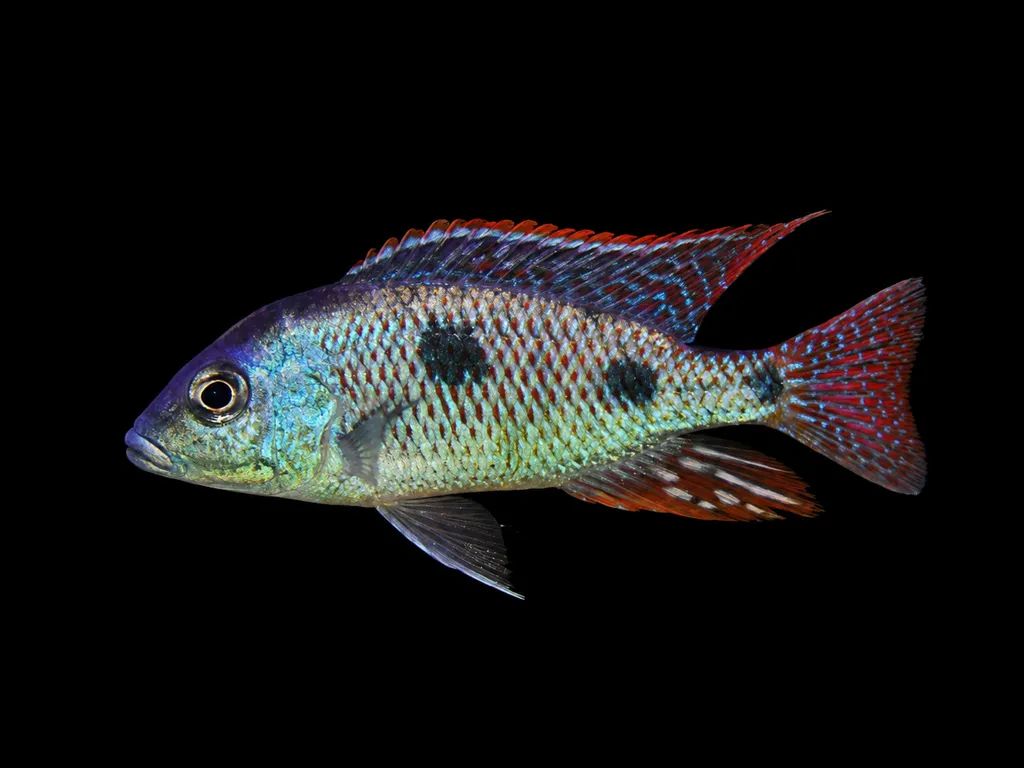
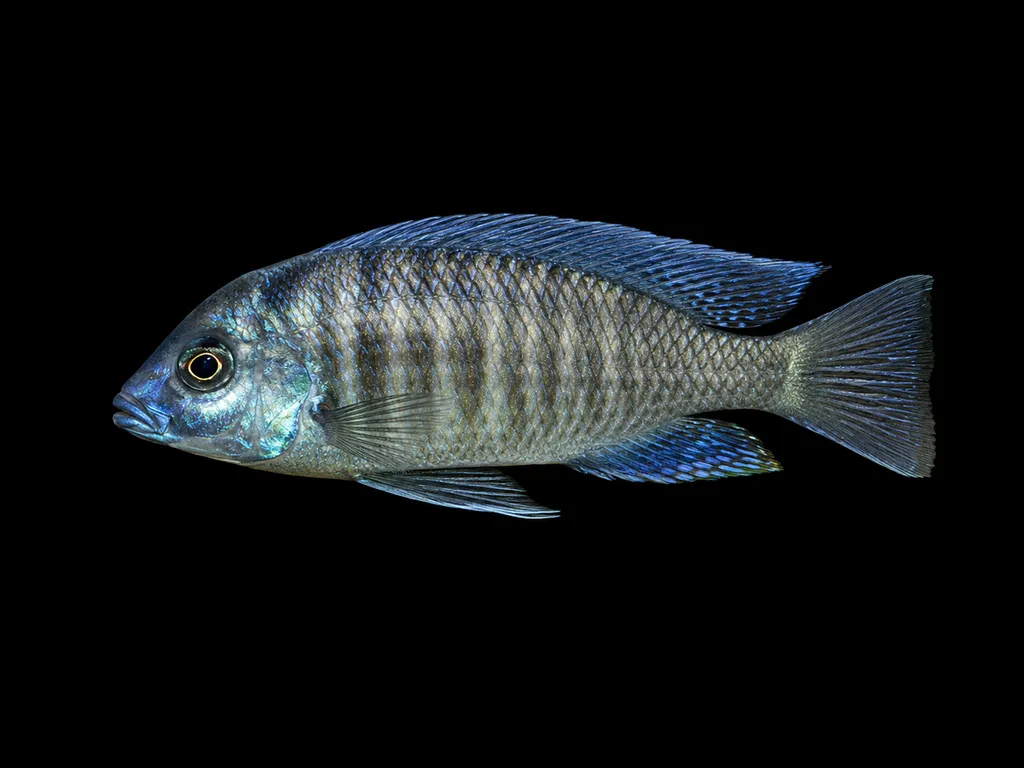
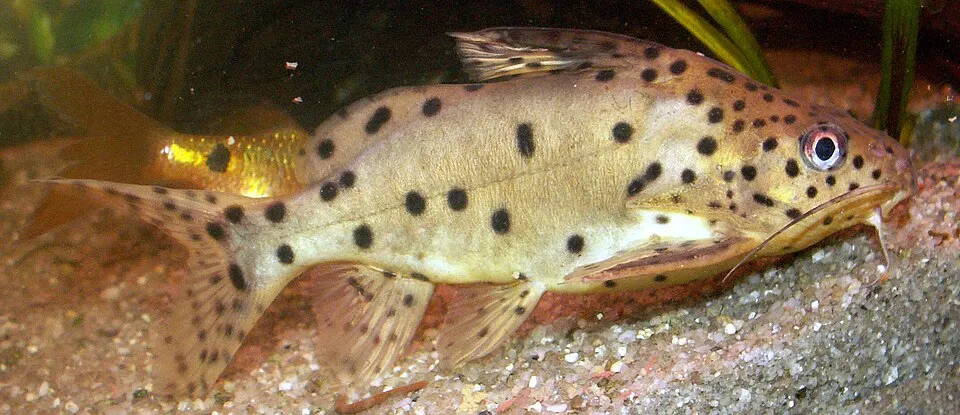
Livingston's cichlid is a mostly peaceful, social species that keeps to the middle. These picks share a community profile with it, are safe together in both directions, and overlap on water type, temperature and pH.
Common questions
What size tank does a Livingston's cichlid need?
A Livingston's cichlid needs at least 74 gal (280 L). It spends most of its time in the middle.
What temperature and pH does a Livingston's cichlid need?
A Livingston's cichlid is comfortable at 75–82°F (24–28°C) with a pH of 7.5–8.5.
How big does a Livingston's cichlid get?
An adult Livingston's cichlid reaches about 9.8 in (25 cm).
Related species
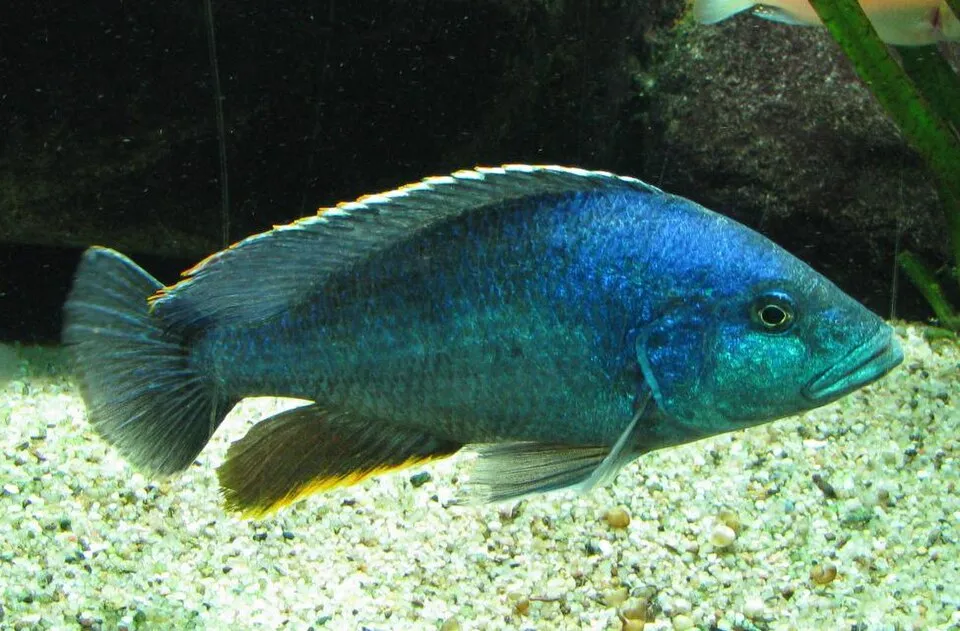 10.2 in (26 cm)74 gal (280 L)75–82°F (24–28°C)
Kaligono
Nimbochromis polystigma
10.2 in (26 cm) · 74 gal (280 L)
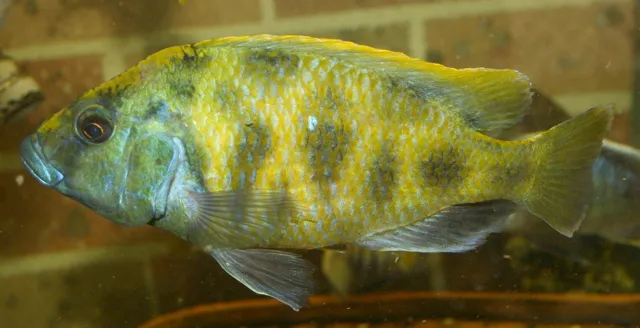 11.8 in (30 cm)74 gal (280 L)75–82°F (24–28°C)
Venustus cichlid
Nimbochromis venustus
11.8 in (30 cm) · 74 gal (280 L)
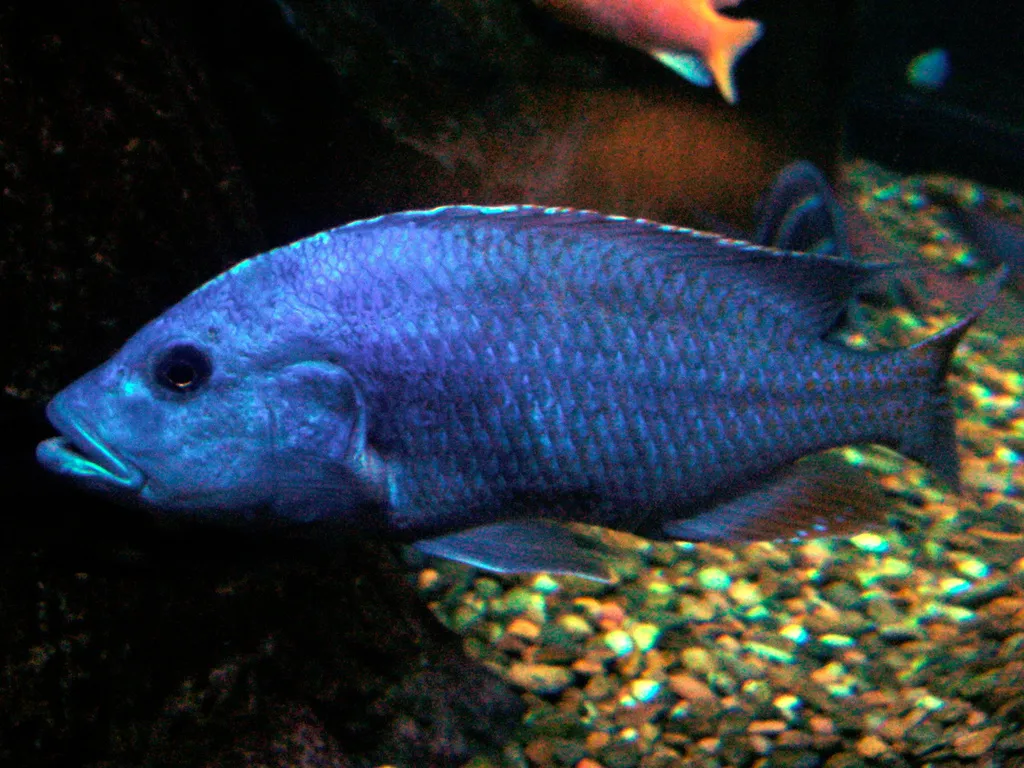 9.8 in (25 cm)74 gal (280 L)75–82°F (24–28°C)
Fusco hap
Nimbochromis fuscotaeniatus
9.8 in (25 cm) · 74 gal (280 L)
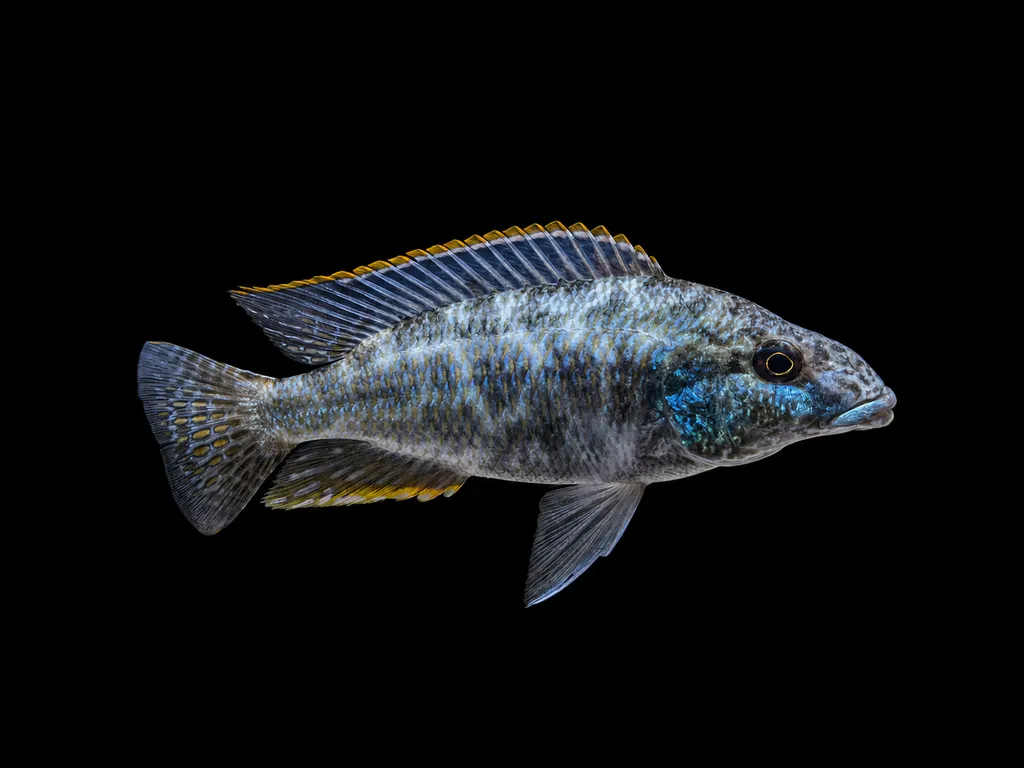 9.8 in (25 cm)159 gal (600 L)75–81°F (24–27°C)
Linn's hap
Nimbochromis linni
9.8 in (25 cm) · 159 gal (600 L)
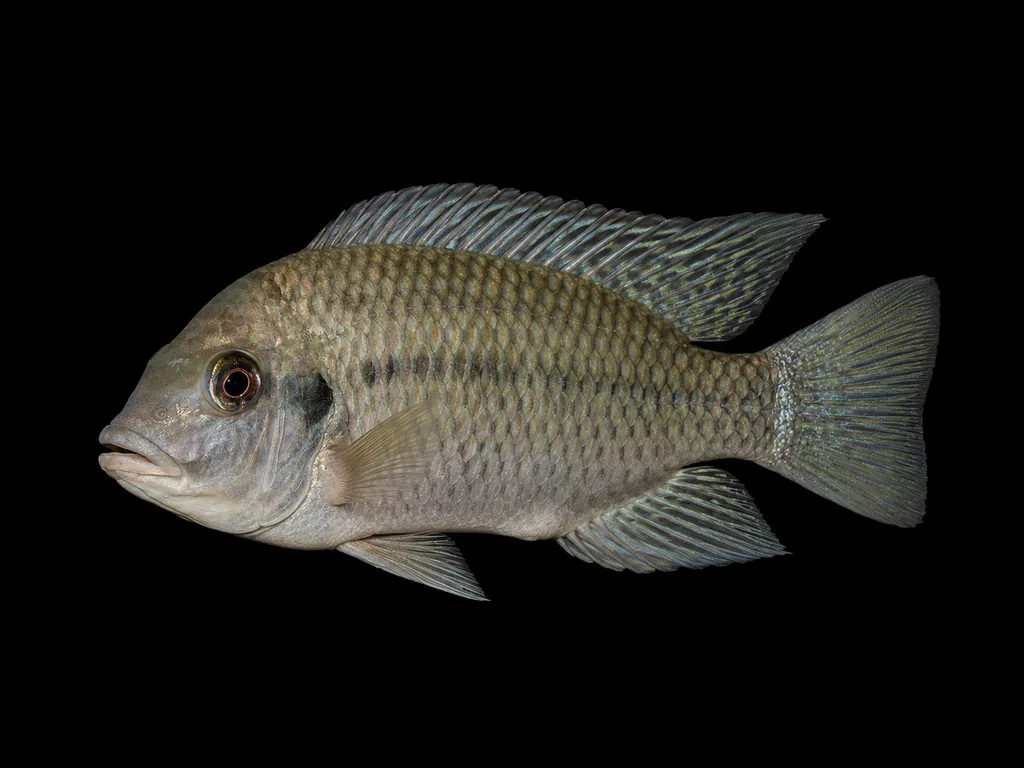 9.8 in (25 cm)106 gal (400 L)77–86°F (25–30°C)
Congo coptodon
Coptodon congica
9.8 in (25 cm) · 106 gal (400 L)
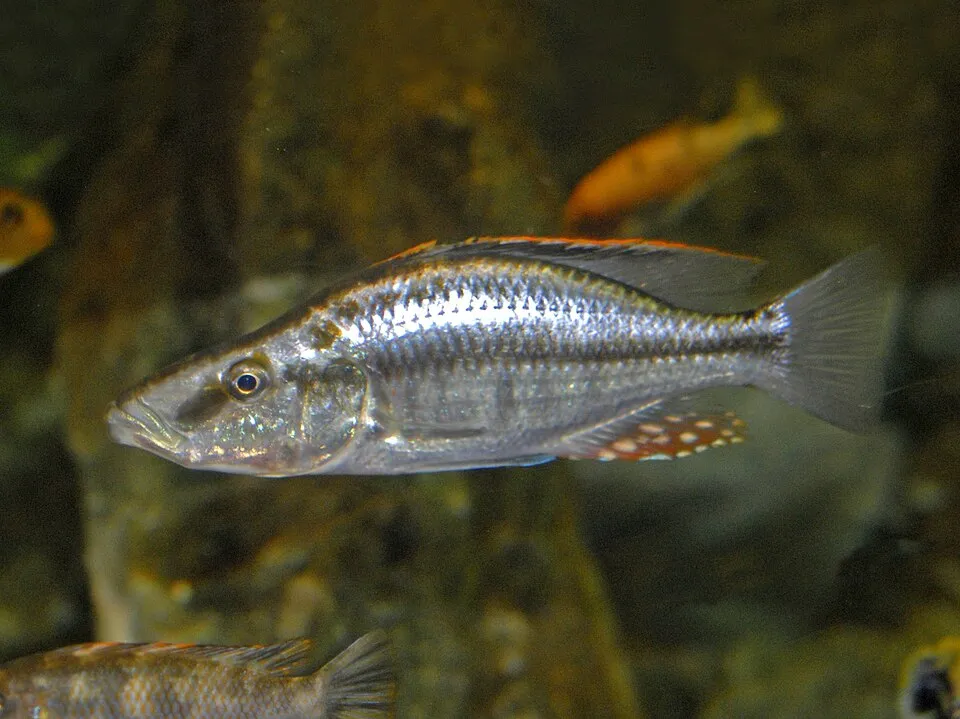 9.8 in (25 cm)66 gal (250 L)73–82°F (23–28°C)
Malawi eyebiter
Dimidiochromis compressiceps
9.8 in (25 cm) · 66 gal (250 L)