Kiwinge hap
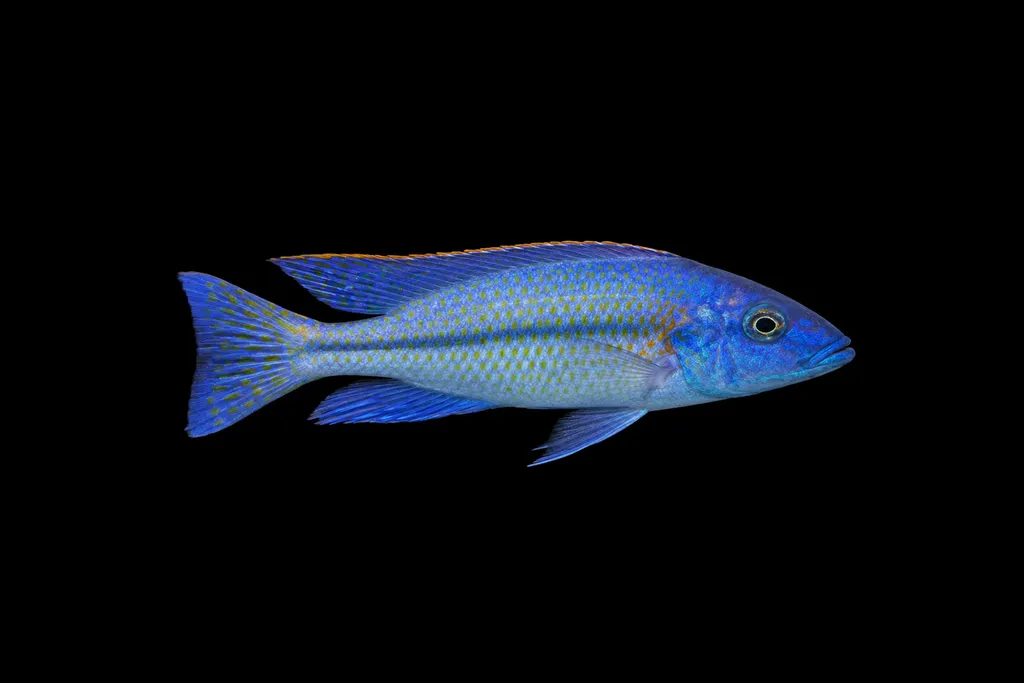
Dimidiochromis kiwinge
Also known as Haplochromis kiwinge, Giant dimidiochromis
FreshwaterFish
Care at a glance
- Temperature
- 75–81°F
- 24–27°C
- pH
- 7.5–8.5
- Adult size
- 11.8 in
- 30 cm
- Minimum tank
- 159 gal
- 600 L
- Temperament
- Aggressive
- Social behavior
- Solitary
- Tankmates
- With caution
- Swim level
- Middle
- Diet
- Carnivore
- Difficulty
- Medium
- Breeding
- Mouthbrooder · Hard
- Rarity
- Rare
- Family
- Cichlidae
- Origin
- Lake Malawi
Overview
The Kiwinge hap is a large, fast predator for a big-fish Lake Malawi tank. It is best with a little experience.
Did you know
The name kiwinge is not Latin at all. It is the local Malawian fishermen's word for the fish, carried straight into the scientific name. The Kiwinge hap was described already wearing the name that the people who knew it best had given it.
Caring for the Kiwinge hap
Give a Kiwinge hap at least 159 gal (600 L), with enough length to turn and accelerate. Trade fussy decor for open space and long clear runs. A sand floor with a few rock piles or driftwood breaks the view.
Keep the water hard and alkaline, at 75 to 81°F (24 to 27°C) and a pH of 7.5 to 8.5. Back it with heavy filtration to carry the load of a big, hungry fish. Feed meaty foods such as good pellets and the occasional frozen offering, not live feeders.
Keep it singly, or as one male with a couple of females, rather than in a crowd of rivals. Males are territorial and aggressive. It cruises the middle water and open edges, hunting smaller fish. Every tank mate must be too big to swallow and confident enough to hold its own.
It is a maternal mouthbrooder. Coaxing a settled pair to spawn and raise fry in captivity is demanding, so breeding is hard.
Good to know
The Kiwinge hap belongs to the Cichlidae and to the small genus Dimidiochromis, which also holds the Malawi eyebiter. It is the largest of that genus, silver-green with a dark stripe running the length of its body.
In the wild
The Kiwinge hap patrols reed edges, rocky margins and open shorelines in Lake Malawi. It often gathers into loose offshore shoals and preys heavily on utaka and Malawi sardines.
Common questions
What size tank does a Kiwinge hap need?
A Kiwinge hap needs at least 159 gal (600 L). It spends most of its time in the middle.
What temperature and pH does a Kiwinge hap need?
A Kiwinge hap is comfortable at 75–81°F (24–27°C) with a pH of 7.5–8.5.
What does a Kiwinge hap eat?
A Kiwinge hap eats meaty foods, such as good pellets and an occasional frozen offering. It should not get live feeders.
How big does a Kiwinge hap get?
An adult Kiwinge hap reaches about 11.8 in (30 cm).
How does a Kiwinge hap breed?
The Kiwinge hap is a maternal mouthbrooder. Getting a settled pair to spawn and raise fry in captivity is demanding, so breeding it is hard.
Related species
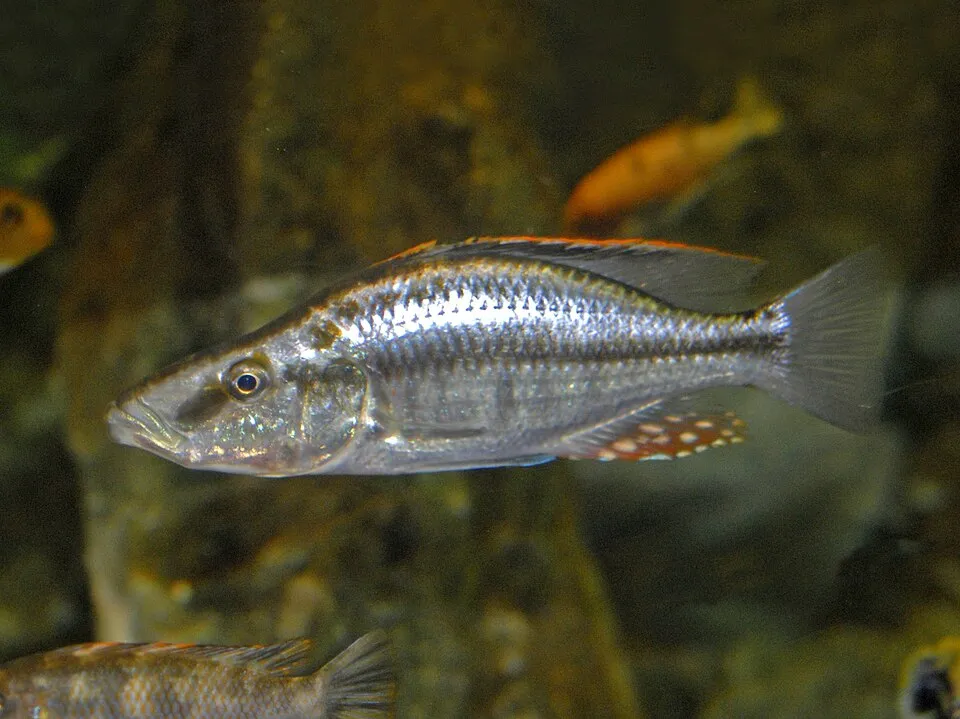 9.8 in (25 cm)66 gal (250 L)73–82°F (23–28°C)
Malawi eyebiter
Dimidiochromis compressiceps
9.8 in (25 cm) · 66 gal (250 L)
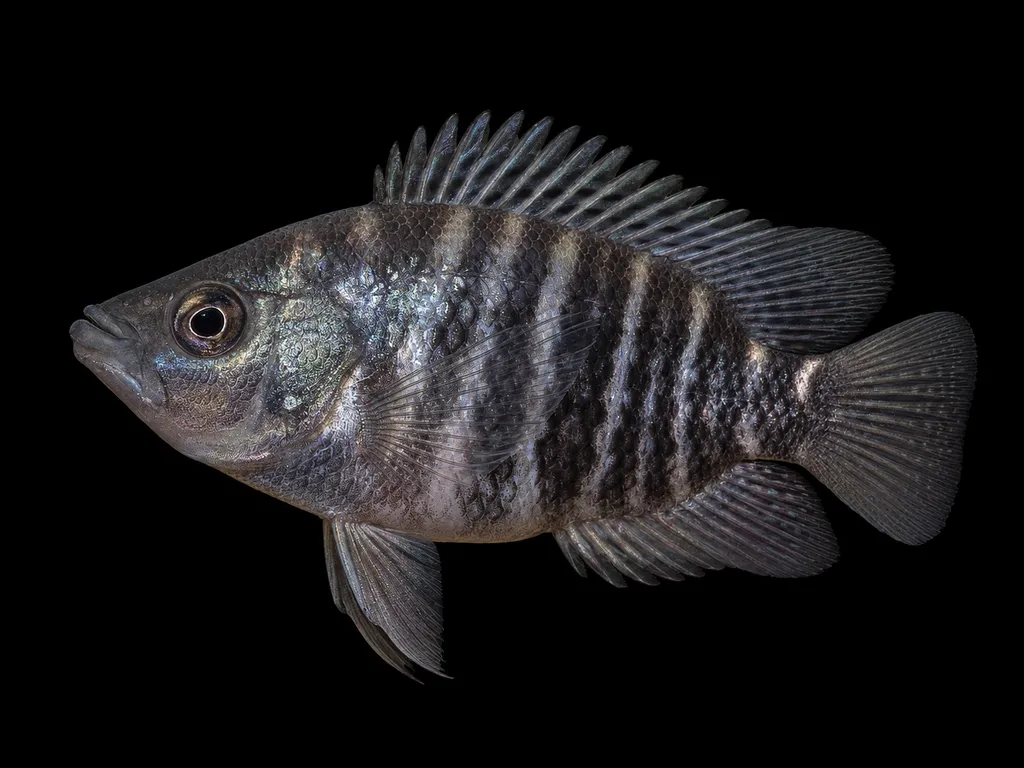 11.8 in (30 cm)79 gal (300 L)79–86°F (26–30°C)
Basketmouth cichlid
Caquetaia kraussii
11.8 in (30 cm) · 79 gal (300 L)
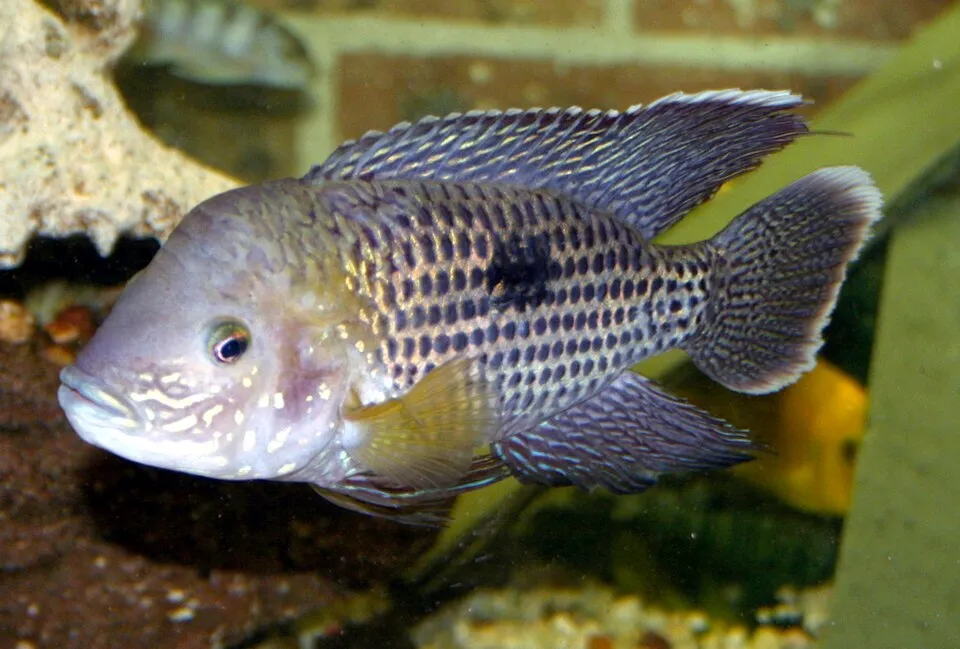 11.8 in (30 cm)75 gal (285 L)68–75°F (20–24°C)
Gold saum
Andinoacara rivulatus
11.8 in (30 cm) · 75 gal (285 L)
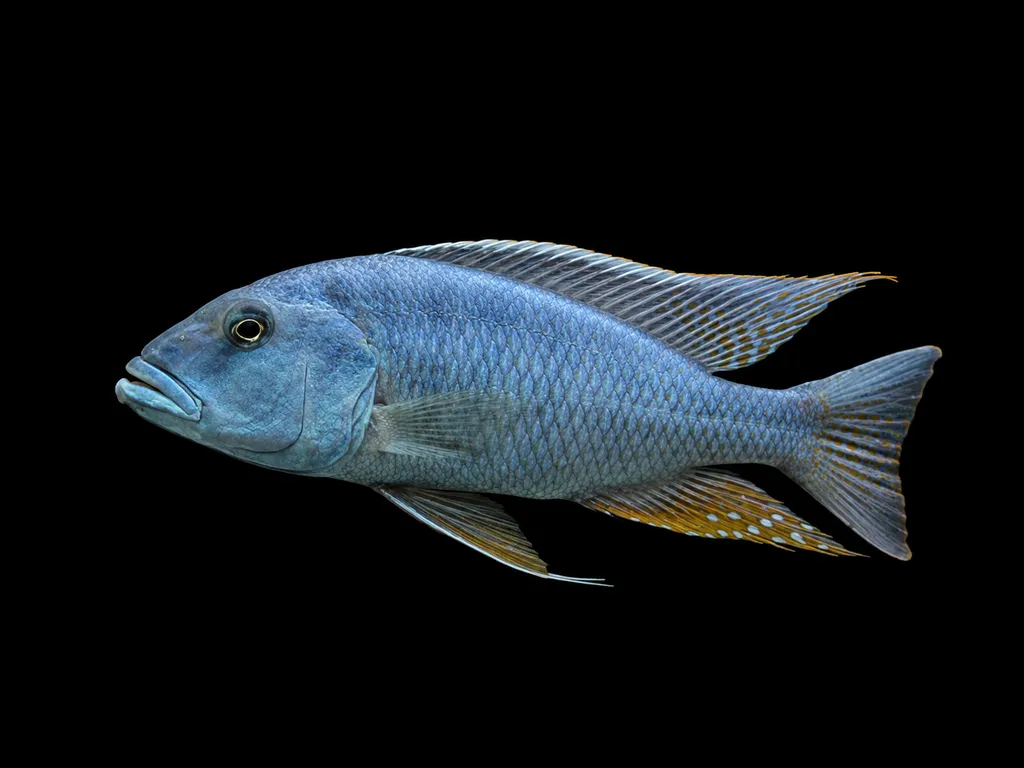 11.8 in (30 cm)159 gal (600 L)75–82°F (24–28°C)
Heterotaenia hap
Buccochromis heterotaenia
11.8 in (30 cm) · 159 gal (600 L)
 11.8 in (30 cm)159 gal (600 L)75–81°F (24–27°C)
Malawi hawk cichlid
Aristochromis christyi
11.8 in (30 cm) · 159 gal (600 L)
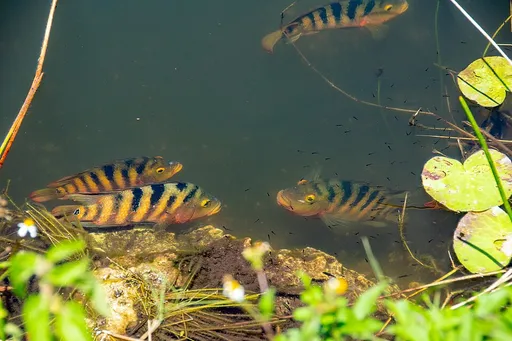 11.8 in (30 cm)201 gal (760 L)75–86°F (24–30°C)
Mayan cichlid
Mayaheros urophthalmus
11.8 in (30 cm) · 201 gal (760 L)