Yellow chindongo
Chindongo flavus
Also known as Pseudotropheus flavus, Dinghani mbuna
FreshwaterFish
Care at a glance
- Temperature
- 75–82°F
- 24–28°C
- pH
- 7.5–8.5
- Adult size
- 3.7 in
- 9.5 cm
- Minimum tank
- 42 gal
- 160 L
- Temperament
- Aggressive
- Social behavior
- Social
- Tankmates
- With caution
- Swim level
- Bottom
- Diet
- Omnivore
- Difficulty
- Medium
- Breeding
- Mouthbrooder · Medium
- Rarity
- Rare
- Family
- Cichlidae
- Origin
- Lake Malawi, Dinghani Reef
Overview
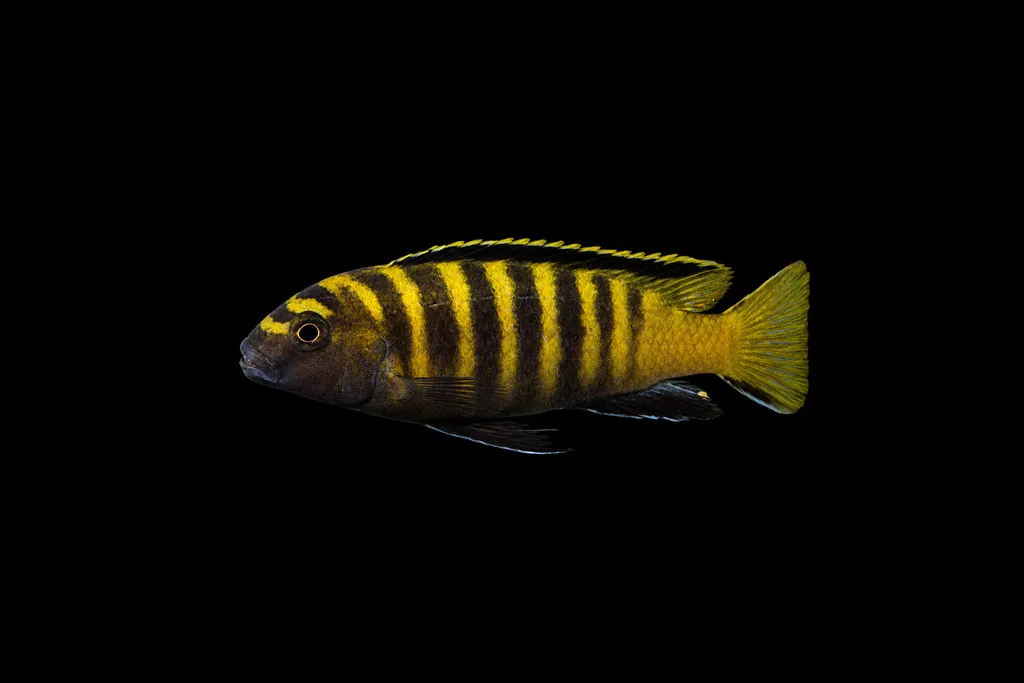
The yellow chindongo is a rock-dwelling mbuna that lives low in the tank, grazing surfaces and holding a territory. It is a step up from the easiest fish.
Caring for the yellow chindongo
A harem of yellow chindongos needs a rocky tank of at least 42 gal (160 L), with territories and hiding places. Stack stone into caves and passages over a sand base, with open water above for the male to patrol. Plenty of rock lets females shelter and shifts the balance away from constant aggression.
Keep the water alkaline with good mineral hardness, at 75 to 82°F (24 to 28°C) and a pH of 7.5 to 8.5. Feed a mainly vegetable diet such as spirulina flakes, with occasional frozen brine shrimp or mysis.
Keep one male with three or four females, because males are fiercely aggressive toward each other and females do not shoal together. The yellow chindongo is aggressive, so choose tank mates with care, such as other mbuna of similar size and temperament. A crowded, rock-filled tank spreads out the fighting.
It is a maternal mouthbrooder, and the female incubates the eggs and fry in her mouth. Breeding is of moderate difficulty when a dominant male holds a territory in a harem.
Good to know
Chindongo flavus is a mbuna cichlid in the family Cichlidae, gold with dark vertical bars. It was long known as Pseudotropheus flavus.
In the wild
The yellow chindongo comes from Dinghani Reef in Lake Malawi, a rocky reef where it grazes among boulders. The lake's water is hard and alkaline.
Common questions
What size tank does a yellow chindongo need?
A yellow chindongo needs at least 42 gal (160 L). It spends most of its time in the bottom.
What temperature and pH does a yellow chindongo need?
A yellow chindongo is comfortable at 75–82°F (24–28°C) with a pH of 7.5–8.5.
What does a yellow chindongo eat?
A yellow chindongo eats a mainly vegetable diet such as spirulina flakes. Give it occasional frozen brine shrimp or mysis as well.
How big does a yellow chindongo get?
An adult yellow chindongo reaches about 3.7 in (9.5 cm).
How does a yellow chindongo breed?
A yellow chindongo is a maternal mouthbrooder, and the female incubates the eggs and fry in her mouth. Breeding is of moderate difficulty when a dominant male holds a territory in a harem.
Related species
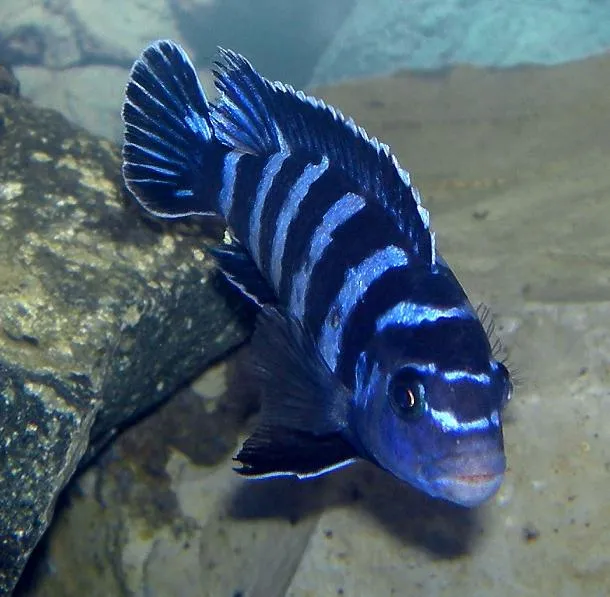 3.5 in (9 cm)53 gal (200 L)75–82°F (24–28°C)
Dwarf mbuna
Chindongo demasoni
3.5 in (9 cm) · 53 gal (200 L)
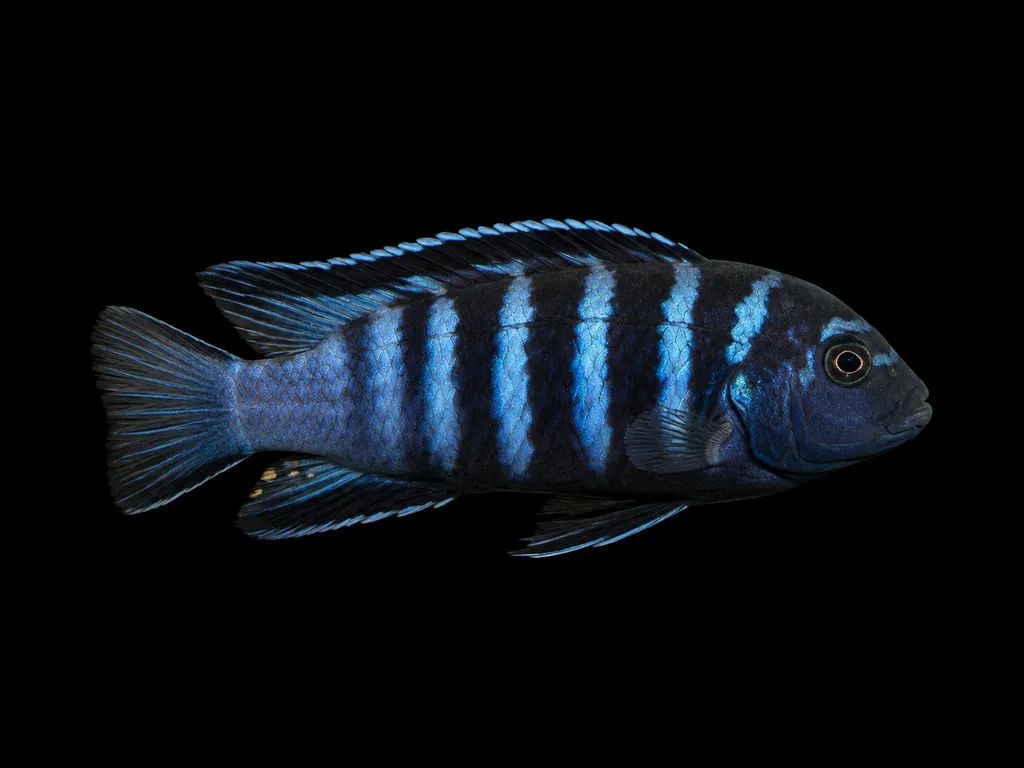 5.1 in (13 cm)53 gal (200 L)75–81°F (24–27°C)
Elongate mbuna
Chindongo elongatus
5.1 in (13 cm) · 53 gal (200 L)
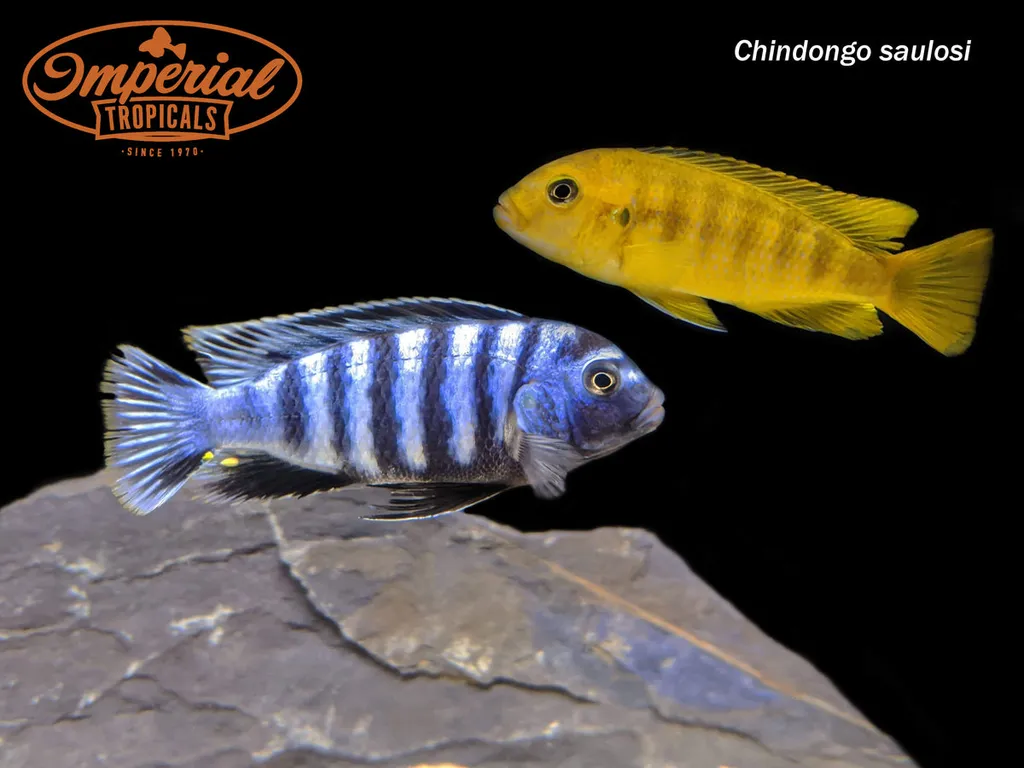 3.9 in (10 cm)42 gal (160 L)73–81°F (23–27°C)
Saulosi mbuna
Chindongo saulosi
3.9 in (10 cm) · 42 gal (160 L)
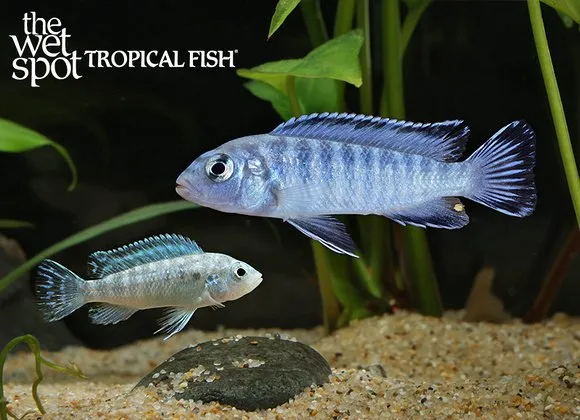 4.7 in (12 cm)53 gal (200 L)75–81°F (24–27°C)
Powder blue cichlid
Chindongo socolofi
4.7 in (12 cm) · 53 gal (200 L)
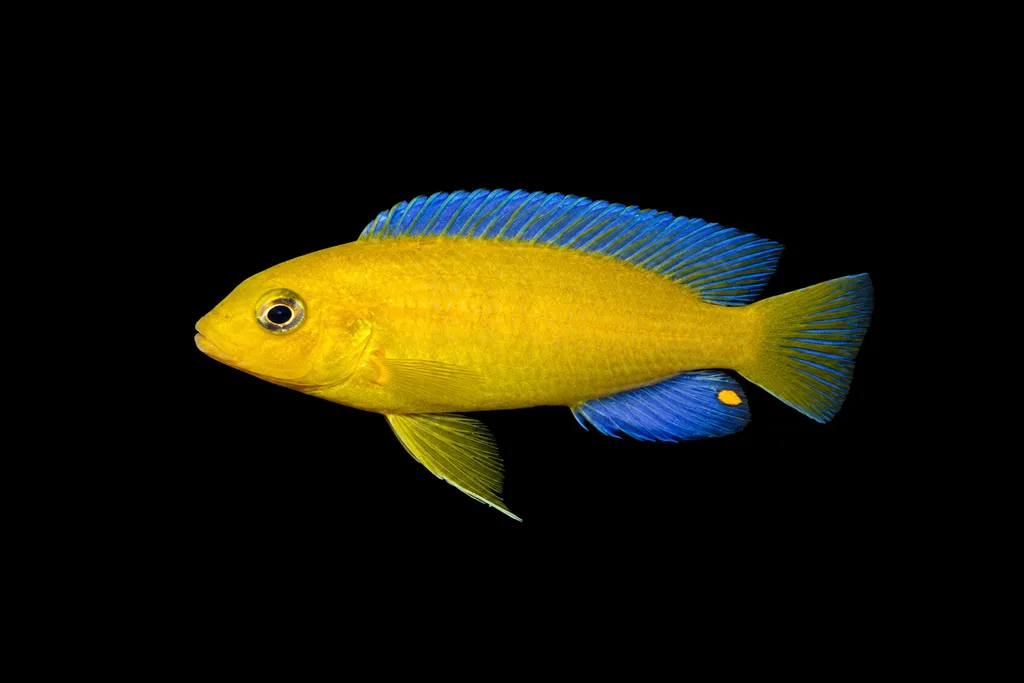 3.9 in (10 cm)53 gal (200 L)75–82°F (24–28°C)
Barlow's mbuna
Maylandia barlowi
3.9 in (10 cm) · 53 gal (200 L)
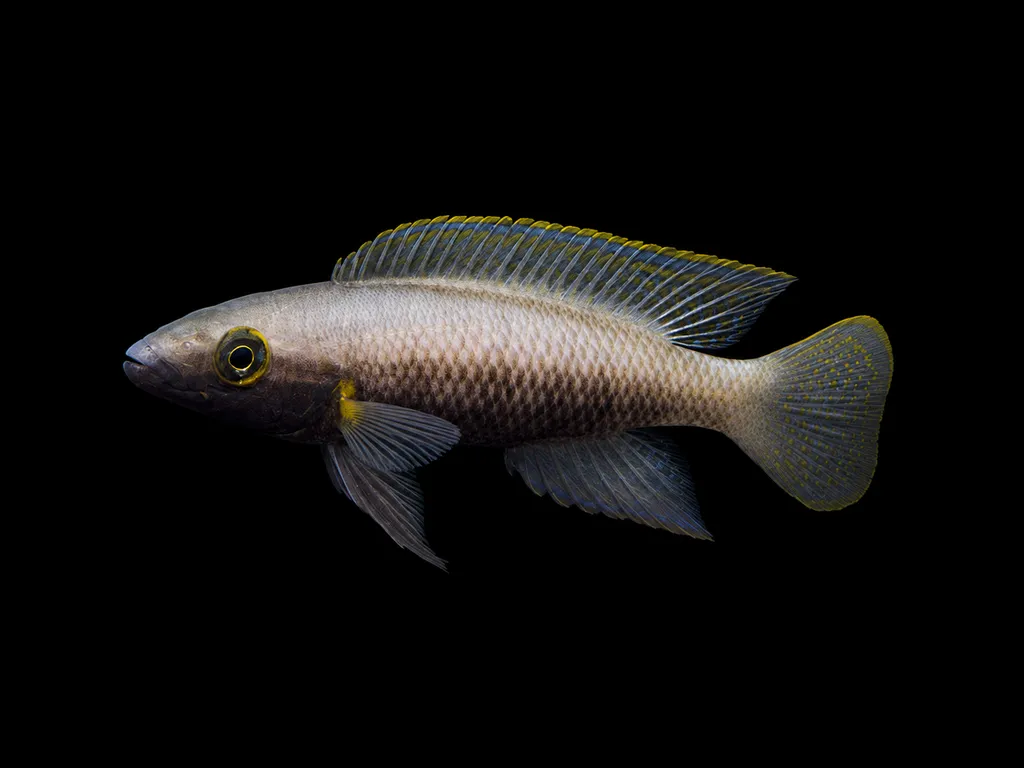 3.9 in (10 cm)42 gal (160 L)75–81°F (24–27°C)
Black-belly lamprologus
Neolamprologus nigriventris
3.9 in (10 cm) · 42 gal (160 L)