Schomburgk's leaffish
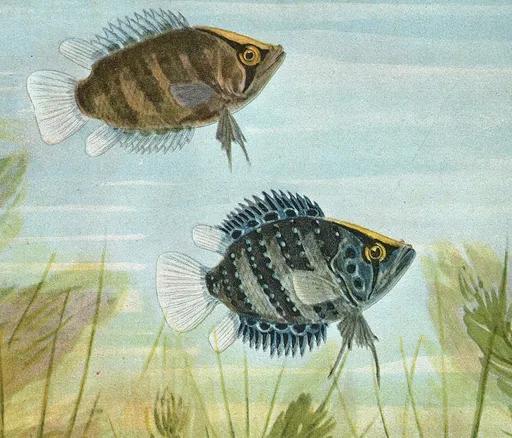
Polycentrus schomburgkii
Also known as Guyana leaffish, South American leaffish
FreshwaterFish
Care at a glance
- Temperature
- 72–82°F
- 22–28°C
- pH
- 6.0–7.5
- Adult size
- 3.9 in
- 10 cm
- Minimum tank
- 20 gal
- 75 L
- Temperament
- Mostly peaceful
- Social behavior
- Solitary
- Tankmates
- With caution
- Swim level
- Middle
- Difficulty
- Medium
- Breeding
- Medium
- Rarity
- Rare
- Family
- Polycentridae
- Origin
- Native to coastal freshwaters of northern South America and Trinidad, among leaf litter and submerged roots in slow, shady water.
Overview
A small predator at around 10 cm, it suits a shady, planted tank of at least 75 litres with leaf litter and wood. Keep it at 22 to 28 C and pH 6.0 to 7.5. It will eat tiny fish and shrimp, so keep it alone or with tankmates too large to swallow. Feed live and frozen foods such as bloodworm, brine shrimp and small earthworms.
In the wild
Schomburgk's leaffish is a small ambush predator that drifts among roots and leaf litter looking like a dead leaf. Males turn almost black when breeding, while females stay a mottled brown. It hovers motionless and inhales small prey with a fast gulp.
Good to know
Polycentrus schomburgkii reaches around 10 cm and comes from coastal freshwaters of northern South America and Trinidad. It spawns in caves or under leaves, where the male guards the eggs. It belongs to the small New World leaffish family Polycentridae.
Did you know
When breeding, the normally drab male darkens almost to black and defends a hidden clutch of eggs under a leaf or in a cave.
Common questions
What size tank does a Schomburgk's leaffish need?
A Schomburgk's leaffish needs at least 20 gal (75 L). It spends most of its time in the middle.
What temperature and pH does a Schomburgk's leaffish need?
A Schomburgk's leaffish is comfortable at 72–82°F (22–28°C) with a pH of 6.0–7.5.
How big does a Schomburgk's leaffish get?
An adult Schomburgk's leaffish reaches about 3.9 in (10 cm).
Related species
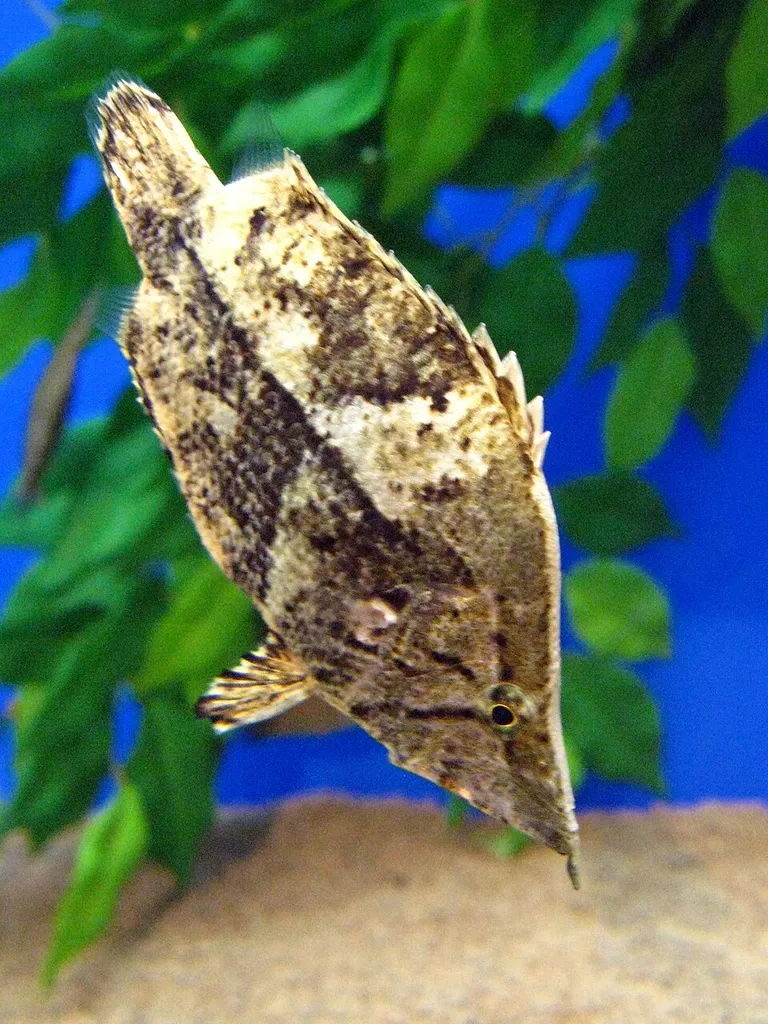 3.5 in (9 cm)30 gal (115 L)73–84°F (23–29°C)
Amazon leaf fish
Monocirrhus polyacanthus
3.5 in (9 cm) · 30 gal (115 L)
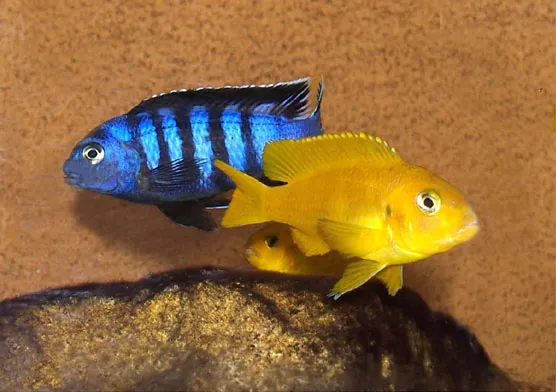 3.9 in (10 cm)42 gal (160 L)73–81°F (23–27°C)
Saulosi mbuna
Chindongo saulosi
3.9 in (10 cm) · 42 gal (160 L)
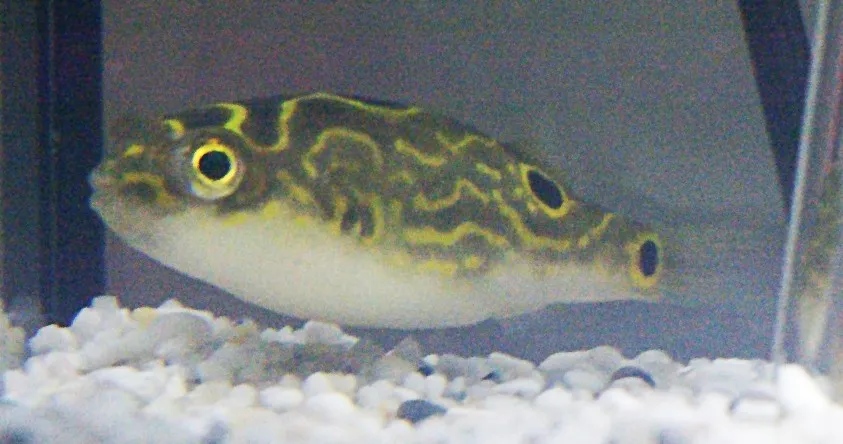 3.1 in (8 cm)20 gal (75 L)72–79°F (22–26°C)
Figure eight puffer
Tetraodon biocellatus
3.1 in (8 cm) · 20 gal (75 L)
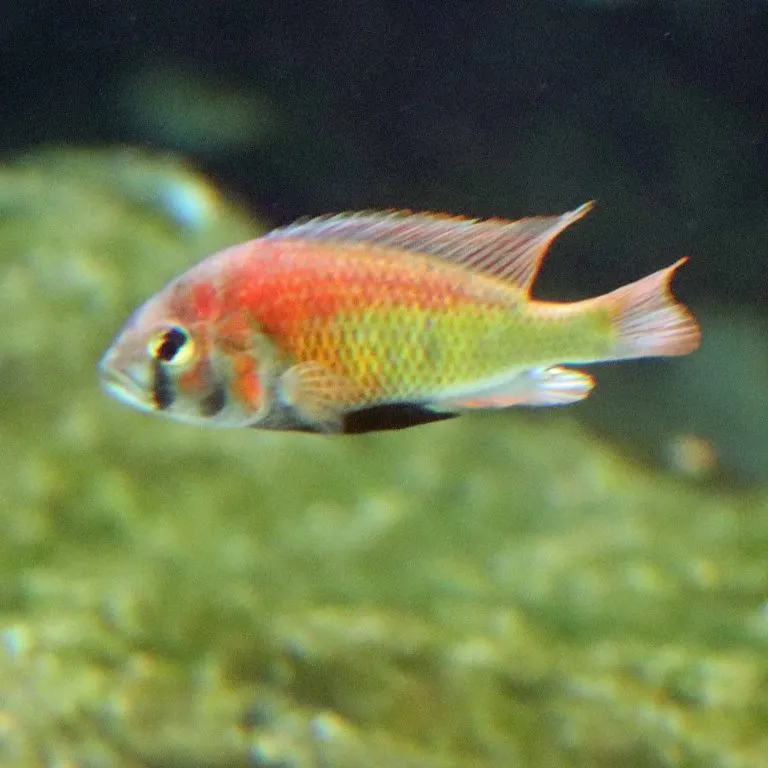 5.1 in (13 cm)30 gal (115 L)73–82°F (23–28°C)
Hippo Point salmon
Ptyochromis sp.
5.1 in (13 cm) · 30 gal (115 L)
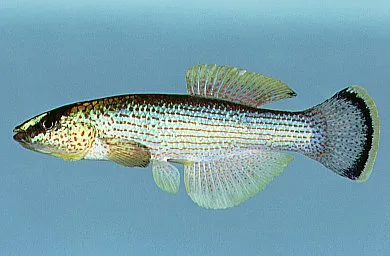 5.9 in (15 cm)37 gal (140 L)59–77°F (15–25°C)
Northern studfish
Fundulus catenatus
5.9 in (15 cm) · 37 gal (140 L)
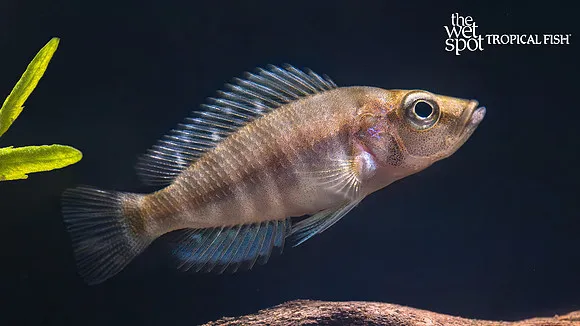 4.3 in (11 cm)37 gal (140 L)73–82°F (23–28°C)
Blue-eyed tropheus
Tropheus brichardi
4.3 in (11 cm) · 37 gal (140 L)