Banded headstander
Synaptolaemus latofasciatus
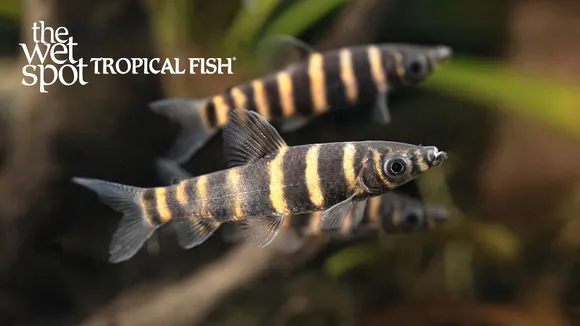
Also known as Synaptolaemus cingulatus, Red-banded headstander
FreshwaterFish
Care at a glance
- Temperature
- 75–82°F
- 24–28°C
- pH
- 5.5–7.5
- Adult size
- 3.9 in
- 10 cm
- Minimum tank
- 40 gal
- 150 L
- Temperament
- Mostly peaceful
- Social behavior
- Shoaling
- Tankmates
- With caution
- Swim level
- Middle
- Diet
- Omnivore
- Difficulty
- Medium
- Breeding
- No record
- Rarity
- Rare
- Family
- Anostomidae
- Origin
- Upper Orinoco and upper Rio Negro drainages
Overview
The banded headstander is a peaceful, specialized grazer for a dim blackwater tank. It is a step up from the easiest fish.
Did you know
The banded headstander was sold under the wrong scientific name, Synaptolaemus cingulatus, for over half a century. In 2011 a study showed that Steindachner had already described it in 1910, as Leporinus latofasciatus, in a completely different genus. That older name had priority.
Caring for the banded headstander
Keep banded headstanders in a group of six or more, in a tank of at least 40 gal (150 L). Kept singly, one grows nervous and hides away. A tight lid is essential, since headstanders are strong jumpers.
Set up a dim, tannin-stained tank with soft sand, a tangle of driftwood and dried leaves. The banded headstander spends its time at a tilted, head-down angle in the middle and lower water. It browses biofilm and aufwuchs from the surfaces of driftwood and rock, so give it plenty of wood to graze.
Keep the water clean and warm, at 75 to 82°F (24 to 28°C), and acidic to neutral, at a pH of 5.5 to 7.5. Steady flow and good oxygen keep it in condition.
Feed a mix of sinking pellets, algae wafers and small frozen foods such as bloodworm and daphnia. It is gentle but easily crowded out at feeding time, so choose calm tank mates. Treat boisterous or fin-nipping species with caution. Aquarium breeding is not recorded.
Good to know
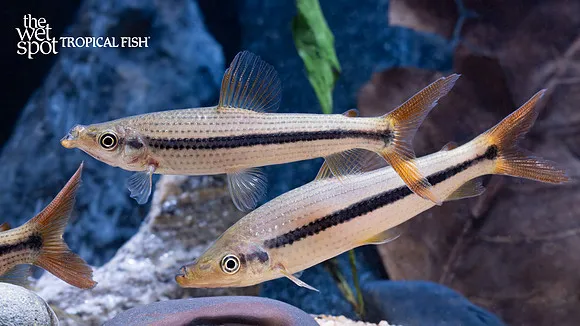
The banded headstander belongs to the toothed headstander family, Anostomidae, and its genus Synaptolaemus holds only this single species. It is ringed with cream and dark red bands, and it is also sold as the red-banded headstander.
In the wild
The banded headstander comes from the soft, warm blackwaters of the upper Orinoco and upper Rio Negro. It works among sunken branches and leaf litter in gentle to moderate current.
Common questions
What size tank does a banded headstander need?
A banded headstander needs at least 40 gal (150 L). It spends most of its time in the middle.
What temperature and pH does a banded headstander need?
A banded headstander is comfortable at 75–82°F (24–28°C) with a pH of 5.5–7.5.
What does a banded headstander eat?
A banded headstander browses biofilm and aufwuchs from wood and rock. Feed it a mix of sinking pellets, algae wafers and small frozen foods such as bloodworm and daphnia.
How big does a banded headstander get?
An adult banded headstander reaches about 3.9 in (10 cm).
Does a banded headstander need a group?
Yes. A banded headstander is a shoaling species and should be kept in a group, not singly.
Related species
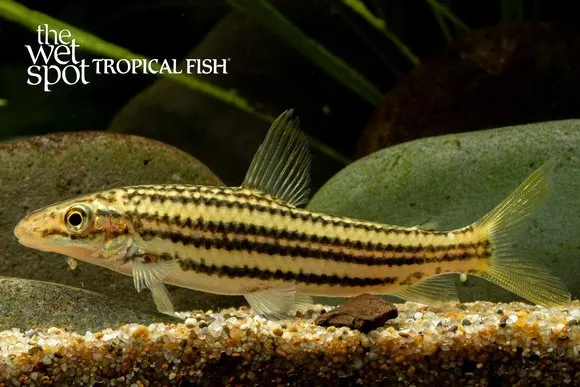 3.1 in (8 cm)40 gal (150 L)73–82°F (23–28°C)
Six-line leporinus
Leporinus sexstriatus
3.1 in (8 cm) · 40 gal (150 L)
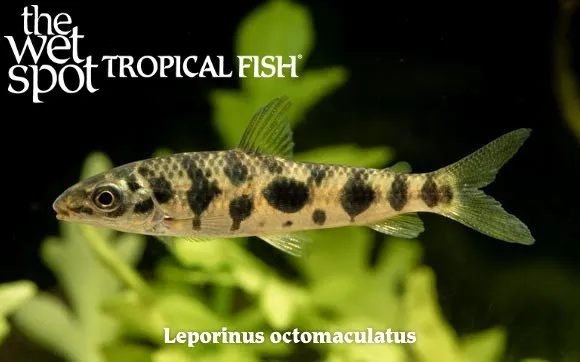 5.1 in (13 cm)53 gal (200 L)73–82°F (23–28°C)
Eight-spotted leporinus
Leporinus octomaculatus
5.1 in (13 cm) · 53 gal (200 L)
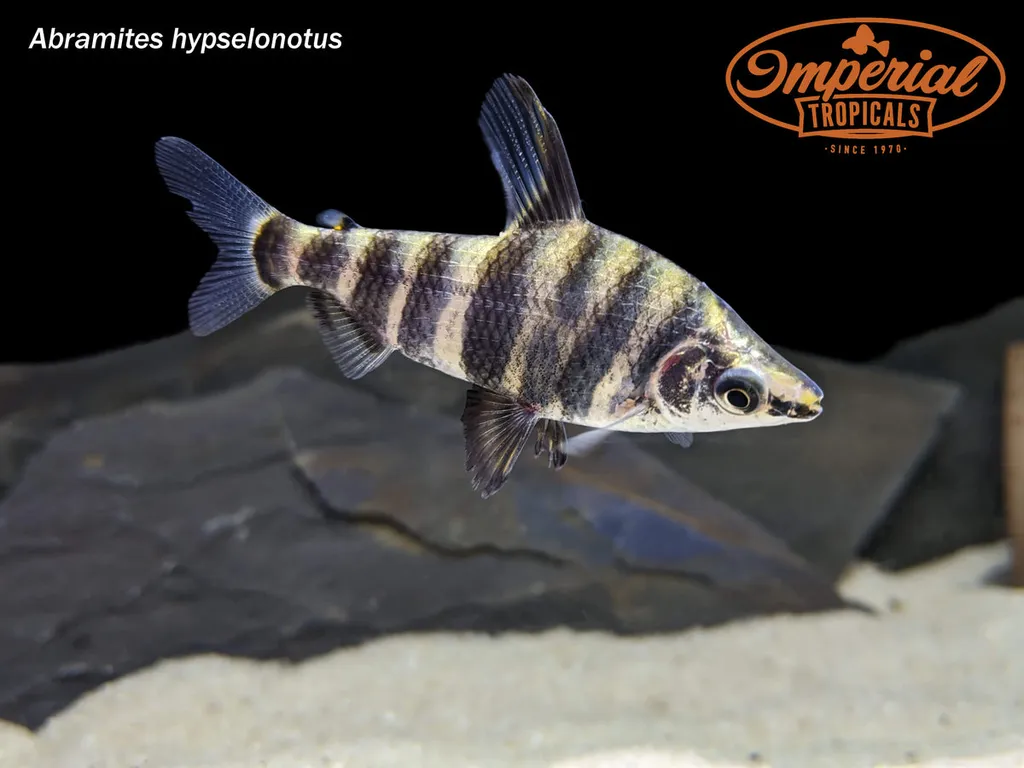 5.5 in (14 cm)70 gal (265 L)68–86°F (20–30°C)
Marbled headstander
Abramites hypselonotus
5.5 in (14 cm) · 70 gal (265 L)
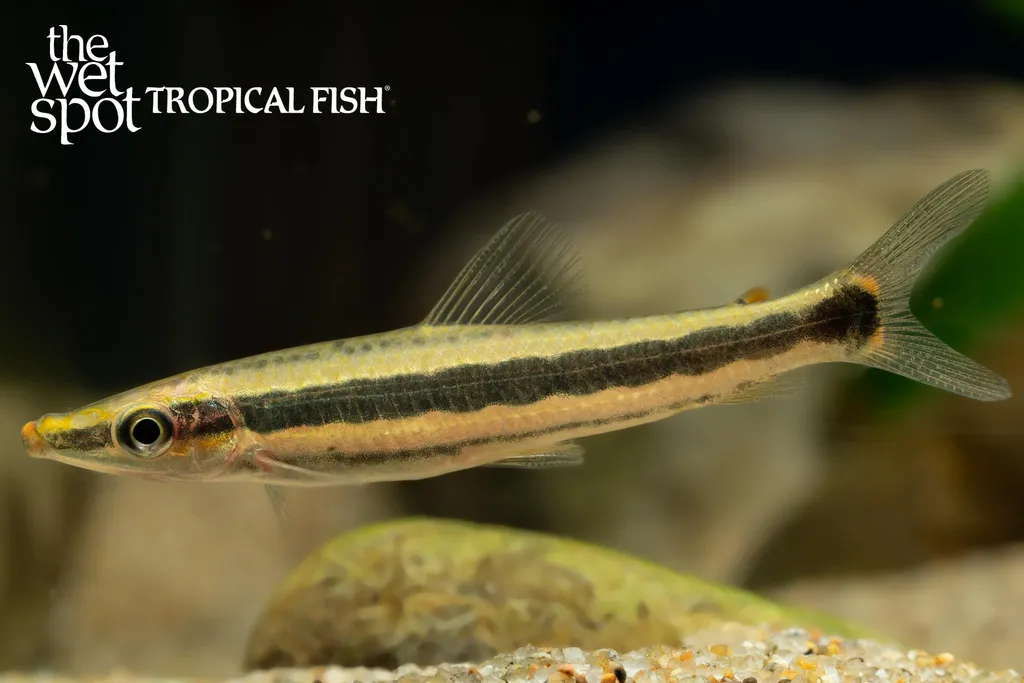
 5.9 in (15 cm)53 gal (200 L)72–81°F (22–27°C)
Chestnut headstander
Pseudanos winterbottomi
5.9 in (15 cm) · 53 gal (200 L)
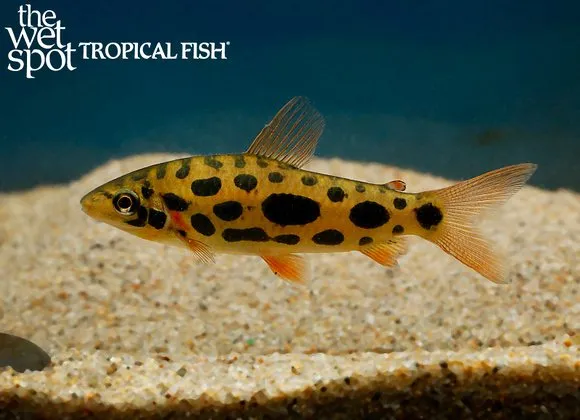
 6.3 in (16 cm)53 gal (200 L)73–82°F (23–28°C)
Gold headstander
Anostomus ternetzi
6.3 in (16 cm) · 53 gal (200 L)
 6.7 in (17 cm)70 gal (265 L)72–81°F (22–27°C)
Clown-spotted leporinus
Leporinus nijsseni
6.7 in (17 cm) · 70 gal (265 L)