Chestnut headstander
Pseudanos winterbottomi
Also known as Winterbottom's headstander
FreshwaterFish
Care at a glance
- Temperature
- 72–81°F
- 22–27°C
- pH
- 5.5–7.5
- Adult size
- 5.9 in
- 15 cm
- Minimum tank
- 53 gal
- 200 L
- Temperament
- Mostly peaceful
- Social behavior
- Shoaling
- Tankmates
- With caution
- Swim level
- Middle
- Difficulty
- Medium
- Breeding
- No record
- Rarity
- Rare
- Family
- Anostomidae
- Origin
- Upper Orinoco and Casiquiare drainages, Venezuela
Overview
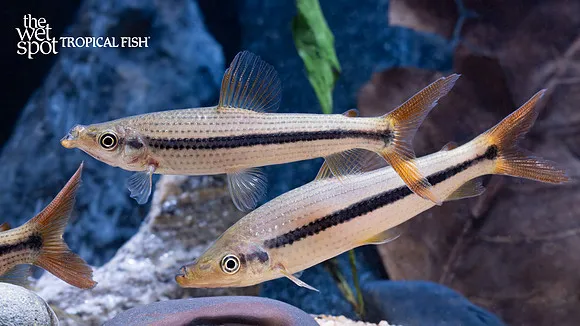
The chestnut headstander is a peaceful shoaling fish that holds a head-down posture in the middle and lower water. It is a step up from the easiest fish.
Did you know
The chestnut headstander went unnamed by science until 2005. Part of the reason is its plain brown coloring, which is easy to overlook beside the boldly striped and spotted headstanders in the same rivers.
Caring for the chestnut headstander
Plan on 53 gal (200 L) or more for a group of chestnut headstanders, and keep a tight lid on the tank. A dim blackwater setup suits them, with soft sand, generous driftwood, leaf litter and plants for cover. Leave open wood and rock surfaces, since they graze biofilm and aufwuchs from them.
Give them soft water on the acidic to neutral side, at 72 to 81°F (22 to 27°C) and a pH of 5.5 to 7.5. Add a gentle current and keep the water well oxygenated and stable. Feed sinking pellets, algae wafers and small frozen foods, with some vegetable matter.
Chestnut headstanders are peaceful but socially demanding. Keepers report that groups of fewer than about ten start squabbling among themselves, so aim for a shoal of eight to ten or more. Choose calm tank mates, and treat boisterous or fin-nipping species with caution. Breeding in the aquarium is not recorded.
Good to know
The chestnut headstander is a toothed headstander in the family Anostomidae, also called Winterbottom's headstander. It takes on its warm chestnut color under tannin-stained water, and it looks plainer than the graphic patterns of some relatives. It is one of the more recent additions to the genus Pseudanos.
In the wild
The chestnut headstander lives in the soft, warm, tea-colored waters of the upper Orinoco and Casiquiare in Venezuela. It stays among submerged wood and roots.
Common questions
What size tank does a chestnut headstander need?
A chestnut headstander needs at least 53 gal (200 L). It spends most of its time in the middle.
What temperature and pH does a chestnut headstander need?
A chestnut headstander is comfortable at 72–81°F (22–27°C) with a pH of 5.5–7.5.
What does a chestnut headstander eat?
A chestnut headstander eats sinking pellets, algae wafers and small frozen foods, with some vegetable matter. It also grazes biofilm and aufwuchs from wood and rock.
How big does a chestnut headstander get?
An adult chestnut headstander reaches about 5.9 in (15 cm).
Does a chestnut headstander need a group?
Yes. A chestnut headstander is a shoaling species and should be kept in a group, not singly.
Related species
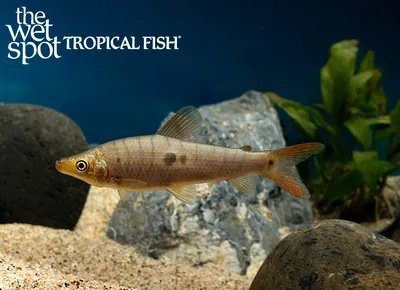 7.5 in (19 cm)70 gal (265 L)72–81°F (22–27°C)
Three-spot headstander
Pseudanos trimaculatus
7.5 in (19 cm) · 70 gal (265 L)
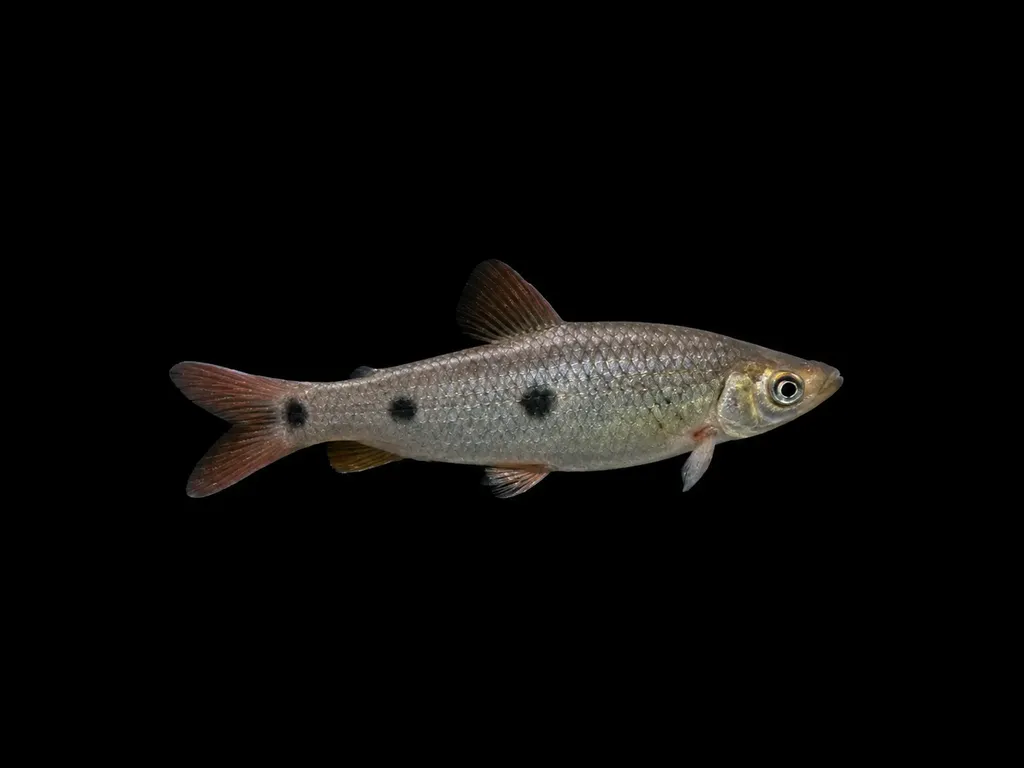 8.3 in (21 cm)79 gal (300 L)72–81°F (22–27°C)
Four-spot headstander
Pseudanos varii
8.3 in (21 cm) · 79 gal (300 L)
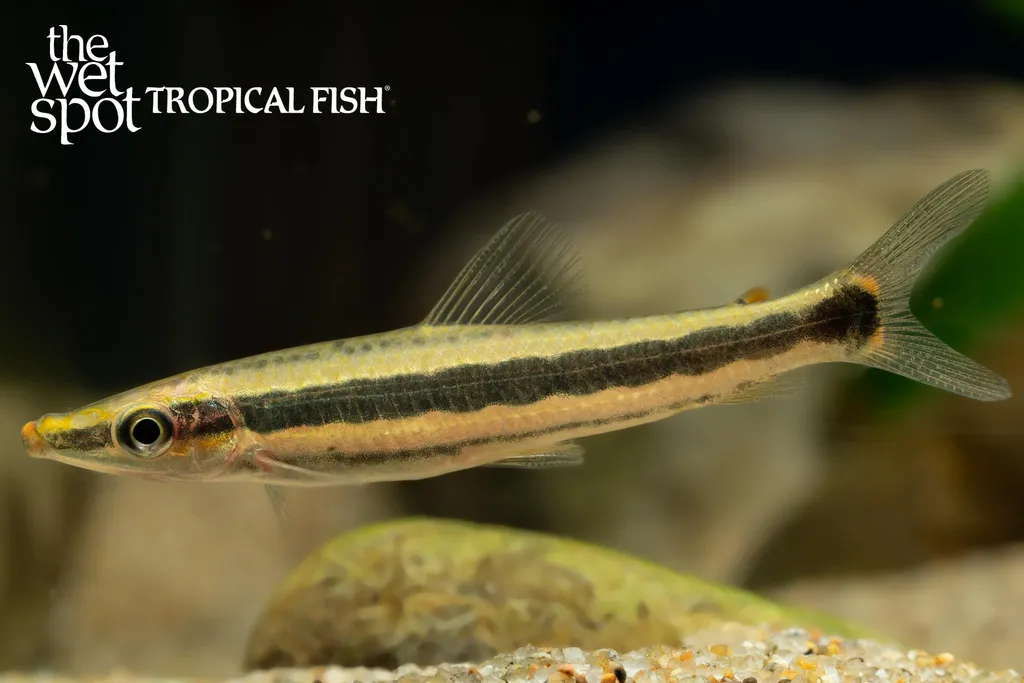 6.3 in (16 cm)53 gal (200 L)73–82°F (23–28°C)
Gold headstander
Anostomus ternetzi
6.3 in (16 cm) · 53 gal (200 L)
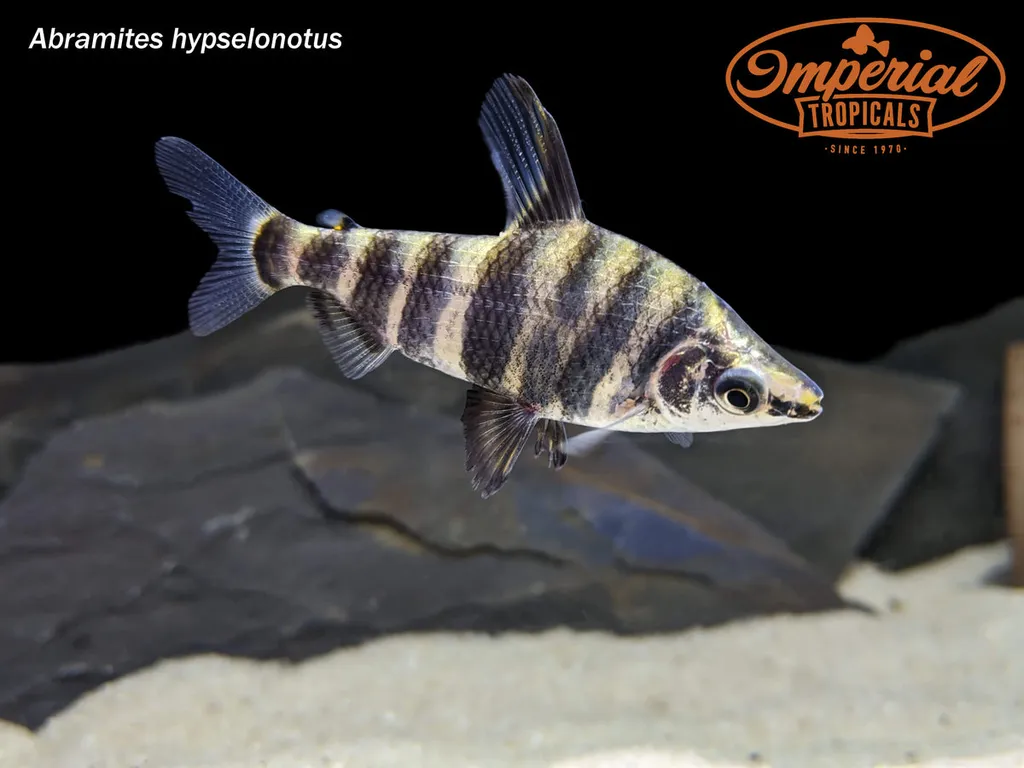 5.5 in (14 cm)70 gal (265 L)68–86°F (20–30°C)
Marbled headstander
Abramites hypselonotus
5.5 in (14 cm) · 70 gal (265 L)
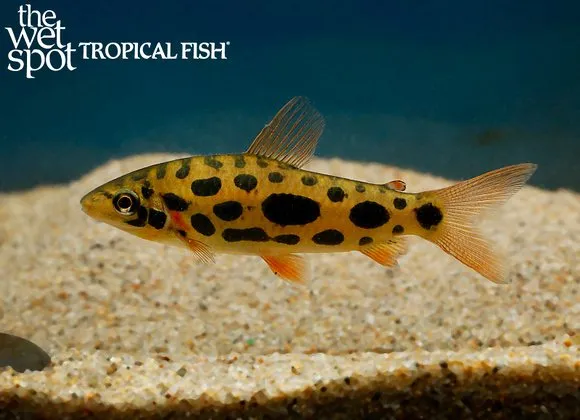 6.7 in (17 cm)70 gal (265 L)72–81°F (22–27°C)
Clown-spotted leporinus
Leporinus nijsseni
6.7 in (17 cm) · 70 gal (265 L)
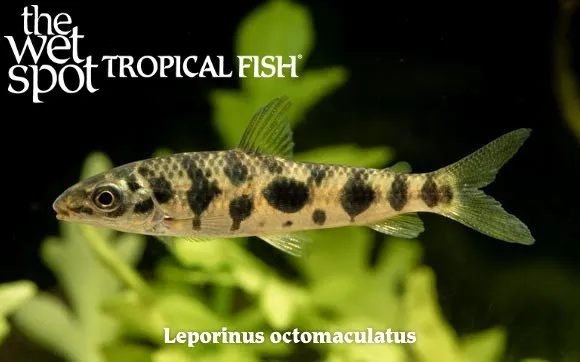 5.1 in (13 cm)53 gal (200 L)73–82°F (23–28°C)
Eight-spotted leporinus
Leporinus octomaculatus
5.1 in (13 cm) · 53 gal (200 L)