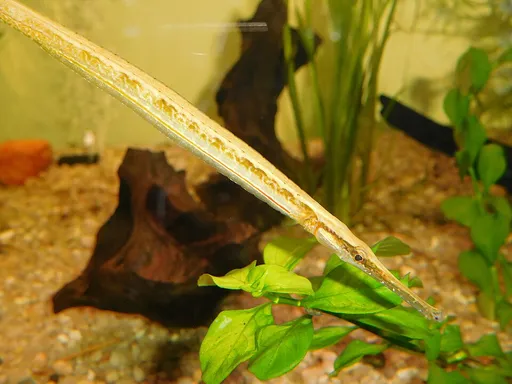
Opossum pipefish
Microphis brachyurus
Also known as Short-tailed pipefish, Short-tail pipefish, Red line pipefish
FreshwaterBrackishFish
Care at a glance
- Temperature
- 75–82°F
- 24–28°C
- pH
- 7.5–8.5
- Adult size
- 8.7 in
- 22 cm
- Minimum tank
- 32 gal
- 120 L
- Temperament
- Mostly peaceful
- Social behavior
- Social
- Tankmates
- With caution
- Swim level
- Bottom
- Difficulty
- Difficult
- Breeding
- Hard
- Rarity
- Rare
- Family
- Syngnathidae
- Origin
- Indo-Pacific, Sri Lanka to Japan and the Society Islands
Overview
Like all pipefish it is a slow, deliberate hunter that needs calm surroundings and no food competition, so a species tank is the safe choice. Offer live baby brine shrimp, small shrimp, and mosquito larvae; some individuals learn to take frozen mysis. Keep a pair or small group in around 120 liters with tall plants or branches to hang among. Spawning happens now and then in aquaria, but the seagoing larval stage means fry are almost never raised.
In the wild
Opossum pipefish live in rivers, estuaries, and coastal streams across the Indo-Pacific, from Sri Lanka east to Japan and the Society Islands. Wild adults push well upstream into freshwater, but captive fish are most often kept in low-end brackish water, which keepers find more forgiving. Provide dense planting, fine substrate, gentle flow, 24 to 28 degrees Celsius, and a pH of 7.5 to 8.5, with a specific gravity around 1.005 if run brackish.
Good to know
Microphis brachyurus is one of the larger freshwater pipefish at about 22 centimeters. It is amphidromous: eggs hatch in freshwater, the larvae wash out to sea, and the juveniles later climb back into rivers. The male broods the eggs in a pouch under his trunk. Atlantic populations once counted as a subspecies are now their own species, Microphis lineatus, so the trade fish is the Indo-Pacific form, usually exported from Indonesia.
Did you know
The opossum name comes from the male, which carries the brood on his own body the way an opossum carries its young. Newly hatched larvae drift all the way to the sea before returning to freshwater as juveniles.
Common questions
What size tank does an Opossum pipefish need?
An Opossum pipefish needs at least 32 gal (120 L). It spends most of its time in the bottom.
What temperature and pH does an Opossum pipefish need?
An Opossum pipefish is comfortable at 75–82°F (24–28°C) with a pH of 7.5–8.5.
How big does an Opossum pipefish get?
An adult Opossum pipefish reaches about 8.7 in (22 cm).
Related species
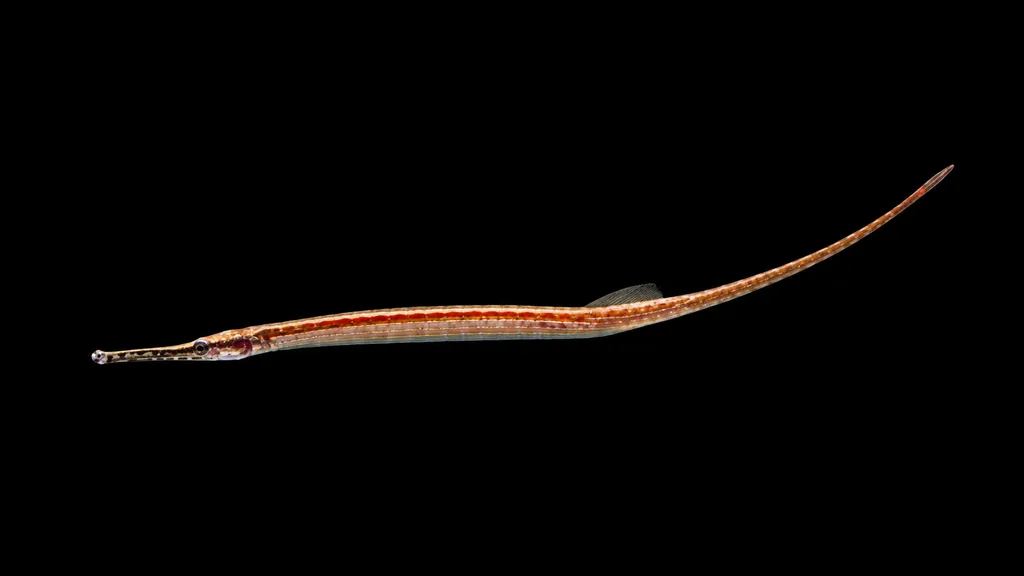 7.9 in (20 cm)32 gal (120 L)75–82°F (24–28°C)
African red-striped pipefish
Microphis aculeatus
7.9 in (20 cm) · 32 gal (120 L)
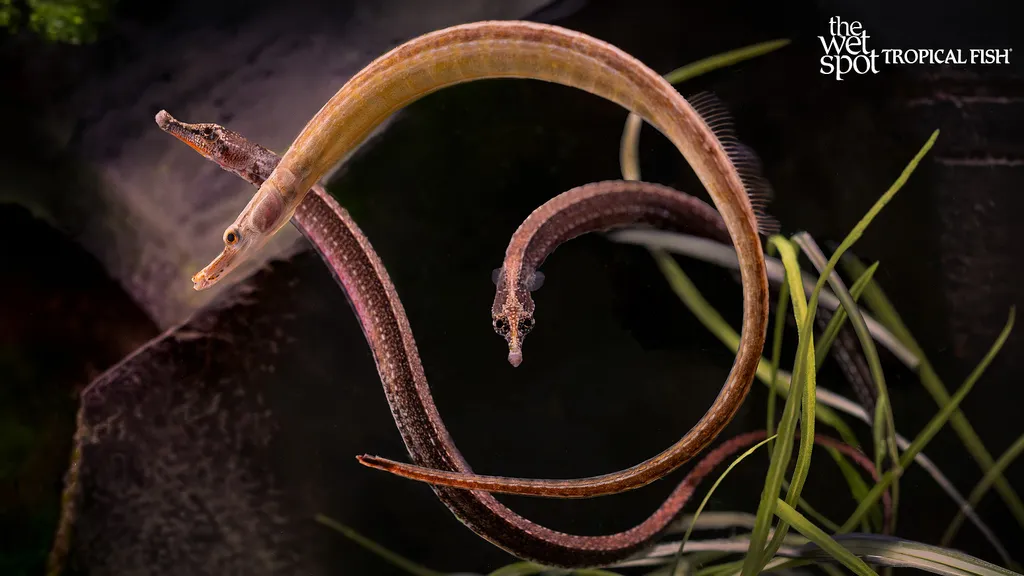 7.5 in (19 cm)32 gal (120 L)72–81°F (22–27°C)
Barhead pipefish
Microphis leiaspis
7.5 in (19 cm) · 32 gal (120 L)
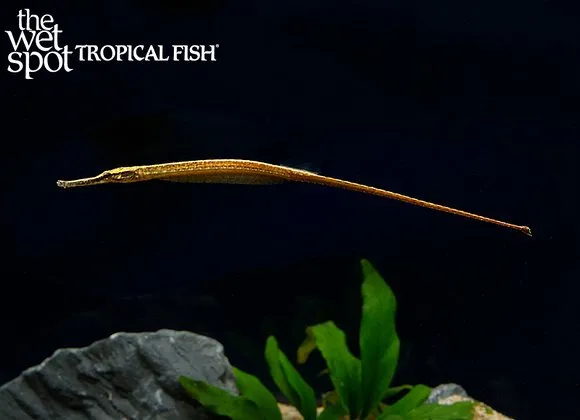 7.1 in (18 cm)30 gal (112 L)73–82°F (23–28°C)
Dora's pipefish
Microphis deokhatoides
7.1 in (18 cm) · 30 gal (112 L)
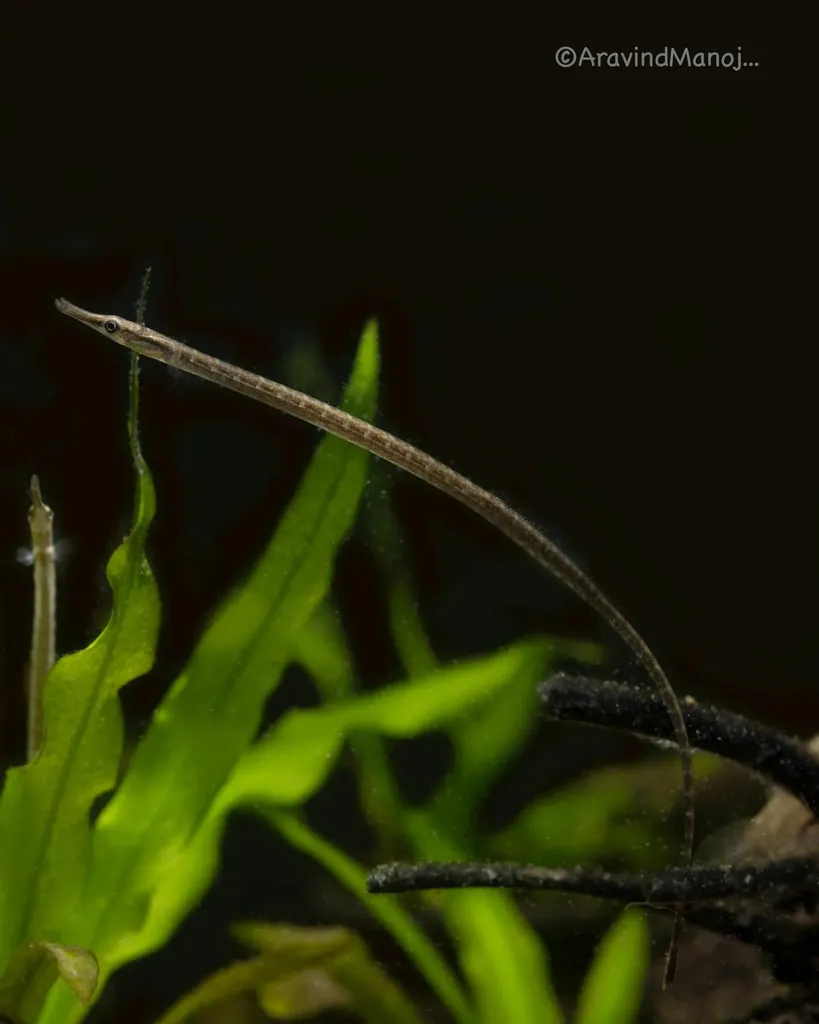 6.7 in (17 cm)30 gal (112 L)73–82°F (23–28°C)
Indian brindled pipefish
Microphis cuncalus
6.7 in (17 cm) · 30 gal (112 L)
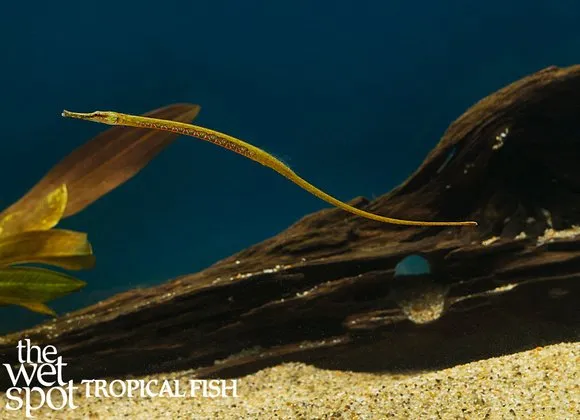 5.9 in (15 cm)20 gal (75 L)77–82°F (25–28°C)
Rainbow belly pipefish
Microphis deocata
5.9 in (15 cm) · 20 gal (75 L)
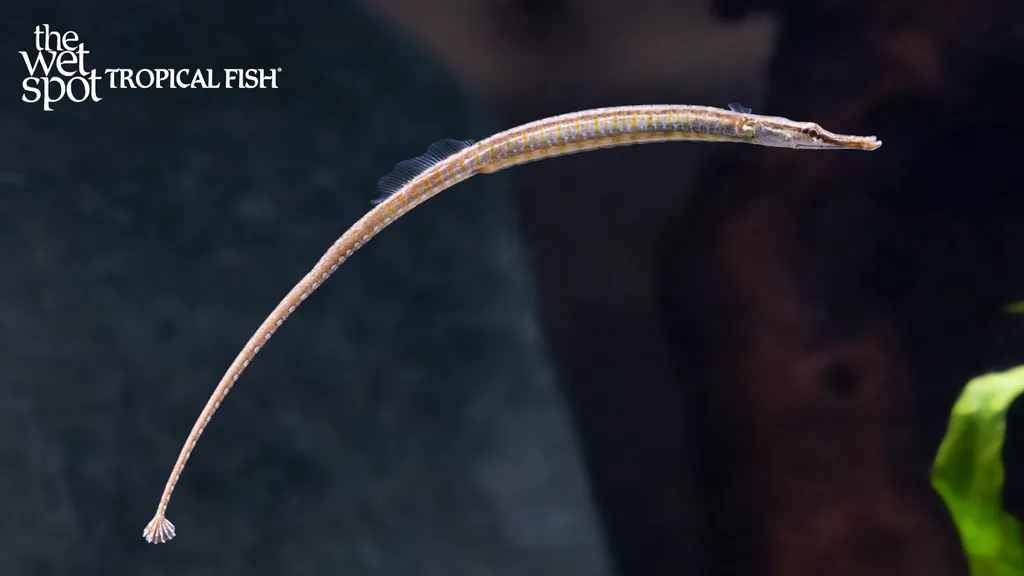 5.9 in (15 cm)32 gal (120 L)75–82°F (24–28°C)
Freshwater pipefish
Doryichthys martensii
5.9 in (15 cm) · 32 gal (120 L)