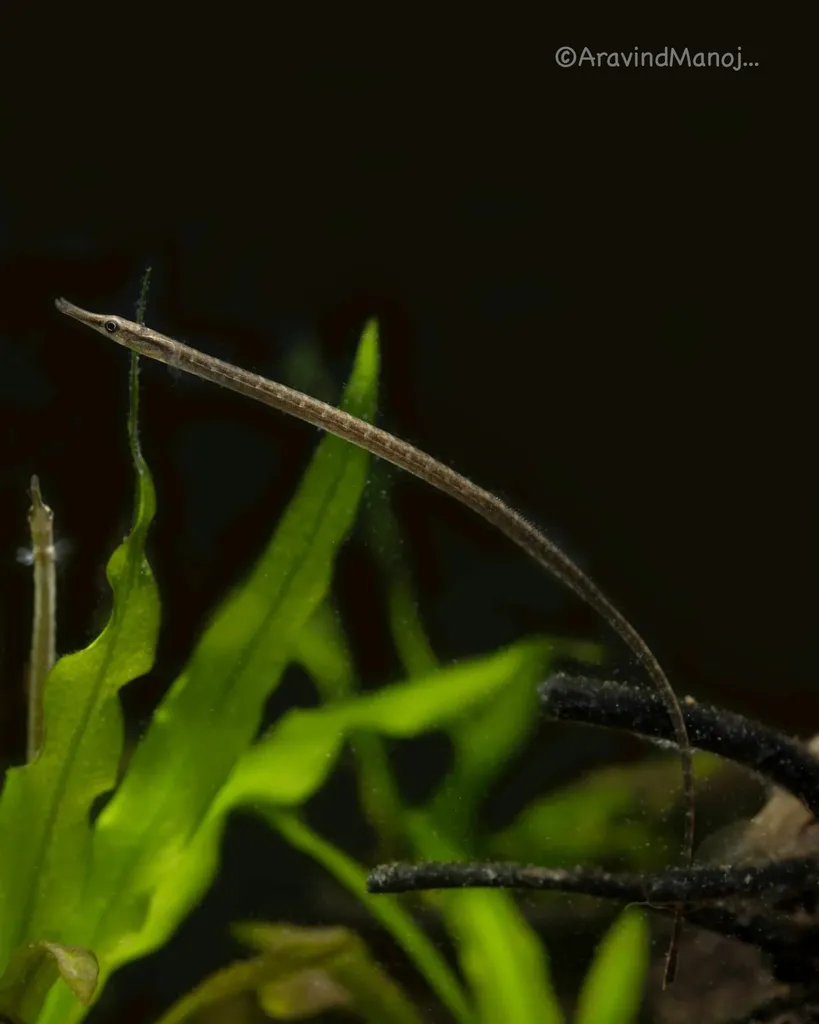
Indian brindled pipefish
Microphis cuncalus
Also known as Crocodile-tooth pipefish, Brindled pipefish
FreshwaterFish
Care at a glance
- Temperature
- 73–82°F
- 23–28°C
- pH
- 6.8–7.8
- Adult size
- 6.7 in
- 17 cm
- Minimum tank
- 30 gal
- 112 L
- Temperament
- Peaceful
- Social behavior
- Social
- Tankmates
- With caution
- Swim level
- Bottom
- Diet
- Carnivore
- Difficulty
- Difficult
- Breeding
- Hard
- Rarity
- Rare
- Family
- Syngnathidae
- Origin
- Rivers and estuarine fringes of India and Bangladesh
Overview
The Indian brindled pipefish is a freshwater pipefish for a calm, planted tank. It is demanding, so it belongs with experienced keepers.
Did you know
The Indian brindled pipefish is not scaled. Its body is sheathed in interlocking bony rings, a flexible suit of armor shared by all pipefish and seahorses. That armor also gives the group its stiff, deliberate way of moving.
Caring for the Indian brindled pipefish
Give the Indian brindled pipefish a mature, densely planted tank of at least 30 gal (112 L). Use fine-leaved and floating plants, with root and wood cover and plenty of hiding places. It hangs low among the plants in gentle flow and stresses in strong current, so keep the filtration gentle. A settled tank keeps it calm and feeding.
It does best in slightly hard, near-neutral to mildly alkaline water, at a pH of 6.8 to 7.8. Keep it warm, at 73 to 82°F (23 to 28°C).
It is a slow, fussy feeder that takes only small moving prey. Have a live-food supply running before it arrives, preferably a brine shrimp hatchery. Offer newly hatched brine shrimp, copepods, Daphnia and small mosquito larvae, little and often.
It is peaceful and social, and happiest as a small group in a calm tank. Choose tank mates with great care, or leave them out altogether.
As in its relatives, the male broods the eggs. Captive breeding is hard and rarely accomplished.
Good to know
Microphis cuncalus was described by Hamilton in 1822, and it is also known as the crocodile-tooth pipefish. It has a greenish body with dusky brindled mottling and a reddish tail. It is listed as a species of conservation concern.
In the wild
Microphis cuncalus lives in the rivers and low-salinity estuarine fringes of India and Bangladesh. It is common in the Meghna and the Hooghly, among weed beds in slow water.
Common questions
What size tank does an Indian brindled pipefish need?
An Indian brindled pipefish needs at least 30 gal (112 L). It spends most of its time in the bottom.
What temperature and pH does an Indian brindled pipefish need?
An Indian brindled pipefish is comfortable at 73–82°F (23–28°C) with a pH of 6.8–7.8.
What does an Indian brindled pipefish eat?
An Indian brindled pipefish takes only small moving prey. Give it newly hatched brine shrimp, copepods, Daphnia and small mosquito larvae, in small amounts and often.
How big does an Indian brindled pipefish get?
An adult Indian brindled pipefish reaches about 6.7 in (17 cm).
How does an Indian brindled pipefish breed?
The male Indian brindled pipefish broods the eggs, as its relatives do. Captive breeding is hard and rarely accomplished.
Related species
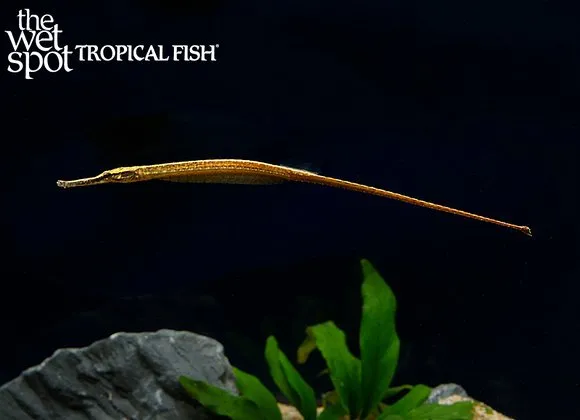 7.1 in (18 cm)30 gal (112 L)73–82°F (23–28°C)
Dora's pipefish
Microphis deokhatoides
7.1 in (18 cm) · 30 gal (112 L)
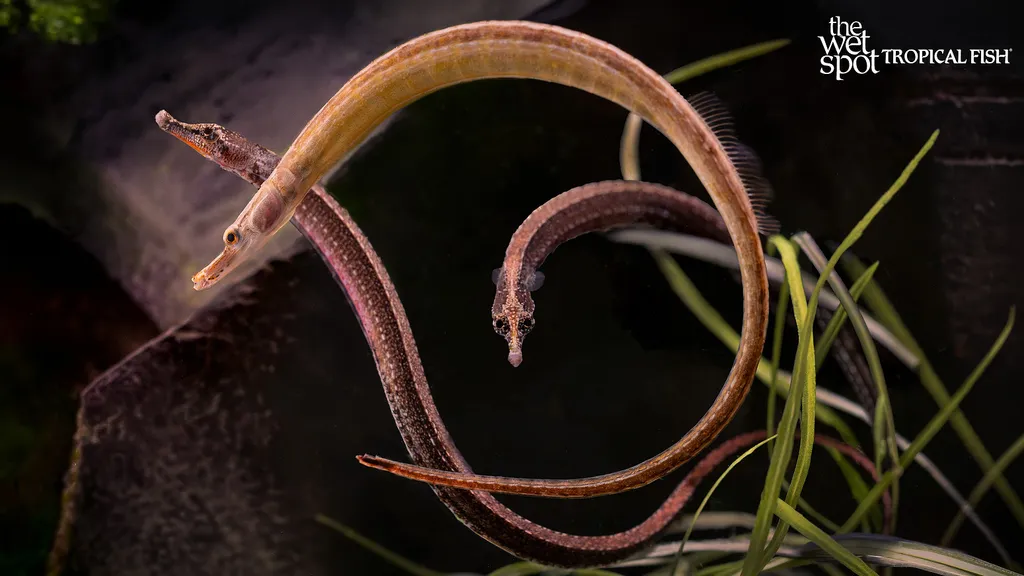 7.5 in (19 cm)32 gal (120 L)72–81°F (22–27°C)
Barhead pipefish
Microphis leiaspis
7.5 in (19 cm) · 32 gal (120 L)
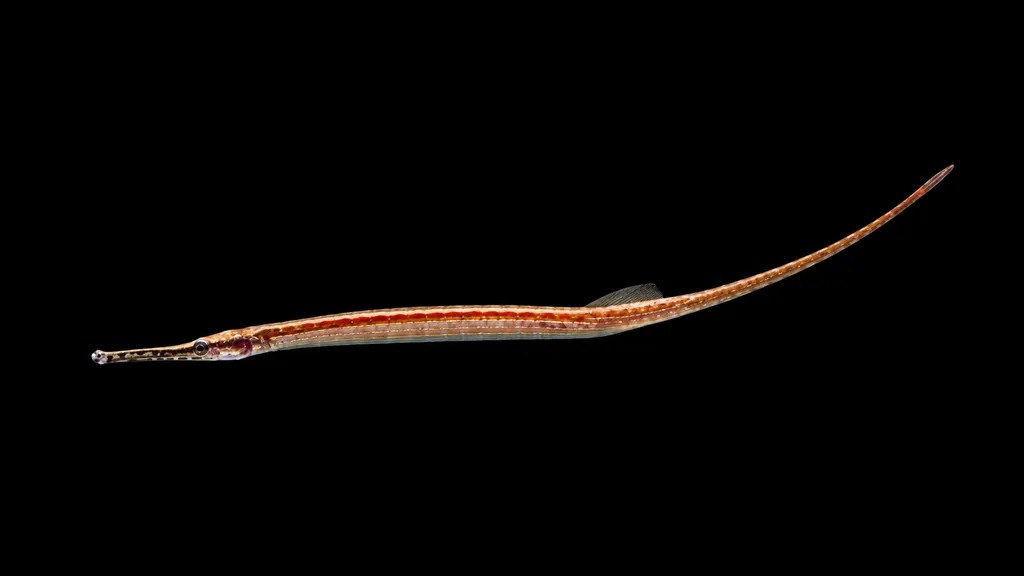 7.9 in (20 cm)32 gal (120 L)75–82°F (24–28°C)
African red-striped pipefish
Microphis aculeatus
7.9 in (20 cm) · 32 gal (120 L)
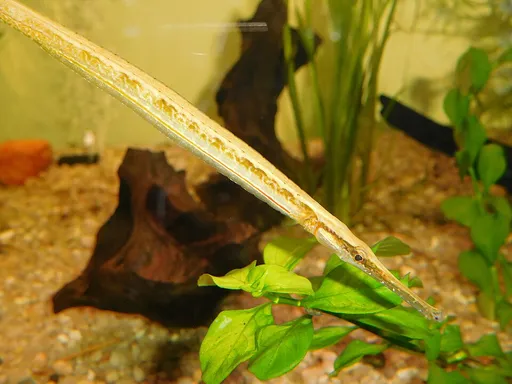 8.7 in (22 cm)32 gal (120 L)75–82°F (24–28°C)
Opossum pipefish
Microphis brachyurus
8.7 in (22 cm) · 32 gal (120 L)
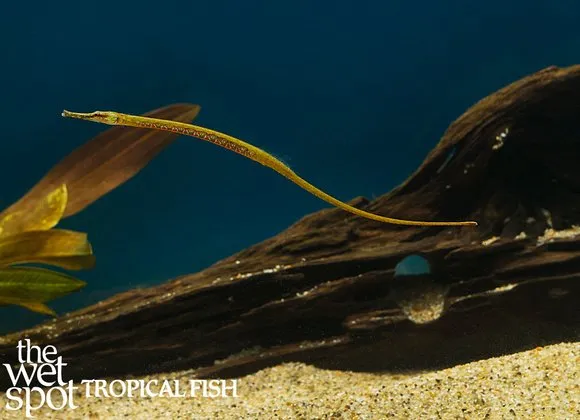 5.9 in (15 cm)20 gal (75 L)77–82°F (25–28°C)
Rainbow belly pipefish
Microphis deocata
5.9 in (15 cm) · 20 gal (75 L)
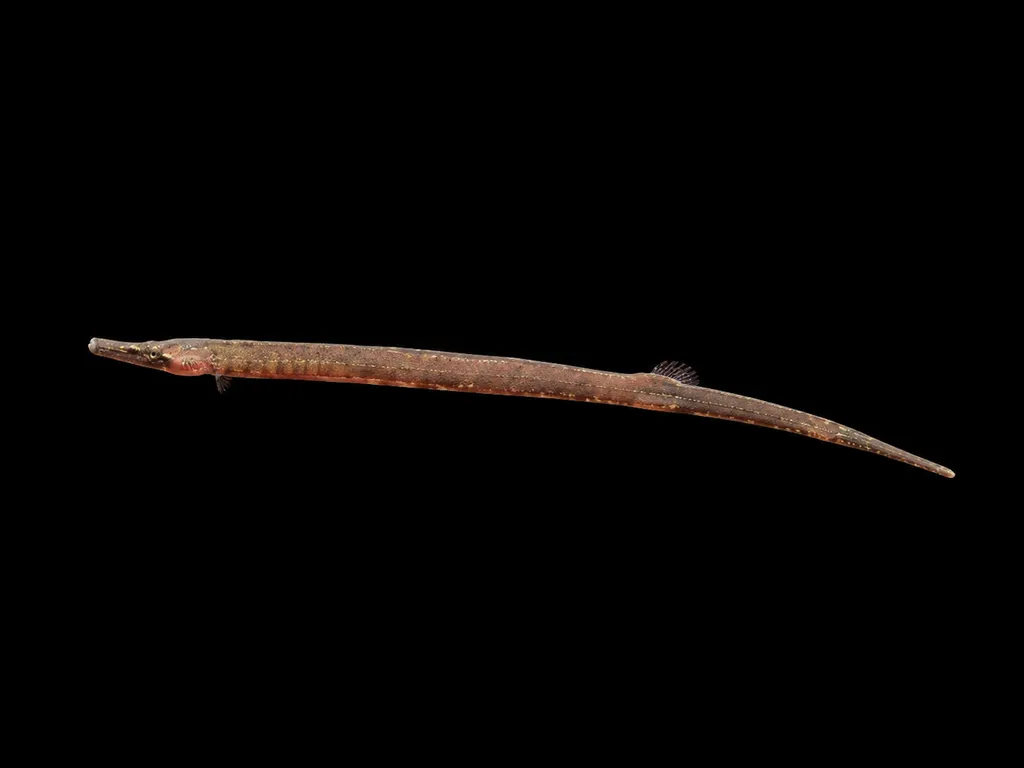 5.9 in (15 cm)21 gal (80 L)75–84°F (24–29°C)
Red belly pipefish
Hippichthys heptagonus
5.9 in (15 cm) · 21 gal (80 L)