Hecqui shell dweller
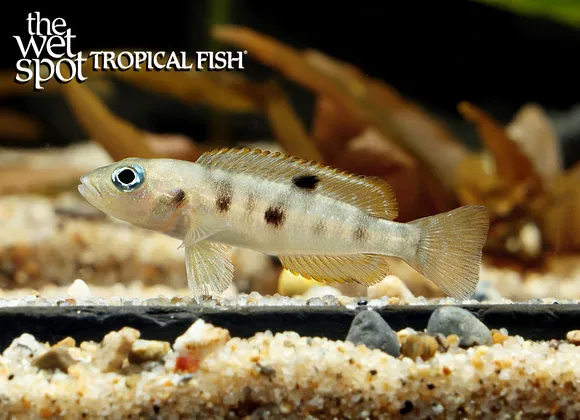
Lepidiolamprologus hecqui
Also known as Boulenger's shell cichlid
FreshwaterFish
Care at a glance
- Temperature
- 75–81°F
- 24–27°C
- pH
- 7.8–9.0
- Adult size
- 3.1 in
- 8 cm
- Minimum tank
- 29 gal
- 110 L
- Temperament
- Aggressive
- Social behavior
- Social
- Tankmates
- With caution
- Swim level
- Bottom
- Diet
- Carnivore
- Difficulty
- Medium
- Breeding
- Cave spawner · Medium
- Rarity
- Common
- Family
- Cichlidae
- Origin
- Lake Tanganyika
Overview
The Hecqui shell dweller is the largest of the commonly kept shell dwellers, an aggressive cichlid for the sand bottom of the tank. It is a fish for keepers with some experience.
Did you know
The Hecqui shell dweller comes from a pike lineage that moved into snail shells. That makes it the biggest tenant in the smallest housing on the shell bed.
Caring for the Hecqui shell dweller
Keep Hecqui shell dwellers as a colony in at least 29 gal (110 L). Lay a wide shell bed with far more shells than fish. Use fine sand deep enough that the fish can bury and re-site shells as they like.
Keep the water hard and alkaline, at 75 to 81°F (24 to 27°C) and a pH of 7.8 to 9.0. Feed small frozen and live foods, which it takes off the sand and out of the water column.
The Hecqui shell dweller behaves like a predator that happens to live in a shell. Do not mix it with smaller shellies, since it will annex their real estate and eat their fry. Pairs guard a cluster of shells rather than a single one and patrol the boundary all day.
It lays its eggs inside a shell. The fry are guarded within the colony and quickly claim shells of their own. Breeding is of moderate difficulty.
Good to know
Lepidiolamprologus hecqui is a member of the family Cichlidae. It grows to roughly double the length of a Neolamprologus multifasciatus. It is built as a small ambush predator, with a longer jaw than most shell dwellers.
In the wild
Lepidiolamprologus hecqui colonizes shell beds on the sand floor of Lake Tanganyika. There, drifts of empty Neothauma shells are the only shelter for long stretches.
Common questions
What size tank does a Hecqui shell dweller need?
A Hecqui shell dweller needs at least 29 gal (110 L). It spends most of its time in the bottom.
What temperature and pH does a Hecqui shell dweller need?
A Hecqui shell dweller is comfortable at 75–81°F (24–27°C) with a pH of 7.8–9.0.
What does a Hecqui shell dweller eat?
A Hecqui shell dweller eats small frozen and live foods. It takes them off the sand and out of the water column.
How big does a Hecqui shell dweller get?
An adult Hecqui shell dweller reaches about 3.1 in (8 cm).
Related species
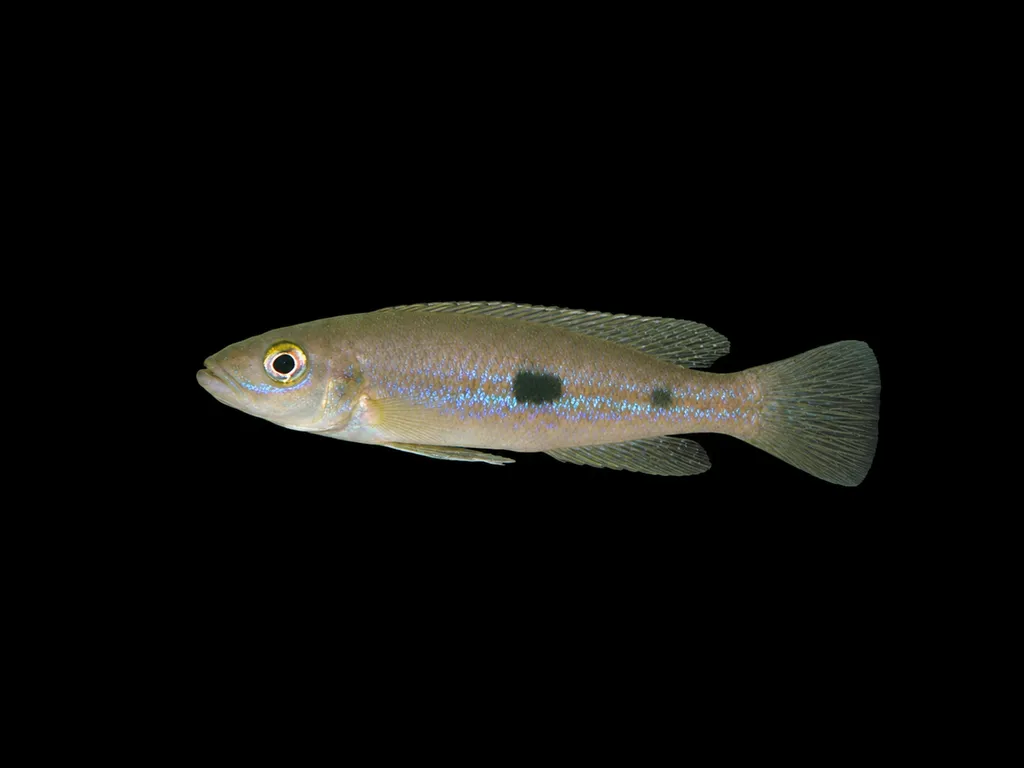 5.9 in (15 cm)66 gal (250 L)75–81°F (24–27°C)
Attenuatus cichlid
Lepidiolamprologus attenuatus
5.9 in (15 cm) · 66 gal (250 L)
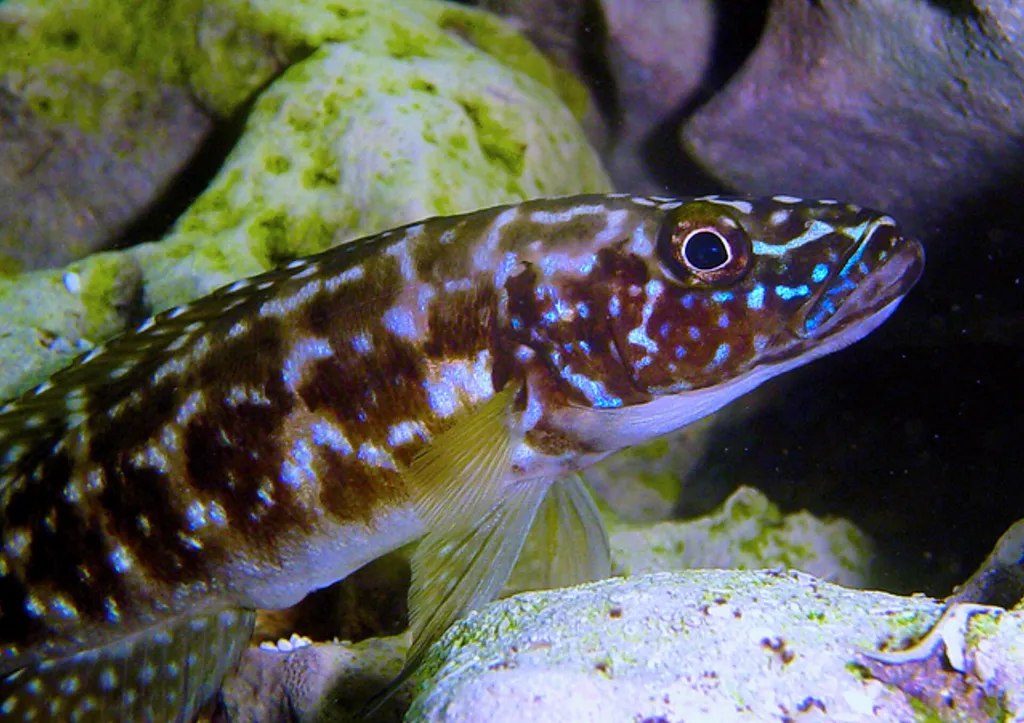 6.3 in (16 cm)79 gal (300 L)75–81°F (24–27°C)
Kendall's lamprologus
Lepidiolamprologus kendalli
6.3 in (16 cm) · 79 gal (300 L)
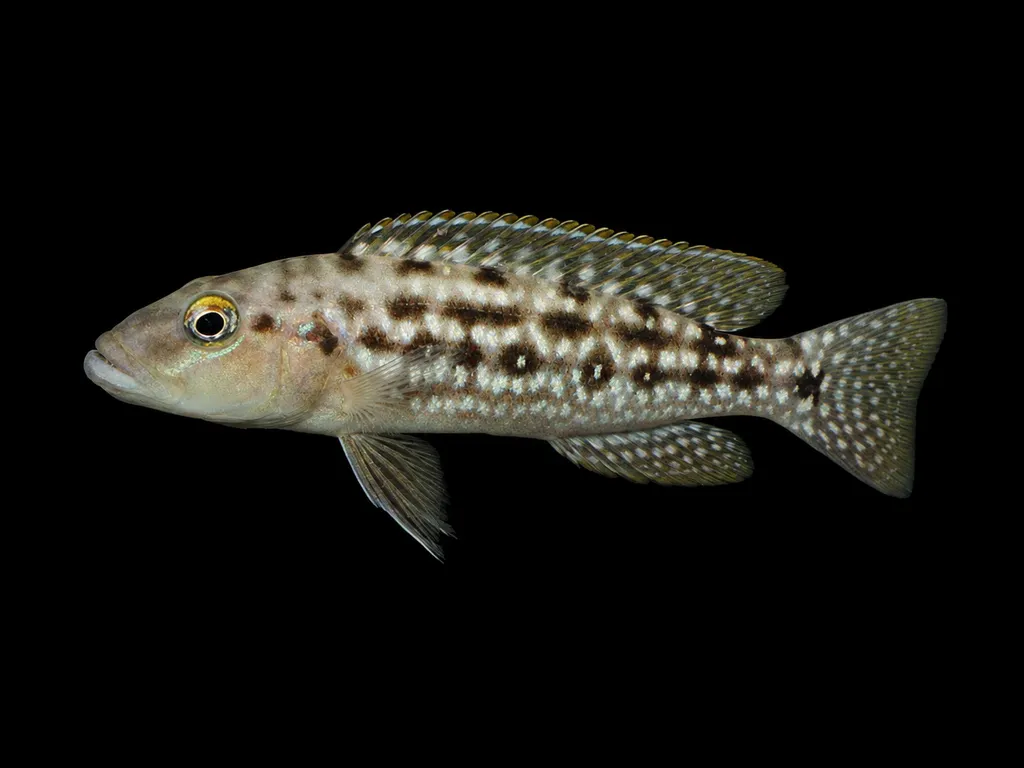 12.6 in (32 cm)119 gal (450 L)75–81°F (24–27°C)
Elongate lamprologus
Lepidiolamprologus elongatus
12.6 in (32 cm) · 119 gal (450 L)
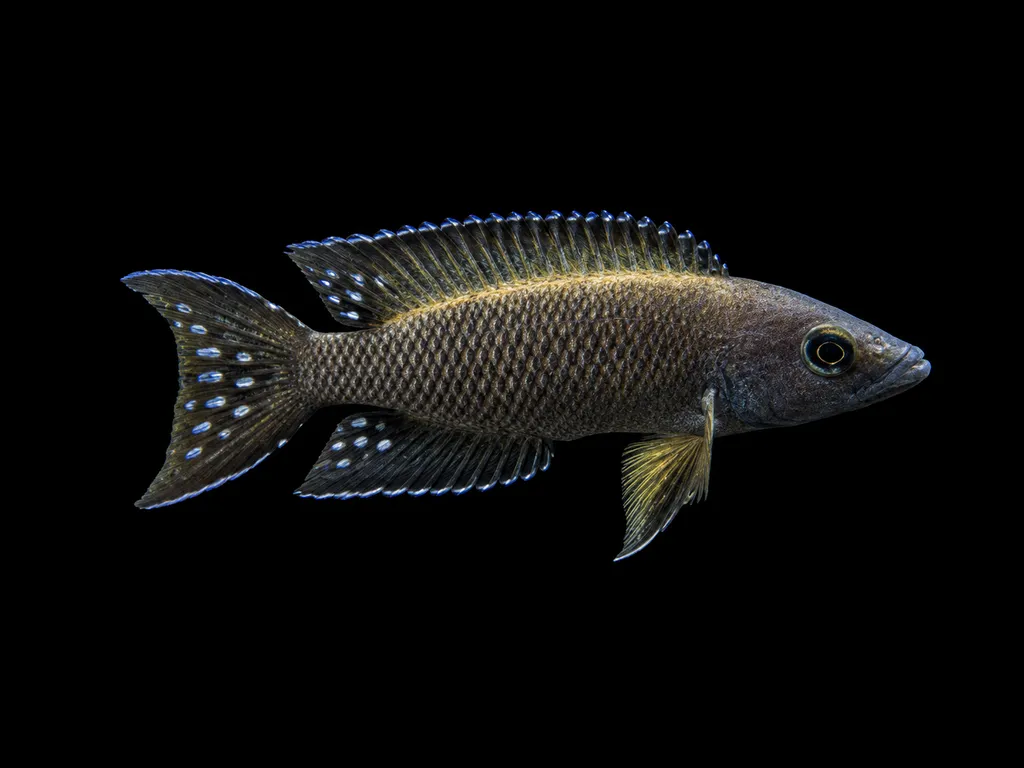 3.1 in (8 cm)28 gal (105 L)75–81°F (24–27°C)
Buescher's cichlid
Neolamprologus buescheri
3.1 in (8 cm) · 28 gal (105 L)
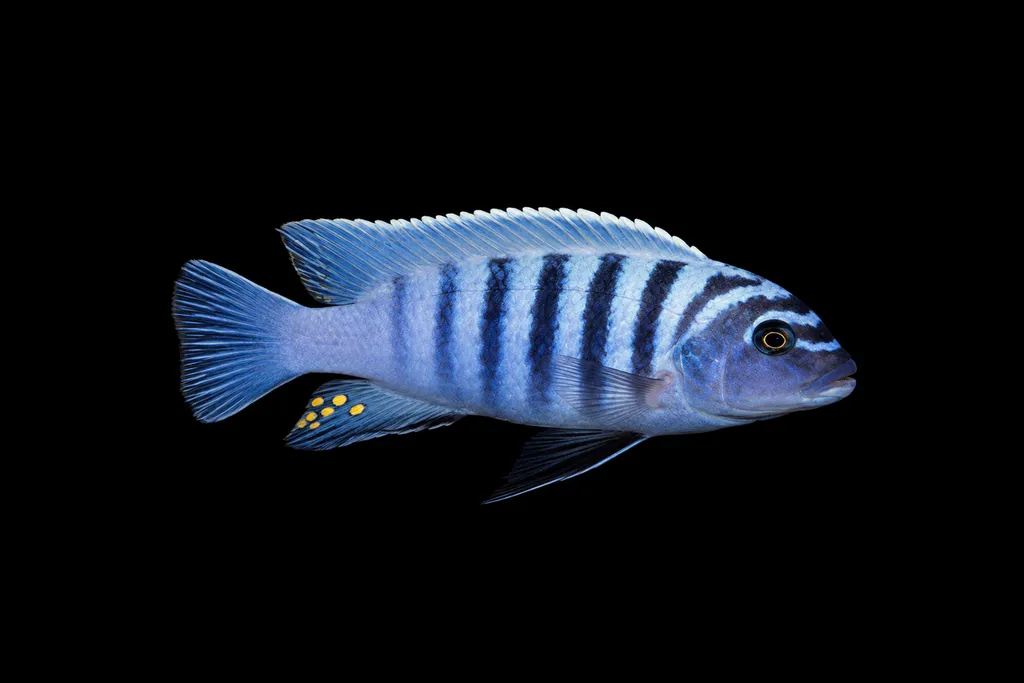 3.1 in (8 cm)42 gal (160 L)75–82°F (24–28°C)
Konings' zebra
Maylandia koningsi
3.1 in (8 cm) · 42 gal (160 L)
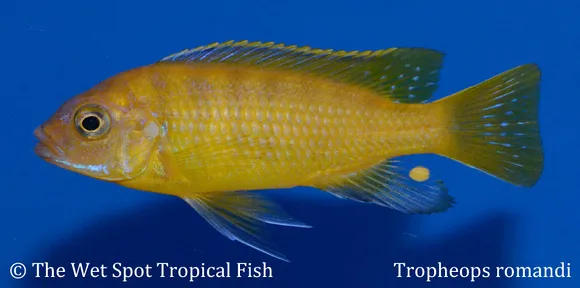 3.1 in (8 cm)53 gal (200 L)75–82°F (24–28°C)
Romand's tropheops
Tropheops romandi
3.1 in (8 cm) · 53 gal (200 L)