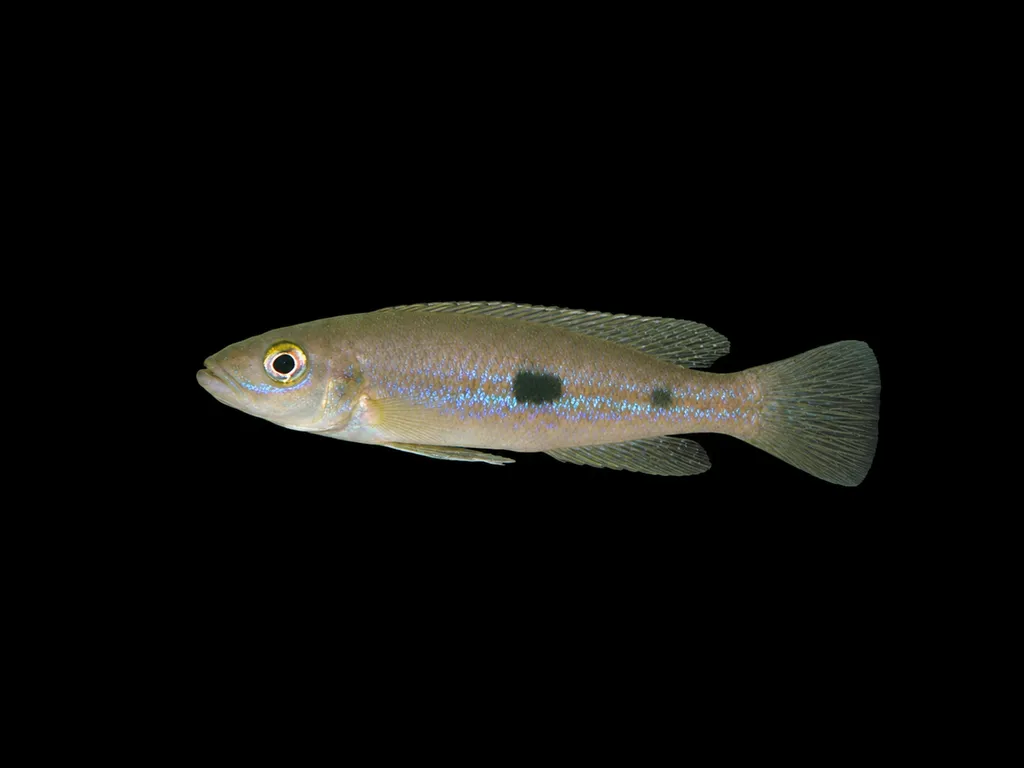
Attenuatus cichlid
Lepidiolamprologus attenuatus
Also known as Slender lepidiolamprologus
FreshwaterFish
Care at a glance
- Temperature
- 75–81°F
- 24–27°C
- pH
- 7.8–9.0
- Adult size
- 5.9 in
- 15 cm
- Minimum tank
- 66 gal
- 250 L
- Temperament
- Aggressive
- Social behavior
- Social
- Tankmates
- With caution
- Swim level
- Bottom
- Diet
- Carnivore
- Difficulty
- Medium
- Breeding
- Substrate spawner · Medium
- Rarity
- Rare
- Family
- Cichlidae
- Origin
- Lake Tanganyika
Overview
The Attenuatus cichlid is a slim, predatory Tanganyikan cichlid for a sand-floored tank. It is a step up from the easiest fish.
Did you know
Breeding Attenuatus cichlid pairs tend a pit in the sand much like shorebirds tending a nest. One parent patrols the edge while the other stays close over the eggs and the newly hatched fry.
Caring for the Attenuatus cichlid
Give a pair of Attenuatus cichlids at least 66 gal (250 L), which leaves room to hold territory. A broad, open bed of sand is the main feature. Add a few rocks and empty snail shells for cover and spawning sites rather than a dense rockscape.
Match the lake with hard, alkaline water at 75 to 81°F (24 to 27°C) and a pH of 7.8 to 9.0. Feed meaty foods such as mysis, krill, chopped prawn and quality pellets, not a diet of live feeder fish.
It forms pairs, and you can keep it as a pair or as a small group of its own kind. Like many predators, it ignores fish too large to eat but treats anything small as food. Choose tank mates with caution, such as sturdy, mid-sized Tanganyikans that will not fit in its mouth.
A pair digs a shallow crater and spawns on a stone or shell inside it, since its group must attach eggs to a hard surface. Both parents share the brood care and guard the fry. Breeding them is moderately difficult.
Good to know
The Attenuatus cichlid, Lepidiolamprologus attenuatus, is a member of the cichlid family. It is one of the larger sand-dwelling Lamprologus relatives in Lake Tanganyika.
In the wild
The Attenuatus cichlid lives over sandy bottoms with scattered rocks and shells, along the shores of Lake Tanganyika. It ambushes small fish from open ground.
Common questions
What size tank does an Attenuatus cichlid need?
An Attenuatus cichlid needs at least 66 gal (250 L). It spends most of its time in the bottom.
What temperature and pH does an Attenuatus cichlid need?
An Attenuatus cichlid is comfortable at 75–81°F (24–27°C) with a pH of 7.8–9.0.
What does an Attenuatus cichlid eat?
An Attenuatus cichlid is a predator that eats meaty foods. Offer it mysis, krill, chopped prawn and quality pellets rather than live feeder fish.
How big does an Attenuatus cichlid get?
An adult Attenuatus cichlid reaches about 5.9 in (15 cm).
Related species
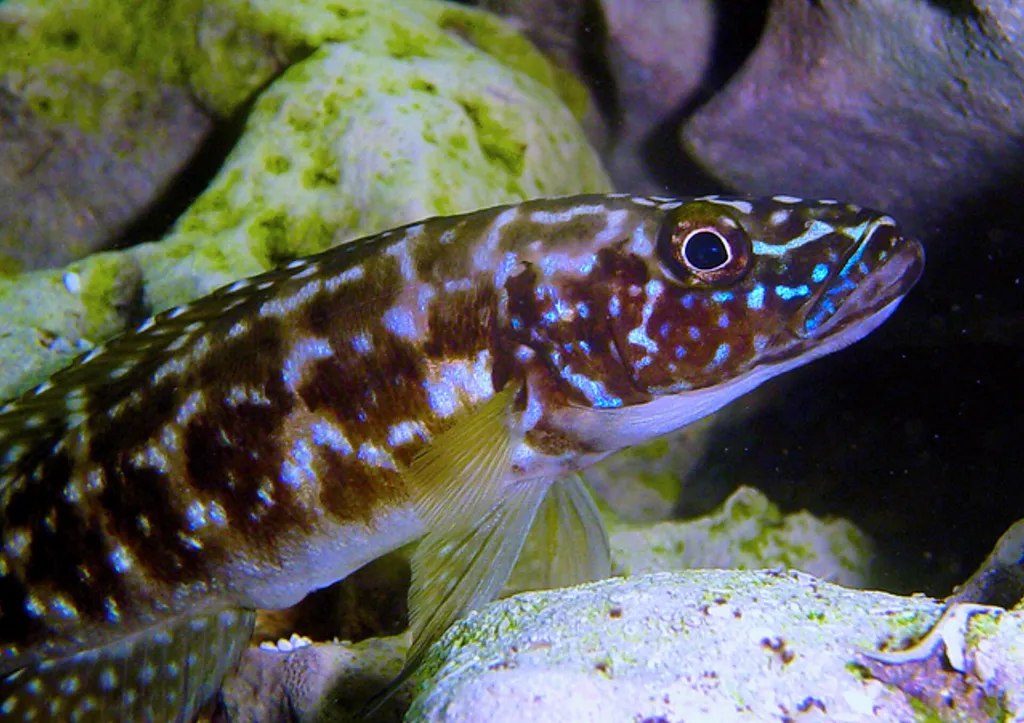 6.3 in (16 cm)79 gal (300 L)75–81°F (24–27°C)
Kendall's lamprologus
Lepidiolamprologus kendalli
6.3 in (16 cm) · 79 gal (300 L)
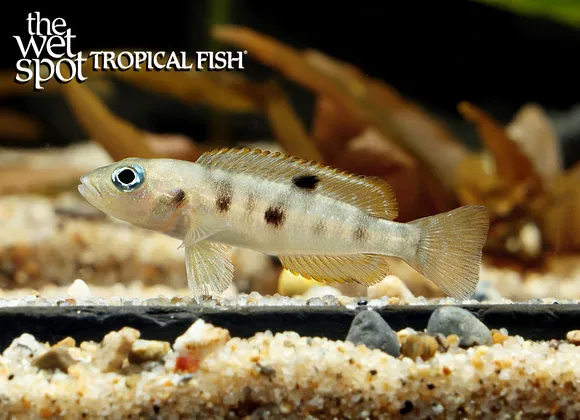 3.1 in (8 cm)29 gal (110 L)75–81°F (24–27°C)
Hecqui shell dweller
Lepidiolamprologus hecqui
3.1 in (8 cm) · 29 gal (110 L)
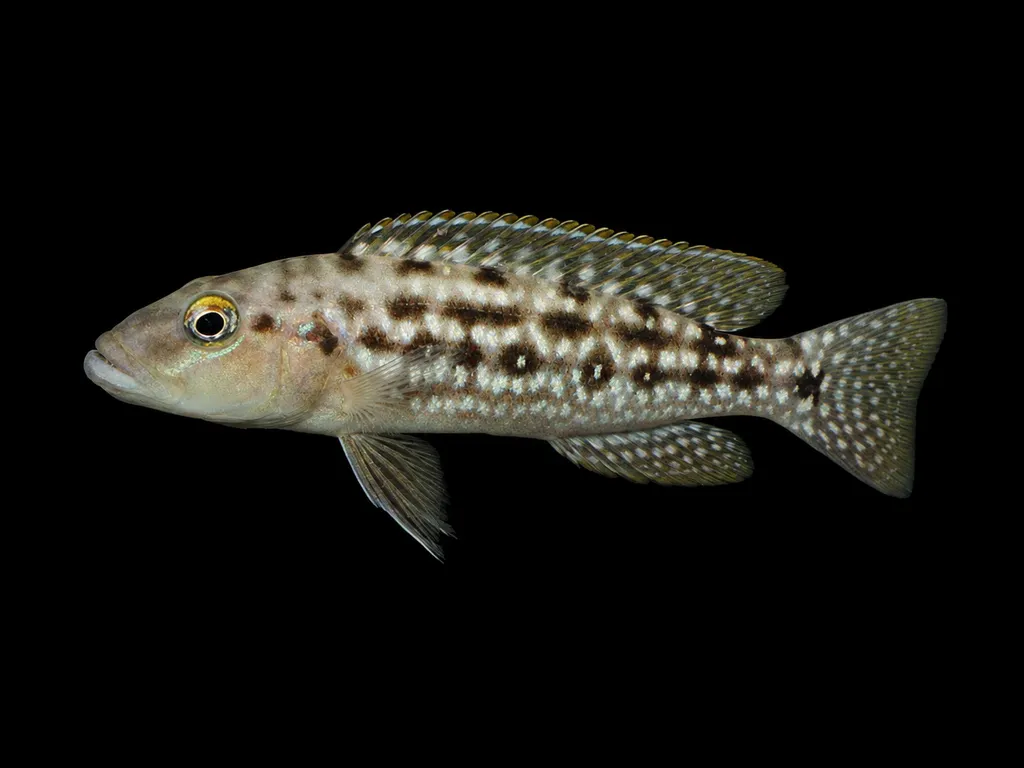 12.6 in (32 cm)119 gal (450 L)75–81°F (24–27°C)
Elongate lamprologus
Lepidiolamprologus elongatus
12.6 in (32 cm) · 119 gal (450 L)
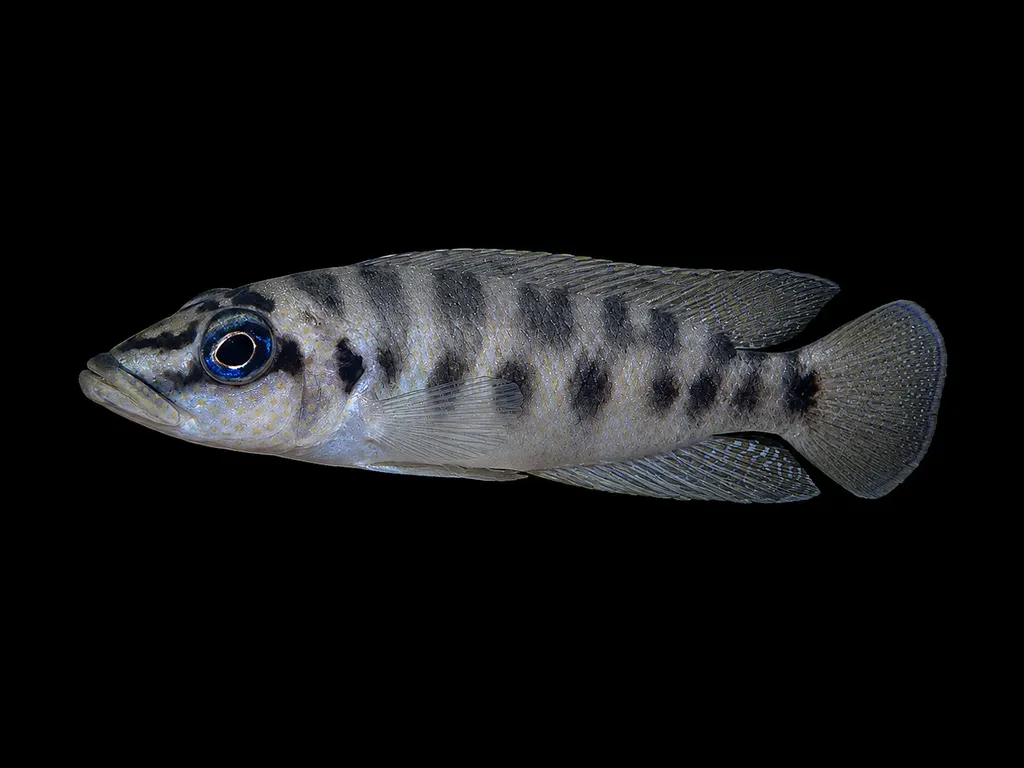 5.9 in (15 cm)66 gal (250 L)75–81°F (24–27°C)
Barred lamprologus
Neolamprologus fasciatus
5.9 in (15 cm) · 66 gal (250 L)
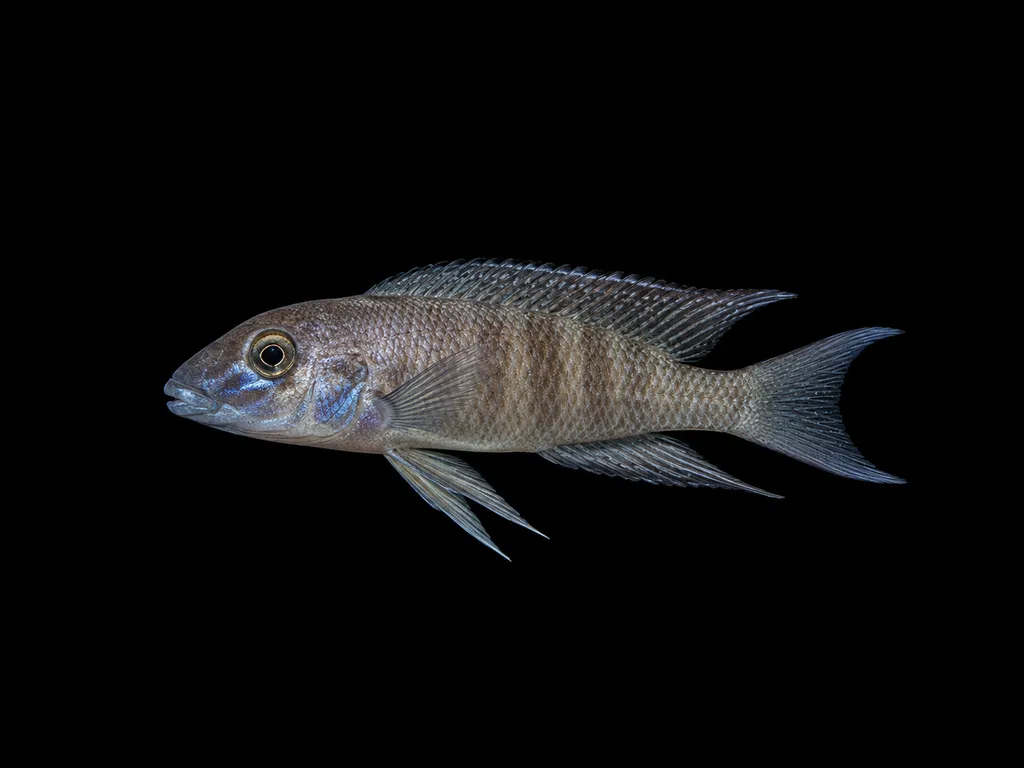 5.9 in (15 cm)66 gal (250 L)75–81°F (24–27°C)
Christy's lamprologus
Neolamprologus christyi
5.9 in (15 cm) · 66 gal (250 L)
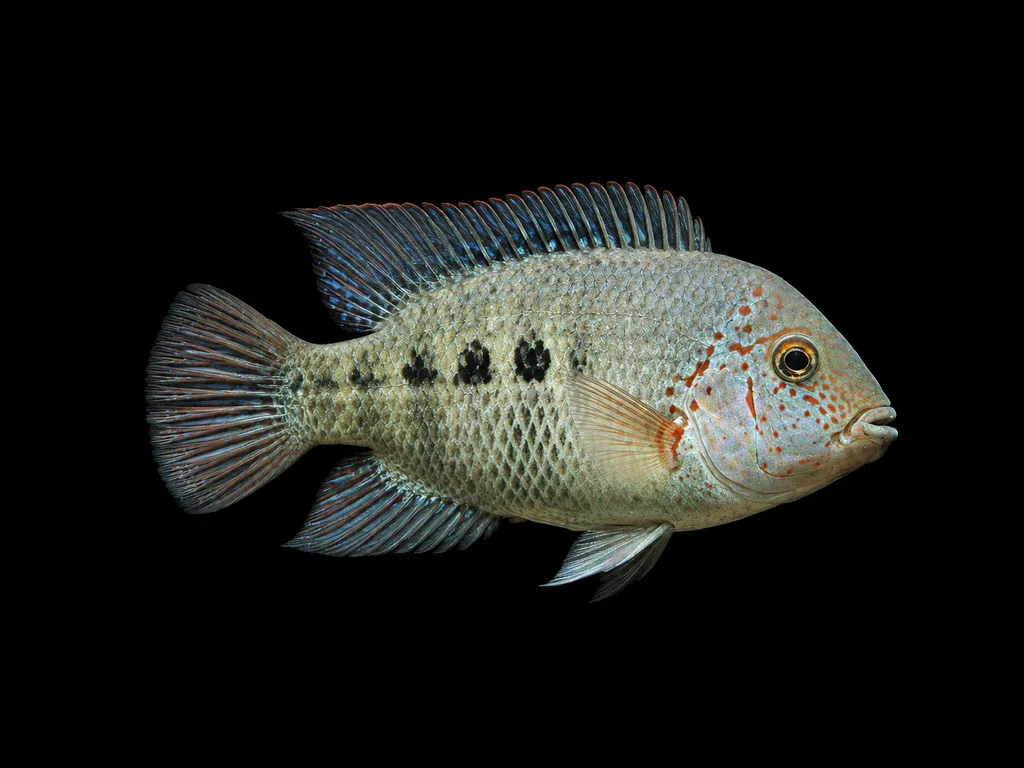 5.9 in (15 cm)66 gal (250 L)75–84°F (24–29°C)
Deppii cichlid
Herichthys deppii
5.9 in (15 cm) · 66 gal (250 L)