Golden pheasant
Callopanchax occidentalis
Also known as Golden pheasant panchax, Golden pheasant killifish, Roloffia occidentalis
FreshwaterFish

Care at a glance
- Temperature
- 68–75°F
- 20–24°C
- pH
- 6.0–7.0
- Adult size
- 3.1 in
- 8 cm
- Minimum tank
- 14 gal
- 54 L
- Temperament
- Aggressive
- Social behavior
- Solitary
- Tankmates
- With caution
- Swim level
- Middle
- Diet
- Carnivore
- Difficulty
- Difficult
- Breeding
- Egg burier · Hard
- Rarity
- Rare
- Family
- Nothobranchiidae
- Origin
- Native to seasonal coastal swamps and pools in Sierra Leone, western Liberia, and probably southeastern Guinea.
Overview
The golden pheasant is an aggressive annual killifish for a species tank. It is a fish for experienced keepers.
Did you know
Golden pheasant eggs need one of the longest rests of any aquarium killifish, sitting in barely damp peat before they are ready to hatch.
Caring for the golden pheasant
Keep a single pair of golden pheasants in a species tank of 14 gal (54 L) or more. Give them a dark, soft-bottomed setup with cover and a very secure lid.
Keep the water soft, at 68 to 75°F (20 to 24°C) and a pH of 6.0 to 7.0. A little salt is sometimes added. Feed meaty live and frozen foods such as earthworm, bloodworm, blackworm and brine shrimp.
The golden pheasant will bully or eat other fish, so any tank mates need great caution. Males are large and intensely colored in orange, red and blue, with dark fin edges.
It is an annual and a bottom spawner. Spawn a pair over a deep peat layer, where the eggs are buried and need a long incubation. Store the eggs damp for six to seven months, since hatching is best at about seven months. Breeding it is hard.
Good to know
The golden pheasant, Callopanchax occidentalis, is one of the larger, more aggressive West African killifish. It belongs to the family Nothobranchiidae and was formerly placed in the genus Roloffia.
In the wild
The golden pheasant lives in temporary swamps and pools in the coastal forest zone of West Africa, which dry out in the dry season. Its range covers Sierra Leone, western Liberia and probably southeastern Guinea.
Common questions
What size tank does a golden pheasant need?
A golden pheasant needs at least 14 gal (54 L). It spends most of its time in the middle.
What temperature and pH does a golden pheasant need?
A golden pheasant is comfortable at 68–75°F (20–24°C) with a pH of 6.0–7.0.
What does a golden pheasant eat?
A golden pheasant eats meaty live and frozen foods, such as earthworm, bloodworm, blackworm and brine shrimp. It will also eat other fish.
How big does a golden pheasant get?
An adult golden pheasant reaches about 3.1 in (8 cm).
How can you tell a male golden pheasant from a female?
Males are large and intensely colored, in orange, red and blue with dark fin edges.
Related species
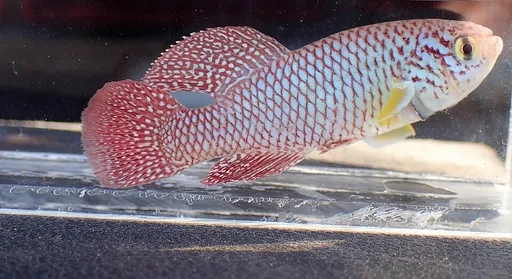 2.4 in (6 cm)11 gal (40 L)72–79°F (22–26°C)
Kadlec's notho
Nothobranchius kadleci
2.4 in (6 cm) · 11 gal (40 L)
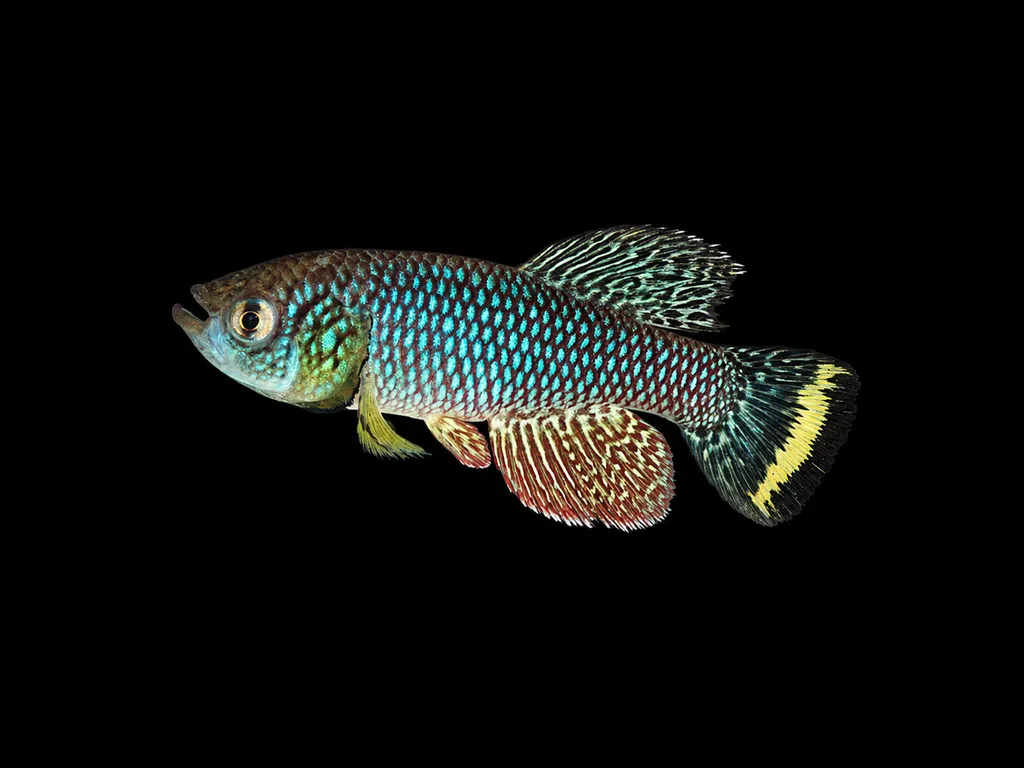 2.4 in (6 cm)11 gal (40 L)68–79°F (20–26°C)
Turquoise killifish
Nothobranchius furzeri
2.4 in (6 cm) · 11 gal (40 L)
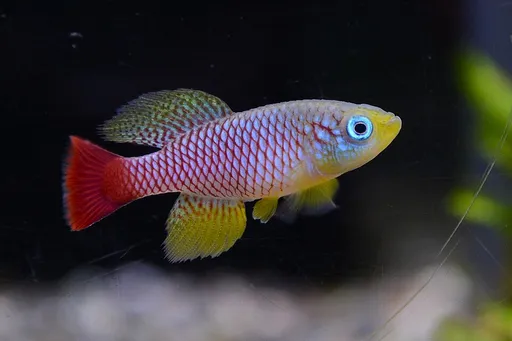 2.2 in (5.5 cm)11 gal (40 L)72–79°F (22–26°C)
Foersch's notho
Nothobranchius foerschi
2.2 in (5.5 cm) · 11 gal (40 L)
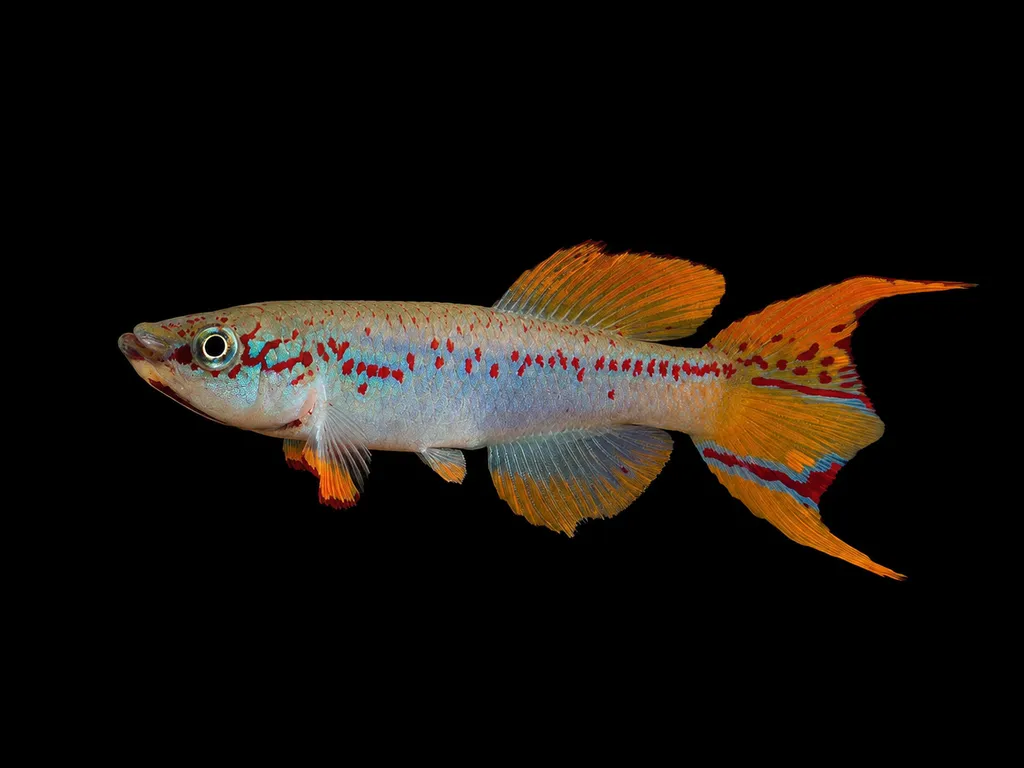 3.1 in (8 cm)14 gal (54 L)68–77°F (20–25°C)
Delta killifish
Fundulopanchax deltaensis
3.1 in (8 cm) · 14 gal (54 L)
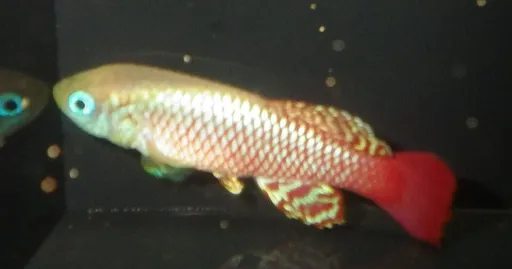 2 in (5 cm)11 gal (40 L)72–81°F (22–27°C)
Palmqvist's notho
Nothobranchius palmqvisti
2 in (5 cm) · 11 gal (40 L)
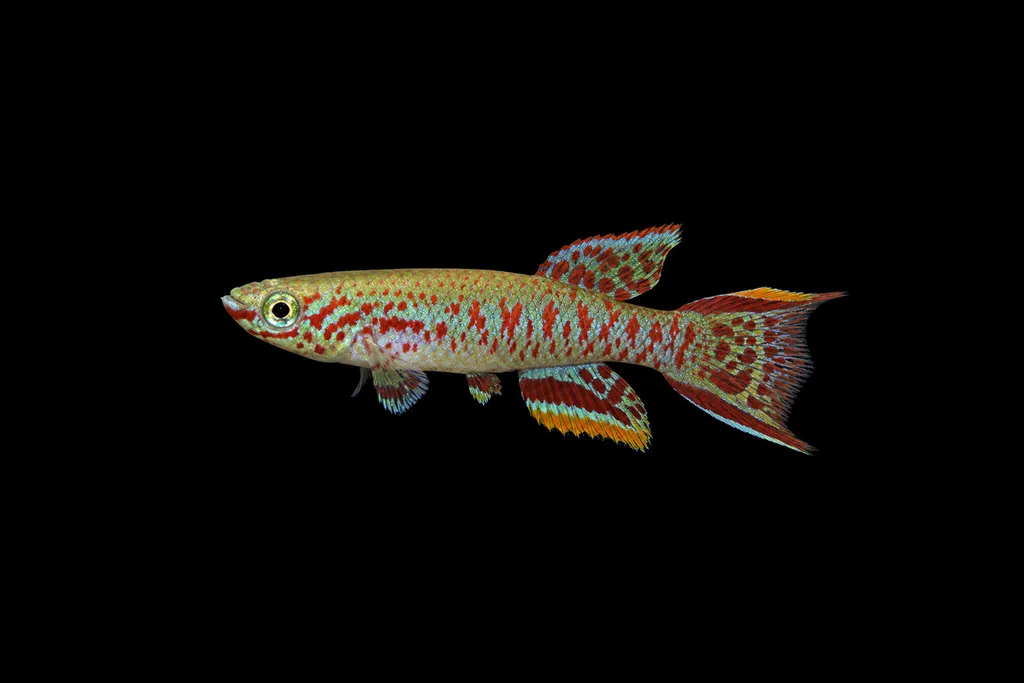 3 in (7.5 cm)14 gal (54 L)68–77°F (20–25°C)
Arnold's killifish
Fundulopanchax arnoldi
3 in (7.5 cm) · 14 gal (54 L)