Watercress algae
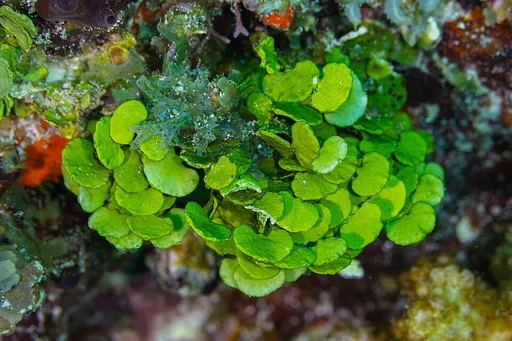
Halimeda tuna
Also known as Coin algae, Calcified green algae, Watercress alga
SaltwaterMacroalgaefragmentation
Care at a glance
- Light
- Medium light
- CO2
- No CO₂ needed
- Temperature
- 73–81°F
- 23–27°C
- Max height
- 5.9 in
- 15 cm
- Growth rate
- Slow
- Placement
- Midground
- Type
- Macroalgae
- pH
- 8.0–8.4
- Spread
- 7.9 in (20 cm)
- Nutrient uptake
- Water column
- Growth region
- Submersed
- Difficulty
- Medium
- Family
- Halimedaceae
- Origin
- A calcified green macroalga of tropical and subtropical reefs in the Indo-Pacific, Caribbean, and Mediterranean, anchored to rock from shallow water down to deep reef slopes.
Overview
Because it builds a hard skeleton, it needs stable calcium, magnesium, and alkalinity, the same demands as stony corals, plus moderate light and some flow. Wedge it into rock so it can anchor, and keep reef chemistry steady for good growth. Most herbivores ignore it, since the calcified segments are unappealing to eat.
In the wild
Halimeda tuna is built from chains of flat, coin shaped green segments stiffened with calcium carbonate, giving it a jointed, cactus like look. It grows attached to rock and rubble on the reef and holds its shape thanks to its chalky skeleton. In the aquarium it makes an unusual, sculptural macroalga for the display or refugium.
Good to know
Halimeda lays down calcium carbonate as aragonite crystals inside its segments, so the alga is partly mineral. The living tissue is a single continuous cell system threaded through the calcified skeleton.
Did you know
When Halimeda dies its skeleton crumbles into fine white carbonate sand, and over long stretches of time these algae are major builders of tropical reef sand and sediment.
Related plants
 Medium lightMidground5.9 in (15 cm)
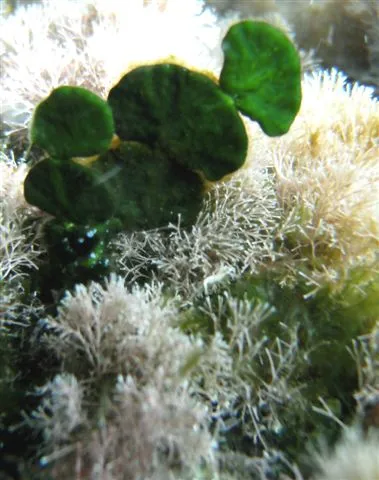
Money Plant
Halimeda
Medium light · Midground
 Medium lightMidground4.7 in (12 cm)
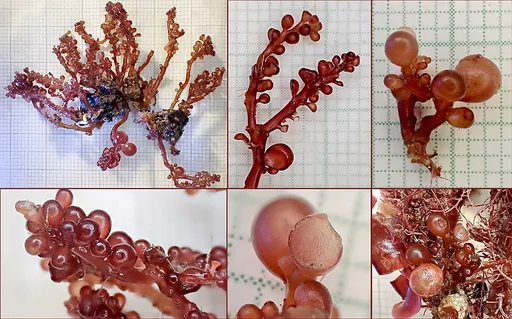
Red Grape Algae
Botryocladia botryoides
Medium light · Midground
 Medium lightBackground5.9 in (15 cm)
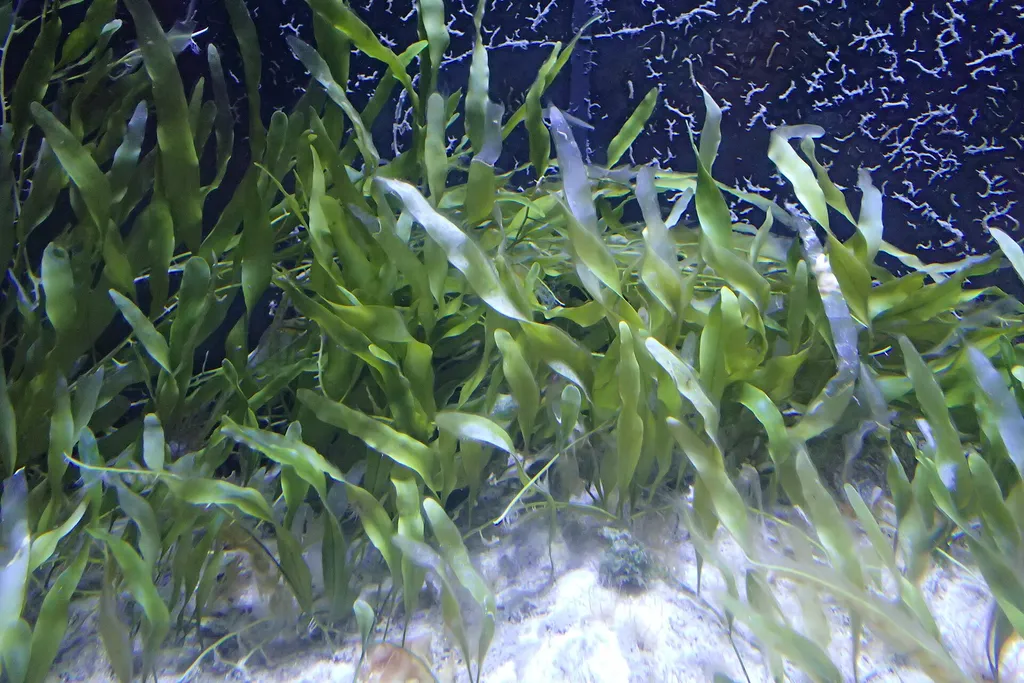
Caulerpa
Caulerpa prolifera
Medium light · Background
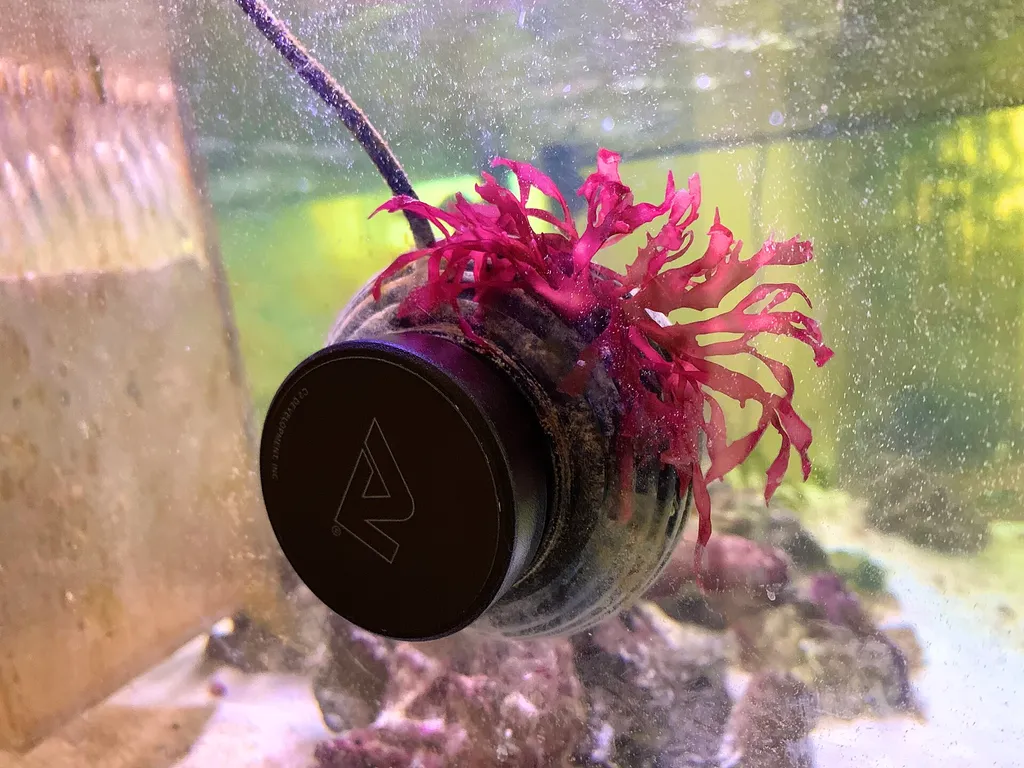 High lightMidground11.8 in (30 cm)
Dragon's Breath
Halymenia durvillei
High light · Midground
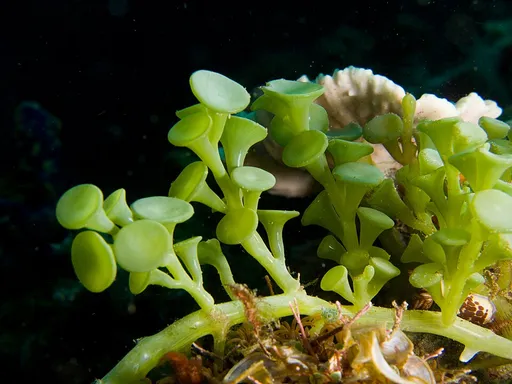 Medium lightBackground4.7 in (12 cm)
Grape Caulerpa
Caulerpa racemosa
Medium light · Background
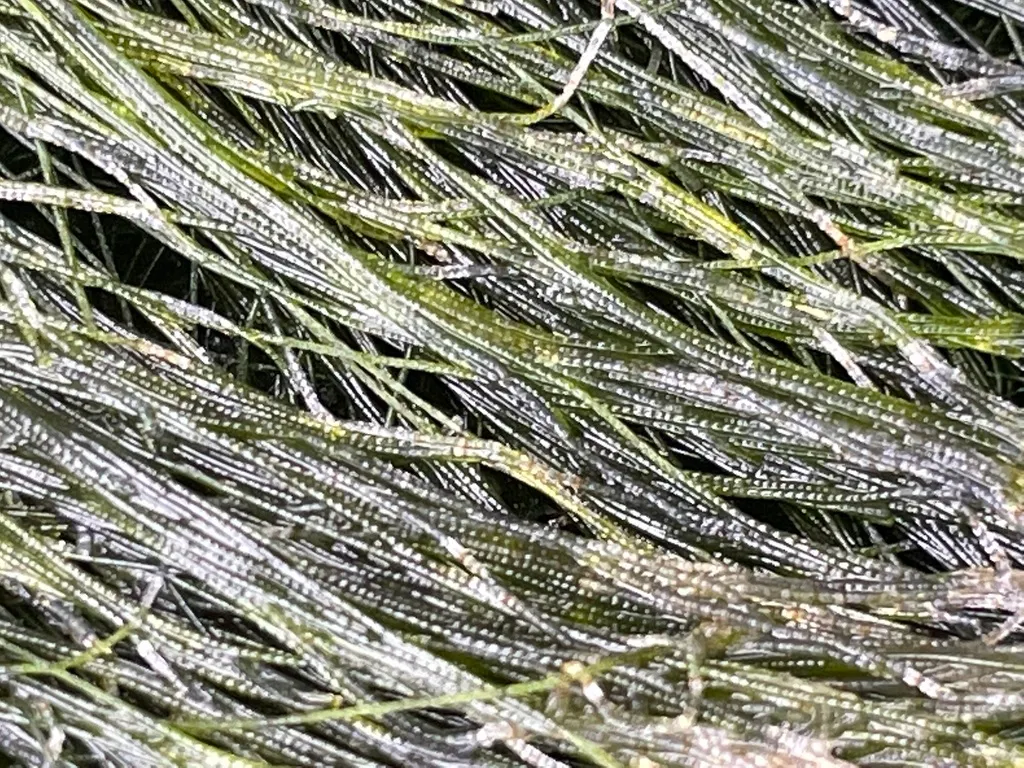 Medium lightFloating7.9 in (20 cm)
Chaetomorpha
Chaetomorpha linum
Medium light · Floating