Caulerpa
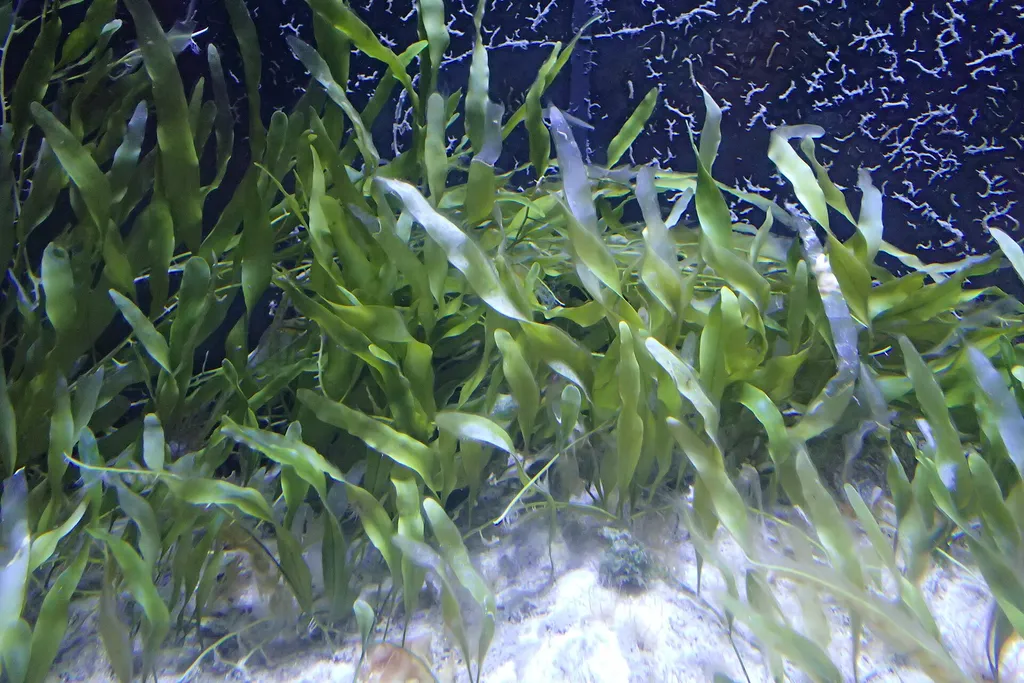
Caulerpa prolifera
Also known as Feather Caulerpa, Leafy Caulerpa, Caulerpa Algae
SaltwaterMacroalgaeCuttings
Invasive. Caulerpa prolifera is an aggressive invader outside its native range. It was first found on the US West Coast in Newport Bay, California in 2021, where even small fragments establish and displace native seagrass. Never release it or dump tank water into any waterway. Related Caulerpa taxifolia is outright prohibited in several regions.
Care at a glance
- Light
- Medium light
- CO2
- No CO₂ needed
- Temperature
- 73–81°F
- 23–27°C
- Max height
- 5.9 in
- 15 cm
- Growth rate
- Fast
- Placement
- Background
- Type
- Macroalgae
- pH
- 8.0–8.4
- Spread
- 15.7 in (40 cm)
- Nutrient uptake
- Water column
- Growth region
- Submersed
- Difficulty
- Easy
- Family
- Caulerpaceae
- Origin
- Warm coastal waters worldwide, including the Mediterranean, Caribbean, and tropical Atlantic
Overview
Keepers use Caulerpa prolifera mainly as a refugium workhorse for nutrient export, where its fast growth strips nitrate and phosphate that would otherwise feed nuisance algae. It wants medium lighting and moderate flow, and it will not stop growing if fed, so trim and remove excess regularly to actually export the captured nutrients. The real risk is going sexual: a stressed patch or a sharp nutrient crash can trigger it to release its contents and crash overnight, clouding the water and dumping nutrients back in, so many people run the refugium light 24 hours a day and avoid letting nitrate and phosphate hit zero. It roots into sand, so it suits a display or refugium with a substrate rather than a bare glass sump.
In the wild
A green macroalga of shallow tropical and subtropical seas, rooting into sand and mud flats and seagrass beds with a creeping horizontal stolon that sends up flat, blade-like fronds. It thrives across the Mediterranean, Caribbean, and warm Atlantic where nutrient-rich, brightly lit shallows let it form dense low meadows.
Good to know
Caulerpa prolifera is coenocytic: the entire plant is effectively one giant multinucleate cell with no internal cross-walls, so cytoplasm streams freely through the stolon, upright fronds, and rhizoids. It anchors with rhizoids rather than true roots and feeds almost entirely from the water column, making it a strong nitrate and phosphate exporter. Like other Caulerpa it can undergo holocarpic sexual reproduction, converting nearly its whole body into gametes at once and then dying back.
Did you know
Because Caulerpa prolifera is one single cell, you can slice a frond off and it seals the wound and regrows, which is exactly why a stray fragment can seed a whole invasion in the wild.
Related plants
 Medium lightBackground4.7 in (12 cm)
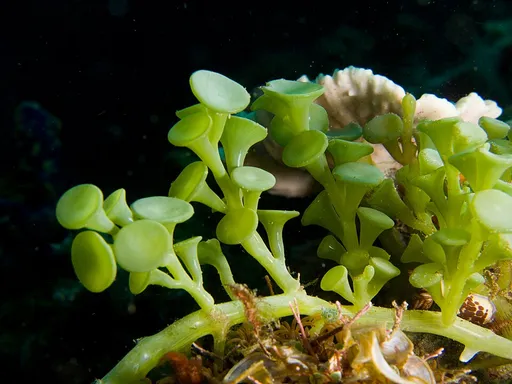
Grape Caulerpa
Caulerpa racemosa
Medium light · Background
 Medium lightBackground3.9 in (10 cm)
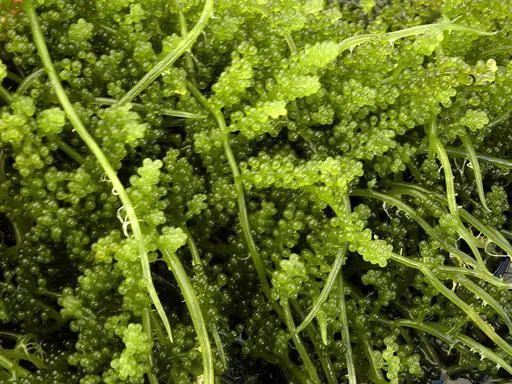
Sea grapes
Caulerpa lentillifera
Medium light · Background
 Medium lightBackground7.9 in (20 cm)
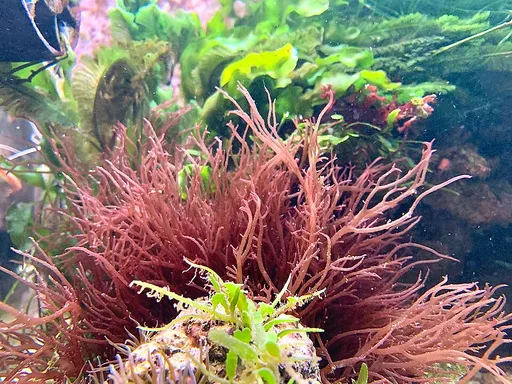
Red Gracilaria
Gracilaria parvispora
Medium light · Background
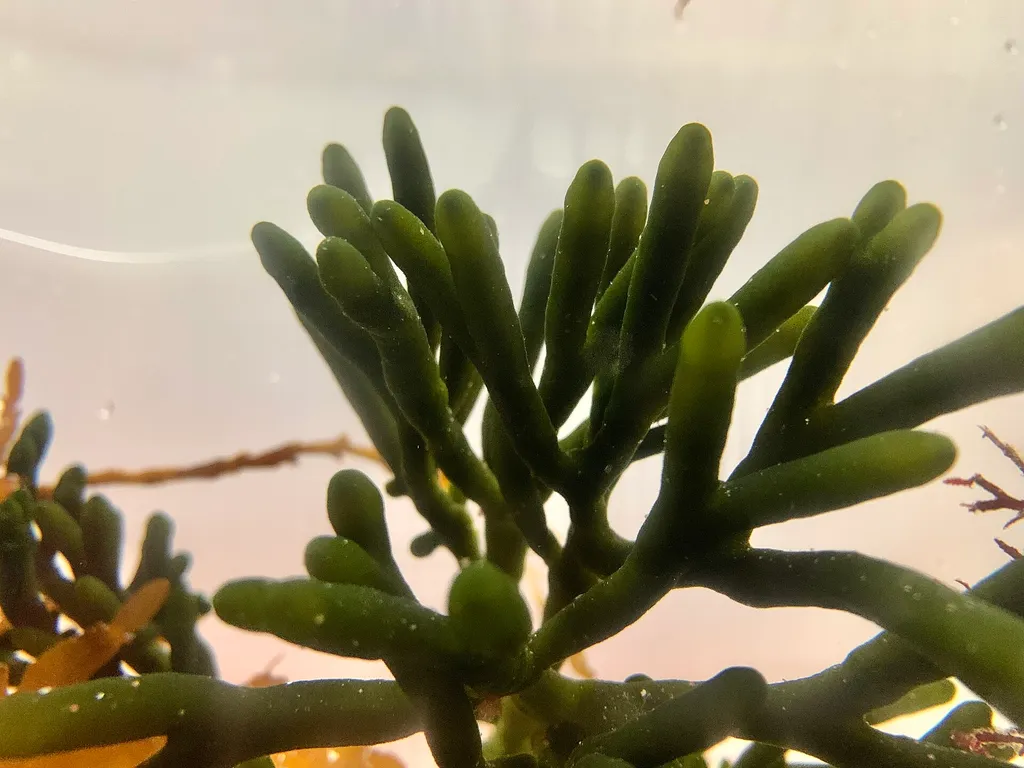 Medium lightBackground9.8 in (25 cm)
Dead Man's Fingers
Codium fragile
Medium light · Background
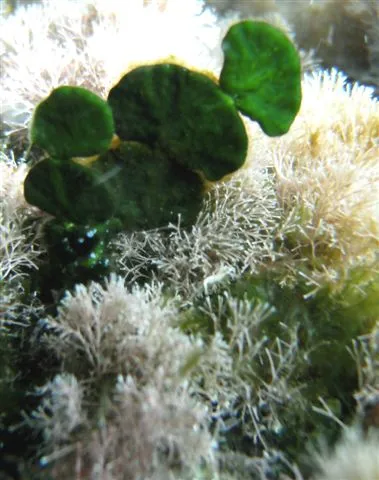 Medium lightMidground5.9 in (15 cm)
Money Plant
Halimeda
Medium light · Midground
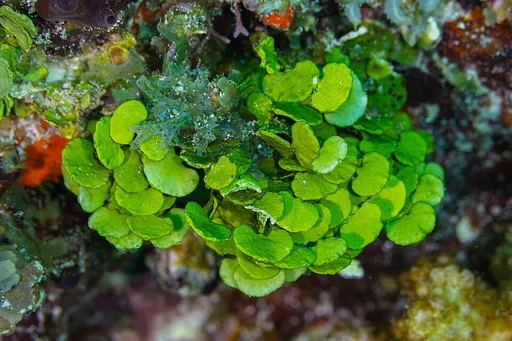 Medium lightMidground5.9 in (15 cm)
Watercress algae
Halimeda tuna
Medium light · Midground