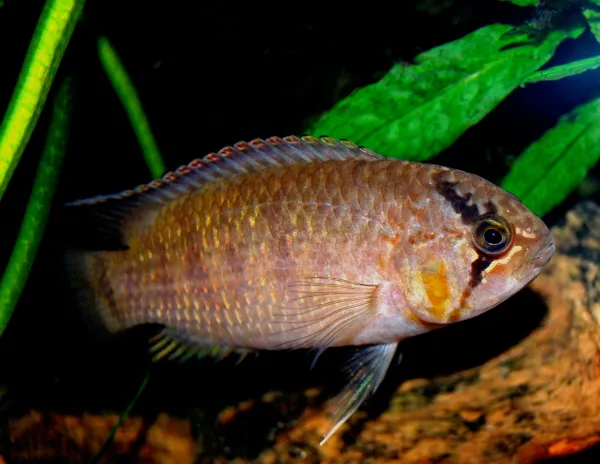
Zebra acara
Ivanacara adoketa
Also known as Nannacara adoketa
FreshwaterFish
Care at a glance
- Temperature
- 72–82°F
- 22–28°C
- pH
- 5.0–6.5
- Adult size
- 4.7 in
- 12 cm
- Minimum tank
- 25 gal
- 95 L
- Temperament
- Mostly peaceful
- Social behavior
- Solitary
- Own kind
- One male per tank
- Tankmates
- With caution
- Swim level
- Middle
- Difficulty
- Easy
- Breeding
- Hard
- Rarity
- Rare
- Family
- Cichlidae
- Origin
- Brazil
Overview
This is a fairly peaceful cichlid that prefers to be kept singly or as a bonded pair rather than in a group. It stays low in the tank, near the bottom and among roots and leaves. It eats small invertebrates and some plant matter in the wild and takes pellets plus live or frozen foods in the aquarium. Give it caves and cover, and watch for territorial behavior around spawning time.
In the wild
The zebra acara lives in the Rio Negro basin in Brazil, in slow, tea-colored blackwater with heavy shade, leaf litter, and submerged roots. The water there is soft and acidic, so keep the pH low, around 5 to 6.5, and the temperature in the low to high 20s C. Tannin-stained water from leaves or wood, dim light, and lots of cover will keep it comfortable and bring out its color.
Good to know
It is a dwarf cichlid in the family Cichlidae, reaching about 12 cm. It forms pairs and is a substrate spawner, laying eggs on a hidden surface with both parents tending the brood. Coloration is variable, and males are the larger, more marked sex. Wild populations are currently stable.
Did you know
It can shift its pattern fast, going from soft barring to bold black-and-white stripes depending on mood, which is where the zebra name comes from.
Common questions
What size tank does a Zebra acara need?
A Zebra acara needs at least 25 gal (95 L). It spends most of its time in the middle.
What temperature and pH does a Zebra acara need?
A Zebra acara is comfortable at 72–82°F (22–28°C) with a pH of 5.0–6.5.
How big does a Zebra acara get?
An adult Zebra acara reaches about 4.7 in (12 cm).
Related species
 4.7 in (12 cm)66 gal (250 L)75–82°F (24–28°C)
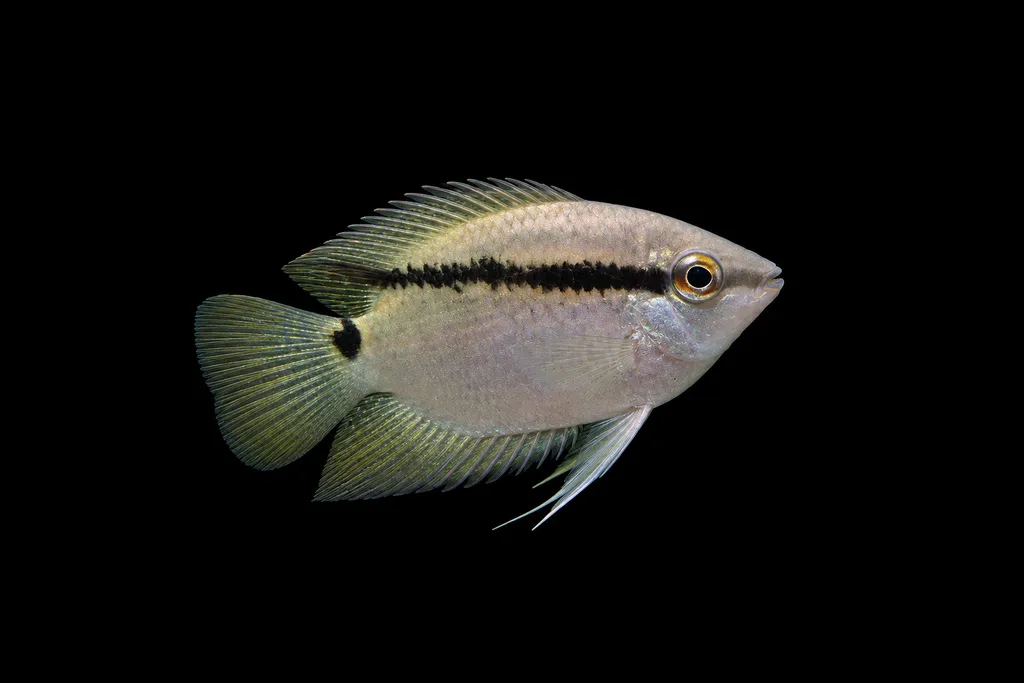
Acora festivum
Mesonauta acora
4.7 in (12 cm) · 66 gal (250 L)
 4.7 in (12 cm)34 gal (130 L)68–82°F (20–28°C)
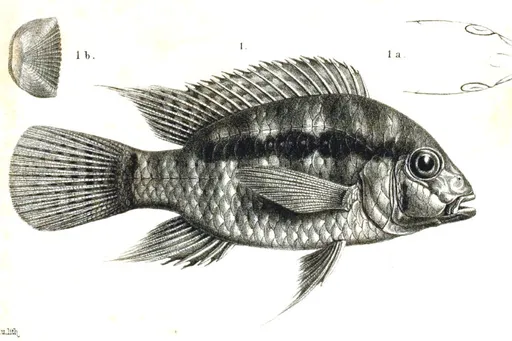
Banded acara
Bujurquina vittata
4.7 in (12 cm) · 34 gal (130 L)
 4.7 in (12 cm)25 gal (95 L)75–82°F (24–28°C)
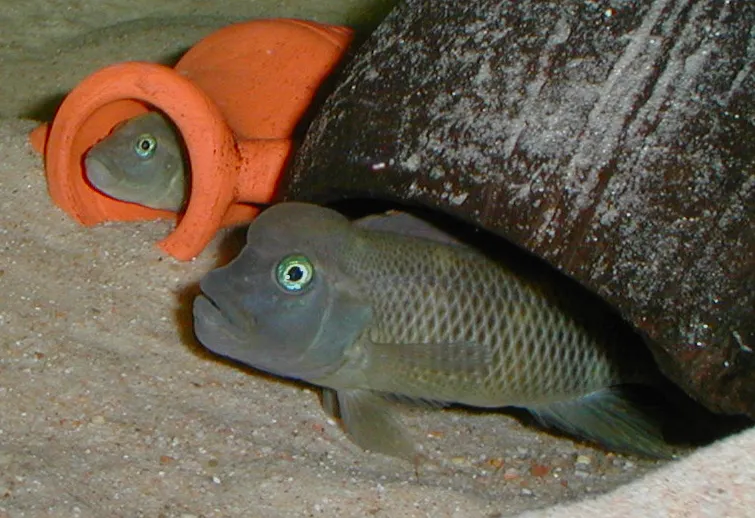
Blockhead cichlid
Steatocranus casuarius
4.7 in (12 cm) · 25 gal (95 L)
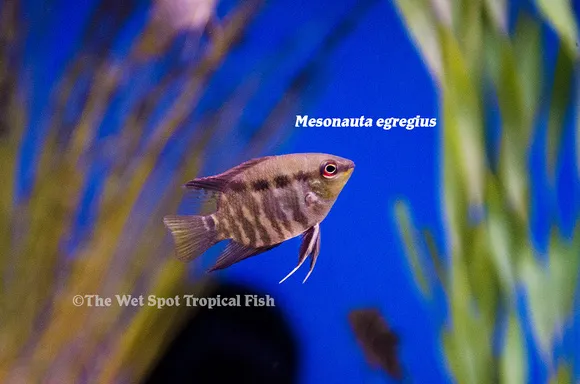 4.7 in (12 cm)66 gal (250 L)75–82°F (24–28°C)
Colombian festivum
Mesonauta egregius
4.7 in (12 cm) · 66 gal (250 L)
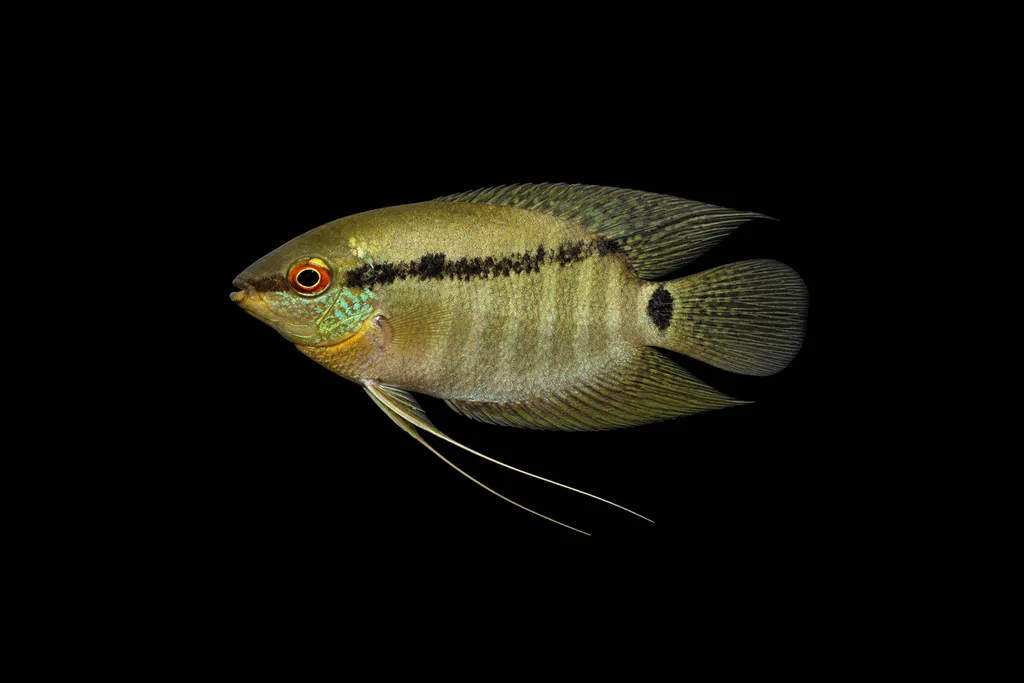 4.7 in (12 cm)66 gal (250 L)75–82°F (24–28°C)
Peruvian festivum
Mesonauta mirificus
4.7 in (12 cm) · 66 gal (250 L)
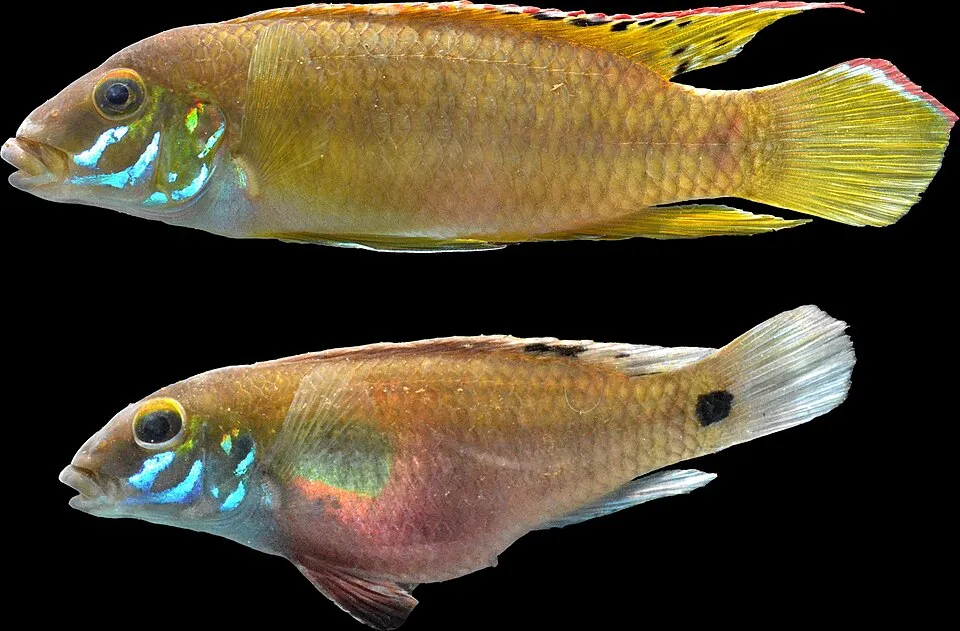 4.9 in (12.5 cm)30 gal (115 L)75–81°F (24–27°C)
Yellow kribensis
Wallaceochromis humilis
4.9 in (12.5 cm) · 30 gal (115 L)