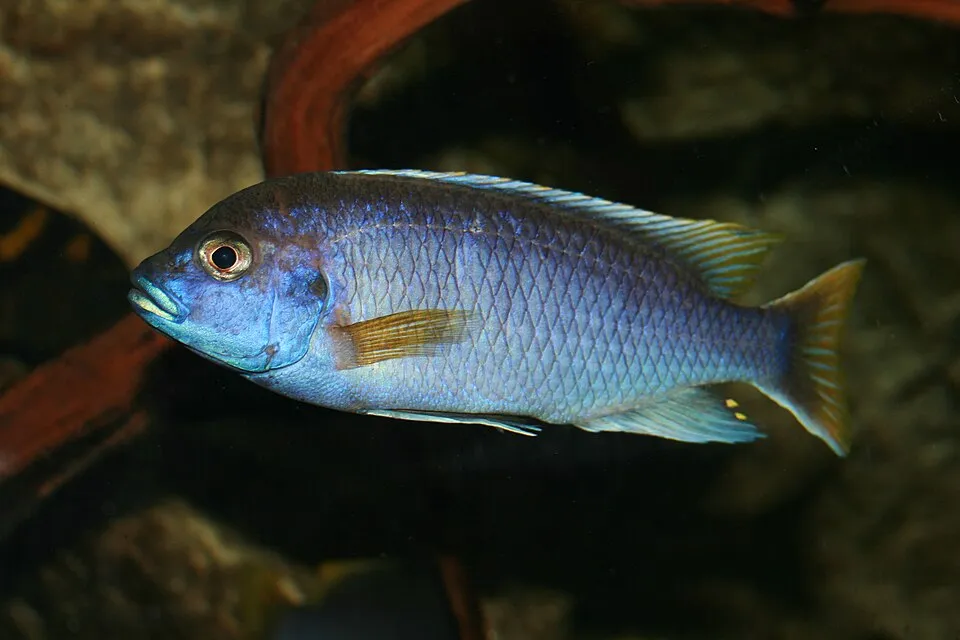
Yellow-tail acei
Pseudotropheus acei
FreshwaterFish
Care at a glance
- Temperature
- 75–82°F
- 24–28°C
- pH
- 7.5–8.5
- Adult size
- 4.7 in
- 12 cm
- Minimum tank
- 42 gal
- 160 L
- Temperament
- Mostly peaceful
- Social behavior
- Social
- Swim level
- Middle
- Difficulty
- Medium
- Breeding
- Hard
- Rarity
- Rare
- Family
- Cichlidae
- Origin
- Lake Malawi
Overview
Acei are active, mostly peaceful for an mbuna, and best kept in a group rather than alone. They spend most of their time in the middle of the tank, cruising around. Feed a mostly vegetable diet of spirulina, algae-based pellets, and greens, since too much protein causes digestive trouble. They can still get territorial, so house them with other even-tempered Malawi cichlids and keep numbers up to spread aggression.
In the wild
This is a Lake Malawi mbuna from the shallow rocky shoreline, often hanging around sunken logs and branches over a sand and rock bottom. To match that at home, give it hard, alkaline water in the high 7s to mid 8s pH and a temperature in the mid to high 20s C. A 160 liter tank or larger with rock piles and open swimming space suits it well.
Good to know
It belongs to the cichlid family (Cichlidae) and reaches about 12 cm as an adult. Unusually for an mbuna, it grazes biofilm and algae off wood as well as rock. It is a mouthbrooder, with the female holding the eggs and fry in her mouth. Captive breeding is tricky, but it is not considered threatened in the wild.
Did you know
The most common form has a blue-purple body with a bright yellow tail, but there are also white-tail and yellow-tail variants traded under the same name depending on the collection point along the lake.
Weekly picks
Tank mates
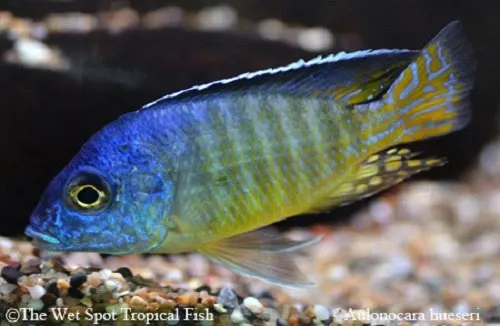
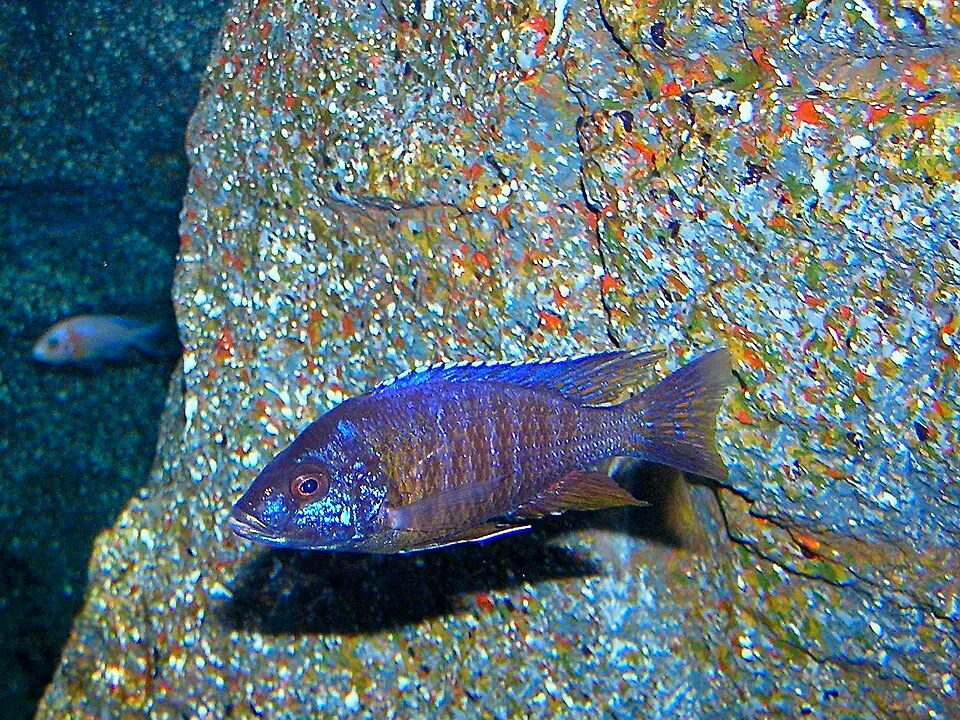
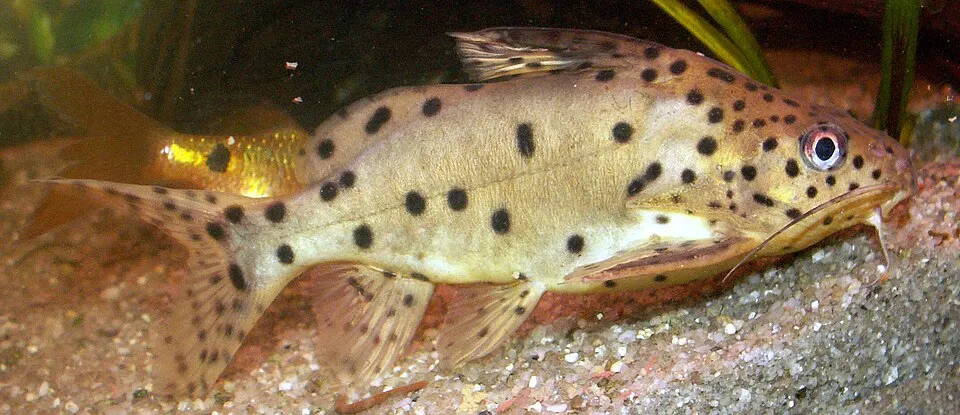
Yellow-tail acei is a mostly peaceful, social species that keeps to the middle. These picks share a community profile with it, are safe together in both directions, and overlap on water type, temperature and pH.
Common questions
What size tank does a Yellow-tail acei need?
A Yellow-tail acei needs at least 42 gal (160 L). It spends most of its time in the middle.
What temperature and pH does a Yellow-tail acei need?
A Yellow-tail acei is comfortable at 75–82°F (24–28°C) with a pH of 7.5–8.5.
How big does a Yellow-tail acei get?
An adult Yellow-tail acei reaches about 4.7 in (12 cm).
Related species
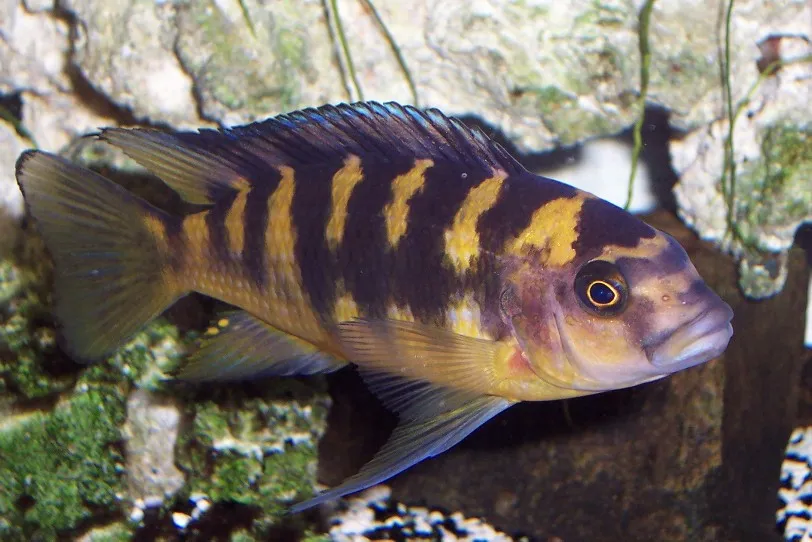 5.9 in (15 cm)53 gal (200 L)75–82°F (24–28°C)
Bumblebee cichlid
Pseudotropheus crabro
5.9 in (15 cm) · 53 gal (200 L)
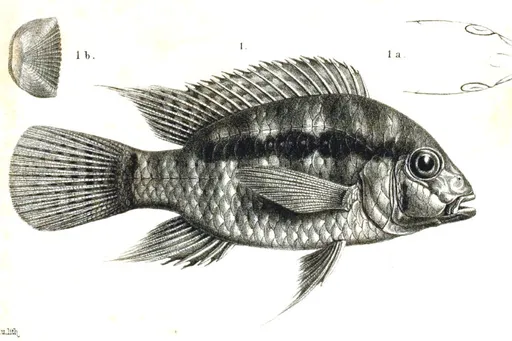 4.7 in (12 cm)34 gal (130 L)68–82°F (20–28°C)
Banded acara
Bujurquina vittata
4.7 in (12 cm) · 34 gal (130 L)
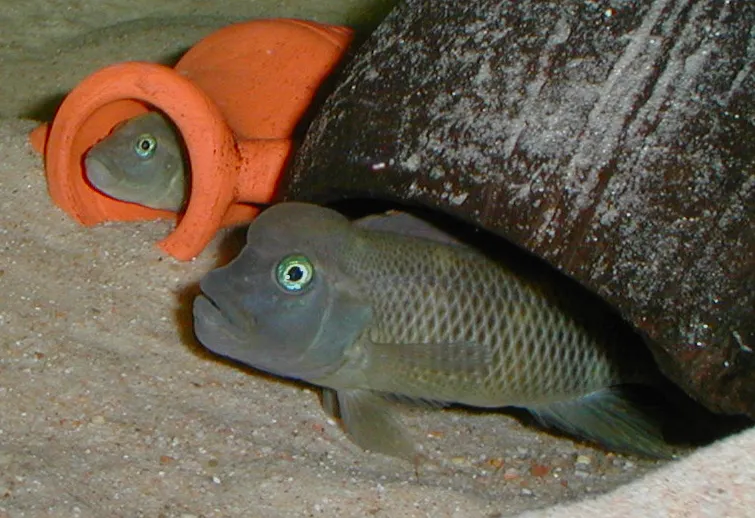 4.7 in (12 cm)25 gal (95 L)75–82°F (24–28°C)
Blockhead cichlid
Steatocranus casuarius
4.7 in (12 cm) · 25 gal (95 L)
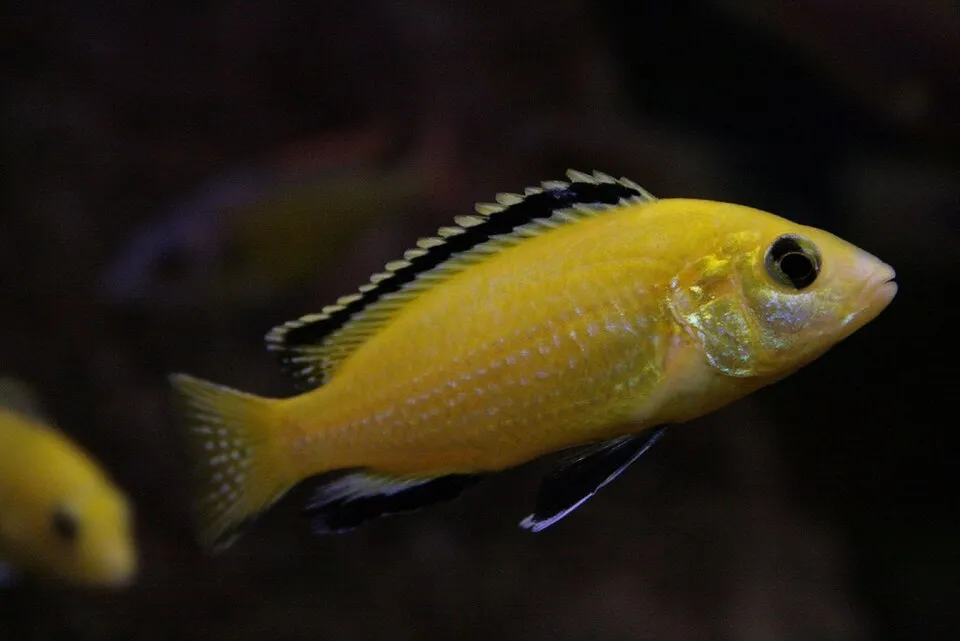 4.7 in (12 cm)42 gal (160 L)75–82°F (24–28°C)
Electric yellow cichlid
Labidochromis caeruleus
4.7 in (12 cm) · 42 gal (160 L)
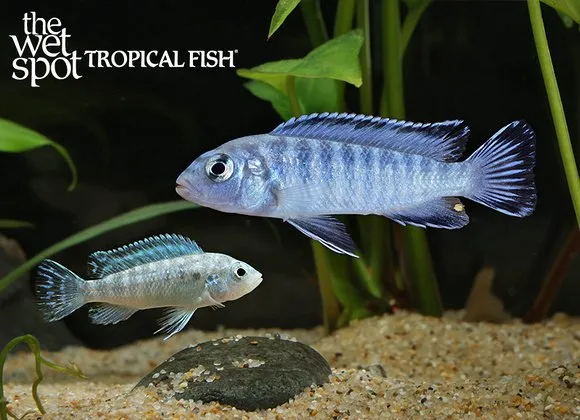 4.7 in (12 cm)53 gal (200 L)75–81°F (24–27°C)
Powder blue cichlid
Chindongo socolofi
4.7 in (12 cm) · 53 gal (200 L)
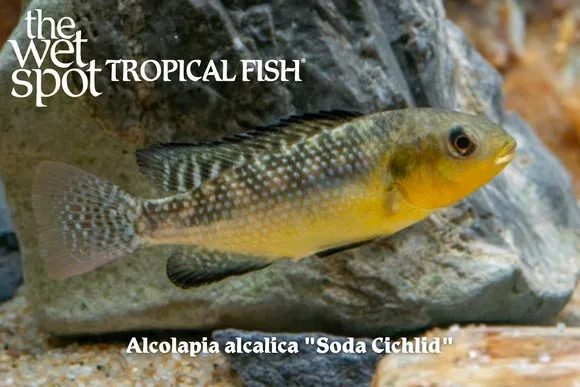 4.7 in (12 cm)53 gal (200 L)79–95°F (26–35°C)
Soda cichlid
Oreochromis alcalicus
4.7 in (12 cm) · 53 gal (200 L)