Walking catfish
Clarias batrachus
FreshwaterFish
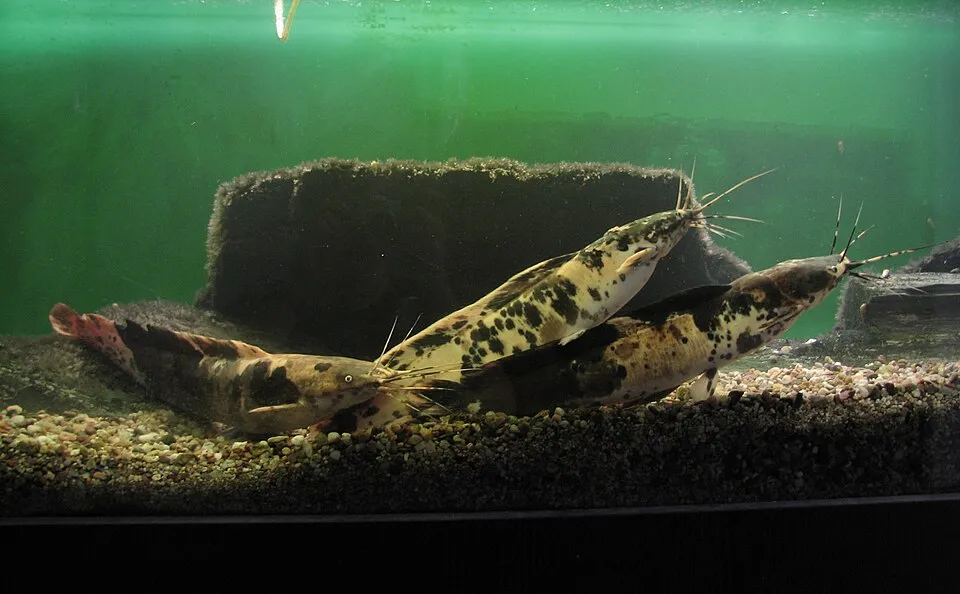
Care at a glance
- Temperature
- 68–79°F
- 20–26°C
- pH
- 6.5–8.0
- Adult size
- 23.6 in
- 60 cm
- Minimum tank
- 600 gal
- 2,270 L
- Temperament
- Mostly peaceful
- Social behavior
- Social
- Tankmates
- With caution
- Swim level
- Bottom
- Difficulty
- Medium
- Breeding
- No record
- Rarity
- Very rare
- Family
- Clariidae
- Origin
- Southeast Asia
Overview
The walking catfish is a big, hardy, air-breathing fish that is calm with large tankmates but highly predatory toward anything it can swallow, so keep it only with sizeable, robust companions. It can be kept alone or with its own kind given plenty of room. Its most important need is security, because it breathes air, is a powerful escape artist, and can wriggle out of an open tank and even move across the floor, so a tight, weighted lid is essential. Feed meaty sinking foods such as pellets, prawn, mussel, fish, and earthworms, and avoid overfeeding this greedy fish. It grows large and needs a very big tank of around 2270 liters or larger.
In the wild
The walking catfish is native to Southeast Asia, where it lives in still and slow-moving shallow water such as swamps, ditches, ponds, and rice paddies, often in warm, muddy, low-oxygen conditions. Keep it from around 20 to 26 C with a pH between 6.5 and 8, and it tolerates a wide range of water. A large tank with a soft substrate, strong filtration, and hiding places suits it. Leave an air gap at the surface so it can breathe, and cover the tank securely, since it readily climbs and escapes.
Good to know
The walking catfish belongs to Clariidae, the airbreathing catfishes, and is a large, elongate fish that commonly reaches 30 to 50 cm. Behind its gills sit tree-shaped accessory breathing organs that let it take oxygen straight from the air, so it can survive out of water and travel overland using stiff pectoral spines and side-to-side wriggling. It breeds readily in the wild, guarding eggs in a nest, and has become a damaging invasive species where released. The common aquarium form is an albino.
Did you know
The walking catfish can breathe air and haul itself across land on its pectoral spines to reach new water, sometimes travelling well away from any pond. Released outside its range, it has become a serious invasive pest, notably in Florida.
Common questions
What size tank does a Walking catfish need?
A Walking catfish needs at least 600 gal (2,270 L). It spends most of its time in the bottom.
What temperature and pH does a Walking catfish need?
A Walking catfish is comfortable at 68–79°F (20–26°C) with a pH of 6.5–8.0.
How big does a Walking catfish get?
An adult Walking catfish reaches about 23.6 in (60 cm).
Related species
 13 in (33 cm)53 gal (200 L)72–82°F (22–28°C)
African eel catfish
Channallabes apus
13 in (33 cm) · 53 gal (200 L)
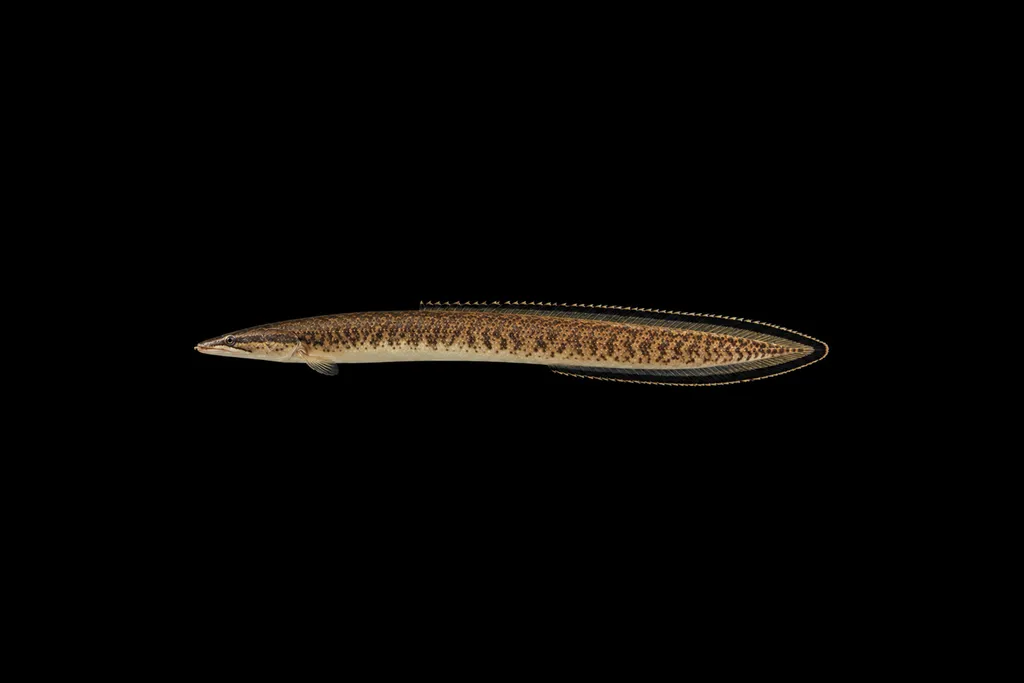 19.7 in (50 cm)106 gal (400 L)73–82°F (23–28°C)
Blackedge spiny eel
Mastacembelus nigromarginatus
19.7 in (50 cm) · 106 gal (400 L)
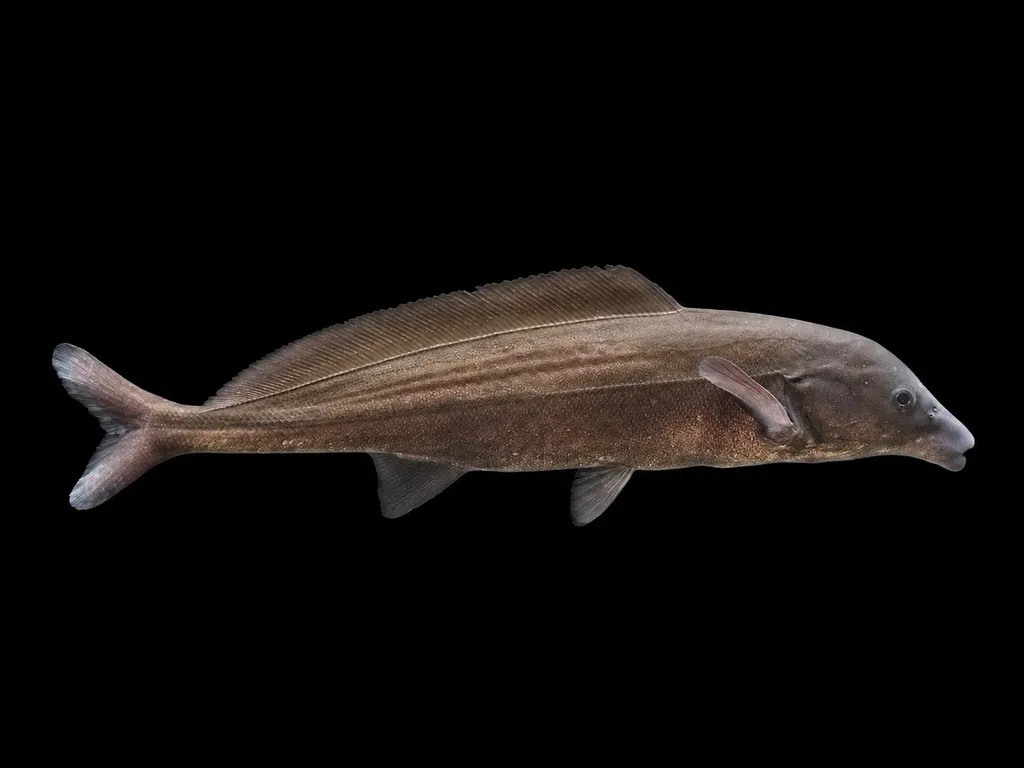 29.5 in (75 cm)185 gal (700 L)75–82°F (24–28°C)
Eastern bottlenose mormyrid
Mormyrus longirostris
29.5 in (75 cm) · 185 gal (700 L)
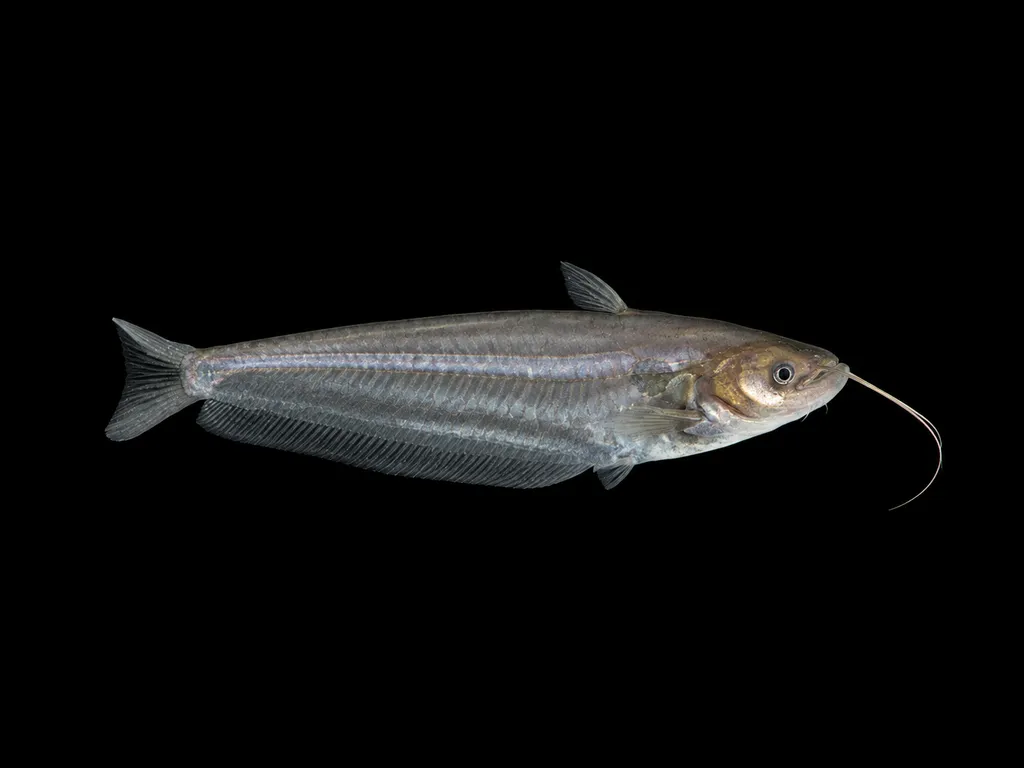 17.7 in (45 cm)53 gal (200 L)68–82°F (20–28°C)
Butter catfish
Ompok bimaculatus
17.7 in (45 cm) · 53 gal (200 L)
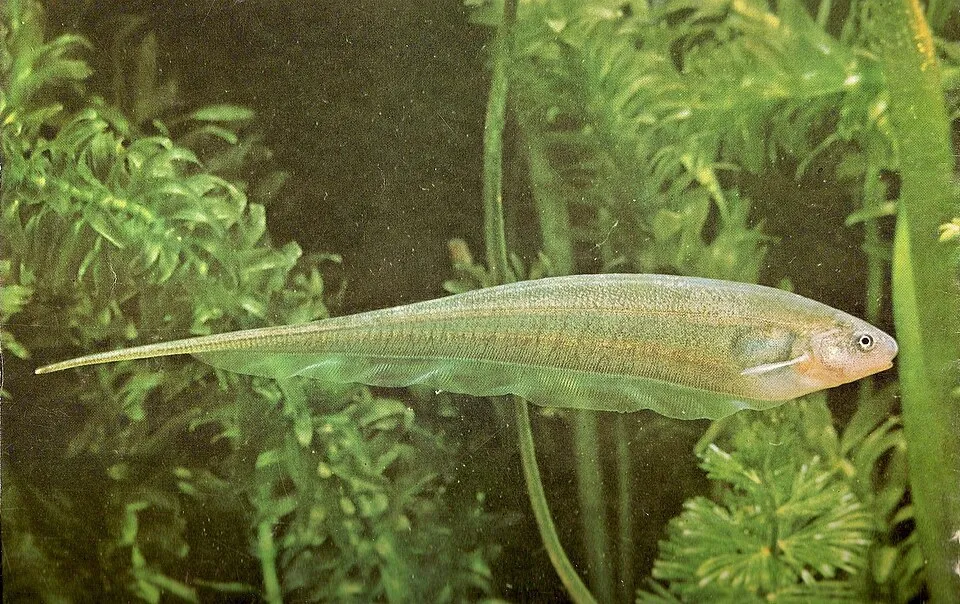 17.7 in (45 cm)85 gal (320 L)73–82°F (23–28°C)
Glass knifefish
Eigenmannia virescens
17.7 in (45 cm) · 85 gal (320 L)
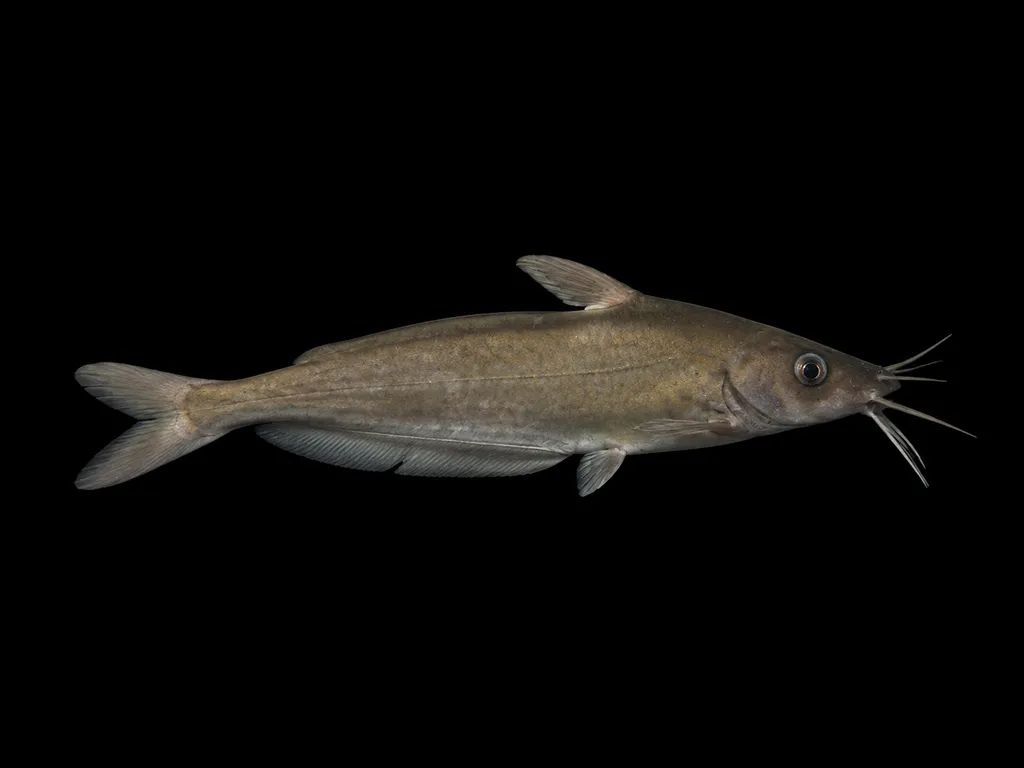 17.7 in (45 cm)119 gal (450 L)70–82°F (21–28°C)
Narrow-fronted tandan
Neosilurus ater
17.7 in (45 cm) · 119 gal (450 L)