Scrapermouth mbuna
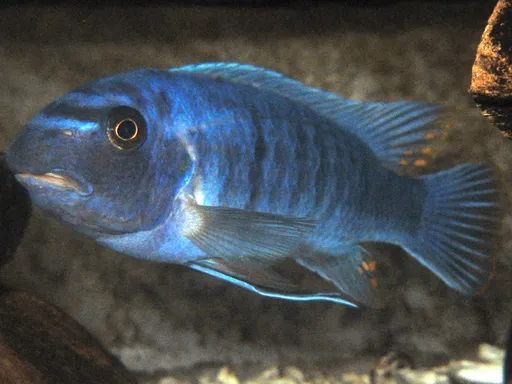
Labeotropheus trewavasae
Also known as Trewavas mbuna
FreshwaterFish
Care at a glance
- Temperature
- 75–81°F
- 24–27°C
- pH
- 7.6–8.6
- Adult size
- 4.7 in
- 12 cm
- Minimum tank
- 53 gal
- 200 L
- Temperament
- Aggressive
- Social behavior
- Social
- Own kind
- One male per tank
- Tankmates
- With caution
- Swim level
- Bottom
- Difficulty
- Medium
- Breeding
- Medium
- Rarity
- Common
- Family
- Cichlidae
- Origin
- Lake Malawi (endemic, rocky shores)
Overview
This is an aggressive, territorial fish, so keep a harem of one male to four or more females in an overstocked mbuna community, not in a peaceful tank. Give them a tank of at least 200 liters with hard, alkaline water, a pH from 7.6 to 8.6, and a temperature of 24 to 27 C. They spend their time near the bottom, working the rocks and defending patches of territory. They are scraping algae grazers, so feed a spirulina-based diet and stay away from high-protein foods that cause bloat. Stock heavily and watch for the male singling out one female, since spreading the aggression across the group is what keeps the peace.
In the wild
Scrapermouth mbuna are endemic to Lake Malawi, where they live along the rocky shores and graze algae off the stone. The lake is hard, alkaline, and stable, so you need to recreate that in the tank. Use a buffering substrate like aragonite or crushed coral to hold the water hard and high, run a pH between 7.6 and 8.6, and keep the temperature from 24 to 27 C. Pile in plenty of rockwork and caves so the fish can claim territories and break up sight lines.
Good to know
This is a Lake Malawi cichlid in the family Cichlidae, growing to about 12 cm. It is a maternal mouthbrooder, so the female holds the fertilized eggs and fry in her mouth until they are free swimming. The species comes in many color morphs depending on the population. Most fish in the trade are tank bred.
Did you know
The name comes from the mouth itself. It sits low and faces down with a hard, flattened lower lip the fish uses to scrape algae off rocks at a steep angle most cichlids cannot manage. That feeding setup is why a spirulina diet matters so much, since the gut is built to process algae, not meat.
Common questions
What size tank does a Scrapermouth mbuna need?
A Scrapermouth mbuna needs at least 53 gal (200 L). It spends most of its time in the bottom.
What temperature and pH does a Scrapermouth mbuna need?
A Scrapermouth mbuna is comfortable at 75–81°F (24–27°C) with a pH of 7.6–8.6.
How big does a Scrapermouth mbuna get?
An adult Scrapermouth mbuna reaches about 4.7 in (12 cm).
Related species
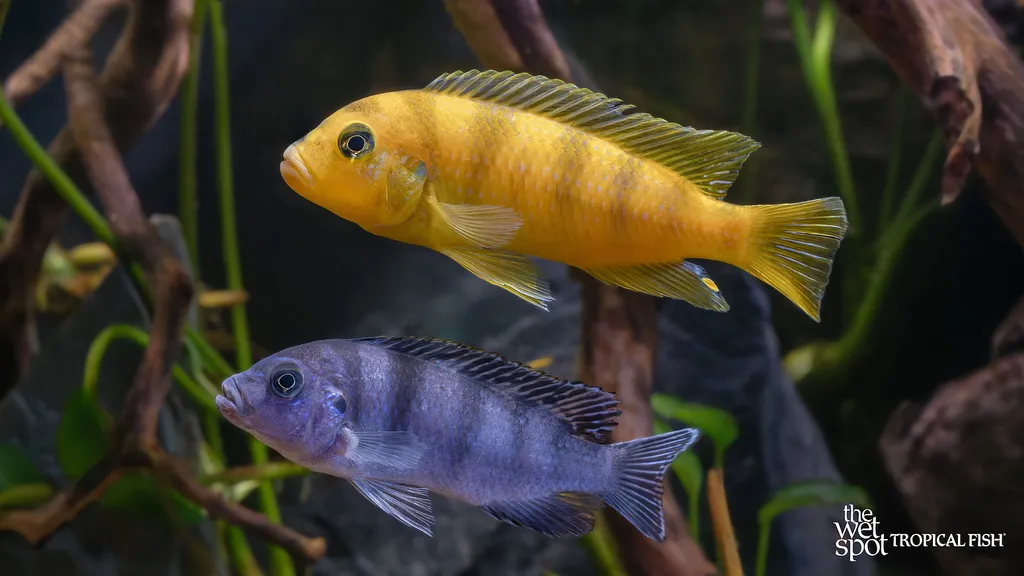 7.1 in (18 cm)46 gal (175 L)75–82°F (24–28°C)
Fuelleborn's cichlid
Labeotropheus fuelleborni
7.1 in (18 cm) · 46 gal (175 L)
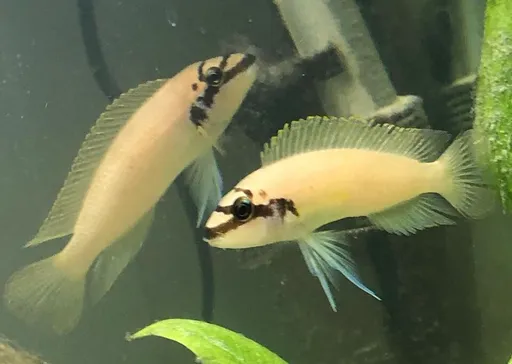 4.7 in (12 cm)53 gal (200 L)75–81°F (24–27°C)
Brichard's chalinochromis
Chalinochromis brichardi
4.7 in (12 cm) · 53 gal (200 L)
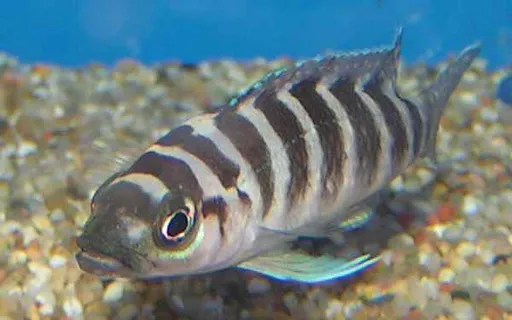 4.7 in (12 cm)29 gal (110 L)75–81°F (24–27°C)
Cylindricus cichlid
Neolamprologus cylindricus
4.7 in (12 cm) · 29 gal (110 L)
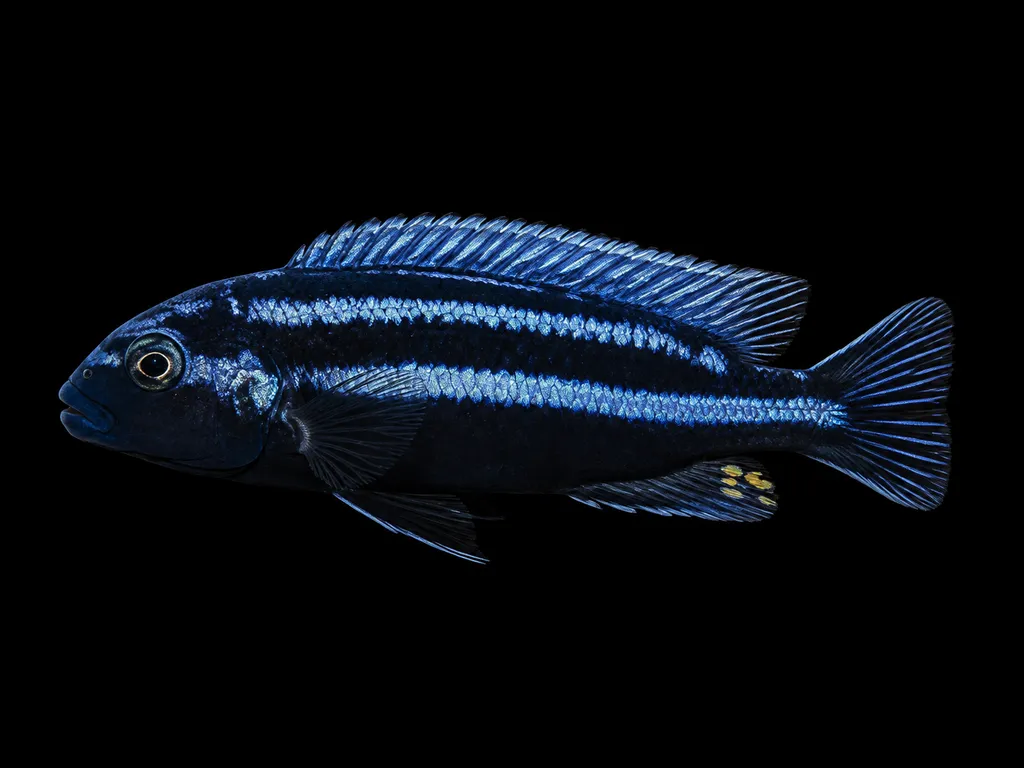 4.7 in (12 cm)66 gal (250 L)75–82°F (24–28°C)
Deepwater melanochromis
Melanochromis heterochromis
4.7 in (12 cm) · 66 gal (250 L)
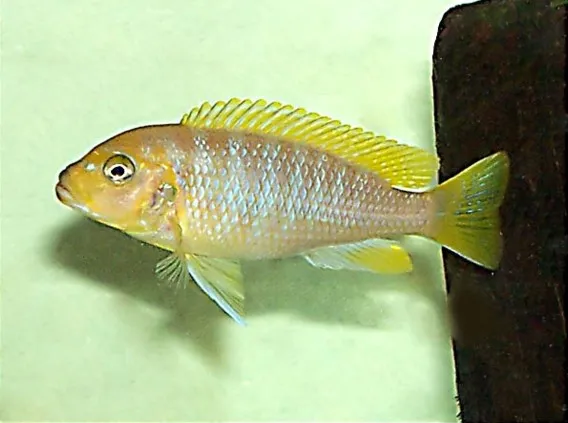 4.7 in (12 cm)66 gal (250 L)75–82°F (24–28°C)
Mayland's zebra
Maylandia hajomaylandi
4.7 in (12 cm) · 66 gal (250 L)
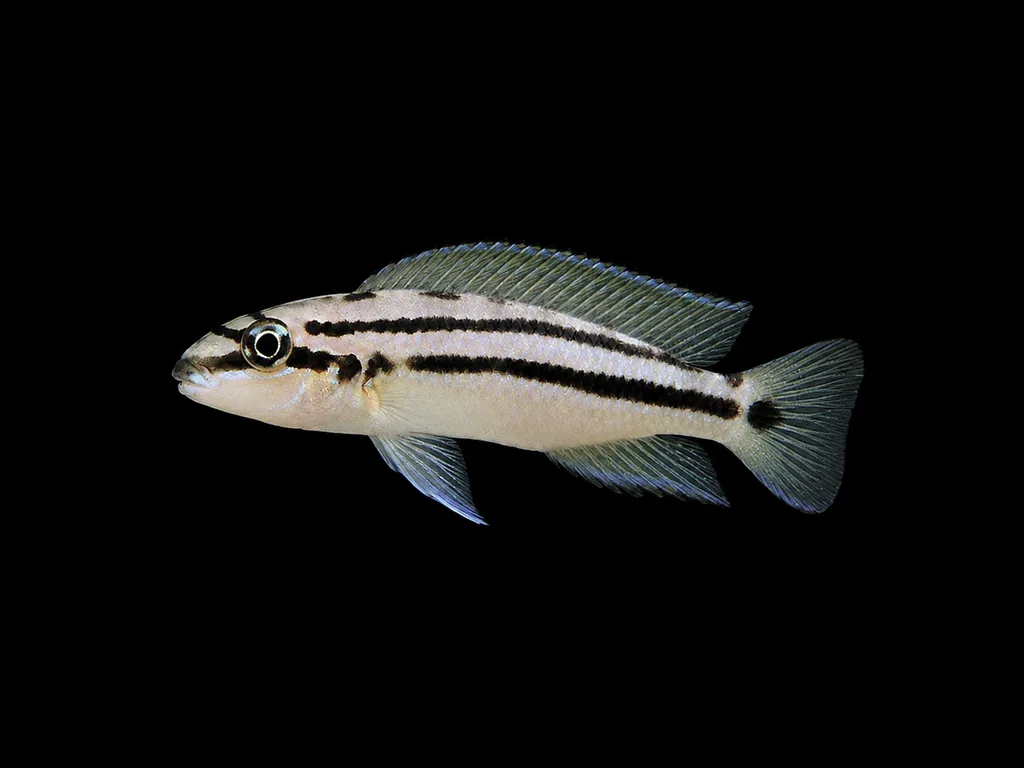 4.7 in (12 cm)53 gal (200 L)75–81°F (24–27°C)
Popelin's chalinochromis
Chalinochromis popelini
4.7 in (12 cm) · 53 gal (200 L)