Sand knifefish
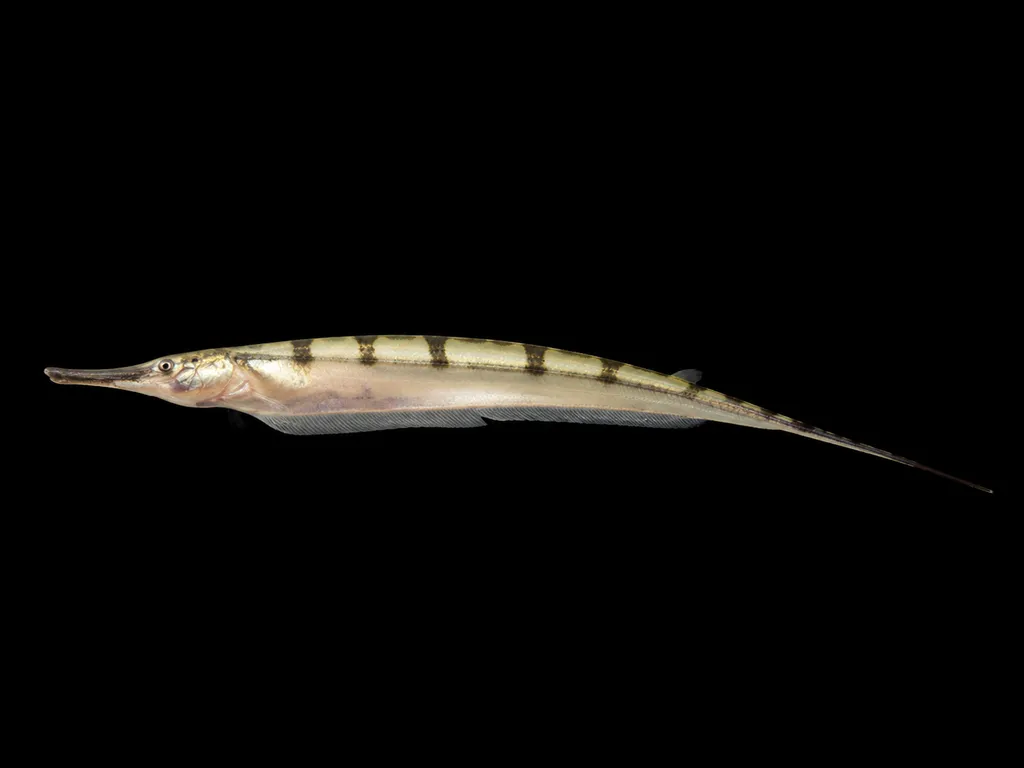
Gymnorhamphichthys rondoni
Also known as Rondon's sand knifefish, Mousetail knifefish, Thermometer knife
FreshwaterFish
Care at a glance
- Temperature
- 75–82°F
- 24–28°C
- pH
- 5.5–7.2
- Adult size
- 5.9 in
- 15 cm
- Minimum tank
- 53 gal
- 200 L
- Temperament
- Mostly peaceful
- Social behavior
- Solitary
- Tankmates
- With caution
- Swim level
- Bottom
- Diet
- Carnivore
- Difficulty
- Difficult
- Breeding
- No record
- Rarity
- Rare
- Family
- Rhamphichthyidae
- Origin
- Amazon and Orinoco sand beaches
Overview
The sand knifefish is a slender, shy knifefish for a dim tank with a deep sand bed. It is a fish for experienced keepers.
Did you know
The sand knifefish leads a double life tied to the clock. It stays buried out of sight in the riverbed sand all day, then rises at night to swim and hunt across that same sand.
Caring for the sand knifefish
The single most important thing for a sand knifefish is a deep layer of soft, fine sand with no sharp grains, kept clean. It needs a bed it can burrow into, in a tank of 53 gal (200 L) or more. Add dim light, gentle flow, calm surroundings and some wood or leaf litter for extra cover.
Keep the water at 75 to 82°F (24 to 28°C), soft and slightly acidic to neutral, at a pH of 5.5 to 7.2. Feed small meaty foods after dark, such as micro worms, frozen bloodworm and other fine sinking items. Drop the food where it forages.
The sand knifefish is mostly peaceful and can be kept singly or as a pair. It is shy and slow at feeding, so avoid boisterous tank mates that will strip the food before it surfaces. Small, very gentle fish are safest, and anything tiny enough to swallow is at risk. Breeding is not recorded in the aquarium.
Good to know
Gymnorhamphichthys rondoni is a small sand knifefish in the family Rhamphichthyidae, with a translucent, banded body and a long, slender snout. It is weakly electric, like the rest of its family, and uses that sense along with its snout to find food buried in sand. The banded pattern is the source of its nickname, thermometer knifefish. Fish in the trade are wild caught.
In the wild
The sand knifefish lives along the sandy beaches and bars of the Amazon and Orinoco. There the bottom is clean, fine sand it can burrow straight into.
Common questions
What size tank does a sand knifefish need?
A sand knifefish needs at least 53 gal (200 L). It spends most of its time in the bottom.
What temperature and pH does a sand knifefish need?
A sand knifefish is comfortable at 75–82°F (24–28°C) with a pH of 5.5–7.2.
What does a sand knifefish eat?
A sand knifefish eats small meaty foods such as micro worms, frozen bloodworm and other fine sinking items. Feed it after dark, dropping the food where it forages.
How big does a sand knifefish get?
An adult sand knifefish reaches about 5.9 in (15 cm).
Related species
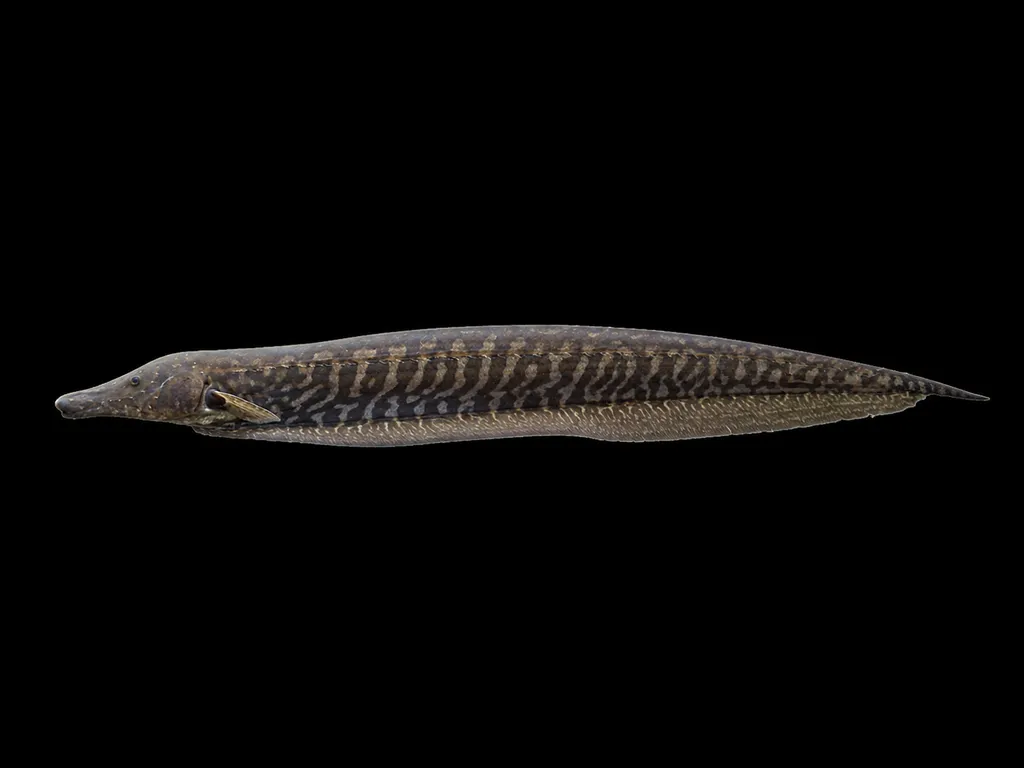 39.4 in (100 cm)238 gal (900 L)75–82°F (24–28°C)
Elephant knifefish
Rhamphichthys rostratus
39.4 in (100 cm) · 238 gal (900 L)
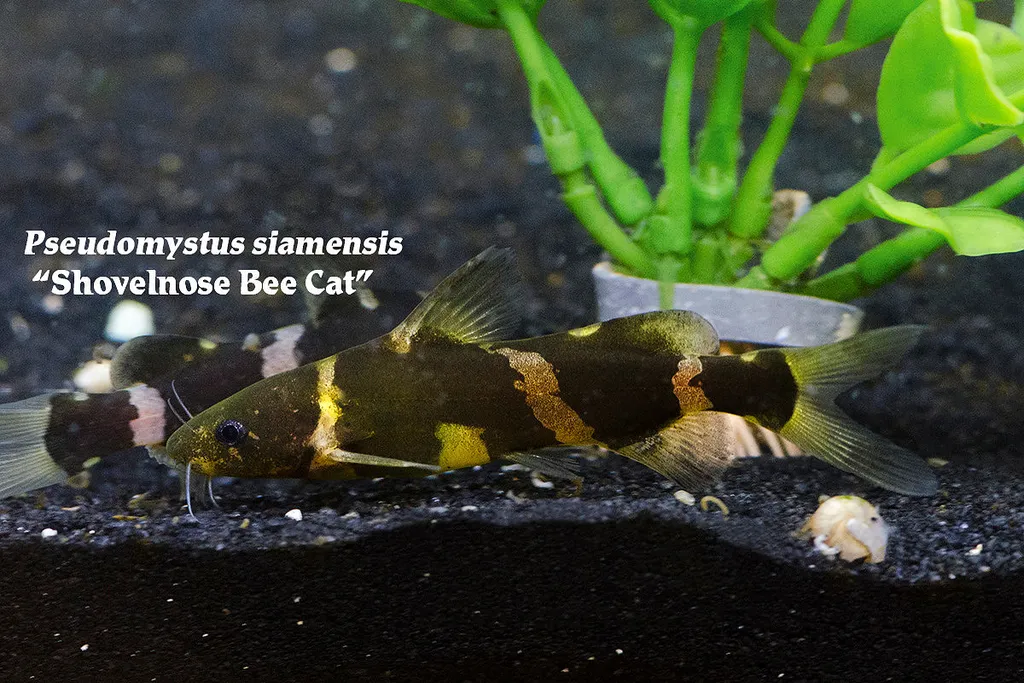 5.9 in (15 cm)30 gal (115 L)68–79°F (20–26°C)
Asian bumblebee catfish
Pseudomystus siamensis
5.9 in (15 cm) · 30 gal (115 L)
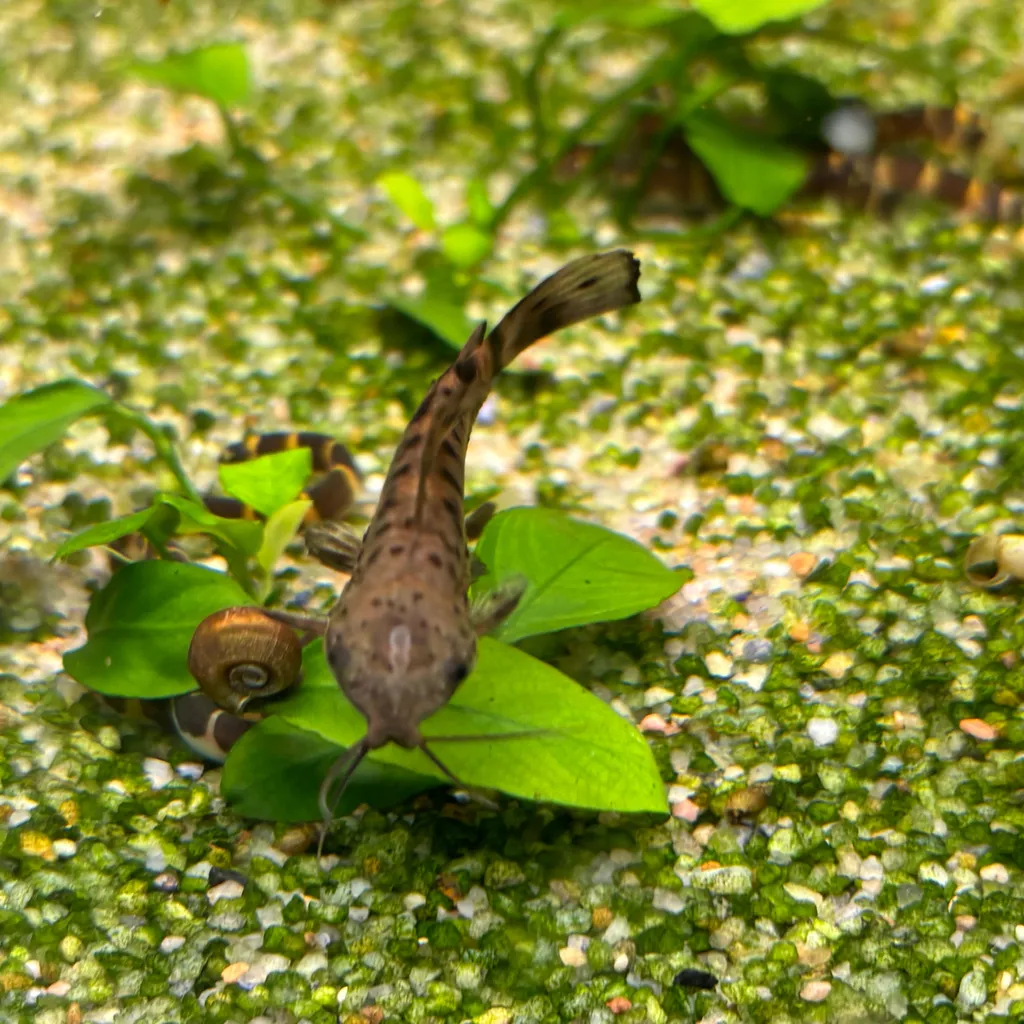 5.9 in (15 cm)53 gal (200 L)72–79°F (22–26°C)
Bar-tailed hoplo
Megalechis picta
5.9 in (15 cm) · 53 gal (200 L)
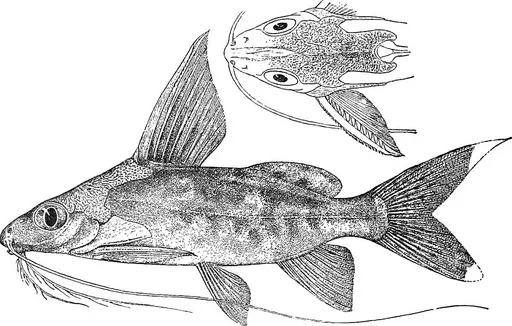 5.9 in (15 cm)21 gal (80 L)72–79°F (22–26°C)
Bigeye squeaker
Synodontis alberti
5.9 in (15 cm) · 21 gal (80 L)
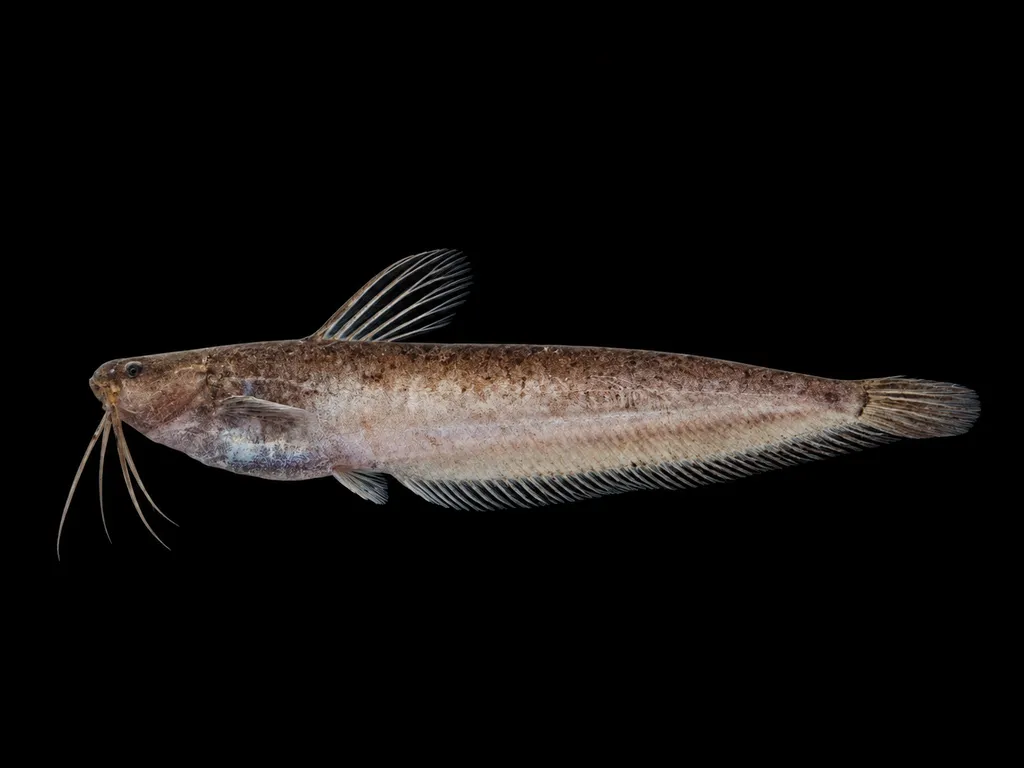 5.9 in (15 cm)29 gal (110 L)73–81°F (23–27°C)
Borneo featherfin catfish
Silurichthys phaiosoma
5.9 in (15 cm) · 29 gal (110 L)
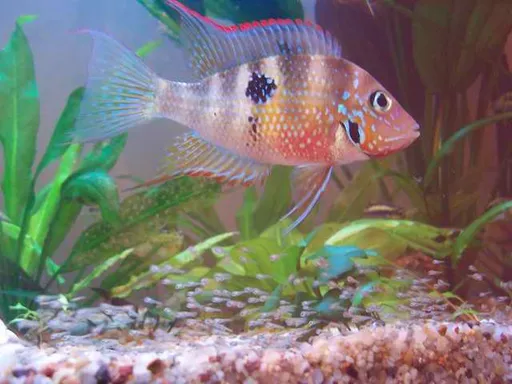 5.9 in (15 cm)53 gal (200 L)75–82°F (24–28°C)
Ellioti cichlid
Thorichthys maculipinnis
5.9 in (15 cm) · 53 gal (200 L)