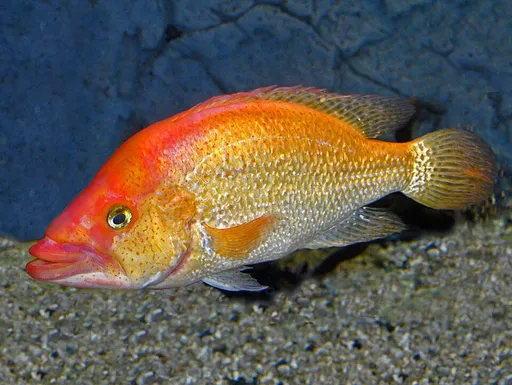
Bay snook
Petenia splendida
Also known as Red bay snook, Giant cichlid, Tenguayaca
FreshwaterFish
Care at a glance
- Temperature
- 77–86°F
- 25–30°C
- pH
- 7.0–8.0
- Adult size
- 19.7 in
- 50 cm
- Minimum tank
- 151 gal
- 570 L
- Temperament
- Mostly peaceful
- Social behavior
- Solitary
- Tankmates
- With caution
- Swim level
- Middle
- Difficulty
- Medium
- Breeding
- Medium
- Rarity
- Common
- Family
- Cichlidae
- Origin
- Atlantic slope from the Grijalva to the Usumacinta systems in Mexico, Guatemala, and Belize, in lakes and slow lower river reaches over soft bottoms.
Overview
A single adult needs a tank of at least 570 liters at 25 to 30 C and pH 7.0 to 8.0. Provide open swimming room with wood or rock cover. Feed meaty foods and quality pellets, and avoid live feeder fish. It is a predator that eats smaller fish, but it is comparatively shy and not a territorial brawler.
In the wild
The bay snook lives on the Atlantic slope from the Grijalva to the Usumacinta systems in Mexico, Guatemala, and Belize. It occupies lakes and slow lower river reaches over soft bottoms. This is a large ambush predator with a specialized feeding style. It needs a big tank with open water and cover to lurk in.
Good to know
Petenia splendida was described by Gunther in 1862 and is the only species in its genus. It reaches about 50 cm and has highly protrusible jaws that shoot forward to engulf prey. Color ranges from wild green and silver to a leucistic red form sold as the red bay snook.
Did you know
Its telescoping jaws can extend to more than a quarter of its body length, letting it snatch prey from open water.
Common questions
What size tank does a Bay snook need?
A Bay snook needs at least 151 gal (570 L). It spends most of its time in the middle.
What temperature and pH does a Bay snook need?
A Bay snook is comfortable at 77–86°F (25–30°C) with a pH of 7.0–8.0.
How big does a Bay snook get?
An adult Bay snook reaches about 19.7 in (50 cm).
Related species
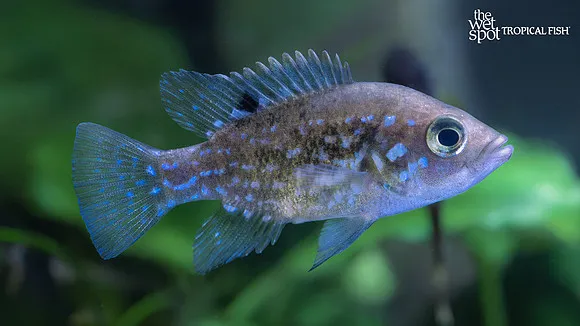 15.7 in (40 cm)119 gal (450 L)73–82°F (23–28°C)
Ngege tilapia
Oreochromis esculentus
15.7 in (40 cm) · 119 gal (450 L)
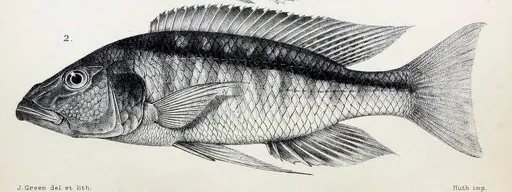 15.7 in (40 cm)125 gal (475 L)75–81°F (24–27°C)
Spilo
Champsochromis spilorhynchus
15.7 in (40 cm) · 125 gal (475 L)
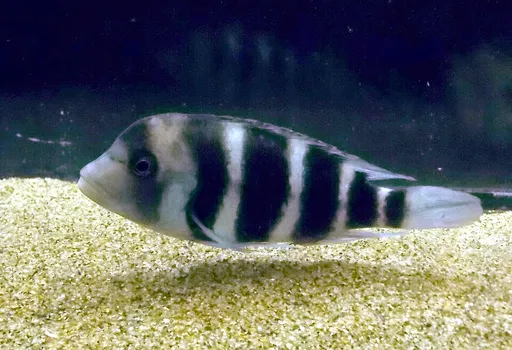 13.8 in (35 cm)119 gal (450 L)75–81°F (24–27°C)
Blue zaire frontosa
Cyphotilapia gibberosa
13.8 in (35 cm) · 119 gal (450 L)
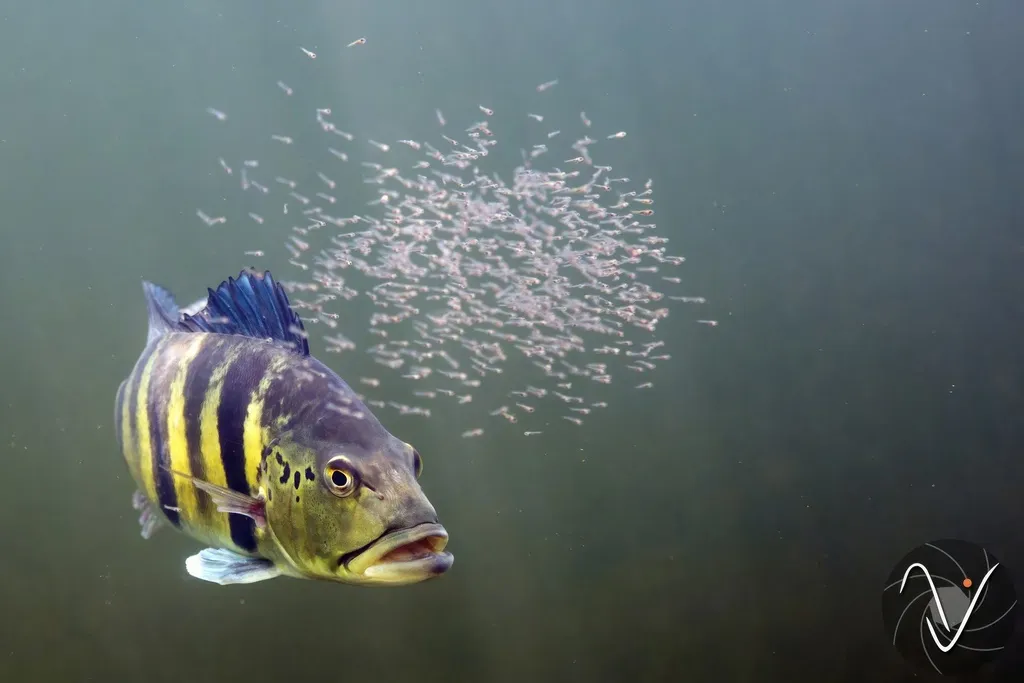 18.9 in (48 cm)396 gal (1,500 L)77–86°F (25–30°C)
Blue peacock bass
Cichla piquiti
18.9 in (48 cm) · 396 gal (1,500 L)
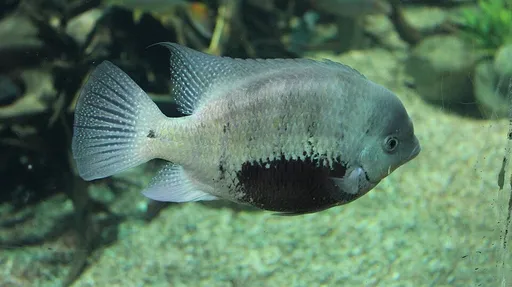 11.8 in (30 cm)119 gal (450 L)77–86°F (25–30°C)
Pantano cichlid
Cincelichthys pearsei
11.8 in (30 cm) · 119 gal (450 L)
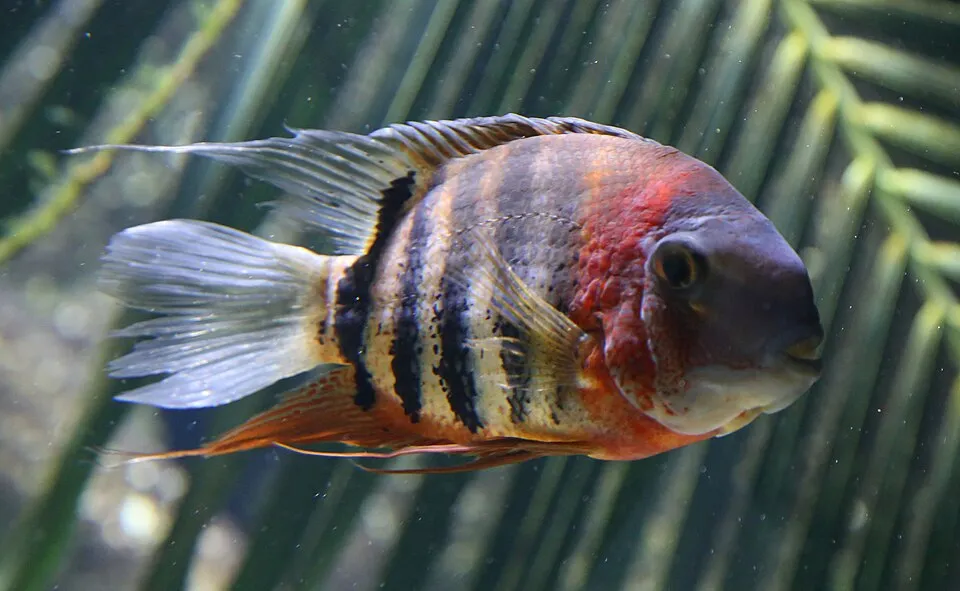 11.8 in (30 cm)65 gal (245 L)72–84°F (22–29°C)
Severum
Heros efasciatus
11.8 in (30 cm) · 65 gal (245 L)