Burton's mouthbrooder
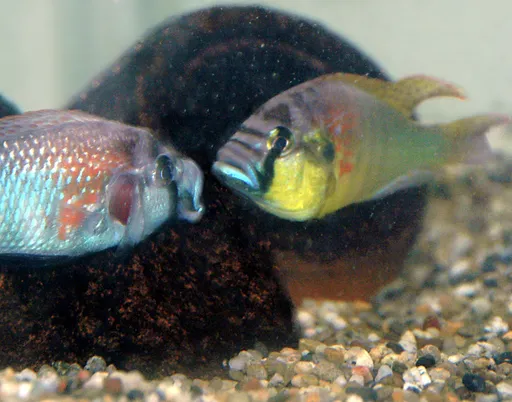
Astatotilapia burtoni
Also known as Burton's haplochromis, Haplochromis burtoni, Burtoni
FreshwaterFish
Care at a glance
- Temperature
- 75–82°F
- 24–28°C
- pH
- 7.5–8.6
- Adult size
- 5.1 in
- 13 cm
- Minimum tank
- 53 gal
- 200 L
- Temperament
- Aggressive
- Social behavior
- Social
- Own kind
- One male per tank
- Tankmates
- With caution
- Swim level
- Middle
- Difficulty
- Easy
- Breeding
- Easy
- Rarity
- Common
- Family
- Cichlidae
- Origin
- Lake Tanganyika and the rivers and streams that feed it in East Africa.
Overview
A male with several females does well in a tank of at least 200 liters with sand, some rock and hardy plants. Water is flexible from neutral to alkaline, 24 to 28 C and pH 7.5 to 8.6. Males are aggressive when breeding, so keep enough females to spread attention and give cover. Feed flake, pellets and frozen foods, since it eats almost anything.
In the wild
Burton's mouthbrooder lives in Lake Tanganyika and the shallow rivers and marshes around it. It is an adaptable fish found over sand and among plants near the shore. Males wear a colorful mix of blue, yellow and red with egg shaped spots on the anal fin.
Good to know
Astatotilapia burtoni is a major laboratory model for studying how social rank changes fish behavior, brain and hormones. Dominant males color up and hold territory while subordinate males fade and look like females. The colored spots on the male's anal fin play a role in its mouthbrooding courtship.
Did you know
Scientists have shown that when a dominant male loses his territory he not only fades in color but his body chemistry shifts within minutes, one of the clearest examples of behavior changing biology.
Common questions
What size tank does a Burton's mouthbrooder need?
A Burton's mouthbrooder needs at least 53 gal (200 L). It spends most of its time in the middle.
What temperature and pH does a Burton's mouthbrooder need?
A Burton's mouthbrooder is comfortable at 75–82°F (24–28°C) with a pH of 7.5–8.6.
How big does a Burton's mouthbrooder get?
An adult Burton's mouthbrooder reaches about 5.1 in (13 cm).
Related species
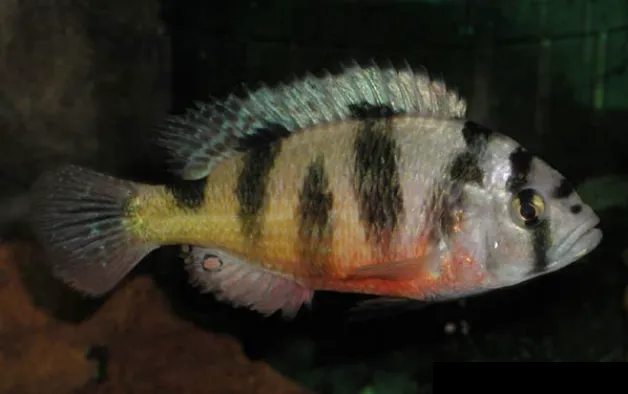 4.9 in (12.5 cm)30 gal (115 L)73–82°F (23–28°C)
Zebra obliquidens
Astatotilapia latifasciata
4.9 in (12.5 cm) · 30 gal (115 L)
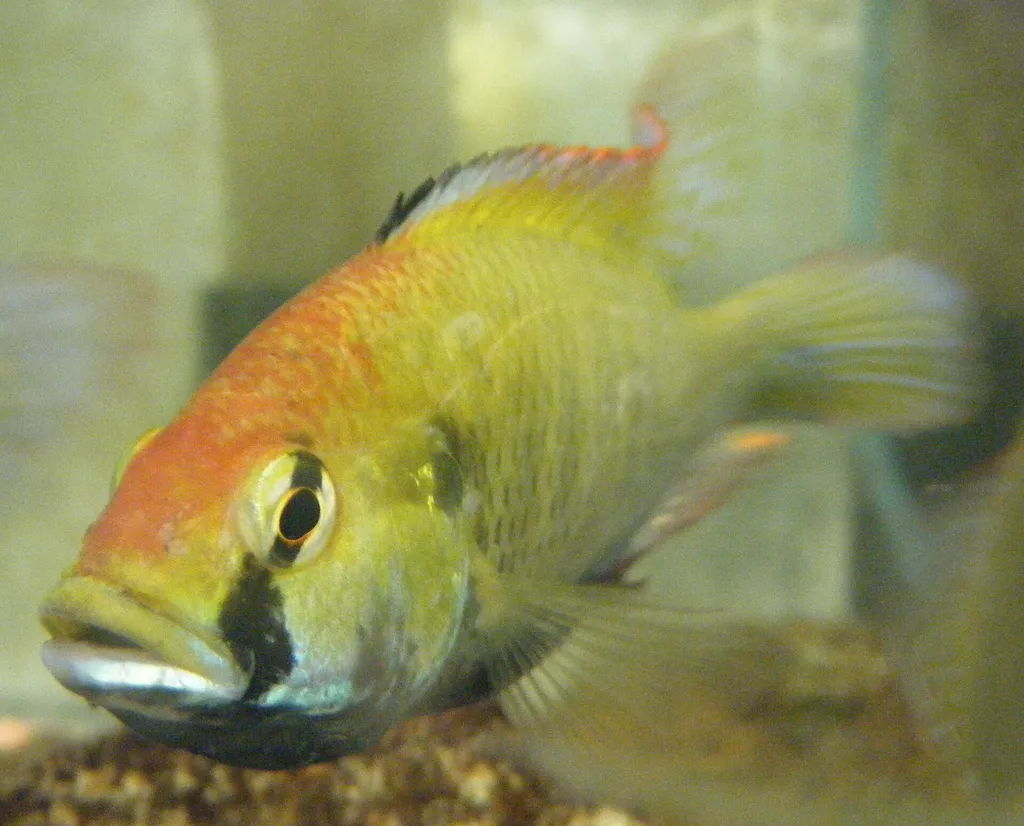 5.9 in (15 cm)66 gal (250 L)73–82°F (23–28°C)
Eastern happy
Astatotilapia calliptera
5.9 in (15 cm) · 66 gal (250 L)
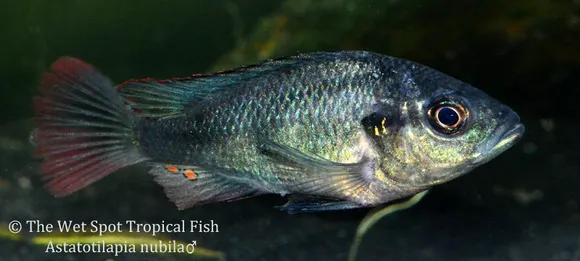 4.3 in (11 cm)53 gal (200 L)73–81°F (23–27°C)
Blue Victoria mouthbrooder
Astatotilapia nubila
4.3 in (11 cm) · 53 gal (200 L)
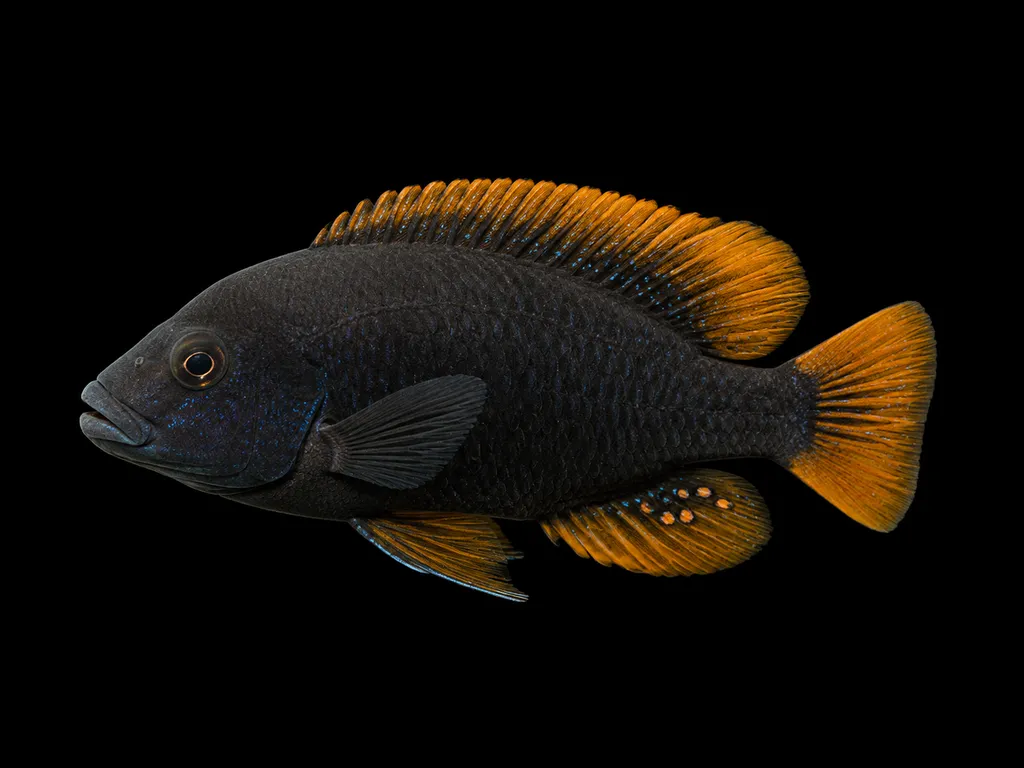 5.1 in (13 cm)53 gal (200 L)73–81°F (23–27°C)
Black and orange nyererei
Pundamilia igneopinnis
5.1 in (13 cm) · 53 gal (200 L)
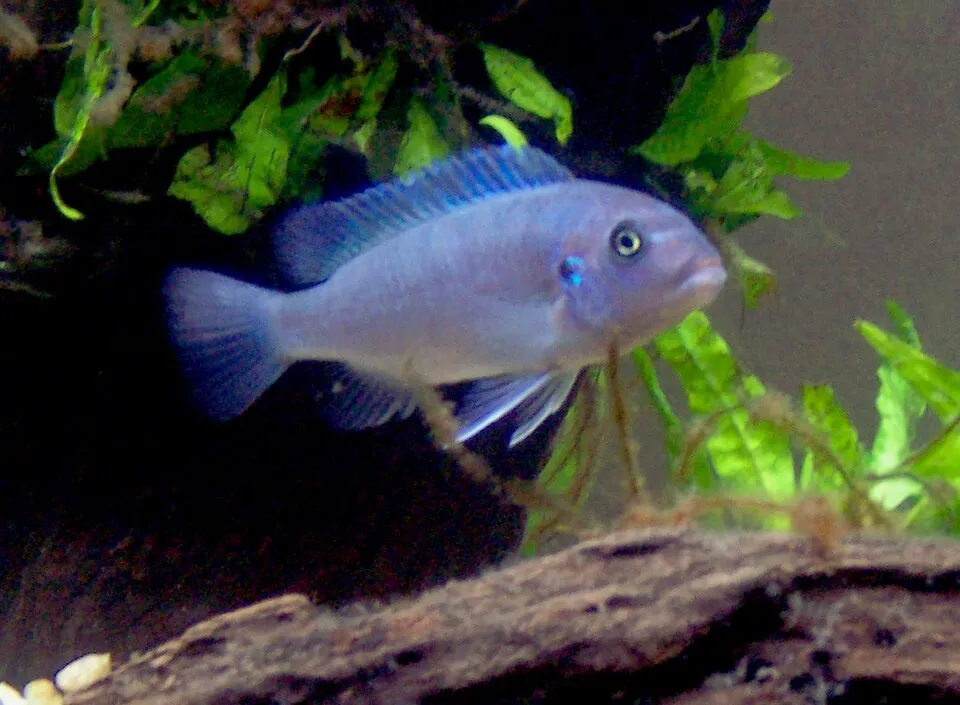 5.1 in (13 cm)45 gal (170 L)75–82°F (24–28°C)
Cobalt blue cichlid
Maylandia callainos
5.1 in (13 cm) · 45 gal (170 L)
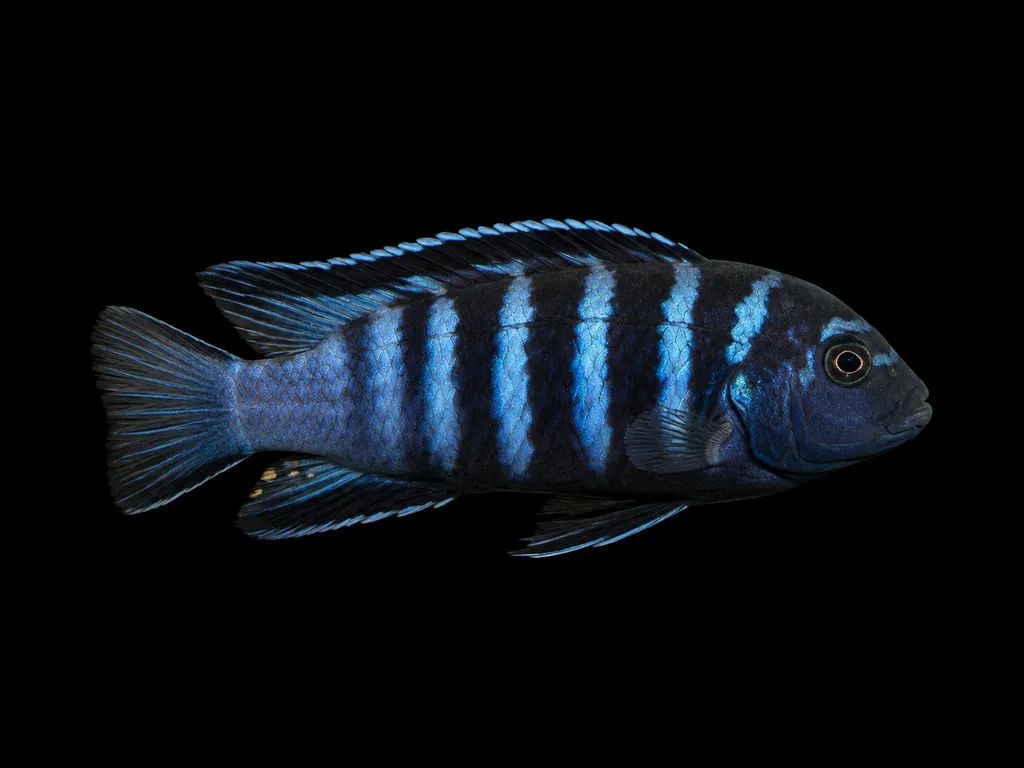 5.1 in (13 cm)53 gal (200 L)75–81°F (24–27°C)
Elongate mbuna
Chindongo elongatus
5.1 in (13 cm) · 53 gal (200 L)