Moore's lamprologus
Variabilichromis moorii
Also known as Neolamprologus moorii, Variabilichromis, Moorii
FreshwaterFish

Care at a glance
- Temperature
- 75–81°F
- 24–27°C
- pH
- 7.8–9.0
- Adult size
- 4.3 in
- 11 cm
- Minimum tank
- 53 gal
- 200 L
- Temperament
- Aggressive
- Social behavior
- Social
- Tankmates
- With caution
- Swim level
- Bottom
- Diet
- Omnivore
- Difficulty
- Medium
- Breeding
- Substrate spawner · Medium
- Rarity
- Common
- Family
- Cichlidae
- Origin
- Rocky shorelines of the southern part of Lake Tanganyika in East Africa.
Overview
Moore's lamprologus is an aggressive, territorial cichlid for a rocky tank. It is best with a little experience.
Did you know
Moore's lamprologus changes its whole appearance as it grows up. Its babies are bright lemon yellow, while the adults are coal black.
Caring for the Moore's lamprologus
Keep a group or a pair of Moore's lamprologus in a rocky tank of at least 53 gal (200 L). Starting with a group of young fish lets pairs form naturally.
Use hard, alkaline water at 75 to 81°F (24 to 27°C) and a pH of 7.8 to 9.0. Feed a mixed diet leaning on vegetable foods like spirulina, with some frozen brine shrimp and cyclops.
Moore's lamprologus is aggressive, and pairs are very protective of their territory and fry. Give them space away from other bottom dwellers, and choose tank mates with caution.
It is a substrate spawner, and a pair guards a patch of rock and a large brood of fry together. Breeding is of medium difficulty.
Good to know
Variabilichromis moorii is a member of the family Cichlidae. It was once placed in Neolamprologus and now stands alone in the genus Variabilichromis. That genus name refers to being variable, for the way its color changes with age.
In the wild
Moore's lamprologus lives on rocky slopes in the south of Lake Tanganyika. It grazes algae and picks small animals from the rocks.
Common questions
What size tank does a Moore's lamprologus need?
A Moore's lamprologus needs at least 53 gal (200 L). It spends most of its time in the bottom.
What temperature and pH does a Moore's lamprologus need?
A Moore's lamprologus is comfortable at 75–81°F (24–27°C) with a pH of 7.8–9.0.
What does a Moore's lamprologus eat?
A Moore's lamprologus eats a mixed diet that leans on vegetable foods like spirulina. Add some frozen brine shrimp and cyclops as well.
How big does a Moore's lamprologus get?
An adult Moore's lamprologus reaches about 4.3 in (11 cm).
How does a Moore's lamprologus breed?
Moore's lamprologus is a substrate spawner, and a pair guards a patch of rock and a large brood of fry together. Breeding is of medium difficulty.
Related species
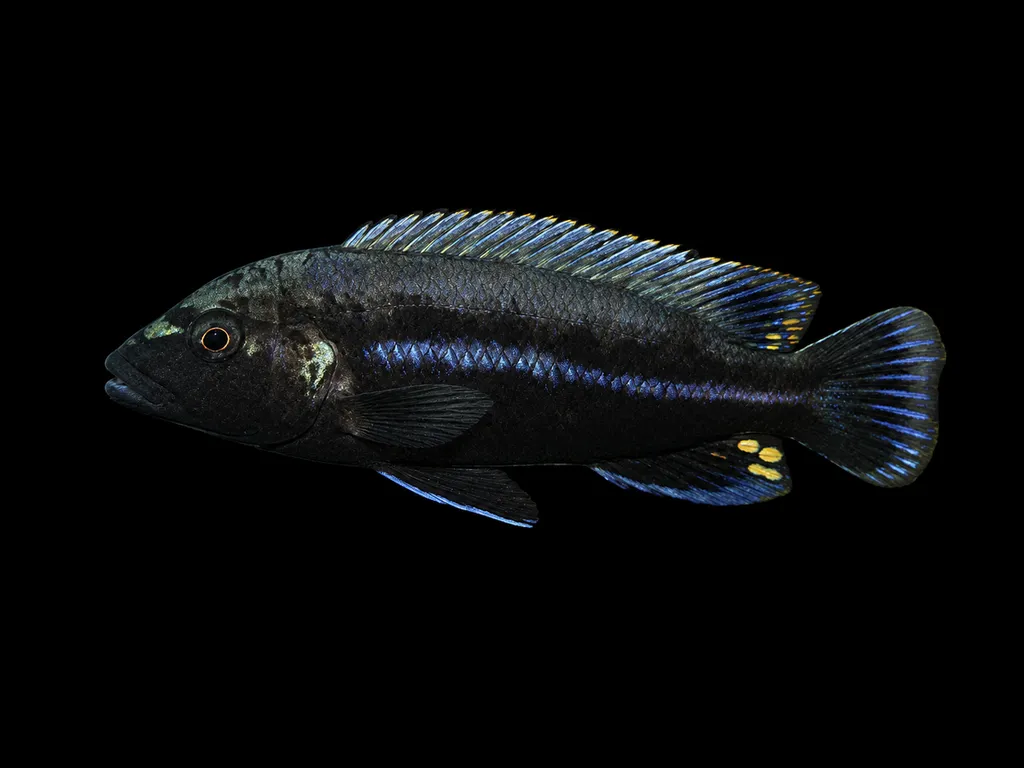 4.3 in (11 cm)66 gal (250 L)75–82°F (24–28°C)
Blotch melanochromis
Melanochromis baliodigma
4.3 in (11 cm) · 66 gal (250 L)
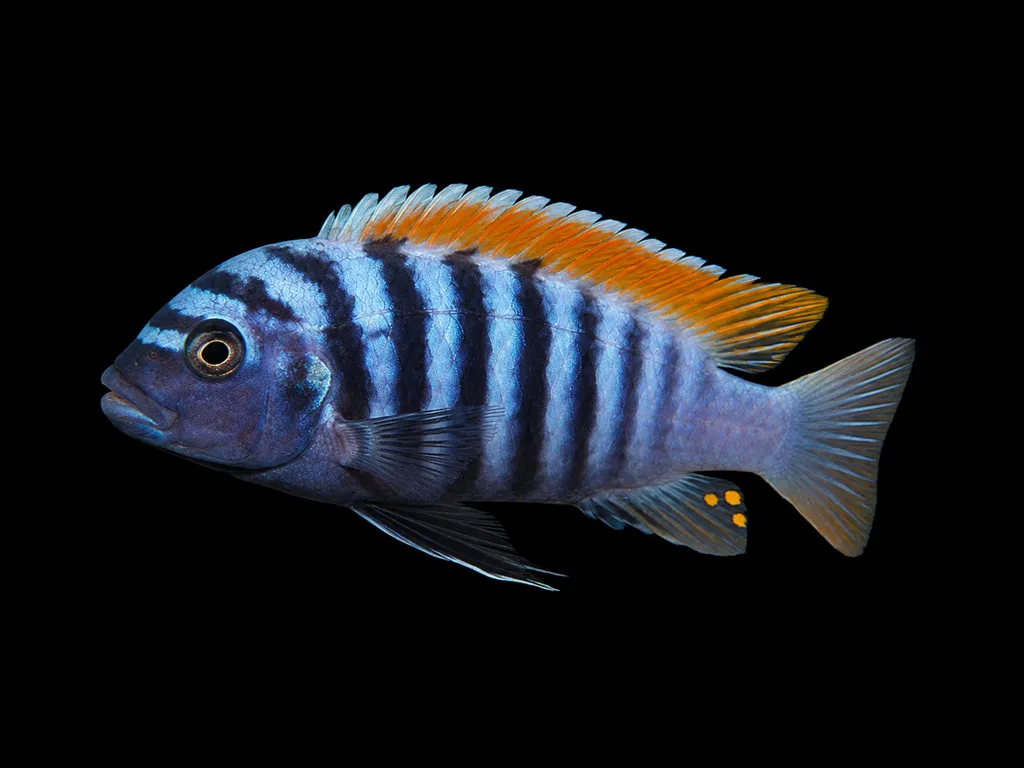 4.3 in (11 cm)53 gal (200 L)75–82°F (24–28°C)
Fireback zebra
Maylandia pyrsonotos
4.3 in (11 cm) · 53 gal (200 L)
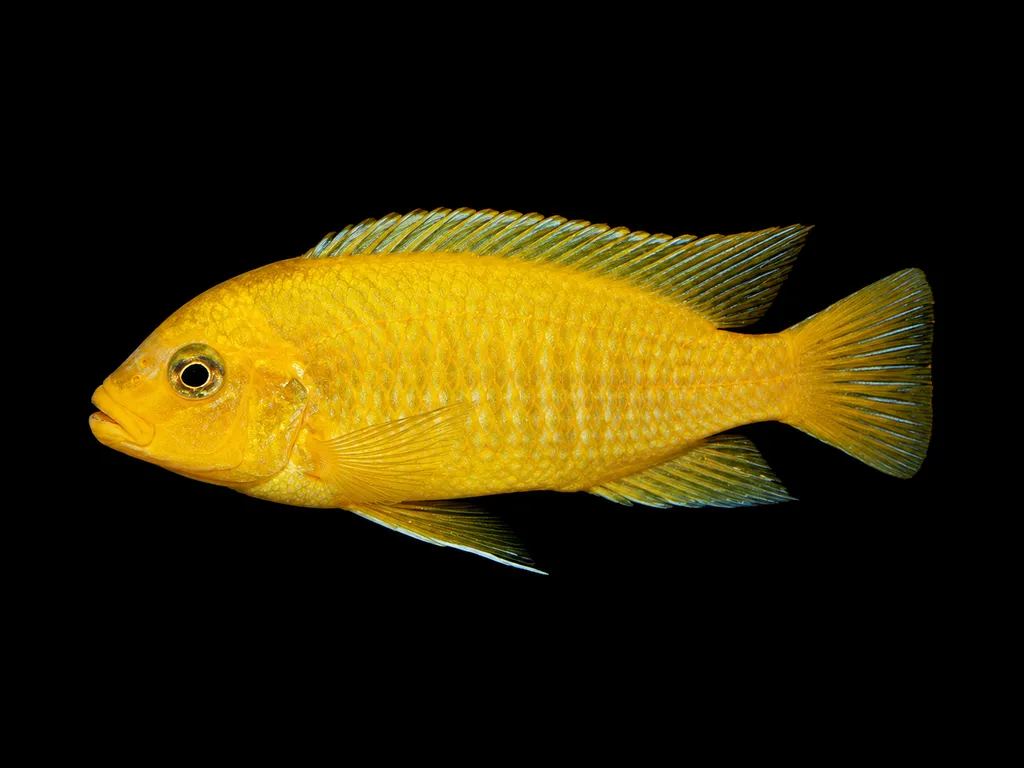 4.3 in (11 cm)53 gal (200 L)75–82°F (24–28°C)
Golden fleece zebra
Maylandia chrysomallos
4.3 in (11 cm) · 53 gal (200 L)
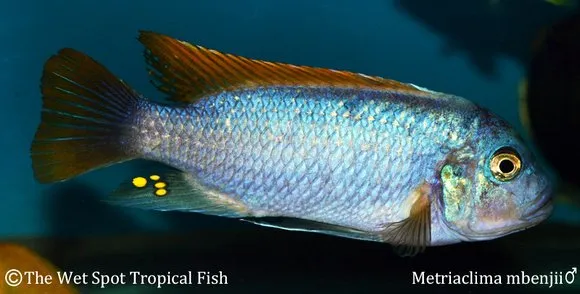 4.3 in (11 cm)53 gal (200 L)75–82°F (24–28°C)
Mbenji zebra
Maylandia mbenjii
4.3 in (11 cm) · 53 gal (200 L)
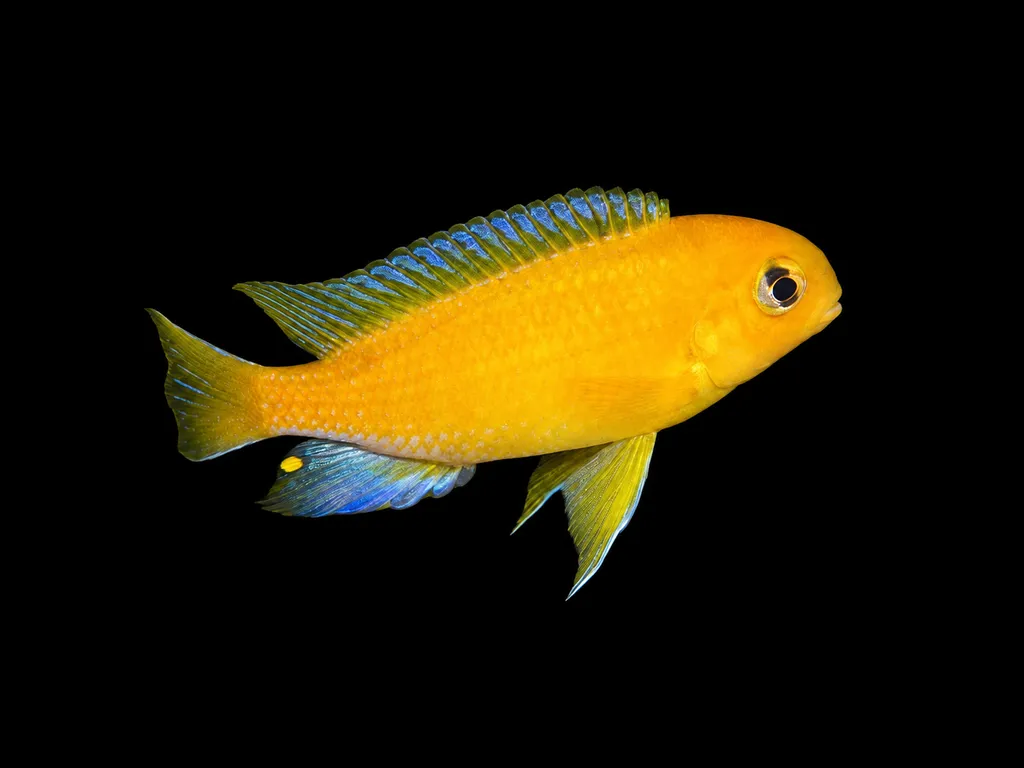 4.5 in (11.5 cm)66 gal (250 L)75–82°F (24–28°C)
Bigeye tropheops
Tropheops macrophthalmus
4.5 in (11.5 cm) · 66 gal (250 L)
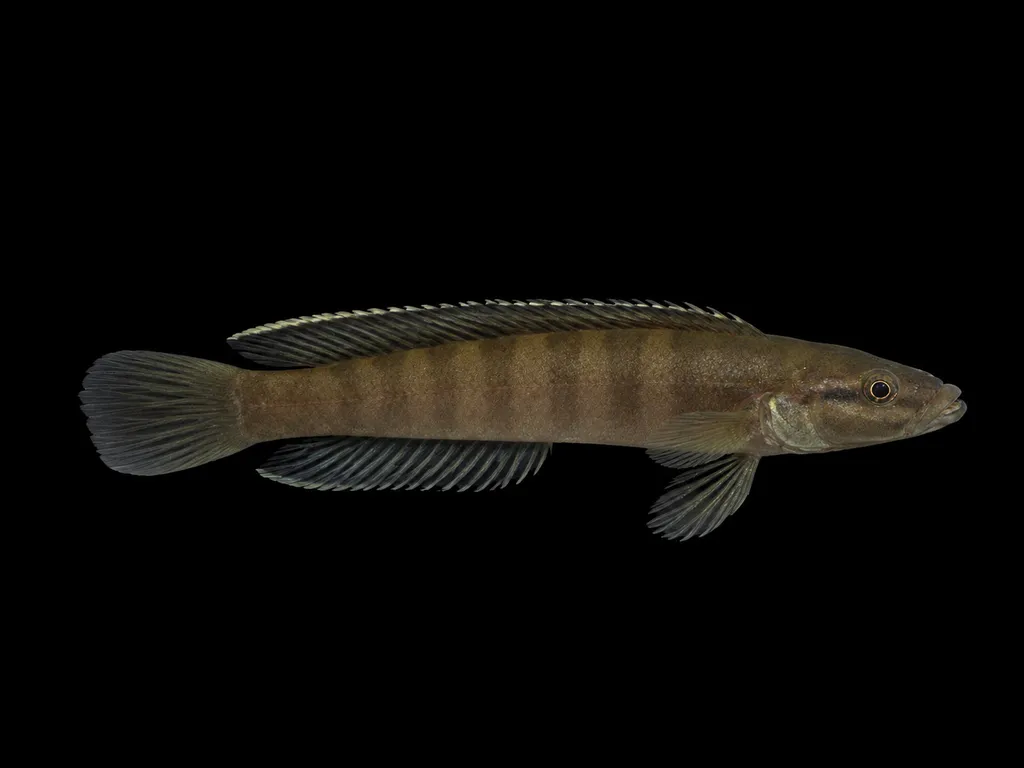 4.5 in (11.5 cm)53 gal (200 L)73–81°F (23–27°C)
Depressa teleogramma
Teleogramma depressa
4.5 in (11.5 cm) · 53 gal (200 L)