Indian linear catfish
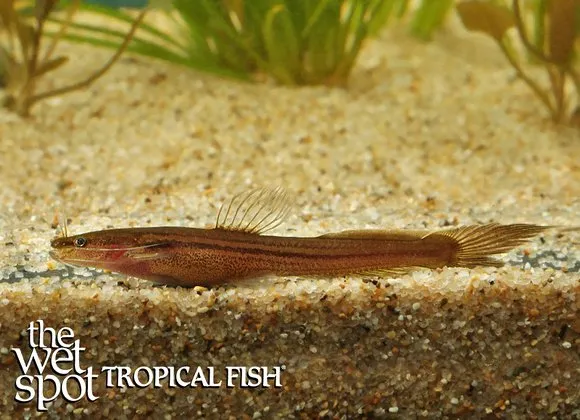
Olyra longicaudata
Also known as Longtail banjo bagrid, Fighting linear cat
FreshwaterFish
Care at a glance
- Temperature
- 68–79°F
- 20–26°C
- pH
- 6.0–7.5
- Adult size
- 4.7 in
- 12 cm
- Minimum tank
- 29 gal
- 110 L
- Temperament
- Mostly peaceful
- Social behavior
- Solitary
- Tankmates
- With caution
- Swim level
- Bottom
- Difficulty
- Medium
- Breeding
- No record
- Rarity
- Rare
- Family
- Bagridae
- Origin
- Himalayan foothill streams, India and Myanmar
Overview
The Indian linear catfish is a slim, eel-like bagrid that hunts through leaf litter and crevices on the bottom. It suits a cool, flowing stream tank and is best with a little experience.
Did you know
The trade sometimes calls the Indian linear catfish a fighting catfish. Two males will scrap over a favored crevice.
Caring for the Indian linear catfish
Keep one Indian linear catfish in a tank of at least 29 gal (110 L). Give it a fine substrate, plenty of rounded stones and wood, and drifts of leaf litter. These leave it lots of small cracks to slip into. It is nocturnal and spends the day sheltering out of sight.
Keep the water on the cool side, at 68 to 79°F (20 to 26°C), soft to neutral and at a pH of 6.0 to 7.5. A moderate current and good oxygenation suit it. Feed sinking foods, frozen bloodworm and small live foods in the evening.
This catfish is peaceful toward other species but strongly territorial with its own kind. Keep just one per tank unless you can offer a very large setup with many separate hiding places. Larger, active community fish such as bigger danios and barbs make good company, but small fish may be eaten. Breeding has not been documented in the aquarium.
Good to know
Olyra longicaudata is a slender bagrid catfish in the family Bagridae, described by McClelland in 1842. Most of its length is a long body ending in a drawn-out tail. Its name, longicaudata, means long-tailed.
In the wild
The Indian linear catfish comes from cool, clear streams at the base of the Himalayan foothills. Its range runs from Darjeeling and Assam in India east into Myanmar, where it lives among stones and leaf litter in flowing water.
Common questions
What size tank does an Indian linear catfish need?
An Indian linear catfish needs at least 29 gal (110 L). It spends most of its time in the bottom.
What temperature and pH does an Indian linear catfish need?
An Indian linear catfish is comfortable at 68–79°F (20–26°C) with a pH of 6.0–7.5.
What does an Indian linear catfish eat?
An Indian linear catfish eats sinking foods, frozen bloodworm and small live foods. Feed it in the evening, when it comes out of hiding.
How big does an Indian linear catfish get?
An adult Indian linear catfish reaches about 4.7 in (12 cm).
Related species
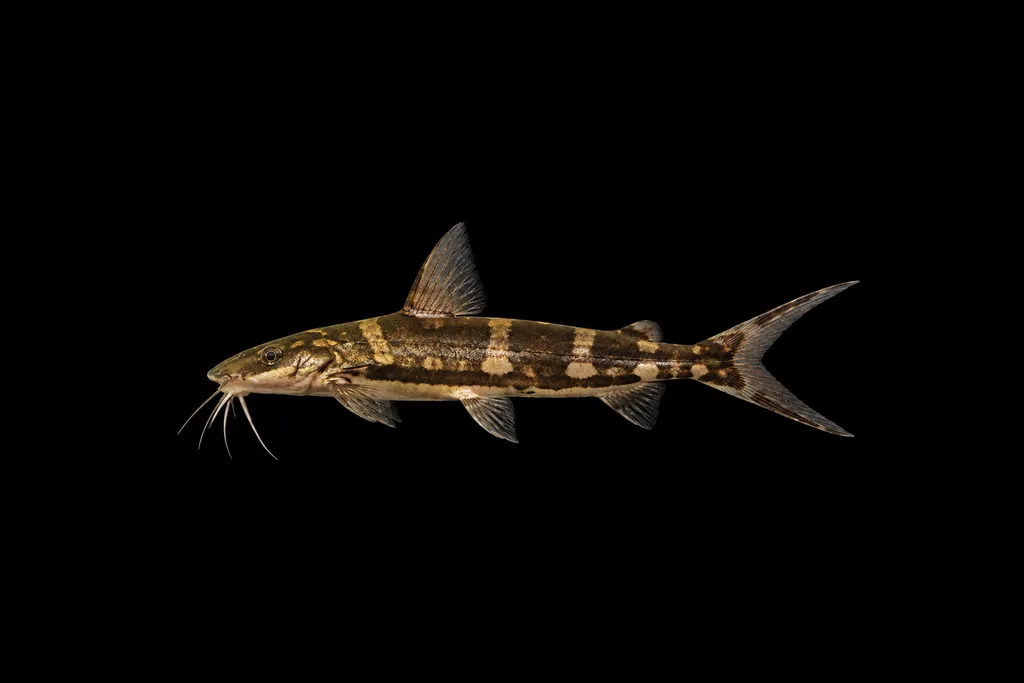 5.5 in (14 cm)42 gal (160 L)73–81°F (23–27°C)
Borneo scissortail catfish
Pseudomystus stenogrammus
5.5 in (14 cm) · 42 gal (160 L)
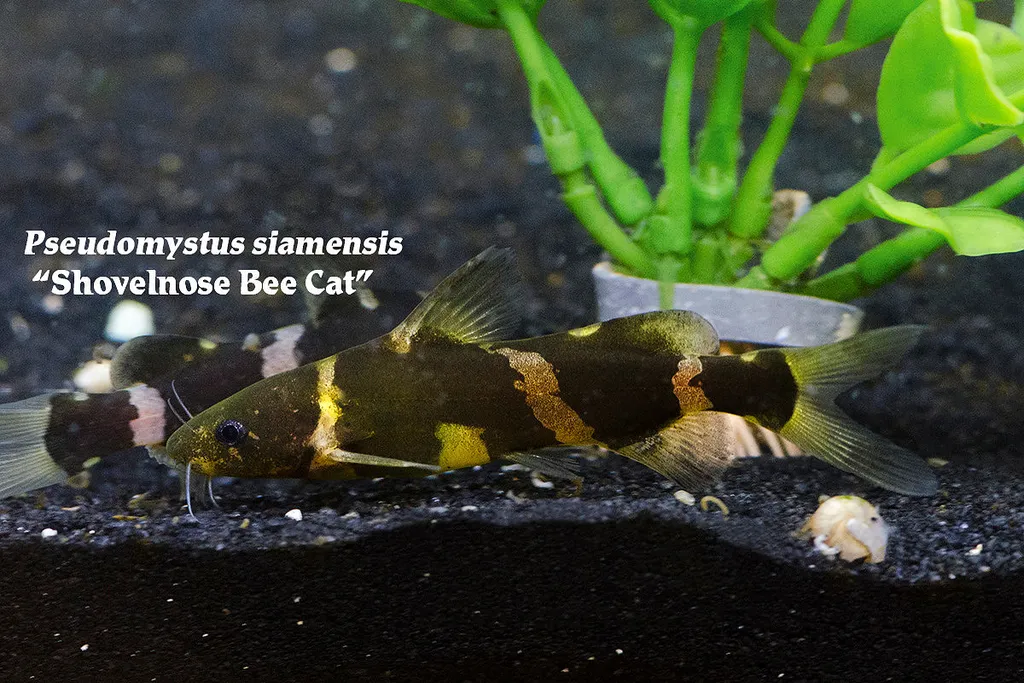 5.9 in (15 cm)30 gal (115 L)68–79°F (20–26°C)
Asian bumblebee catfish
Pseudomystus siamensis
5.9 in (15 cm) · 30 gal (115 L)
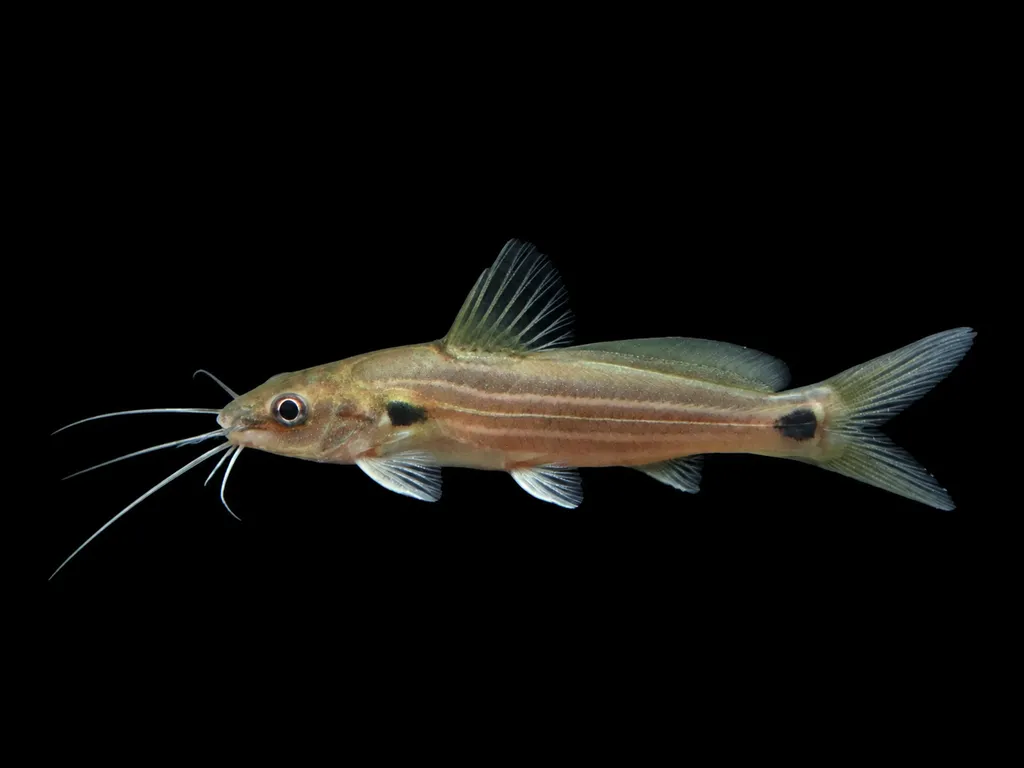 5.9 in (15 cm)66 gal (250 L)73–81°F (23–27°C)
Meetan catfish
Mystus rufescens
5.9 in (15 cm) · 66 gal (250 L)
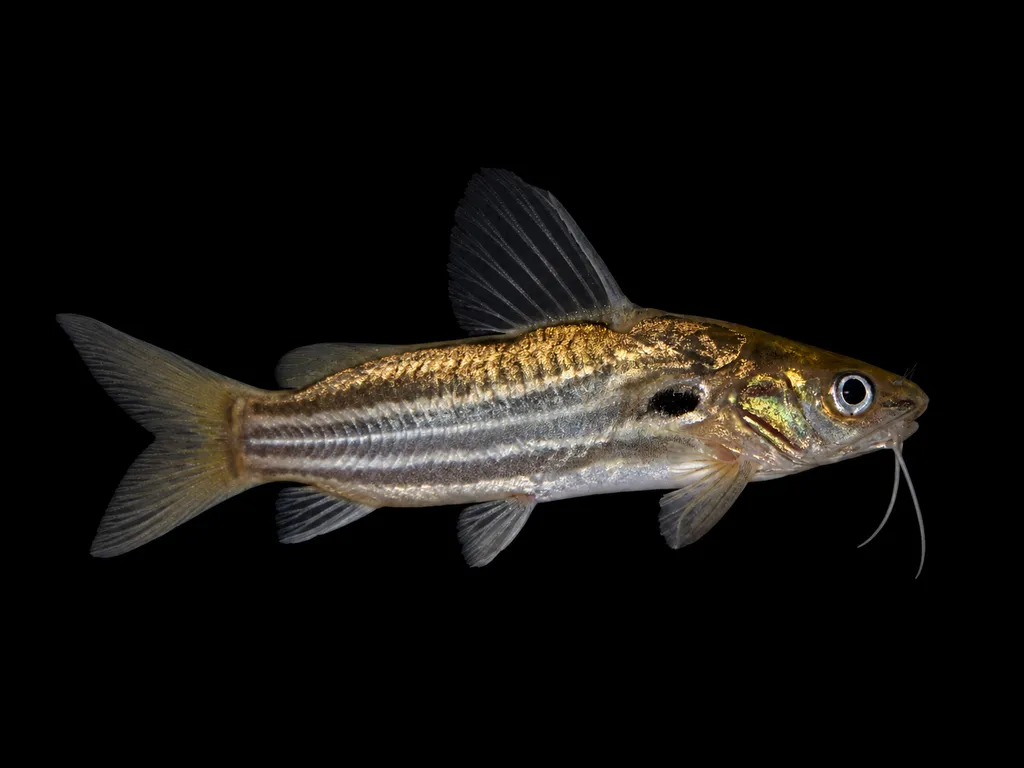 7.1 in (18 cm)42 gal (160 L)73–81°F (23–27°C)
Golden soldier catfish
Mystus tengara
7.1 in (18 cm) · 42 gal (160 L)
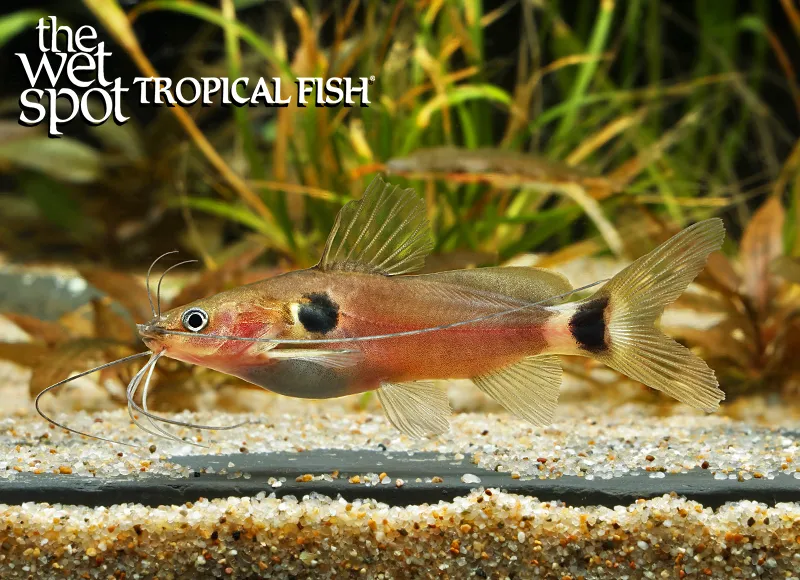 4.7 in (12 cm)30 gal (114 L)72–81°F (22–27°C)
Two-spot catfish
Mystus bimaculatus
4.7 in (12 cm) · 30 gal (114 L)
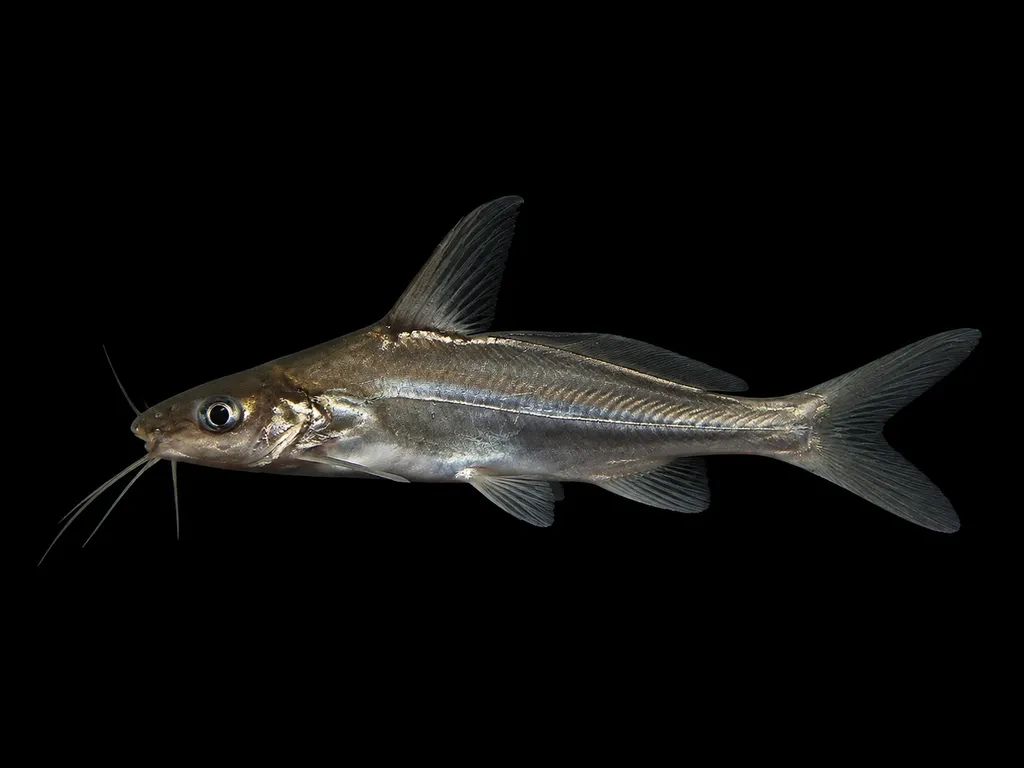 7.5 in (19 cm)79 gal (300 L)73–81°F (23–27°C)
Hi-fin mystus
Mystus falcarius
7.5 in (19 cm) · 79 gal (300 L)