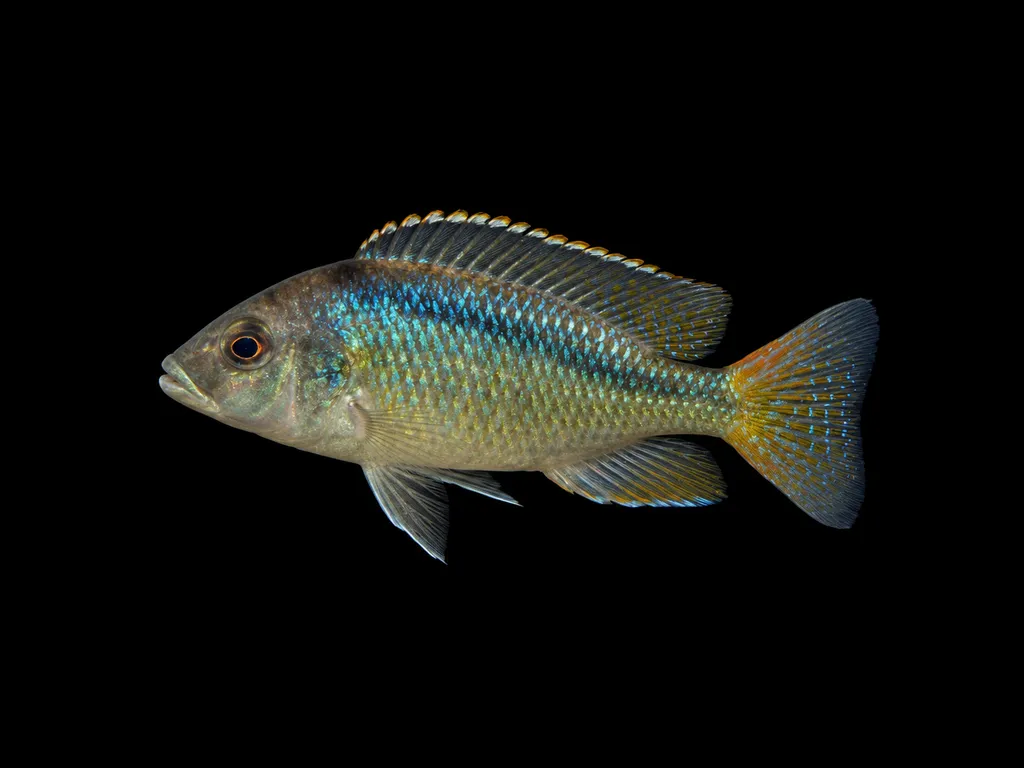
Anaphyrmus hap
Mylochromis anaphyrmus
Also known as Sand-sifting mylochromis
FreshwaterFish
Care at a glance
- Temperature
- 75–82°F
- 24–28°C
- pH
- 7.6–8.6
- Adult size
- 8.7 in
- 22 cm
- Minimum tank
- 106 gal
- 400 L
- Temperament
- Aggressive
- Social behavior
- Social
- Tankmates
- With caution
- Swim level
- Middle
- Difficulty
- Medium
- Breeding
- Mouthbrooder · Medium
- Rarity
- Rare
- Family
- Cichlidae
- Origin
- Lake Malawi, endemic
Overview
The Anaphyrmus hap is a large, assertive Malawi cichlid that patrols over sandy floors. It is a step up from the easiest fish.
Did you know
The Anaphyrmus hap's throat is lined with broad, flattened teeth that work like a nutcracker. They let it crush and swallow the snails it digs out of the silty lake floor, shells and all.
Caring for the Anaphyrmus hap
Give an Anaphyrmus hap at least 106 gal (400 L), with a broad, open floor of fine sand. Make the sand bed deep enough for it to work over. Add a little rock structure at the margins, and leave plenty of clear space.
Match the rift-lake chemistry with hard, alkaline water at 75 to 82°F (24 to 28°C) and a pH of 7.6 to 8.6. It hunts snails and other small prey buried in the sediment. Feed a mixed diet of sinking pellets, snails and frozen foods such as krill and mussel to suit its shellfish-crushing habits.
Anaphyrmus haps can live alone, but they do best as a harem of one male with a few females. Avoid keeping a rival pair of males. It is an assertive, territorial fish, so pick tank mates with caution. Other robust Malawi cichlids that can stand their ground suit it, and the space and deep sand bed spread out aggression.
The Anaphyrmus hap is a maternal mouthbrooder. Breeding it takes moderate effort.
Good to know
The Anaphyrmus hap is a member of the cichlid family, Cichlidae, and carries the diagonal flank stripe typical of the genus Mylochromis. Rather than simply sifting sand, it is a specialized snail-eater.
In the wild
The Anaphyrmus hap is endemic to Lake Malawi. It is common on shallow to deep sandy and silty coasts, where a thin layer of silt supports a rich population of snails.
Common questions
What size tank does an Anaphyrmus hap need?
An Anaphyrmus hap needs at least 106 gal (400 L). It spends most of its time in the middle.
What temperature and pH does an Anaphyrmus hap need?
An Anaphyrmus hap is comfortable at 75–82°F (24–28°C) with a pH of 7.6–8.6.
What does an Anaphyrmus hap eat?
An Anaphyrmus hap hunts snails and other small prey buried in the sediment. Feed it a mixed diet of sinking pellets, snails and frozen foods such as krill and mussel.
How big does an Anaphyrmus hap get?
An adult Anaphyrmus hap reaches about 8.7 in (22 cm).
How does an Anaphyrmus hap breed?
An Anaphyrmus hap is a maternal mouthbrooder. Breeding it takes moderate effort.
Related species
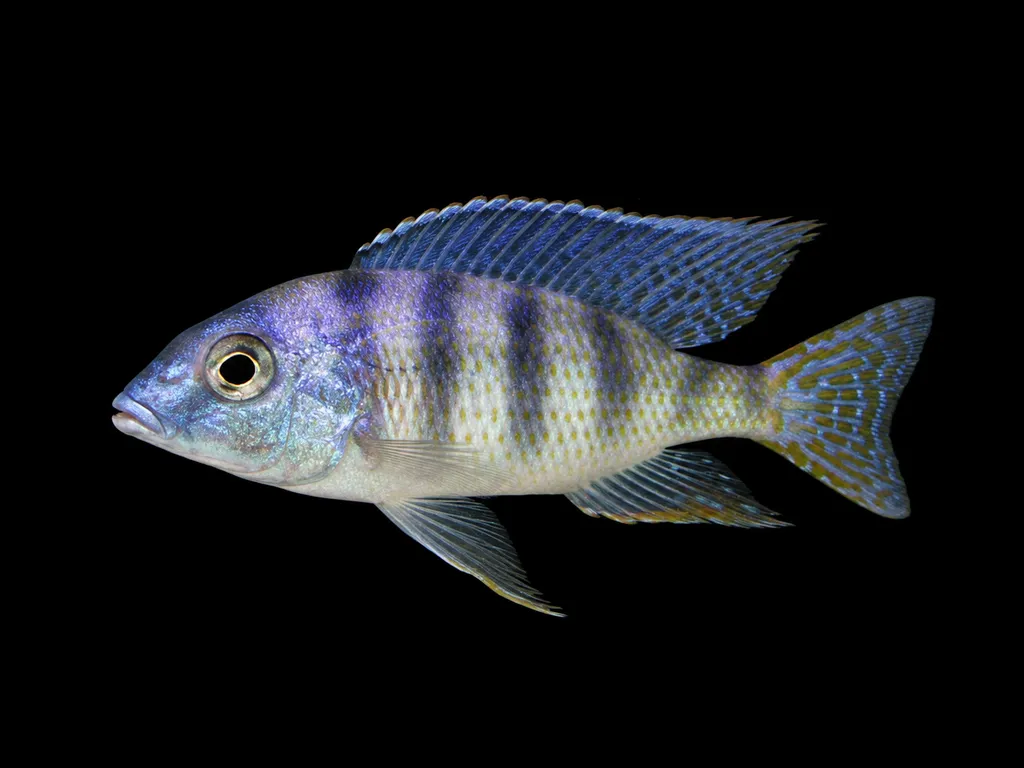 8.1 in (20.5 cm)119 gal (450 L)75–81°F (24–27°C)
Ericotaenia hap
Mylochromis ericotaenia
8.1 in (20.5 cm) · 119 gal (450 L)
 8.7 in (22 cm)53 gal (200 L)59–79°F (15–26°C)
Chanchito
Australoheros facetus
8.7 in (22 cm) · 53 gal (200 L)
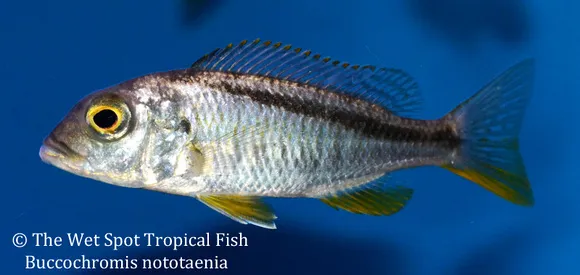 9.1 in (23 cm)159 gal (600 L)75–81°F (24–27°C)
Stripeback buccochromis
Buccochromis nototaenia
9.1 in (23 cm) · 159 gal (600 L)
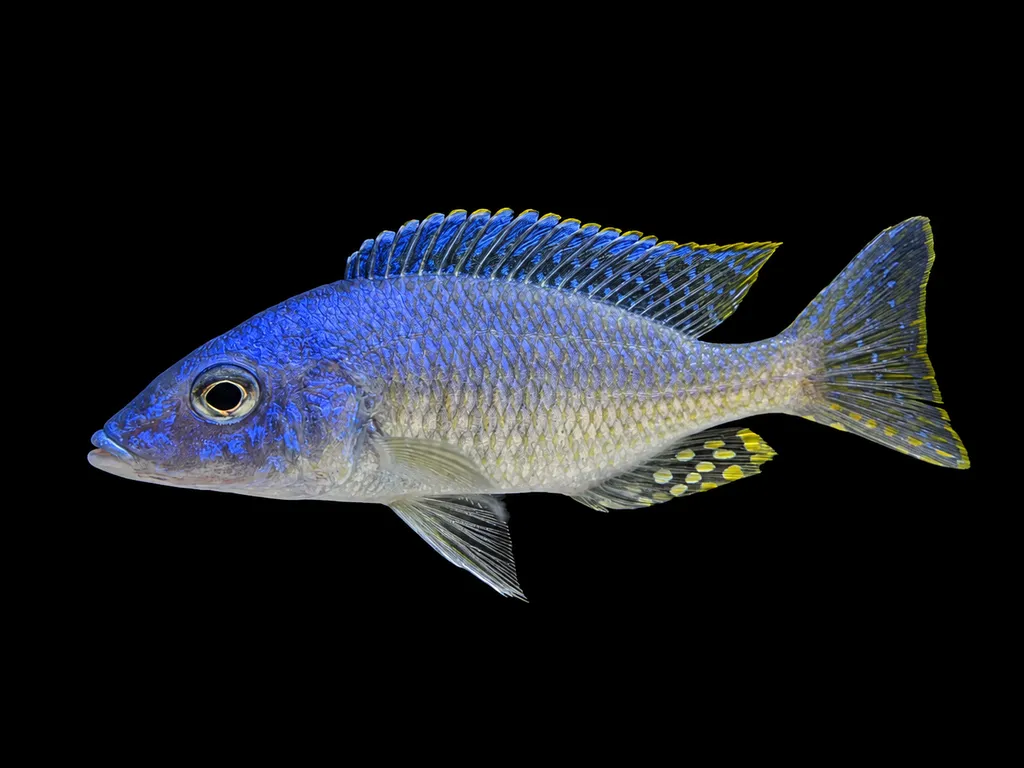 7.9 in (20 cm)70 gal (265 L)75–82°F (24–28°C)
Beak peacock
Aulonocara rostratum
7.9 in (20 cm) · 70 gal (265 L)
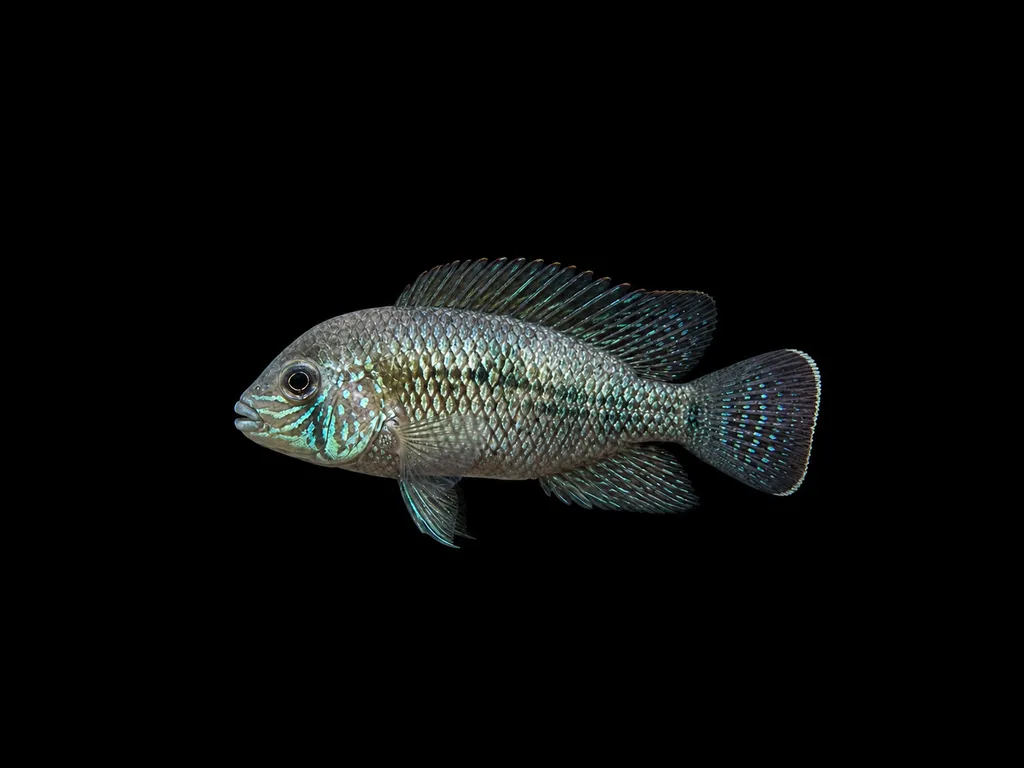 7.9 in (20 cm)74 gal (280 L)68–79°F (20–26°C)
Silver saum
Andinoacara stalsbergi
7.9 in (20 cm) · 74 gal (280 L)
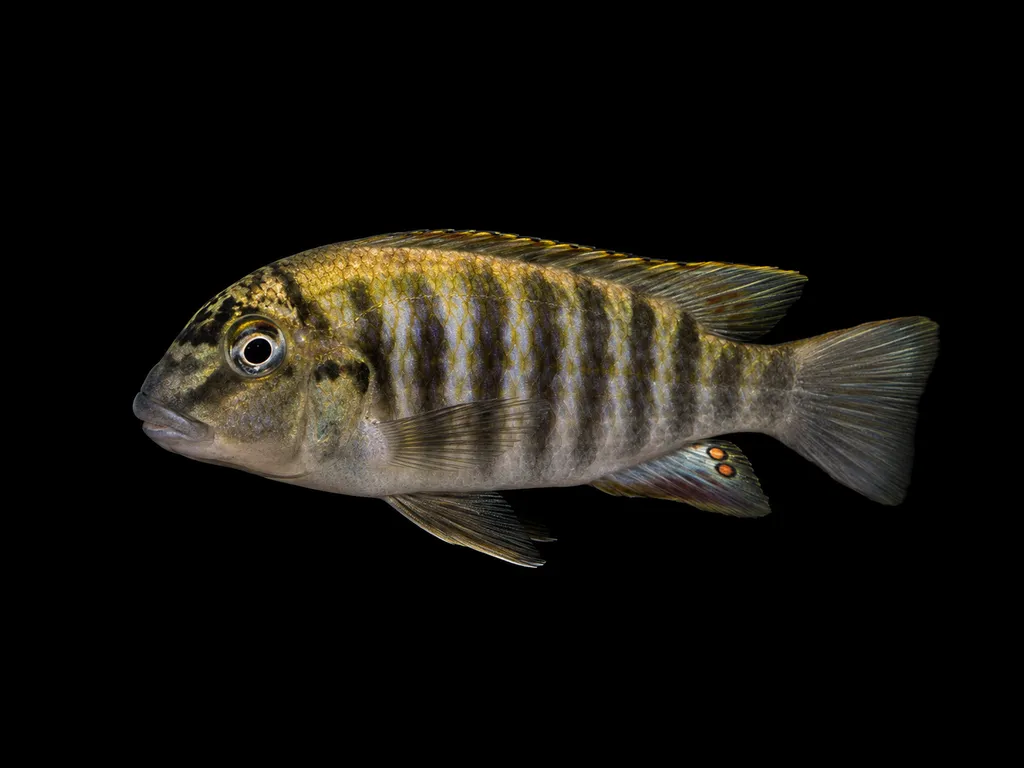 7.7 in (19.5 cm)79 gal (300 L)75–81°F (24–27°C)
Diagramma cichlid
Simochromis diagramma
7.7 in (19.5 cm) · 79 gal (300 L)