Fenestratarum mulyadii
Also known as Fenestratarum mulayadii, Fenestratarum sp. 'Mulyadi'
FreshwaterRhizomeRhizome division
Care at a glance
- Light
- Medium light
- CO2
- CO₂ beneficial
- Temperature
- 72–82°F
- 22–28°C
- Max height
- 5.9 in
- 15 cm
- Growth rate
- Slow
- Placement
- Epiphyte
- Type
- Rhizome
- pH
- 6.0–7.5
- Hardness
- 3–8 dGH
- Spread
- 3.9 in (10 cm)
- Nutrient uptake
- Water column
- Growth region
- Submersed or emersed
- Difficulty
- Medium
- Family
- Araceae
- Origin
- East Kalimantan, Indonesian Borneo (Mahakam River near Laham)
Overview
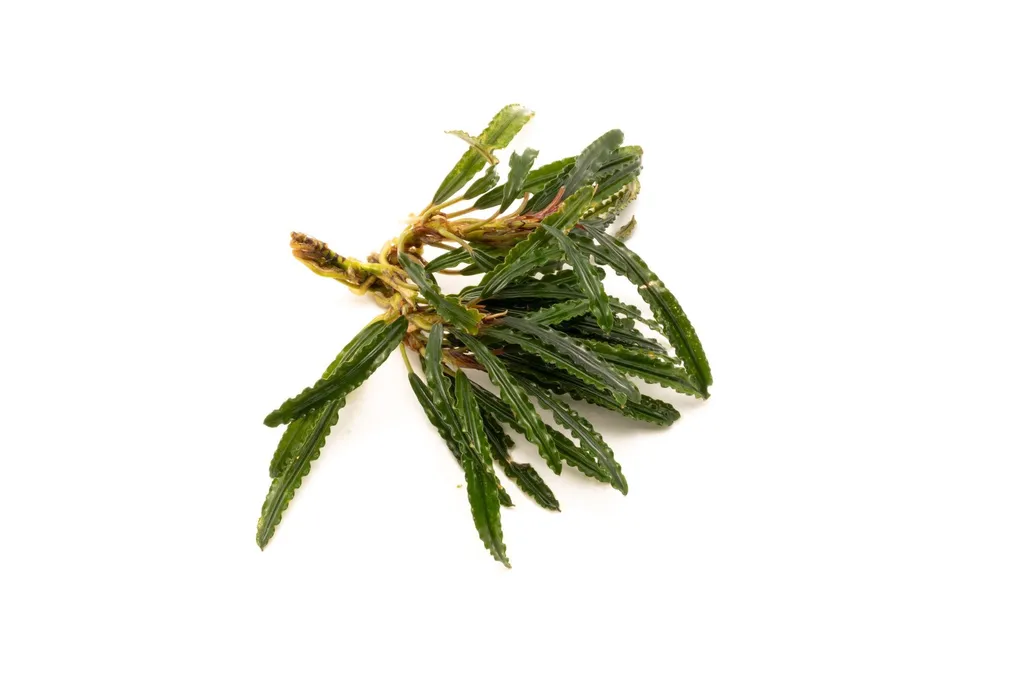
Fenestratarum mulyadii is an aroid from Borneo that grows attached to hardscape, much like Bucephalandra. It is rated medium in difficulty and grows slowly.
Did you know
Fenestratarum means windowed arum. The lower part of its spathe, a flower hood about 2.7 cm long, has clear patches between green veins like panes in a window.
Caring for Fenestratarum mulyadii
Tie Fenestratarum mulyadii to wood or rock with thread, or glue it, and leave the rhizome uncovered. A buried rhizome tends to rot. B-Aqua rates a paludarium as the safer home, though the plant also grows fully submersed.
Medium light suits it, and it does best at 72 to 82°F (22 to 28°C). B-Aqua recommends soft, acidic water. It feeds from the water, so a regular liquid fertilizer does more for it than root tabs, and CO2 speeds its growth.
Growth is slow. A Flowgrow keeper grew it submersed for about a year, and growth stayed very slow the whole time. Propagate it by cutting the rhizome apart with sharp scissors, leaving several leaves on each piece.
Keep water values and lighting steady. Sudden changes are the main cause of melting in new plants.
Good to know
Fenestratarum mulyadii is an aroid in the family Araceae, related to Bucephalandra and Aridarum. Peter Boyce and Wong Sin Yeng described it in 2015, a year after they named the genus. The name honors Mulyadi, who collected the type plant, and it was first printed as mulayadii. Its slightly leathery leaves are 7 to 12 cm long and about 8 mm wide, velvety deep green, with strongly wavy edges. The only other species in the genus, F. culum, has smooth-edged, almost thread-like leaves.
In the wild
Fenestratarum mulyadii is known from a single site, on the Mahakam River near Laham in East Kalimantan, Indonesian Borneo. The genus's other species is also known from one site, 600 km away. This one grows on mossy basalt rocks beside waterfalls, in open, humid lowland forest at about 130 m. Spray from the falls keeps the plants wet. It is a rheophyte, a streamside plant that fast floodwater covers for short spells, like most Bucephalandra.
Common questions
Does Fenestratarum mulyadii need to be planted in the substrate?
No. Fenestratarum mulyadii grows attached to rock or wood, so tie or glue the rhizome in place. If you plant its roots, keep the rhizome above the substrate, since a buried rhizome rots.
Does Fenestratarum mulyadii need CO2?
No, but it helps. Fenestratarum mulyadii can grow without injected CO2, and added CO2 makes it grow faster.
How much light does Fenestratarum mulyadii need?
Fenestratarum mulyadii wants medium light. A light sold for planted tanks covers it.
Does Fenestratarum mulyadii need root tabs?
No. Fenestratarum mulyadii feeds from the water, so a liquid fertilizer suits it better. Root tabs only help if its roots reach into the substrate.
How do you propagate Fenestratarum mulyadii?
Fenestratarum mulyadii propagates by rhizome division. Cut the rhizome into pieces with several leaves each, then tie or plant each piece.
How tall does Fenestratarum mulyadii grow?
Fenestratarum mulyadii grows to about 5.9 in (15 cm) tall. It grows slowly and rarely needs trimming.
Related plants
 Low lightEpiphyte5.9 in (15 cm)
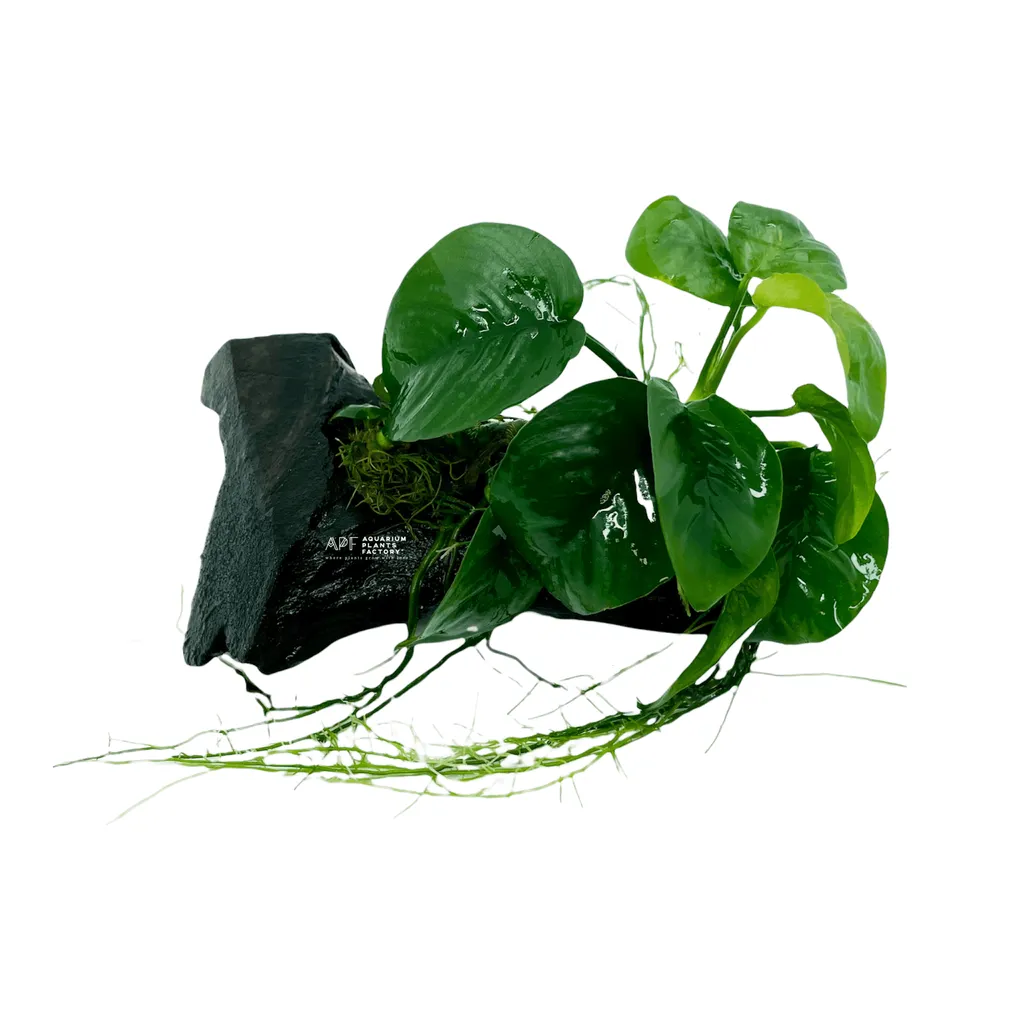
Anubias Butterfly
Anubias 'Butterfly'
Low light · Epiphyte
 Low lightEpiphyte5.9 in (15 cm)
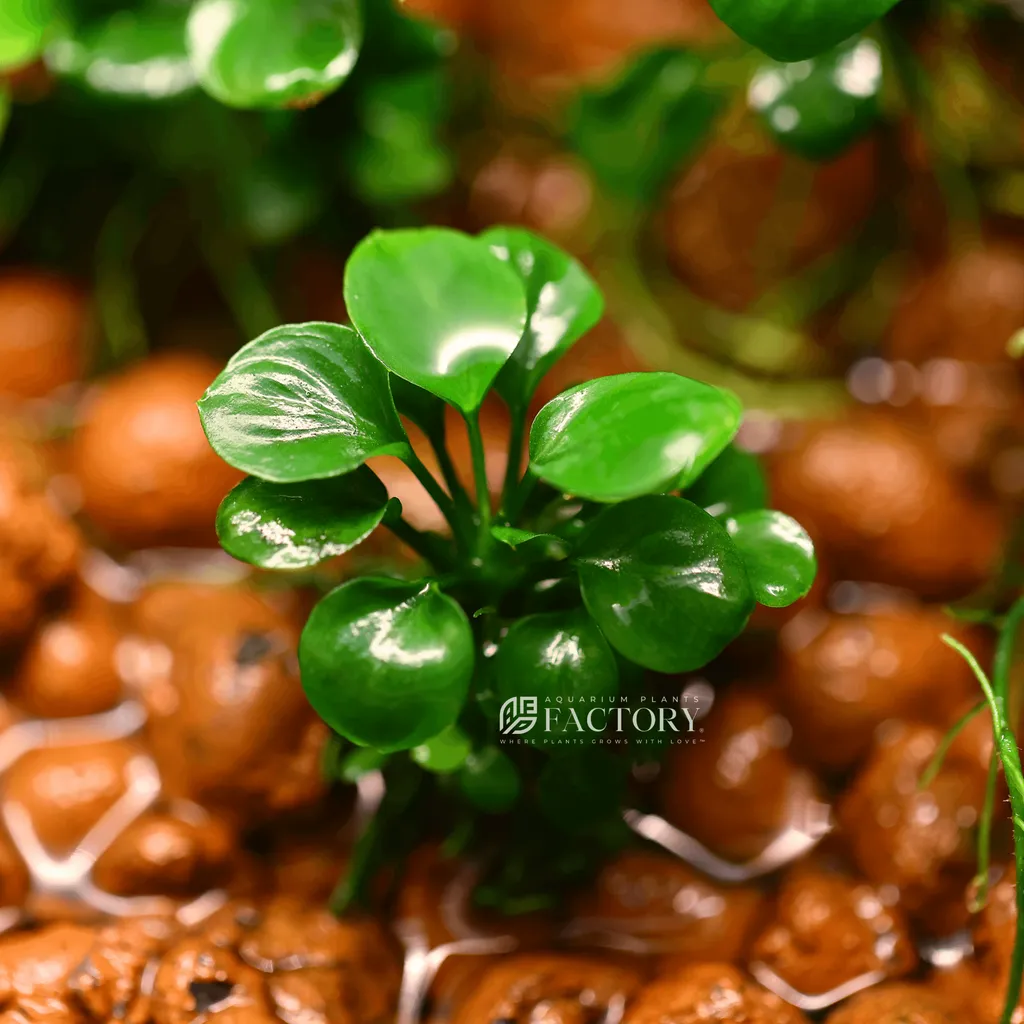
Anubias Coin Leaf
Anubias barteri 'Coin Leaf'
Low light · Epiphyte
 Low lightEpiphyte5.9 in (15 cm)
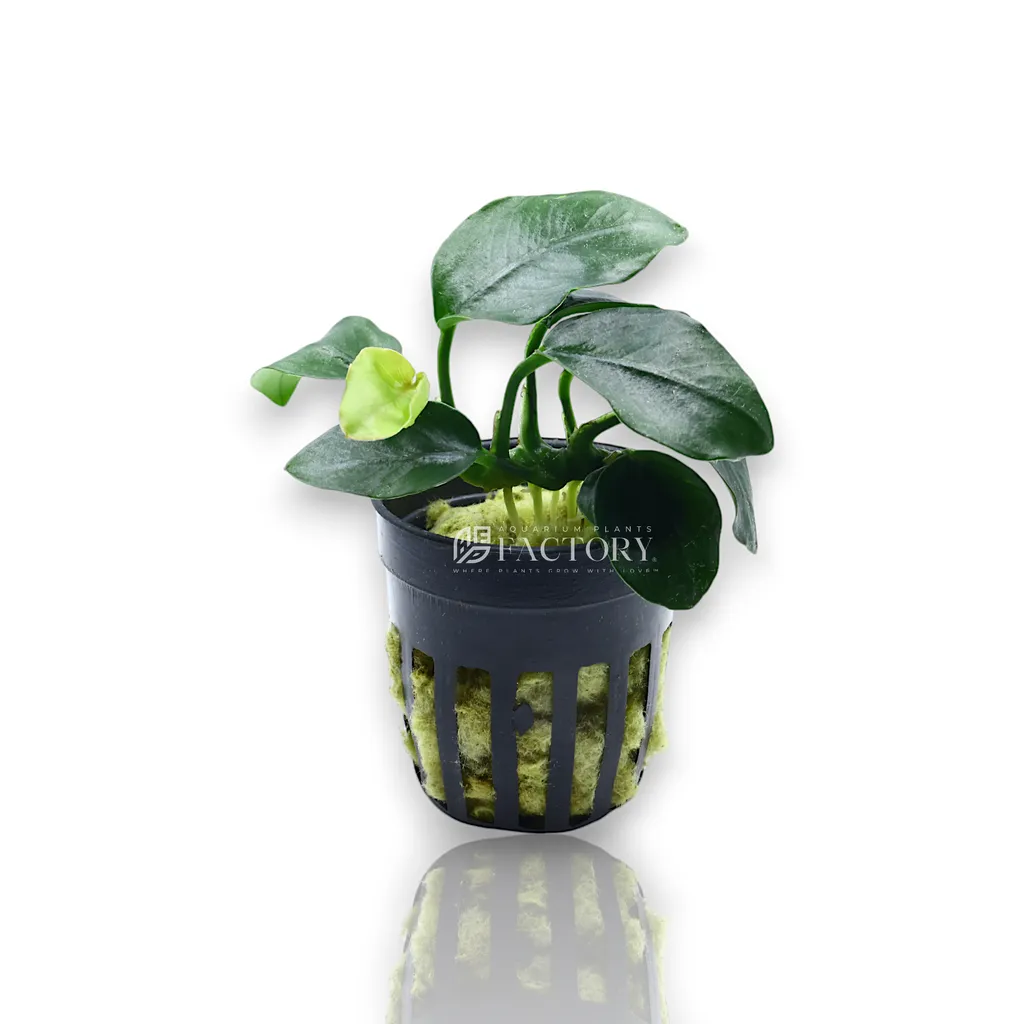
Anubias nana Thick Leaf
Anubias barteri var. nana 'Thick Leaf'
Low light · Epiphyte
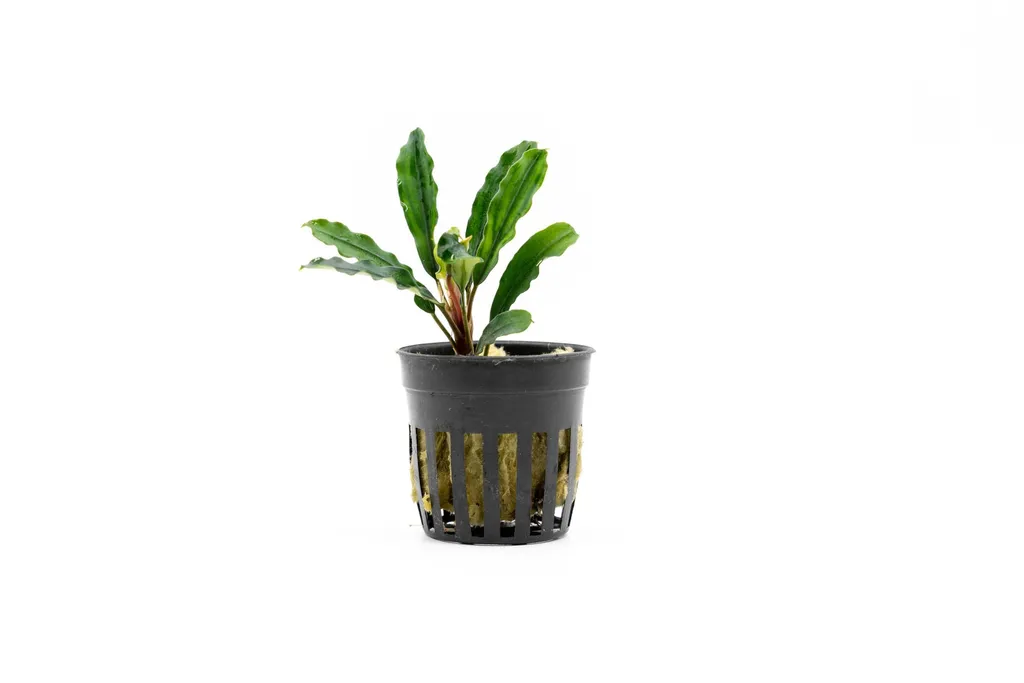 Low lightEpiphyte5.9 in (15 cm)
Bucephalandra Kedagang Long
Bucephalandra sp. 'Kedagang Long'
Low light · Epiphyte
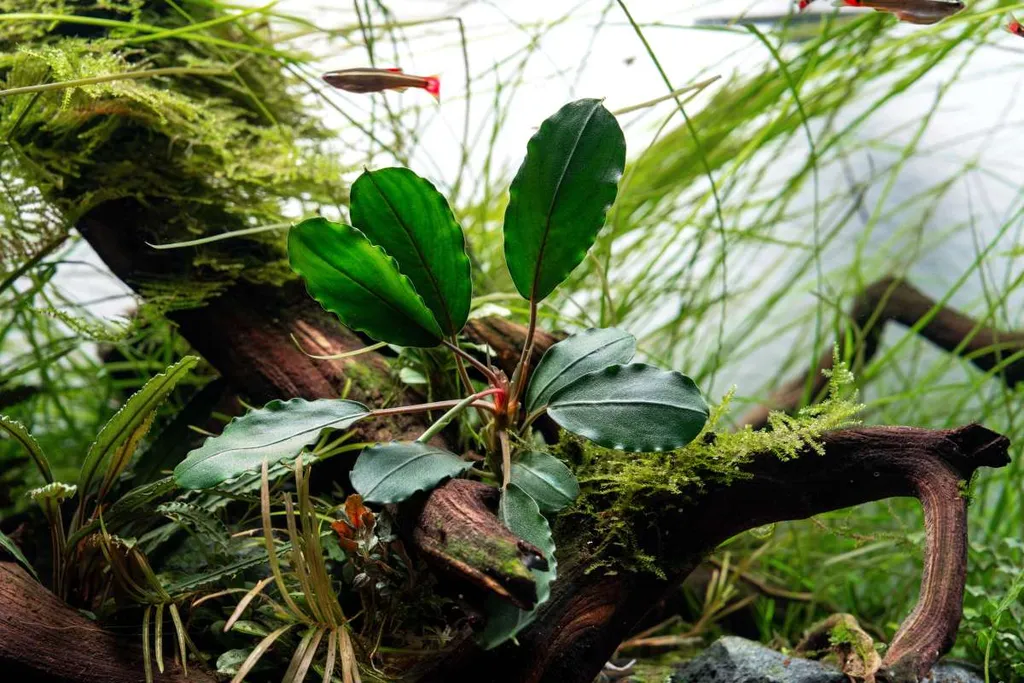 Low lightEpiphyte5.9 in (15 cm)
Bucephalandra Pearl Grey
Bucephalandra sp. 'Pearl Grey'
Low light · Epiphyte
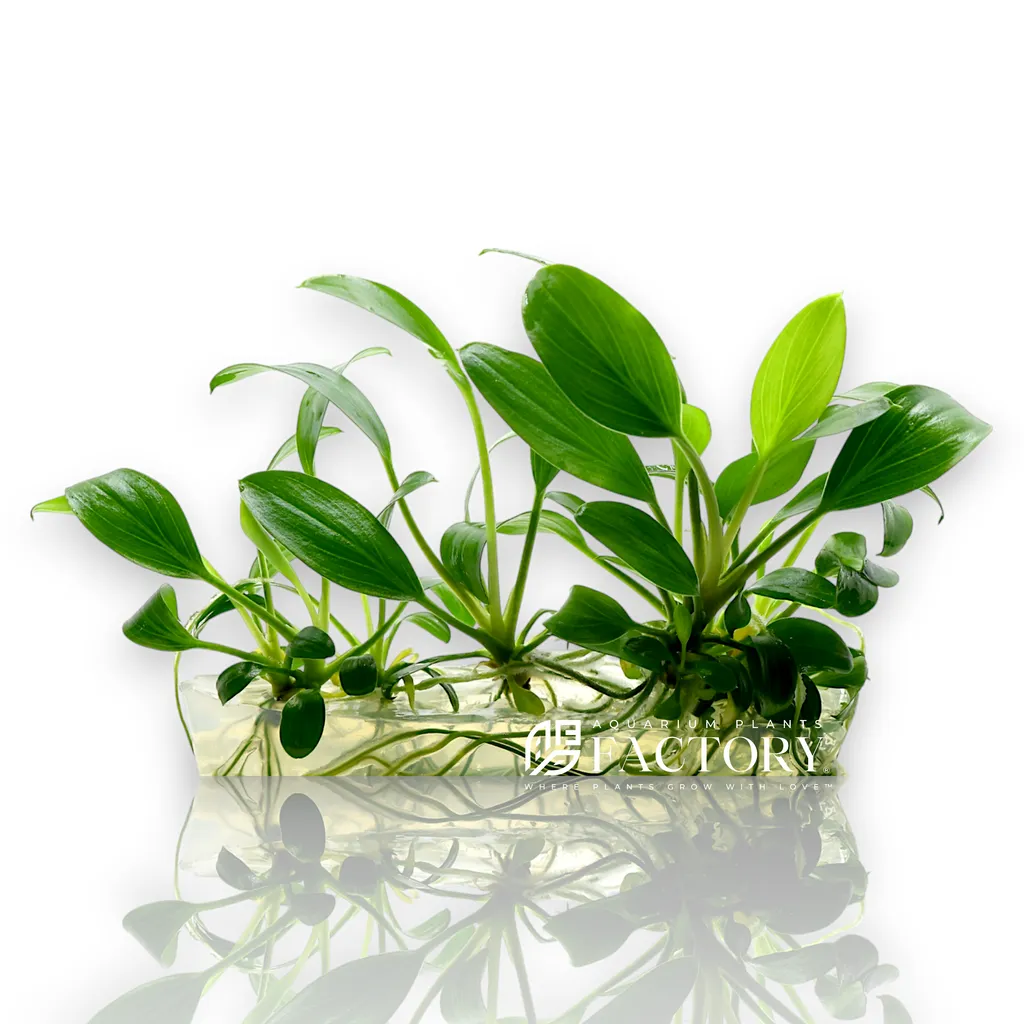 Low lightEpiphyte5.9 in (15 cm)
Homalomena Sekadau South
Homalomena sp. 'Sekadau South'
Low light · Epiphyte