Cyperus helferi
Also known as Helfer's sedge, Helfer's flatsedge, Aquatic umbrella sedge
FreshwaterRosetteSide shootsRhizome division
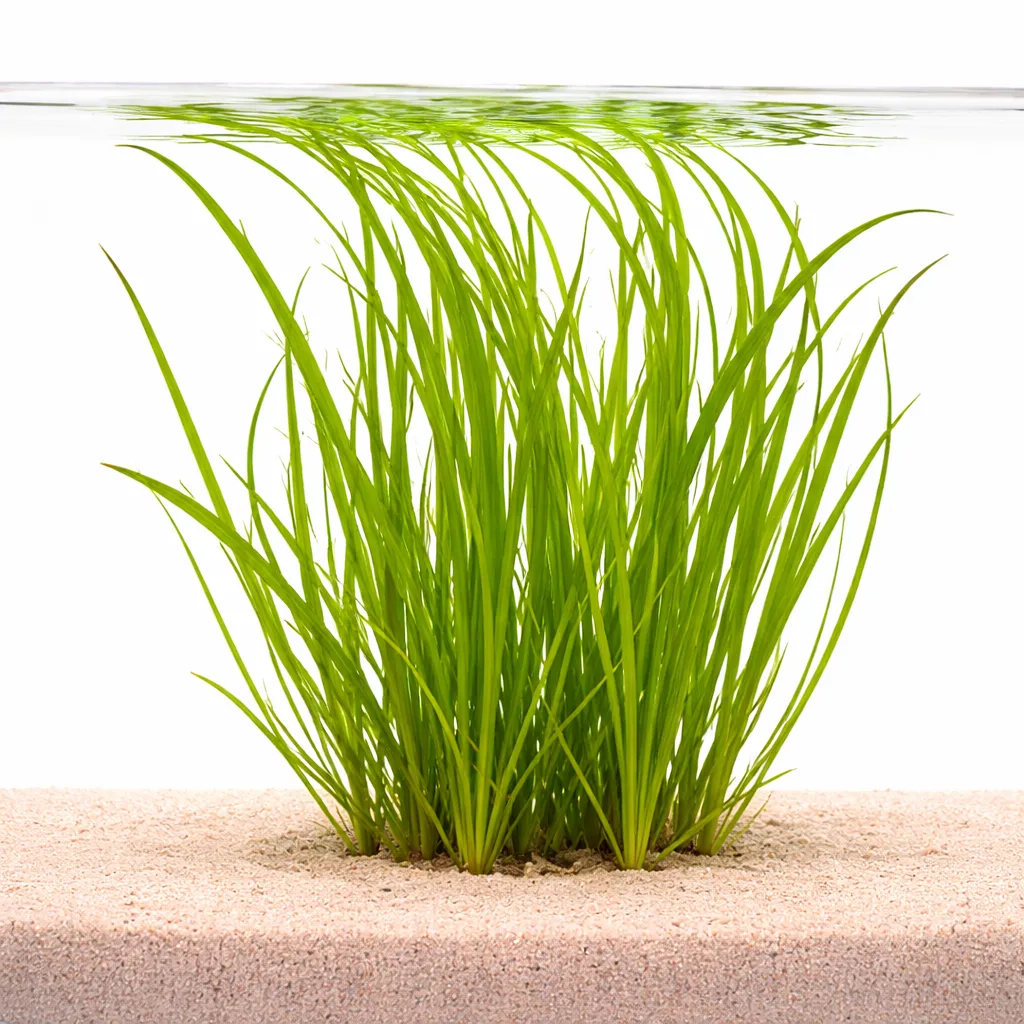
Care at a glance
- Light
- Medium light
- CO2
- CO₂ beneficial
- Temperature
- 72–82°F
- 22–28°C
- Max height
- 11.8 in
- 30 cm
- Growth rate
- Slow
- Placement
- Midground
- Type
- Rosette
- pH
- 5.5–7.5
- Hardness
- 2–18 dGH
- Spread
- 7.9 in (20 cm)
- Nutrient uptake
- Root + water column
- Growth region
- Submersed or emersed
- Difficulty
- Medium
- Family
- Cyperaceae
- Origin
- Southeast Asia (Thailand)
Overview
Cyperus helferi is a sedge for the midground, or a softer background in larger tanks, where its arching, grassy leaves add movement. It is rated medium, a bit more demanding than the easiest plants.
Caring for Cyperus helferi
Plant Cyperus helferi carefully, with the crown just above the substrate, since its root system is surprisingly small for its size. Give it open space with some flow rather than a shaded corner. Be patient while it adapts from emersed nursery growth.
It wants medium light and benefits clearly from CO2. It needs a full range of nutrients, including nitrate, potassium, iron and trace elements, or the leaves yellow and thin. It feeds through both roots and leaves, so use root tabs as well as a liquid fertilizer. Keep the water at 72 to 82°F (22 to 28°C).
Growth is slow, so it stays put without much trimming. It is also slow to recover from a deficiency or melt. Cut off a side shoot once it has a few leaves, or divide the rhizome, to make new plants.
Good to know
Cyperus helferi is a sedge in the family Cyperaceae, not a true grass and not related to the sword plants. It was the first Cyperus species to be established in the aquarium hobby. Unlike most sedges, which are grown only as marsh or pond plants, it adapts to permanent submersion and keeps producing flexible underwater leaves.
In the wild
Cyperus helferi comes from Thailand and nearby parts of Southeast Asia. It grows in shallow streams and on seasonally flooded riverbanks. It spends part of the year emersed on damp ground and submerges when the water rises.
Common questions
Does Cyperus helferi need to be planted in the substrate?
Yes. Bury the roots and leave the crown, where the leaves join, just above the substrate.
Does Cyperus helferi need CO2?
No, but it helps. Cyperus helferi can grow without injected CO2, and added CO2 makes it grow faster.
How much light does Cyperus helferi need?
Cyperus helferi wants medium light. A light sold for planted tanks covers it.
Does Cyperus helferi need root tabs?
They help. Cyperus helferi takes nutrients through both its roots and its leaves. Root tabs near its roots and a liquid fertilizer cover both.
How do you propagate Cyperus helferi?
Cyperus helferi propagates by side shoots and rhizome division. Cut a side shoot off once it has a few leaves and plant it on its own. Cut the rhizome into pieces with several leaves each, then tie or plant each piece.
How tall does Cyperus helferi grow?
Cyperus helferi grows to about 11.8 in (30 cm) tall. It grows slowly and rarely needs trimming.
Related plants
- Medium lightBackground11.8 in (30 cm)
Giant hairgrass
Eleocharis montevidensis
Medium light · Background
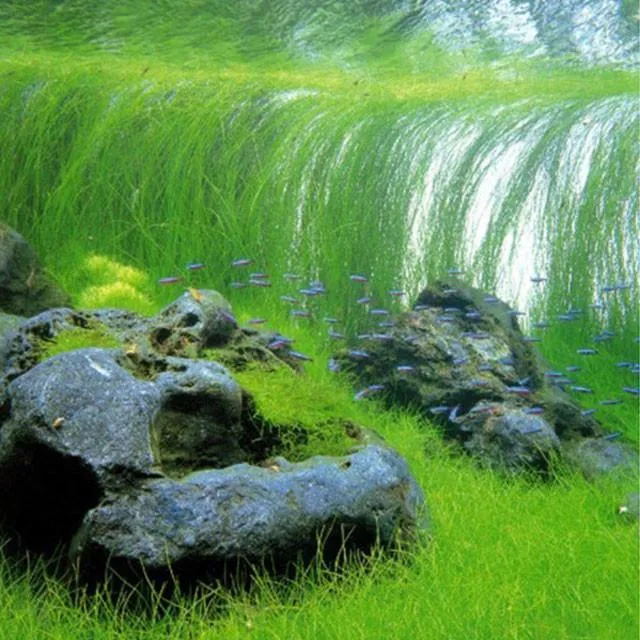 Medium lightBackground15.7 in (40 cm)
Umbrella hairgrass
Eleocharis vivipara
Medium light · Background
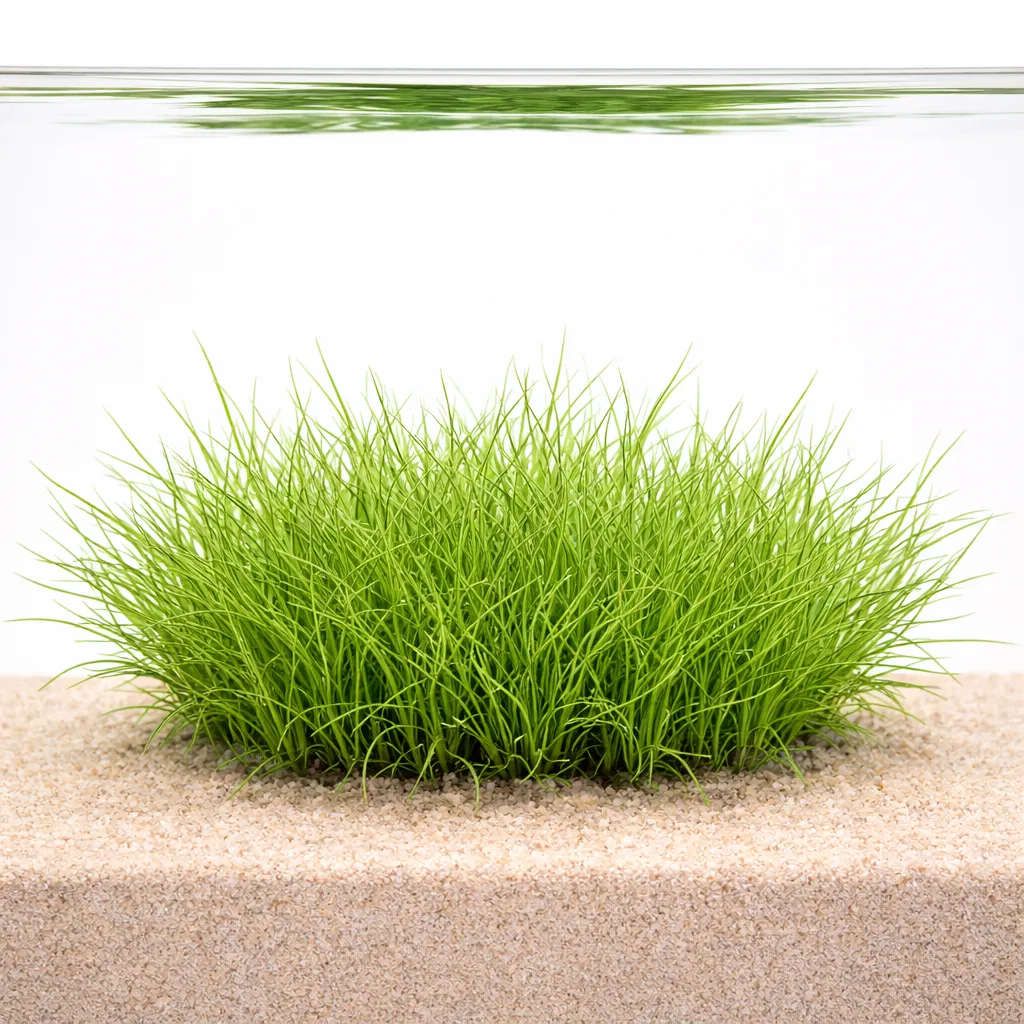 Medium lightForeground7.9 in (20 cm)
Needle hairgrass
Eleocharis acicularis
Medium light · Foreground
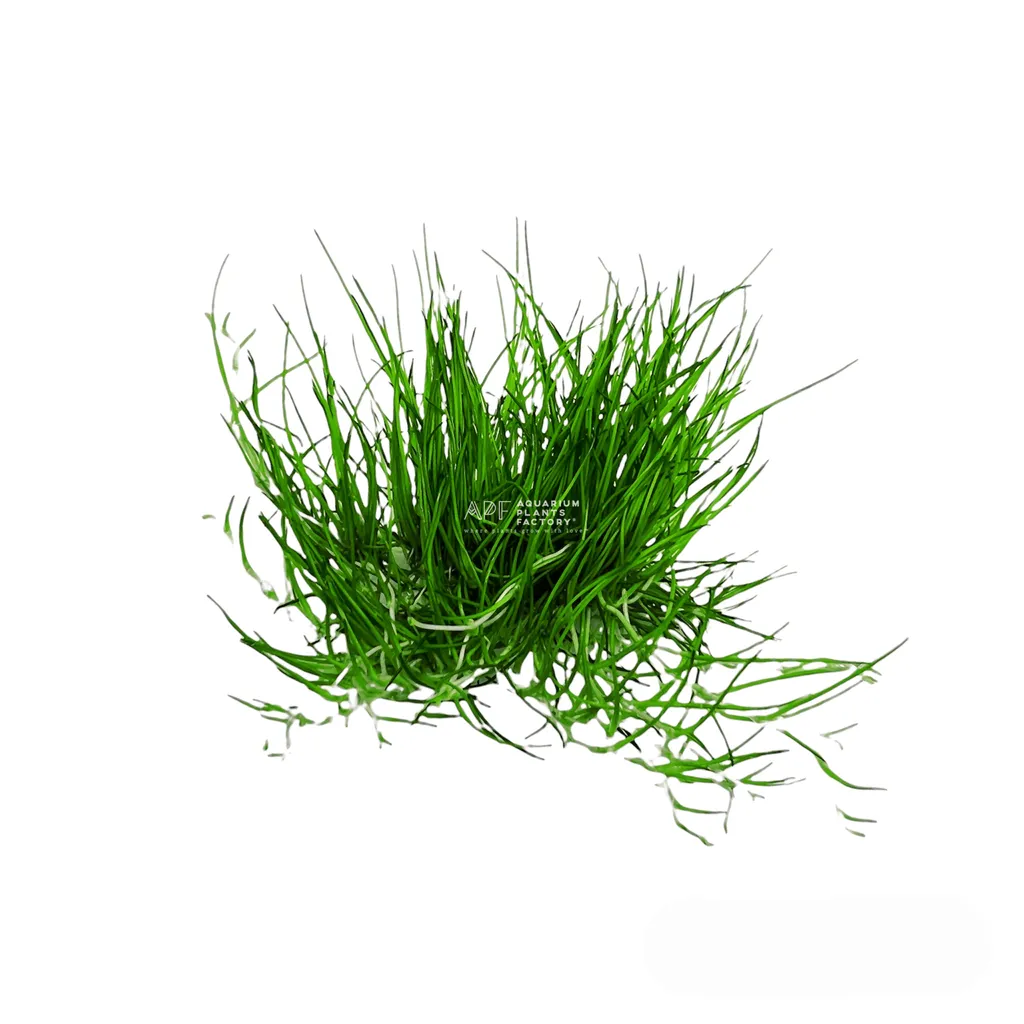 Medium lightForeground3.9 in (10 cm)
Dwarf hairgrass
Eleocharis parvula
Medium light · Foreground
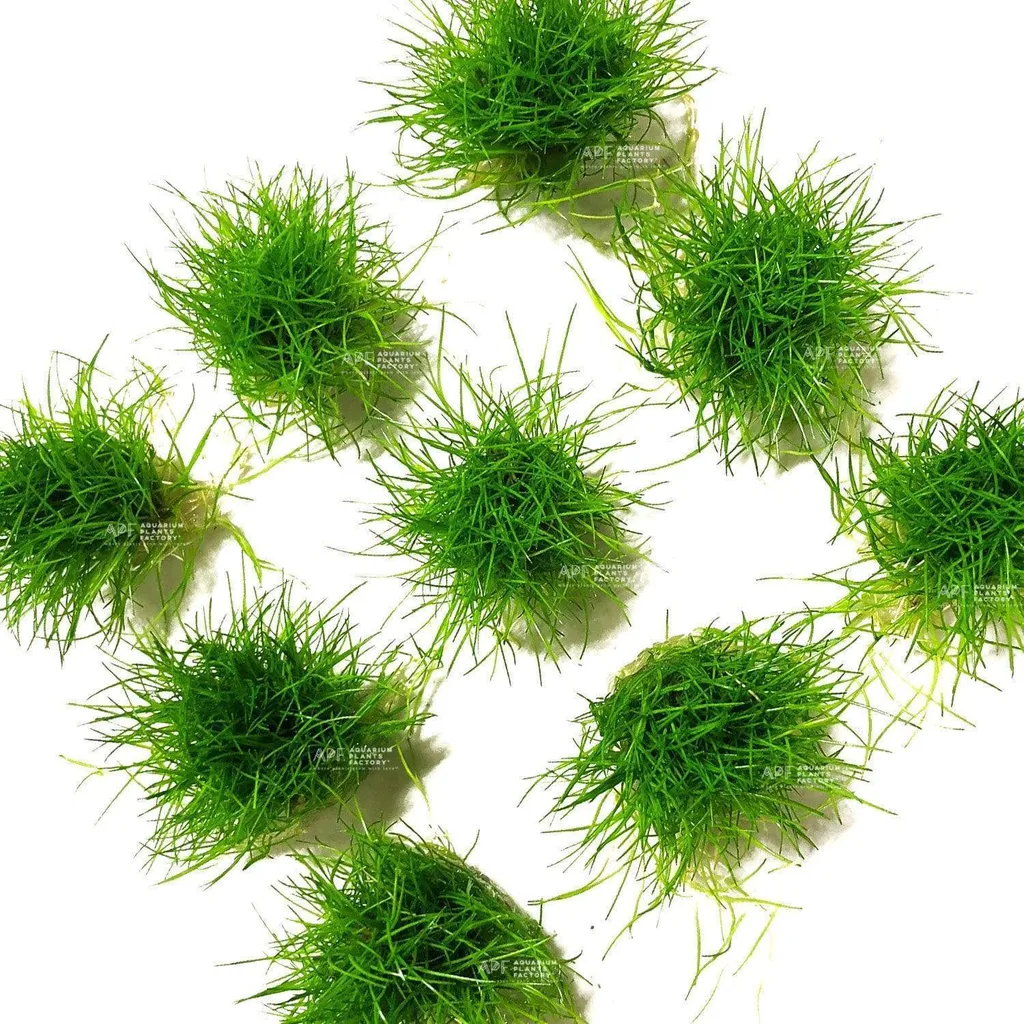 Medium lightForeground2.4 in (6 cm)
Dwarf hairgrass Mini
Eleocharis sp. 'Mini'
Medium light · Foreground
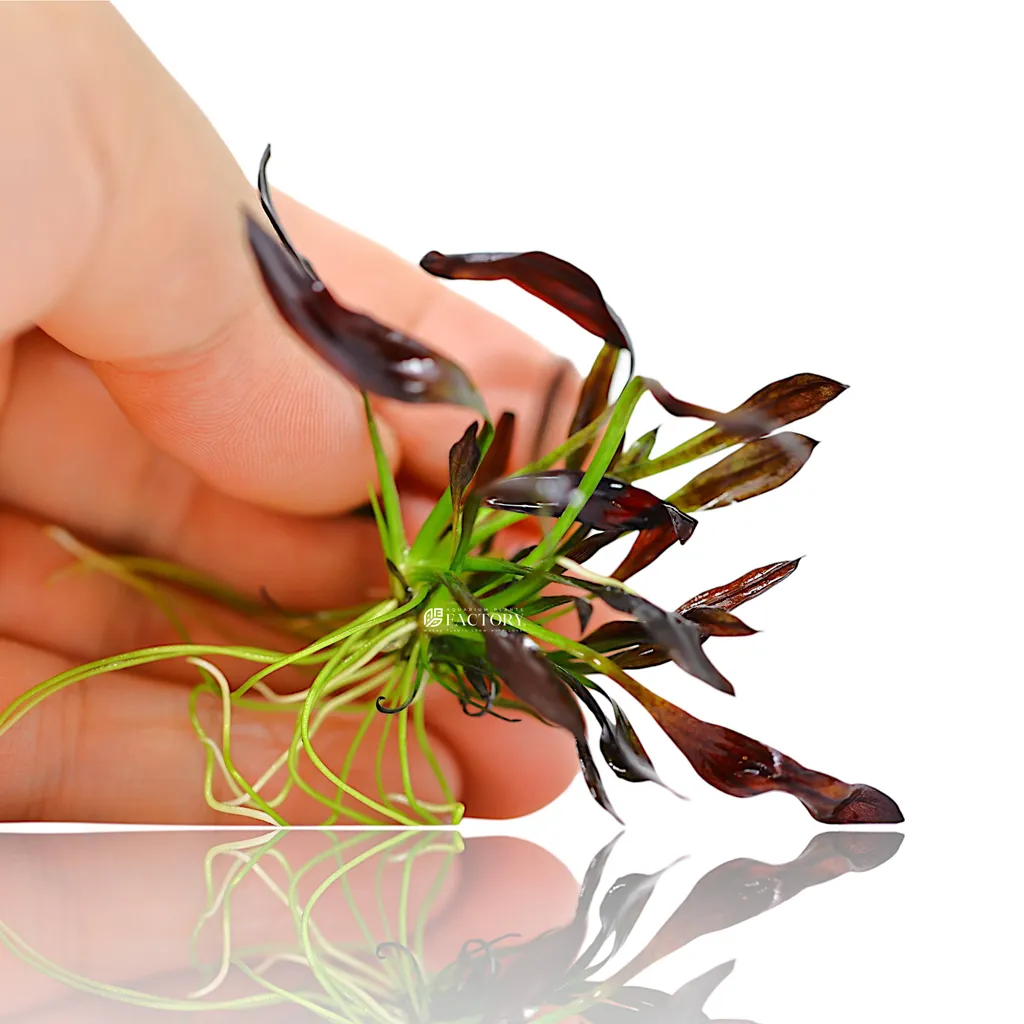 High lightMidground11.8 in (30 cm)
Aflame sword
Echinodorus 'Aflame'
High light · Midground