Yellowjacket cichlid
Parachromis friedrichsthalii
Also known as Friedrichsthal's cichlid, Yellow guapote, Yellow jacket
FreshwaterFish
Care at a glance
- Temperature
- 75–84°F
- 24–29°C
- pH
- 7.0–8.2
- Adult size
- 13 in
- 33 cm
- Minimum tank
- 132 gal
- 500 L
- Temperament
- Aggressive
- Social behavior
- Solitary
- Tankmates
- With caution
- Swim level
- Bottom
- Diet
- Carnivore
- Difficulty
- Medium
- Breeding
- Substrate spawner · Medium
- Rarity
- Rare
- Family
- Cichlidae
- Origin
- Atlantic slope, Mexico to Honduras
Overview
The yellowjacket cichlid is a predatory cichlid that hunts from the lower water, lying in wait and then lunging. It suits a keeper with some experience and a big tank.
Did you know
The yellowjacket cichlid's common name borrows from the wasp. Like the wasp, it wears a bold yellow-and-black pattern. It backs the warning up as one of the more determined ambush predators among Central American cichlids.
Caring for the yellowjacket cichlid
Give a single yellowjacket cichlid or a pair at least 132 gal (500 L), with a sand floor. Use sturdy rock and driftwood to break up territory and set its boundaries, and leave open lanes for a fish that ambushes prey.
Keep the water warm and neutral to hard, at 75 to 84°F (24 to 29°C) and a pH of 7.0 to 8.2. Run a big filter and make frequent water changes to keep up with a large, meat-eating fish. Feed meaty foods such as pellets, frozen fish, prawns and earthworms.
Keep it alone or as a single mated pair, never with fish small enough to eat. It will take any tank mate that fits in its mouth. It is very aggressive and territorial, so tank mates need real care. Limit them to large, sturdy cichlids in a big tank.
It is a substrate spawner and a committed parent. A pair lays its eggs on a cleaned surface, and both parents defend the eggs and fry hard. Breeding is of moderate difficulty, and the main problem is pair aggression in a shared tank. Be ready to separate a spawning pair from everything else.
Good to know
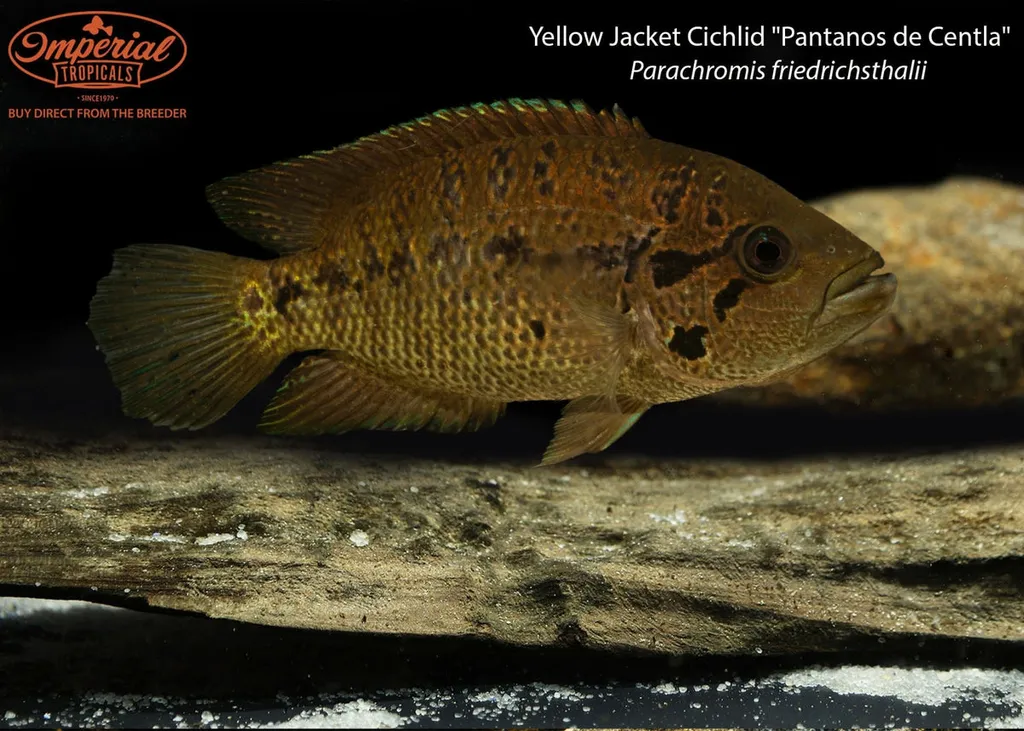
Parachromis friedrichsthalii is a cichlid in the family Cichlidae, yellow to orange with black spotting and a bold dark band along the flank. It is one of the guapotes, the large hunting cichlids of Central America.
In the wild
The yellowjacket cichlid hunts weedy lagoons, backwaters and slow rivers along the Atlantic slope from Mexico to Honduras.
Common questions
What size tank does a yellowjacket cichlid need?
A yellowjacket cichlid needs at least 132 gal (500 L). It spends most of its time in the bottom.
What temperature and pH does a yellowjacket cichlid need?
A yellowjacket cichlid is comfortable at 75–84°F (24–29°C) with a pH of 7.0–8.2.
What does a yellowjacket cichlid eat?
A yellowjacket cichlid eats meaty foods such as pellets, frozen fish, prawns and earthworms.
How big does a yellowjacket cichlid get?
An adult yellowjacket cichlid reaches about 13 in (33 cm).
How does a yellowjacket cichlid breed?
A yellowjacket cichlid is a substrate spawner and a committed parent. A pair lays its eggs on a cleaned surface, and both parents defend the eggs and fry hard. Breeding is moderately difficult, and the main problem is pair aggression in a shared tank.
Related species
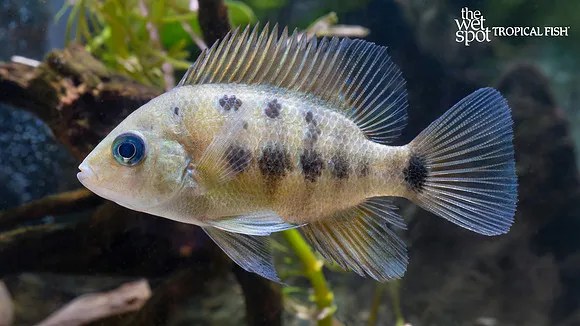 11.8 in (30 cm)55 gal (210 L)75–82°F (24–28°C)
Red tiger motaguense
Parachromis motaguensis
11.8 in (30 cm) · 55 gal (210 L)
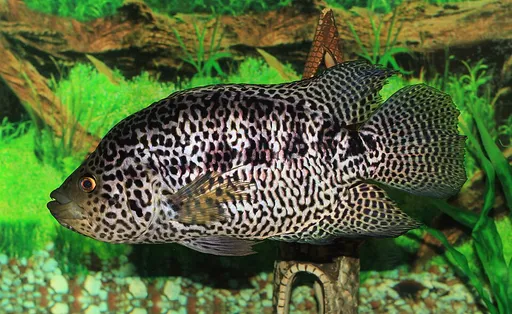 15.7 in (40 cm)119 gal (450 L)75–82°F (24–28°C)
Jaguar cichlid
Parachromis managuensis
15.7 in (40 cm) · 119 gal (450 L)
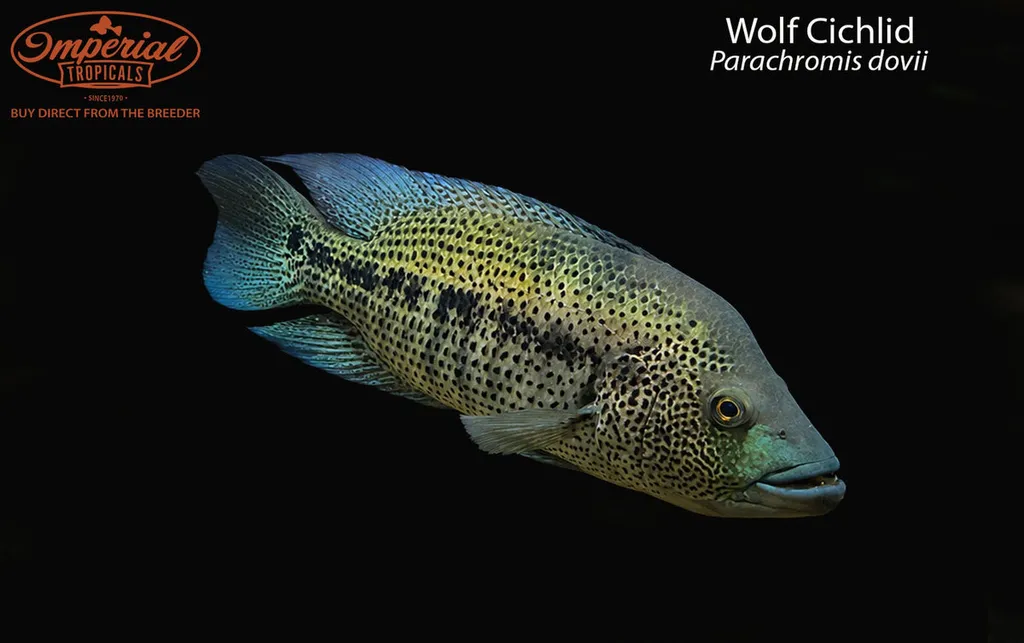 27.6 in (70 cm)250 gal (946 L)75–82°F (24–28°C)
Wolf cichlid
Parachromis dovii
27.6 in (70 cm) · 250 gal (946 L)
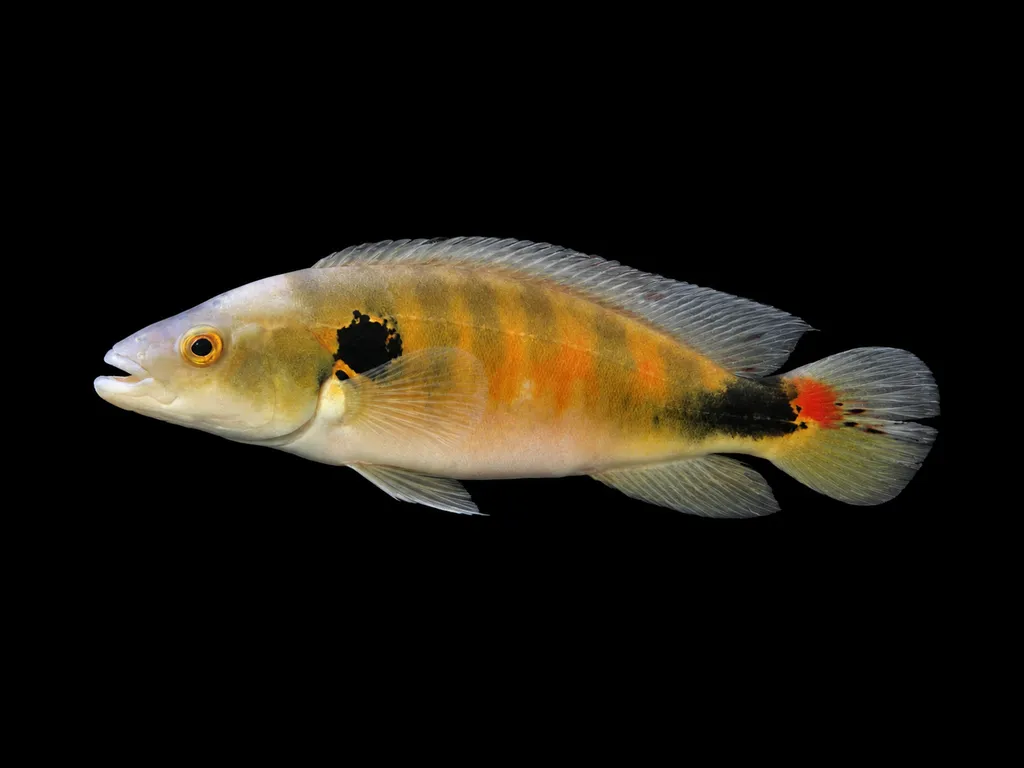 13.4 in (34 cm)185 gal (700 L)75–82°F (24–28°C)
Johanna pike cichlid
Lugubria johanna
13.4 in (34 cm) · 185 gal (700 L)
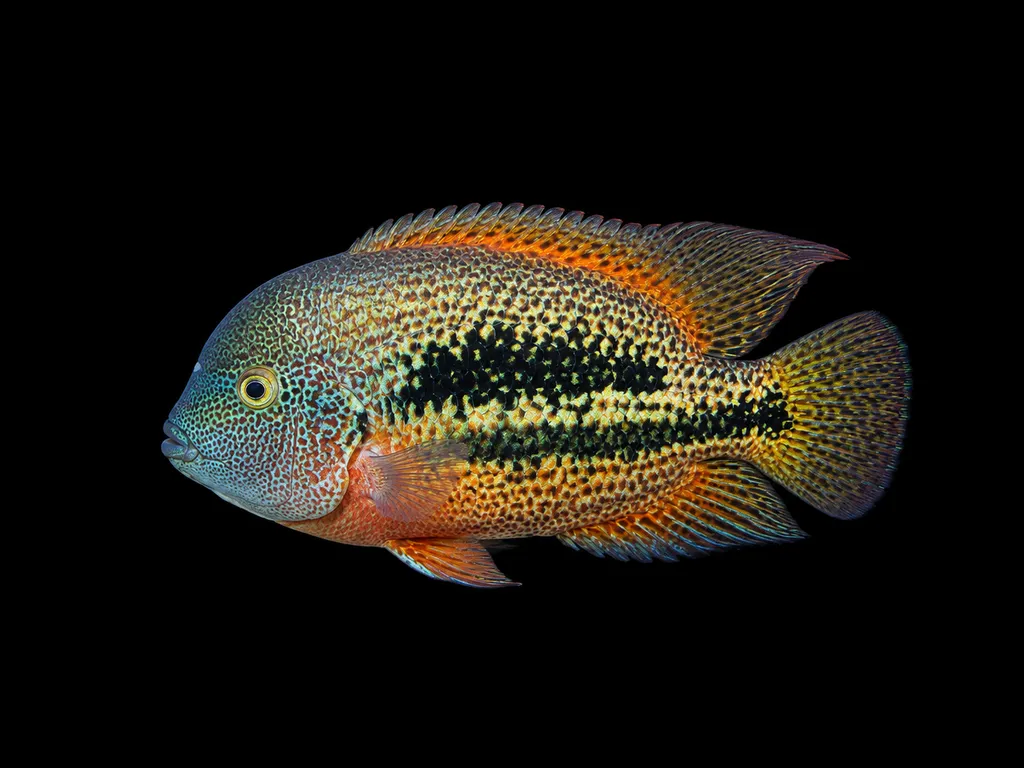 14.2 in (36 cm)63 gal (240 L)75–84°F (24–29°C)
Twoband vieja
Vieja bifasciata
14.2 in (36 cm) · 63 gal (240 L)
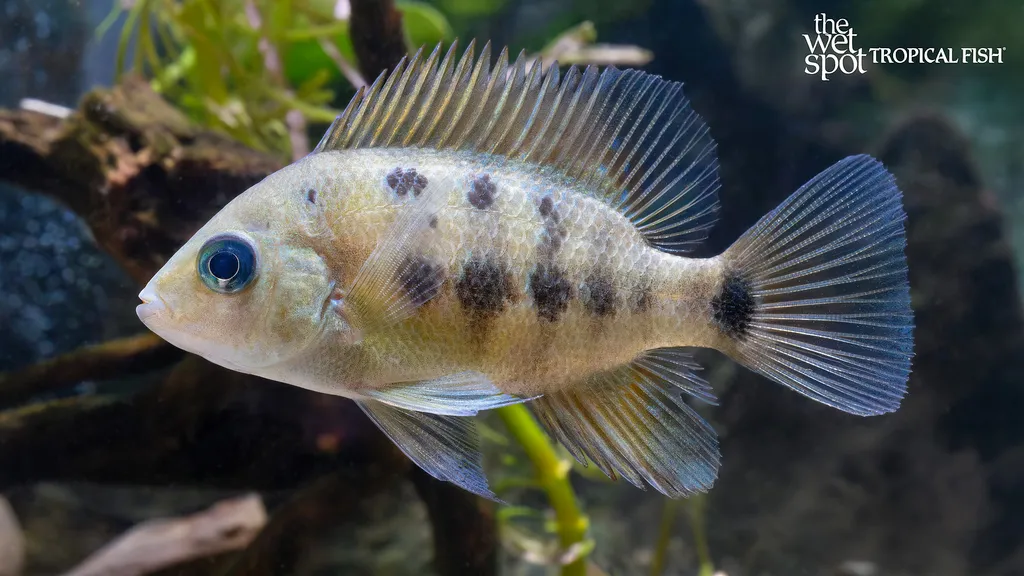 11.8 in (30 cm)119 gal (450 L)77–82°F (25–28°C)
Chisel-tooth cichlid
Cincelichthys bocourti
11.8 in (30 cm) · 119 gal (450 L)