Compressiceps dwarf pike cichlid
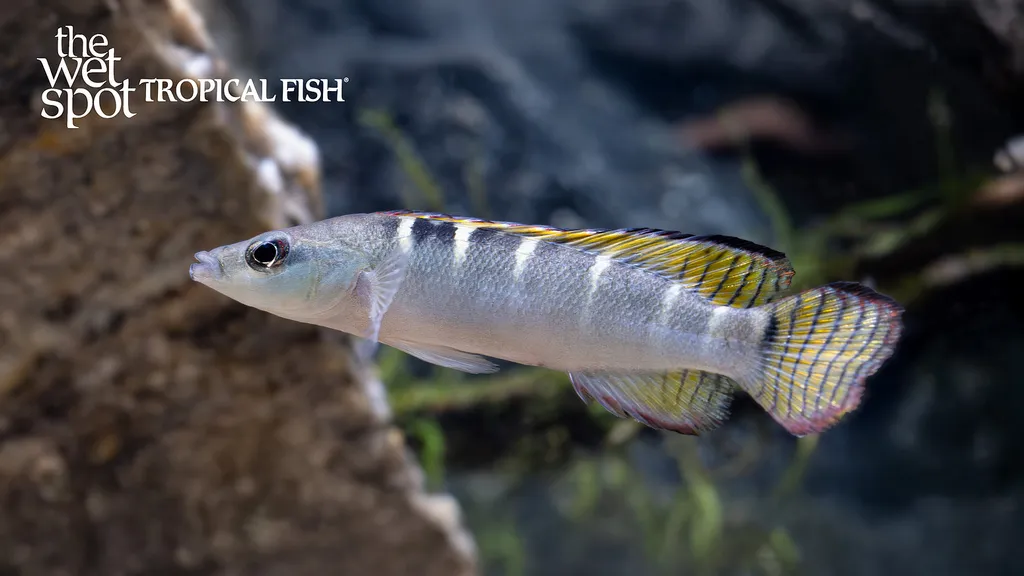
Crenicichla compressiceps
Also known as Dwarf pike cichlid, Red-finned dwarf pike, Wallaciia compressiceps, Dwarf green pike
FreshwaterFish
Care at a glance
- Temperature
- 75–82°F
- 24–28°C
- pH
- 5.5–7.0
- Adult size
- 3.1 in
- 8 cm
- Minimum tank
- 29 gal
- 110 L
- Temperament
- Aggressive
- Social behavior
- Solitary
- Tankmates
- With caution
- Swim level
- Bottom
- Difficulty
- Medium
- Breeding
- Medium
- Rarity
- Common
- Family
- Cichlidae
- Origin
- Lower Rio Tocantins and Araguaia basins of Brazil, among rocks and leaf litter in fast, oxygen-rich water.
Overview
A single fish or a pair fits a tank of at least 110 liters at 24 to 28 C and pH 5.5 to 7.0, with good flow and oxygen. Provide caves and dense structure to break up territory. Feed meaty foods such as frozen bloodworm, brine shrimp, and chopped seafood. It is aggressive for its size and will attack fish up to half its length.
In the wild
The compressiceps dwarf pike cichlid lives in the lower Rio Tocantins and Araguaia basins of Brazil. It hides among rocks and leaf litter in fast, oxygen-rich water. It is one of the smallest pike cichlids but keeps a fierce temper. Provide rocks, wood, caves, and good water movement.
Good to know
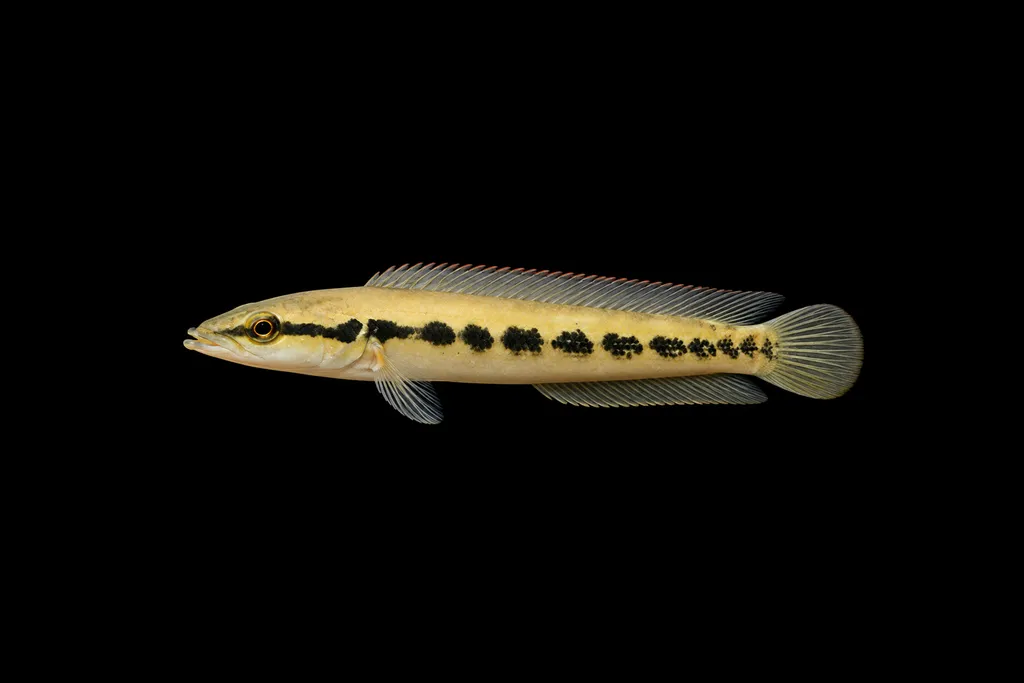
Crenicichla compressiceps was described by Ploeg in 1986 and reaches about 8 cm, with males larger than females. Recent work moved it to the genus Wallaciia, though the trade still uses the old name. It has a bright red-orange belly and fins with dark barring.
Did you know
It is a secretive cave spawner, and a bonded pair will raise fry together inside a hidden crevice.
Common questions
What size tank does a Compressiceps dwarf pike cichlid need?
A Compressiceps dwarf pike cichlid needs at least 29 gal (110 L). It spends most of its time in the bottom.
What temperature and pH does a Compressiceps dwarf pike cichlid need?
A Compressiceps dwarf pike cichlid is comfortable at 75–82°F (24–28°C) with a pH of 5.5–7.0.
How big does a Compressiceps dwarf pike cichlid get?
An adult Compressiceps dwarf pike cichlid reaches about 3.1 in (8 cm).
Related species
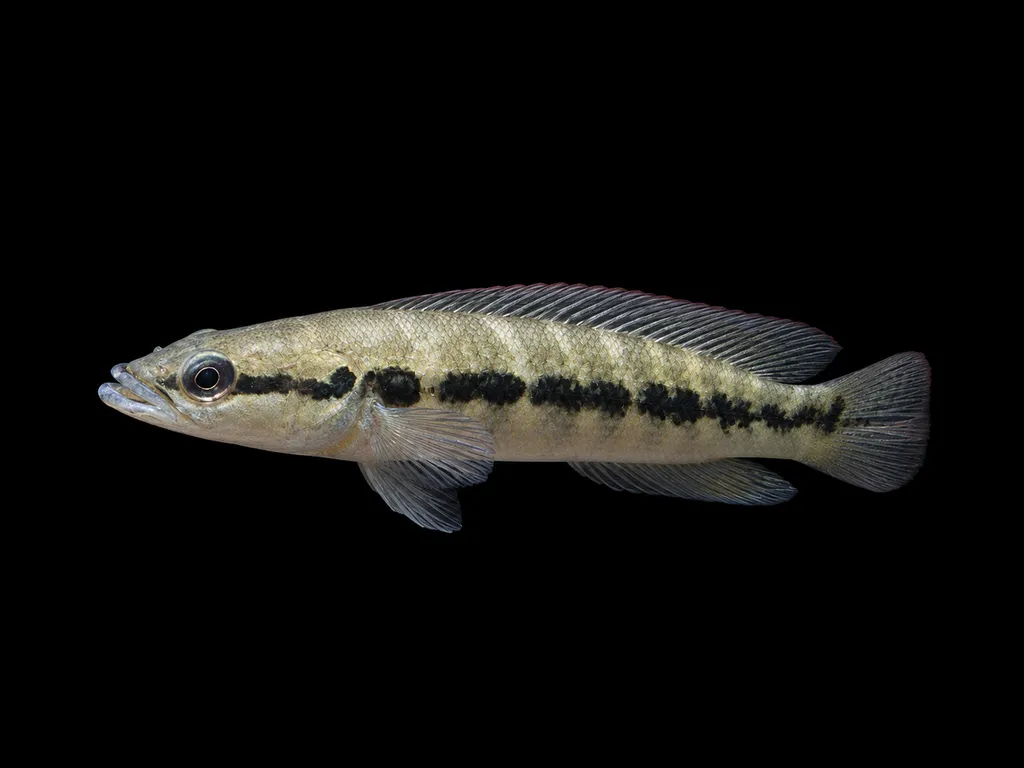 4.7 in (12 cm)79 gal (300 L)79–86°F (26–30°C)
Roundmouth pike cichlid
Crenicichla cyclostoma
4.7 in (12 cm) · 79 gal (300 L)
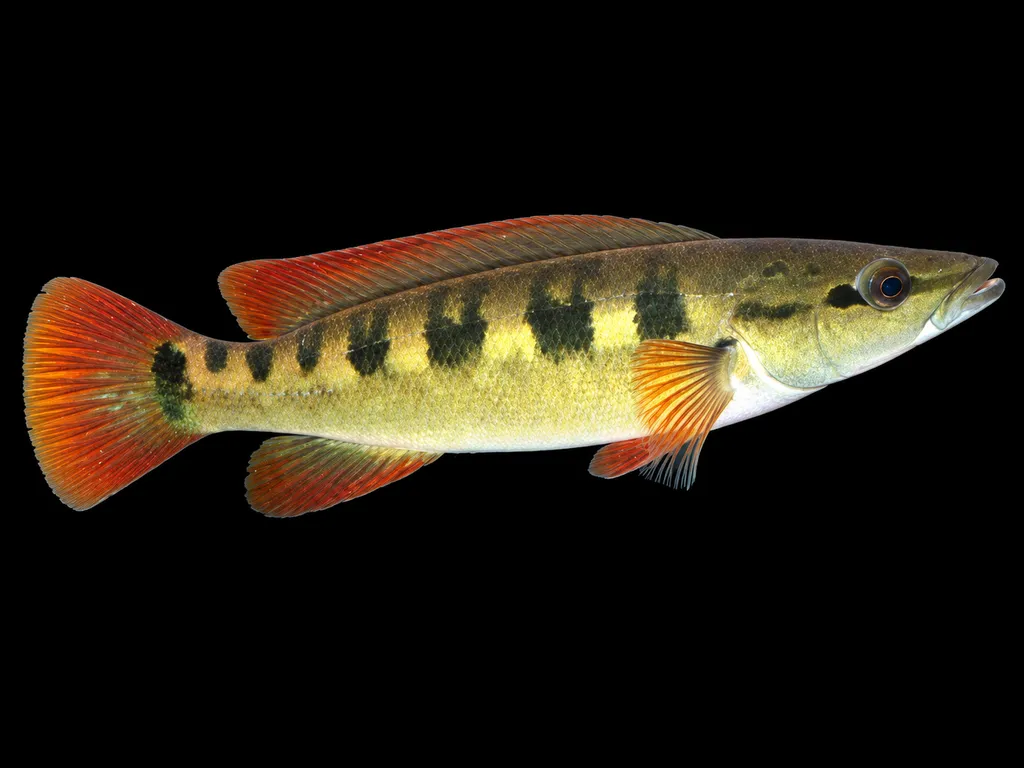 7.5 in (19 cm)106 gal (400 L)75–82°F (24–28°C)
Alta pike cichlid
Crenicichla alta
7.5 in (19 cm) · 106 gal (400 L)
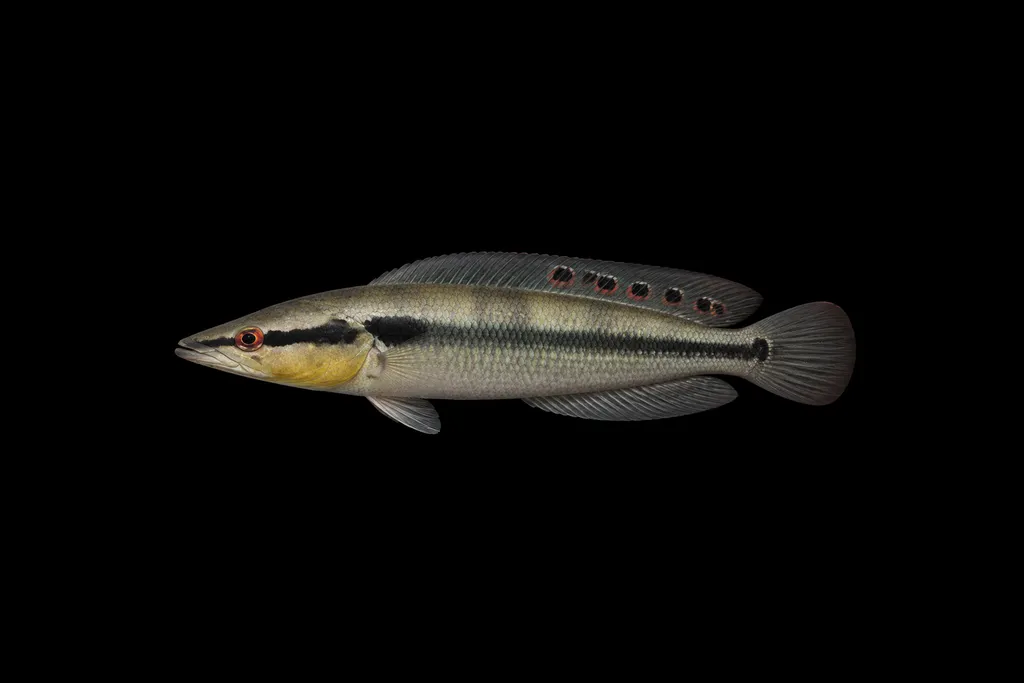 7.5 in (19 cm)106 gal (400 L)75–82°F (24–28°C)
Proteus pike cichlid
Crenicichla proteus
7.5 in (19 cm) · 106 gal (400 L)
 8.7 in (22 cm)106 gal (400 L)75–82°F (24–28°C)
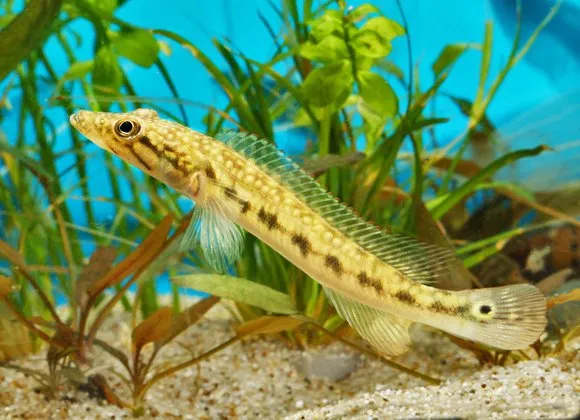
Halfbanded pike cichlid
Crenicichla geayi
8.7 in (22 cm) · 106 gal (400 L)
 9.4 in (24 cm)119 gal (450 L)77–84°F (25–29°C)
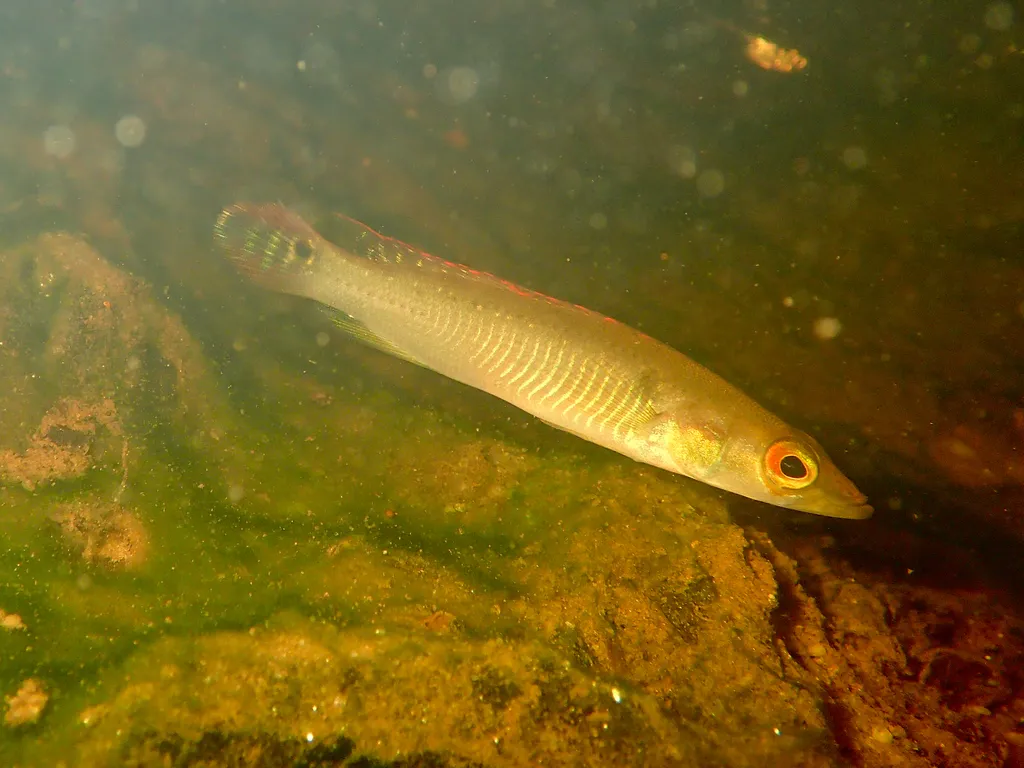
Jegu's pike cichlid
Crenicichla jegui
9.4 in (24 cm) · 119 gal (450 L)
 9.4 in (24 cm)119 gal (450 L)75–82°F (24–28°C)
Ringtail pike cichlid
Crenicichla saxatilis
9.4 in (24 cm) · 119 gal (450 L)